Can You Use Vinegar on Car Paint? 5 Safe Tips Revealed
Many car owners look for effective and accessible cleaning solutions, and vinegar often comes up as a possibility. It’s known for its cleaning power, but its use on car paint requires understanding its chemical nature and potential effects. While vinegar can tackle some contaminants, you must use it cautiously. Modern automotive paint systems have multiple layers for durability and shine, which can react negatively to harsh chemicals. Discover what vinegar really does to car paint, how to use it safely if you must, and what superior alternatives exist for keeping your car’s finish pristine.
What Vinegar Does to Car Paint
Understanding how vinegar interacts with car paint is key before you consider using it. A car’s finish is a complex system, and an acidic substance like vinegar can cause both immediate and long-term issues if used improperly.
Does vinegar damage car paint?
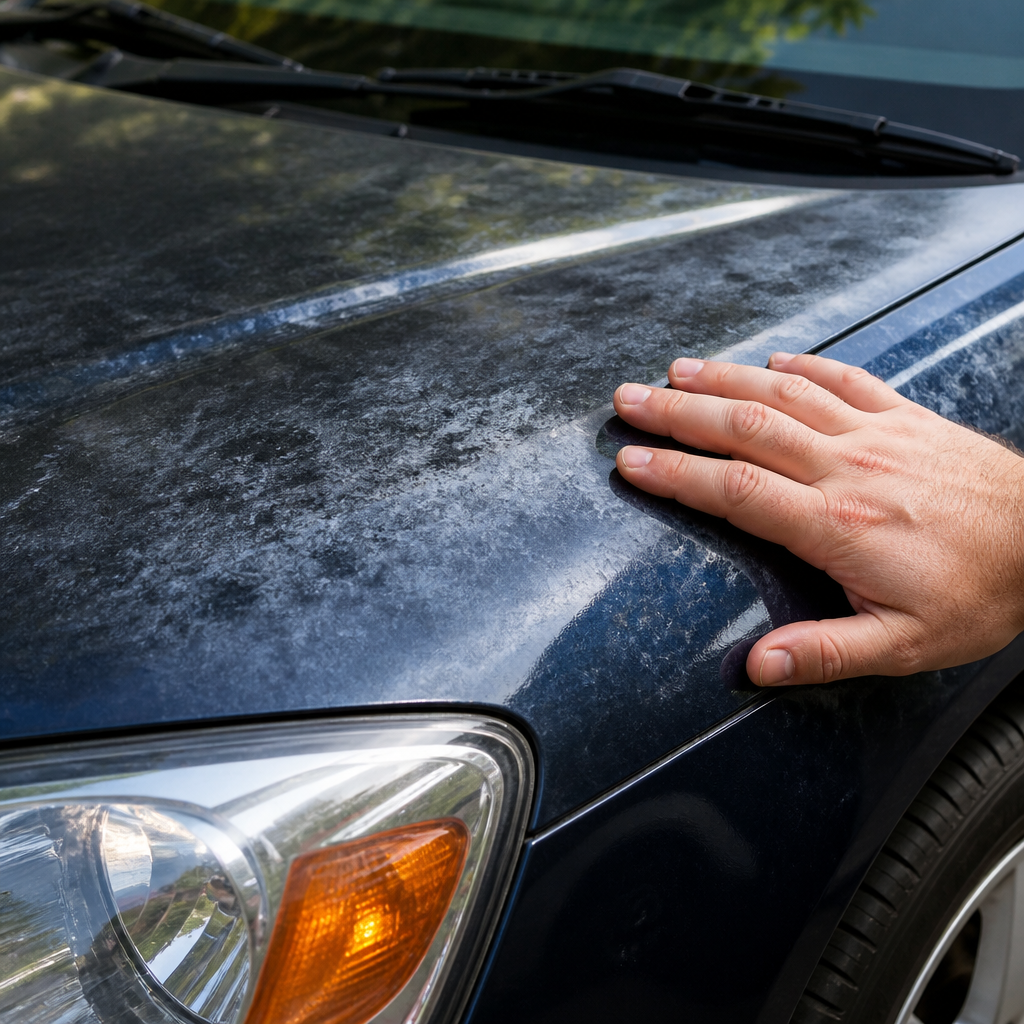
Vinegar is a mild acid, primarily containing 4% to 7% acetic acid. This acidity allows it to react chemically with the paint and its protective clear coat. The clear coat, the outermost layer providing shine and protection, is particularly vulnerable to acids.
Using undiluted vinegar, or even diluted solutions left on the surface for too long, significantly risks damage. Prolonged exposure can etch the clear coat, creating tiny pits or permanent marks that look dull or hazy. This etching weakens the protective layer, exposing the underlying color coat and metal panels to potential discoloration and reduced integrity. White distilled vinegar typically has a pH between 2.4 and 3.4, which is strong enough to harm paint if not used correctly.
Professional detailers advise that vinegar must be heavily diluted and never left to sit on the surface, as the acetic acid can eat through the clear coat over time. The risk of damage increases on certain finishes, _especially on matte finishes, vinyl wraps, or cars with existing paint chips_. Hot surfaces, like car panels in direct sunlight, can also speed up chemical reactions, increasing the likelihood of damage.
What vinegar does to car paint finish
A car’s paint finish is a multi-layered system, including a primer, a base coat for color, and a clear coat for gloss and protection. Vinegar primarily affects the clear coat. While it might seem to remove water spots initially, repeated or improper use can cause hazing, making the clear coat cloudy and reducing its gloss.
Vinegar also strips away protective layers like wax and sealants. These products form a sacrificial barrier on the clear coat, preventing oxidation and enhancing gloss. When vinegar removes these layers, the paint is left exposed and more vulnerable to future damage. For older vehicles with single-stage paint systems, vinegar can have a more direct and permanent impact, potentially causing fading or discoloration.
Vinegar on car paint pros and cons
Weighing the potential benefits against the significant drawbacks of using vinegar on car paint can help you make an informed decision.
| Pros | Cons |
|---|---|
| Effective at removing hard water spots and mineral deposits. | High risk of etching or damaging the clear coat if used improperly. |
| Inexpensive and readily available household item. | Strips essential protective layers like wax and sealants. |
| Can help remove light oxidation, some tree sap, and bird droppings. | Can cause permanent dullness, hazing, or discoloration. |
| More environmentally friendly than some harsh chemical cleaners. | Can damage rubber trim, plastic components, and window seals. |
Mike Phillips, a detailing industry veteran, suggests that “the risk-reward ratio of using vinegar on car paint doesn’t favor the consumer.” He argues that while it can work for water spots, dedicated pH-balanced car care products offer safer and more effective solutions without the inherent risk of etching.
The primary concern is the significant risk of clear coat damage if vinegar isn’t properly diluted or is left on too long.
How to Use Vinegar on Car Paint Safely
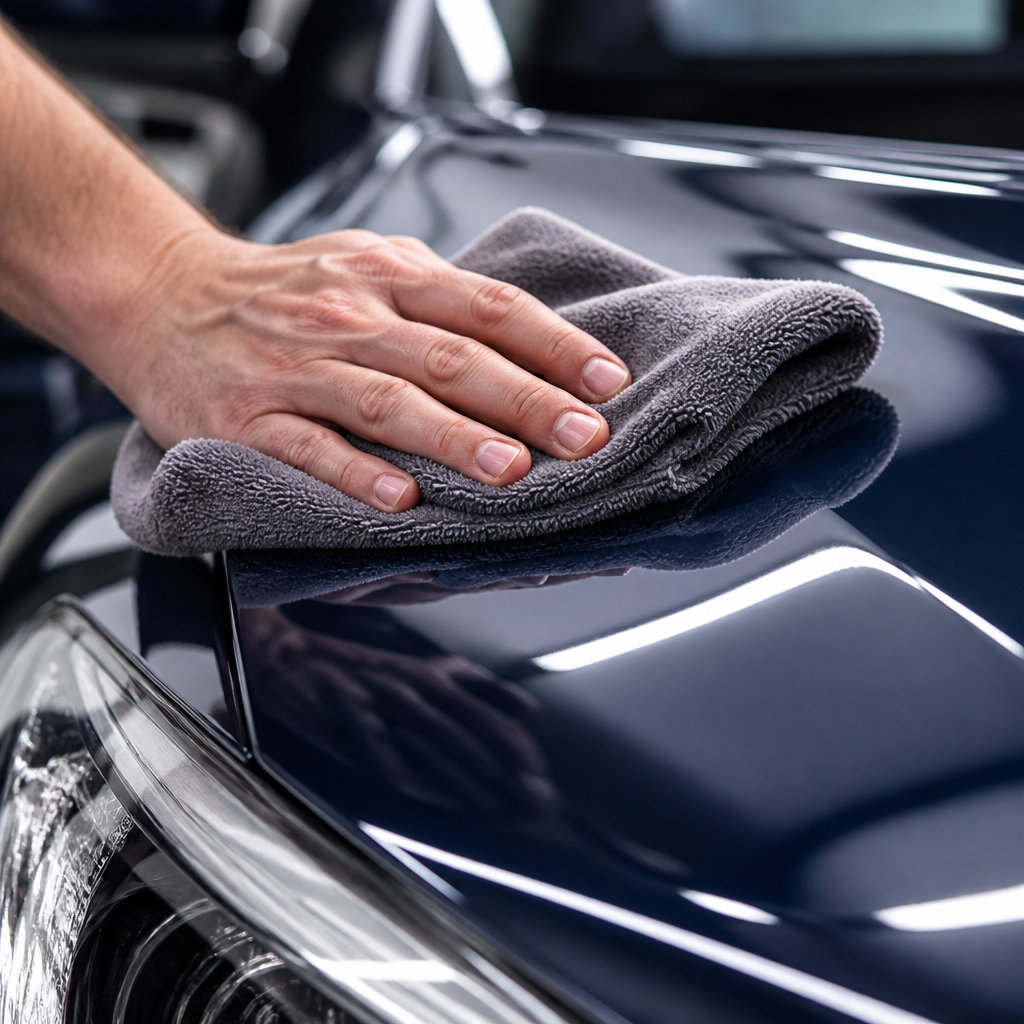
If you still choose to use vinegar on your car paint, you must follow strict safety guidelines to minimize the risk of damage. Improper application can cause irreversible harm.
Can you use vinegar on car paint safely?
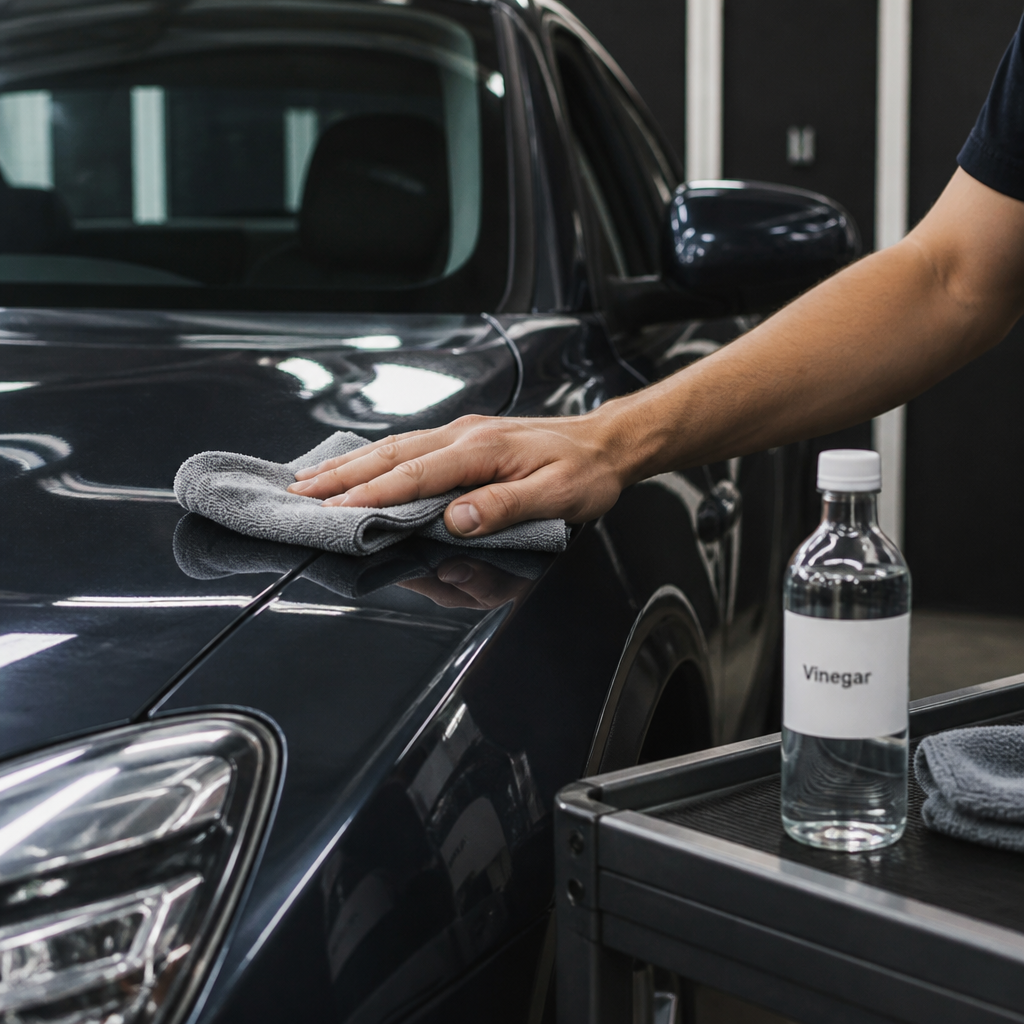
Using vinegar on car paint safely is possible, but it demands meticulous attention. The most critical safety measure is proper dilution. A recommended ratio is one part white distilled vinegar to ten parts distilled water (1:10) to make it less aggressive. Equally important is limiting contact time to no longer than two minutes, followed by immediate and thorough rinsing.
Apply the solution in the shade and only on cool surfaces. Applying it on hot surfaces or in direct sunlight can cause rapid evaporation, leaving behind concentrated acid that increases etching risk. Always test the diluted solution on an inconspicuous area first, like an inside door jamb. Apply, rinse, and wait 24 hours to observe any adverse reactions before proceeding. After applying vinegar, it’s highly recommended to wash the entire vehicle with a pH-neutral car wash soap. This helps neutralize any remaining acidic residue and should be followed by a fresh layer of wax or sealant.
How to use vinegar to clean car paint
If you decide to use vinegar for a specific cleaning task, follow this precise step-by-step process to mitigate risks.
- Pre-Wash the Car Thoroughly: Start by washing your car with a pH-neutral car wash soap to remove loose dirt and grime that could scratch the paint.
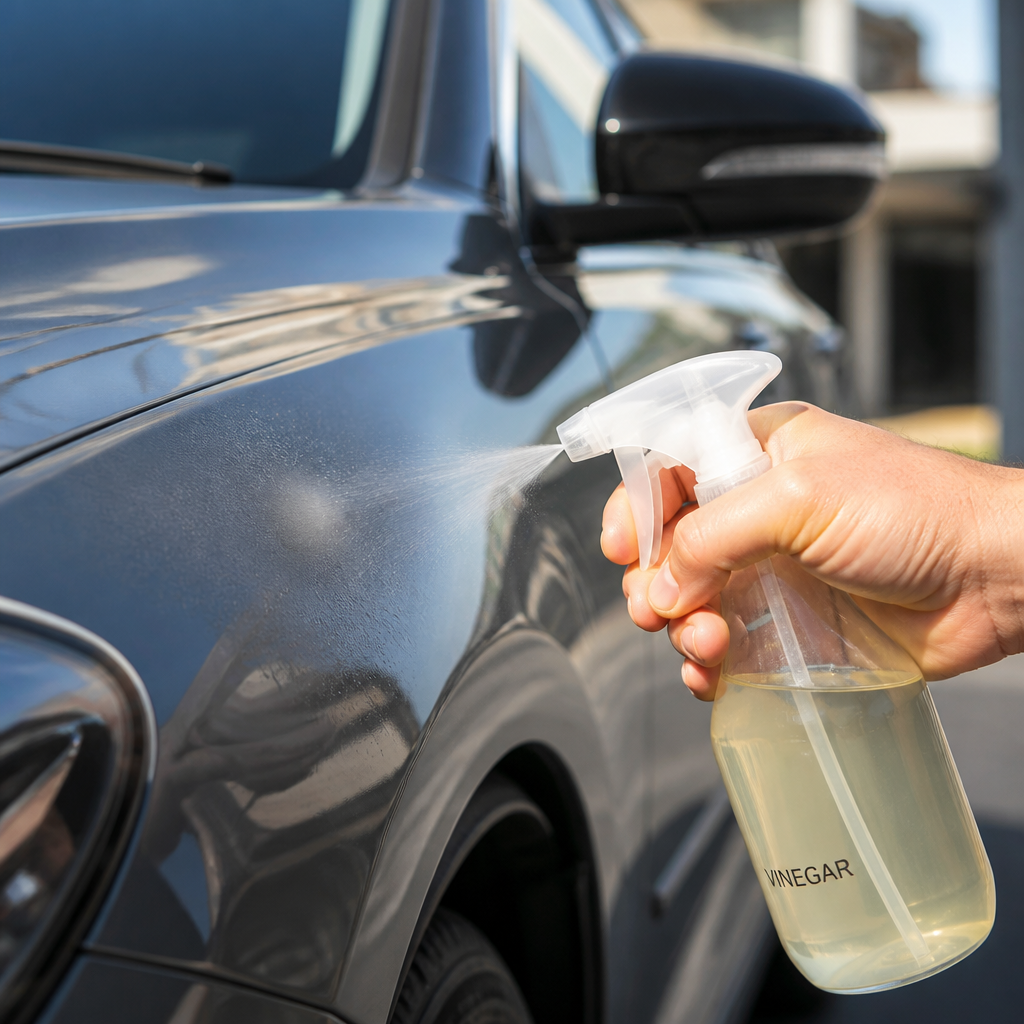
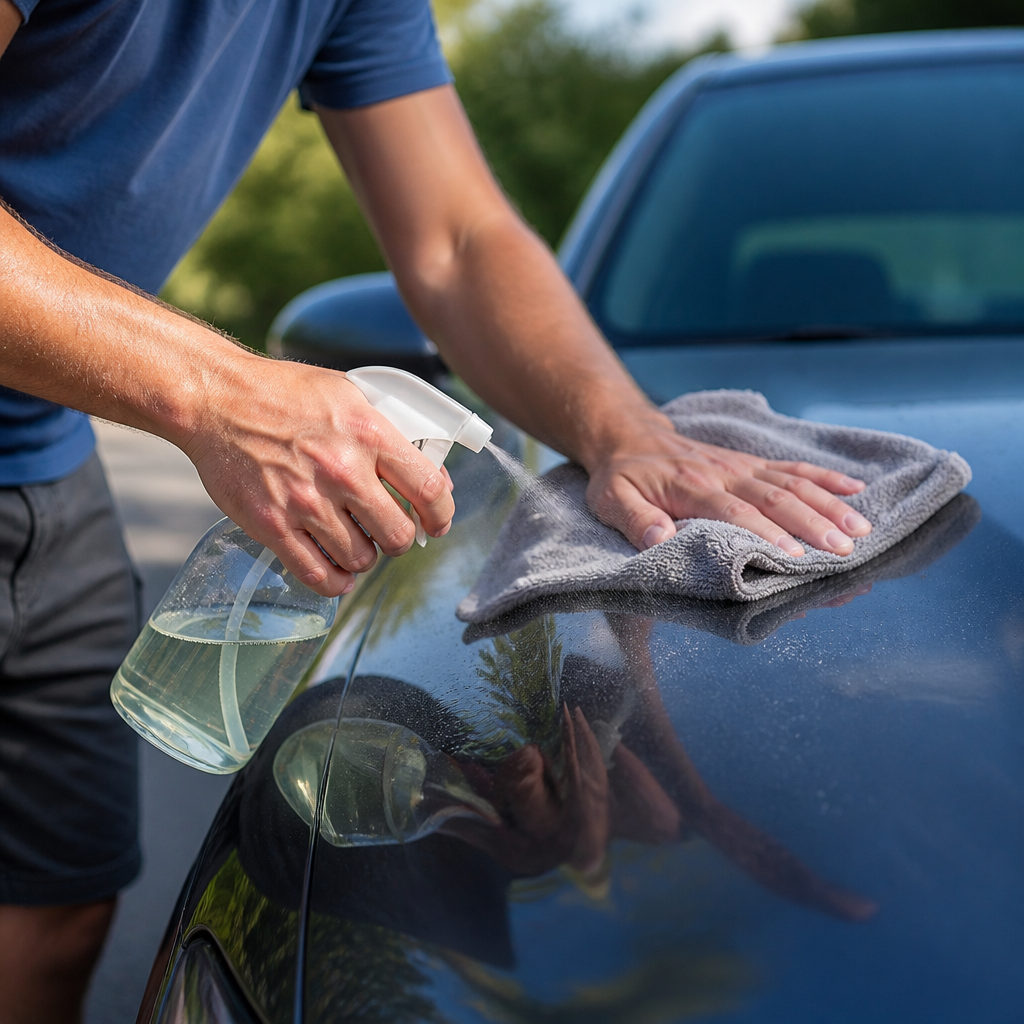
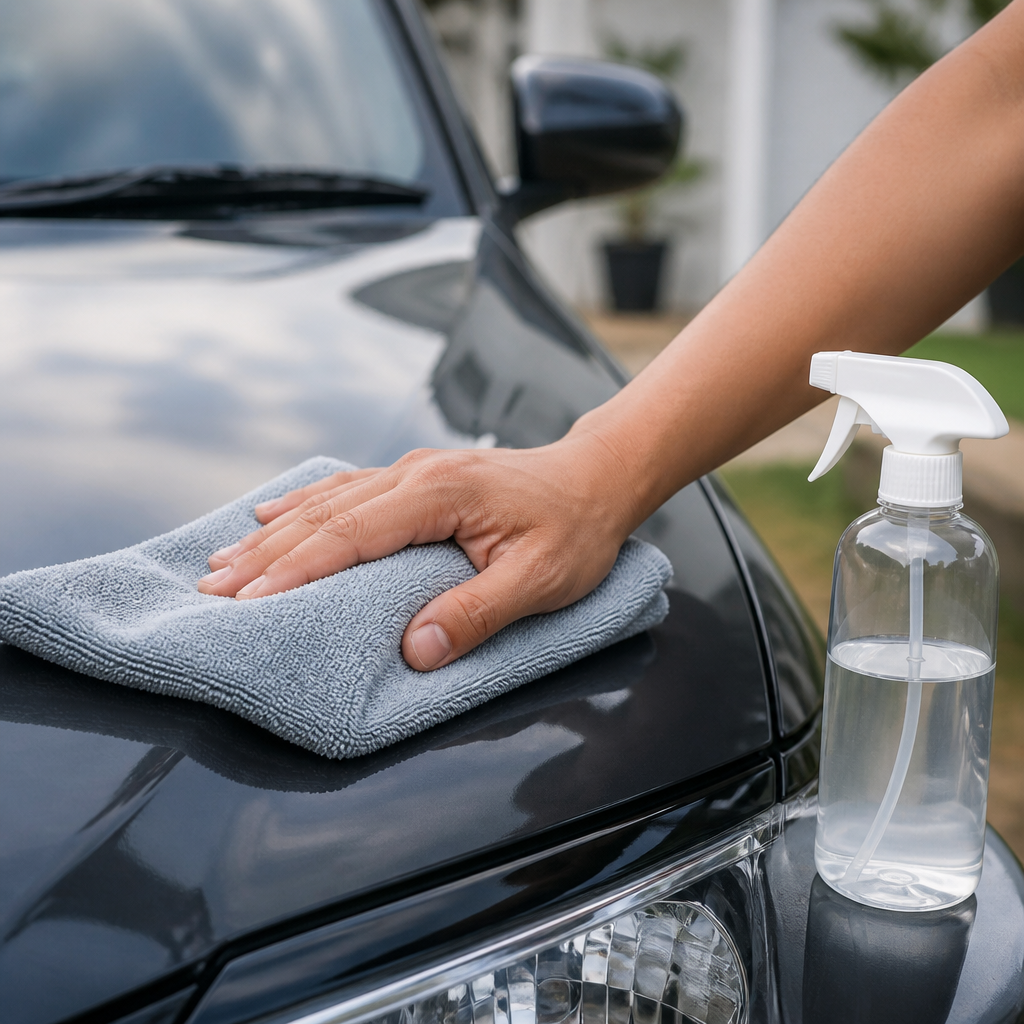
- Prepare the Vinegar Solution: In a clean spray bottle, mix one part white distilled vinegar with ten parts distilled water. Using distilled water prevents leaving new mineral deposits from tap water.
- Apply to Affected Area: Working in small sections (no larger than 2×2 feet), spray the diluted solution onto the affected area or apply it with a soft microfiber cloth.
- Gently Agitate and Limit Dwell Time: Use a clean microfiber cloth to gently agitate the solution. _Crucially, never allow the solution to dry on the surface._ Keep contact time under 60 seconds.
- Rinse Immediately and Thoroughly: As soon as the short dwell time is complete, rinse the section thoroughly with clean water, ensuring all traces of the vinegar are removed.
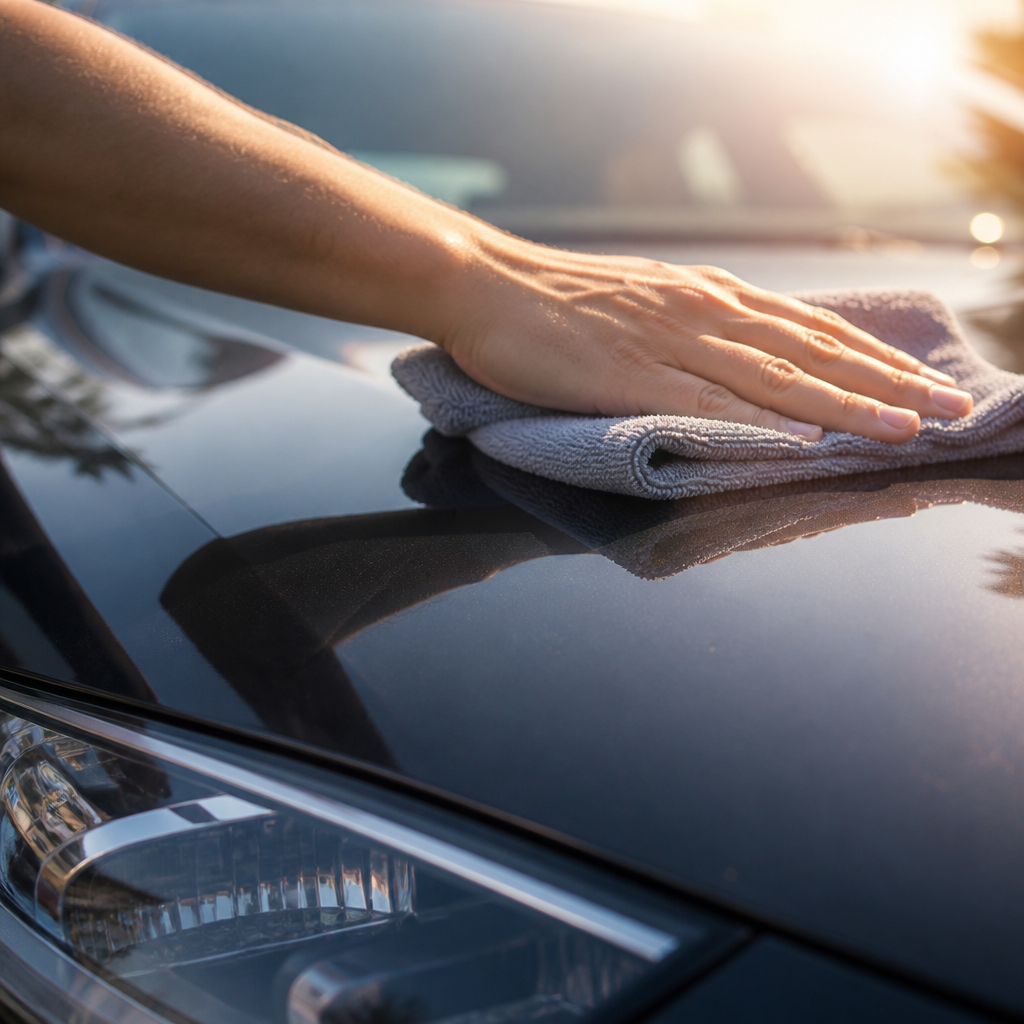
- Dry the Section: Gently pat the area dry with a clean, soft microfiber towel.
- Neutralize with a pH-Neutral Wash: After treating all sections, wash the entire car again with a pH-neutral car wash soap to restore the paint’s pH balance.
- Reapply Protection: Since vinegar strips protection, apply a fresh layer of wax or sealant to restore the paint’s defense against environmental elements.
Alternatives to Vinegar for Cleaning Car Paint
Given the potential risks, many car owners and detailers opt for specialized automotive cleaning products formulated to be safer and more effective for maintaining a vehicle’s finish.
Vinegar vs car wash soap on paint
Comparing vinegar and dedicated car wash soap highlights why professional-grade products are the superior choice. Car wash soap is specifically formulated with pH-balanced surfactants, typically with a pH range of 6-8, to clean automotive paint effectively without stripping protective layers or damaging the clear coat. In contrast, vinegar’s pH of 2.4-3.4 is significantly more acidic.
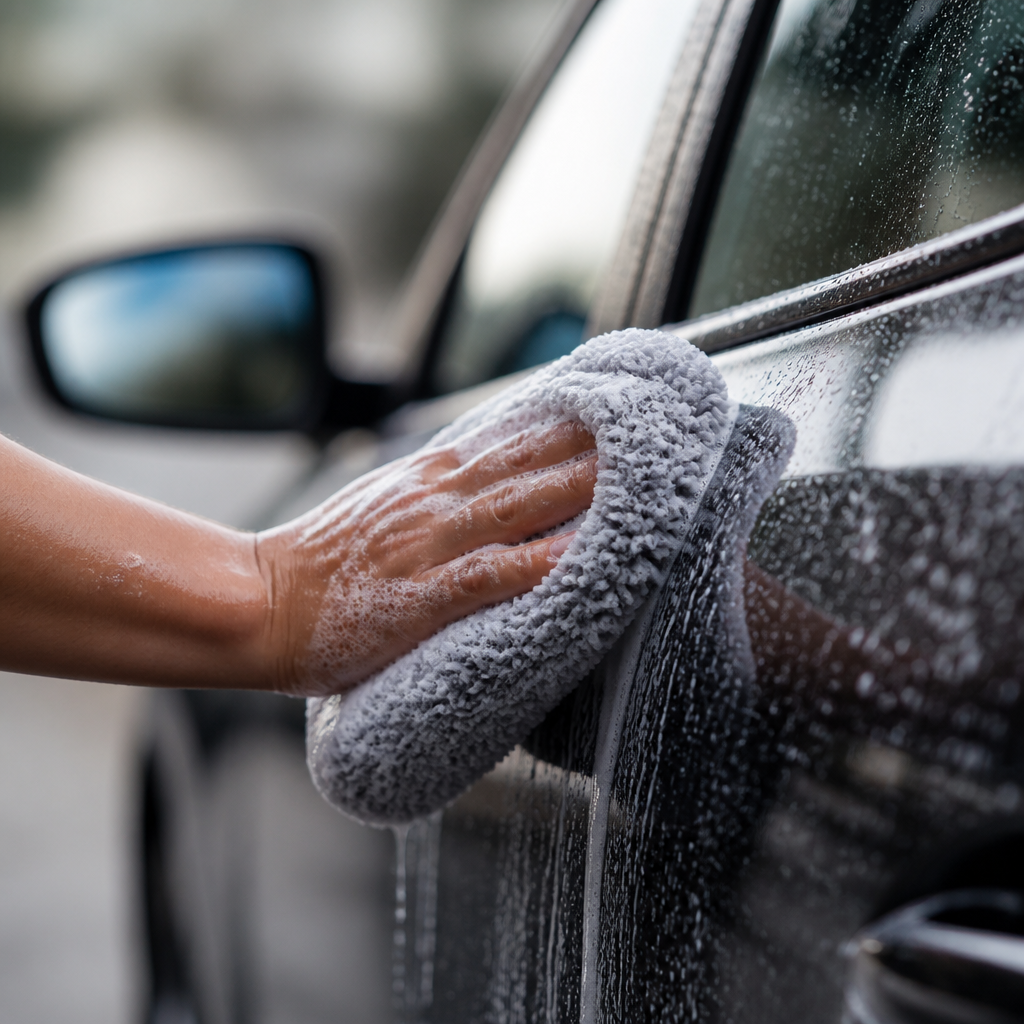
Car wash soaps also contain lubricating agents that create a slick barrier between the wash mitt and the paint, reducing the risk of scratching. Vinegar provides no such lubrication. While vinegar strips waxes and sealants, car wash soaps are designed to preserve them, making routine maintenance simpler and more effective. Professional detailing standards consistently recommend pH-neutral cleaners for regular maintenance, _reserving acidic products only for targeted decontamination tasks when absolutely necessary and with extreme caution_.
Best safe cleaners for car paint instead of vinegar
For car owners seeking effective and safe alternatives to vinegar, the market offers specialized products designed for various cleaning needs. Investing in a few key specialized products rather than experimenting with household items is the best way to ensure your car’s paint stays looking fantastic for years to come.
- pH-Neutral Car Wash Shampoos: These are the cornerstone of safe car care. They provide rich suds and lubrication to lift dirt safely without stripping protection.
- Iron Remover/Decontamination Sprays: These products chemically dissolve metallic fallout from brake dust or pollution without harming the clear coat.
- Waterless Wash Products: For quick touch-ups or when water access is limited, these products offer a safe cleaning solution with built-in lubrication.
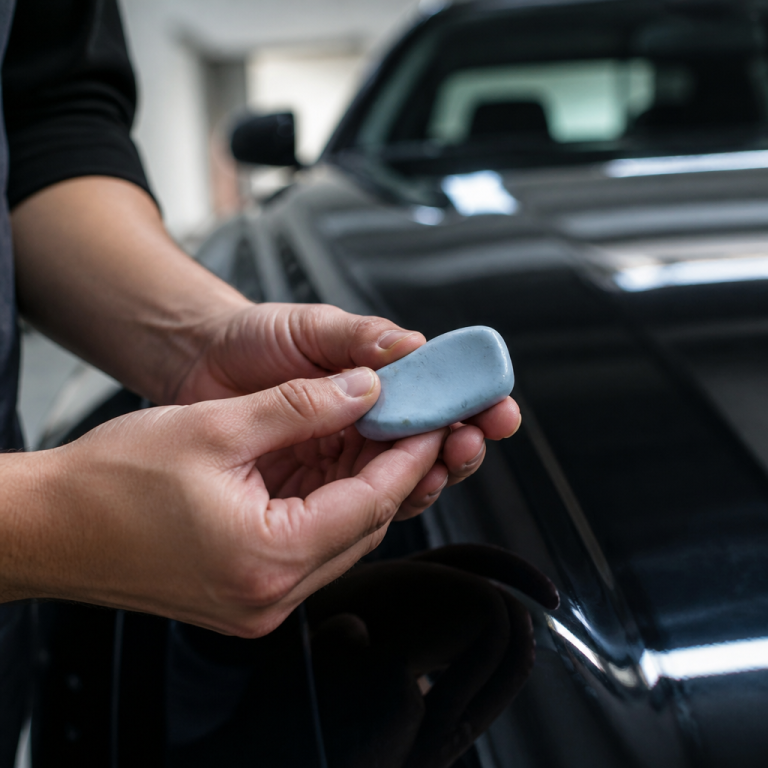
- Clay Bar Treatment: A clay bar, used with a dedicated lubricant, is a safe mechanical method for removing bonded contaminants like overspray or heavy tree sap.
- Dedicated Water Spot Removers: These are formulated with mild, buffered acids that safely dissolve mineral deposits from hard water spots without the harshness of vinegar.
Todd Cooperider, a chemical engineer and founder of Esoteric Auto Detail, emphasizes that “modern car care chemistry has evolved to provide targeted solutions for every cleaning need at safe pH levels. There’s simply no reason to risk your paint with household acids when professional-grade, pH-balanced products are affordable and widely available.”
This expert perspective reinforces that dedicated automotive products offer superior safety, effectiveness, and peace of mind.
FAQ
Q1: Is it safe to use undiluted vinegar on car paint?
A1: No, it is not safe. Undiluted vinegar is an acid that can etch the clear coat, cause discoloration, and strip protective layers.
Q2: What are the main risks of using vinegar on car paint?
A2: The main risks include etching the clear coat, causing hazing or dullness, stripping wax and sealants, and potentially damaging rubber or plastic trim. The risk is higher on matte finishes and cars with existing paint damage.
Q3: How should vinegar be diluted for use on car paint, if at all?
A3: If you must use vinegar, it should be heavily diluted at a 1:10 ratio (one part white distilled vinegar to ten parts distilled water) to reduce its acidity.
Q4: What are some safer alternatives to vinegar for cleaning car paint?
A4: Safer alternatives include pH-neutral car wash shampoos, dedicated water spot removers, iron decontamination sprays, waterless wash products, and clay bar treatments.
Q5: Why is it important to reapply wax or sealant after using vinegar on car paint?
A5: Vinegar strips away protective layers like wax and sealant. Reapplying these products is essential to restore the paint’s defense against UV radiation, oxidation, and environmental contaminants.

Jake Morrison writes about DIY car care at CarCareNote. He’s been detailing cars in his Ohio driveway for over a decade and shares what actually works at home.