Car wax vs ceramic coating: 7 Key Differences and Winner
I still remember those Saturday mornings spent in my dad’s garage, carefully waxing our family’s faded blue sedan. There was a certain satisfaction in seeing the paint gleam, even if it only lasted a few weeks. For years, car wax was my go-to, the traditional hero in the battle against grime and dullness. But as vehicles and technology evolved, so did the world of paint protection. I started hearing whispers about “ceramic coating,” a new contender that promised years of shine and defense. It sounded almost too good to be true, and honestly, a bit intimidating. What was this new coating, and could it really replace the familiar ritual of waxing?
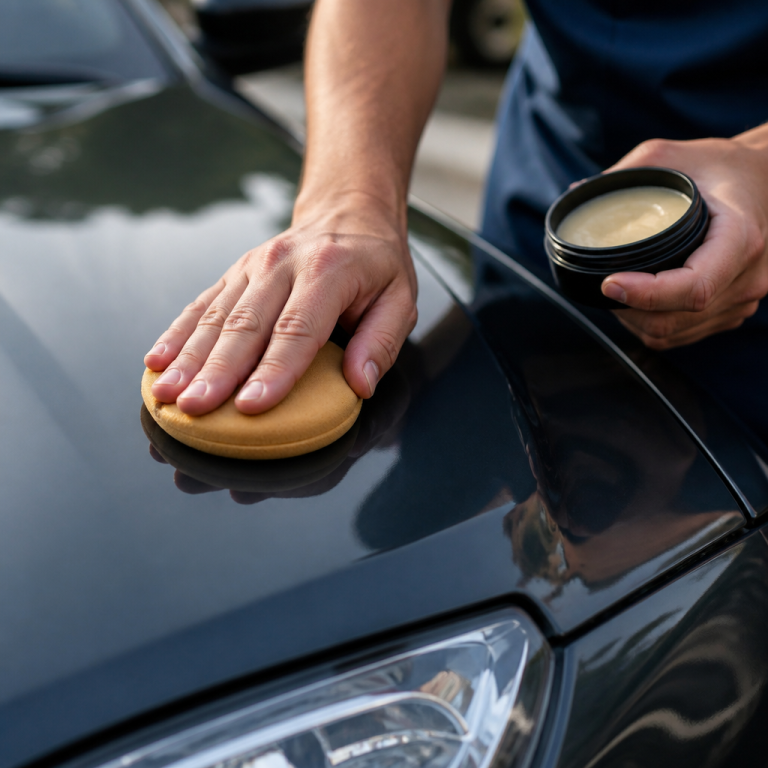
Car wax, a traditional choice many of us grew up with, is typically made from natural products like carnauba wax or synthetic polymers. Think of it like a thin, invisible raincoat for your car. It sits on top of the paint, giving it a deeper shine and a temporary shield. This layer usually lasts about one to three months before it starts to wear off, meaning you’ll need to reapply it fairly often to keep that protection going. It’s a familiar and easy option, known for making your car look instantly better.
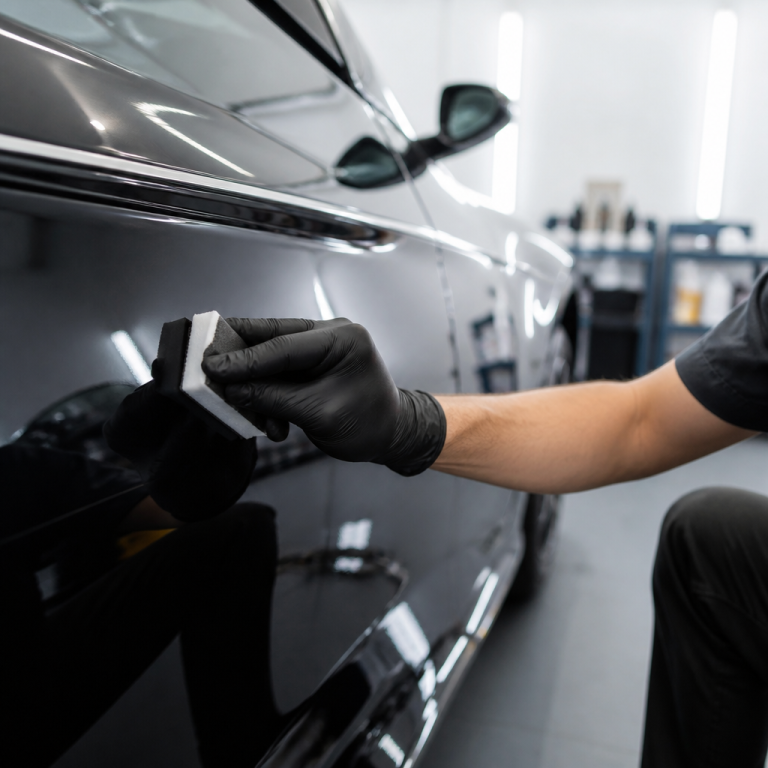
In contrast, ceramic coating represents a much more advanced approach to protecting your paint. It’s a liquid polymer, often containing tiny particles of silicon dioxide (SiO2) or titanium dioxide (TiO2). These materials make it incredibly hard and durable. Instead of just sitting on the surface, this liquid bonds with your car’s factory paint at a molecular level. Imagine it fusing with the top layer of your car’s clear coat. This creates a semi-permanent, super-tough protective layer designed for much longer-term defense, typically lasting anywhere from two to seven years, depending on the product’s quality and how well you maintain it. When I first saw how ceramic coatings performed, I was impressed by how water just glided off the surface. This growing preference for long-term solutions is clear in the market; the global automotive ceramic coating market was valued at $1.12 billion in 2023 and is projected to reach $3.99 billion by 2030. This trend highlights a significant shift towards more durable and advanced paint protection. According to Larry Kosilla, founder of AMMO NYC, ceramic coatings signify “a paradigm shift in paint protection because they form a covalent bond with the clear coat at the molecular level, whereas wax simply sits on top of the paint surface.” This fundamental difference is key to understanding their varying benefits.
Key Differences Between Car Wax and Ceramic Coating
When considering paint protection for your vehicle, digging into the specific differences between car wax and ceramic coating is essential. These distinctions cover several critical areas, from how much protection they offer to how long they last, what they cost, and how easy they are to apply. Each factor plays a significant role in helping you decide which option might be the most suitable for your car and your expectations. Understanding these core differences can help demystify the choices available and guide you toward a decision that provides the best balance of performance, longevity, and value.
Car Wax vs. Ceramic Coating Protection Level
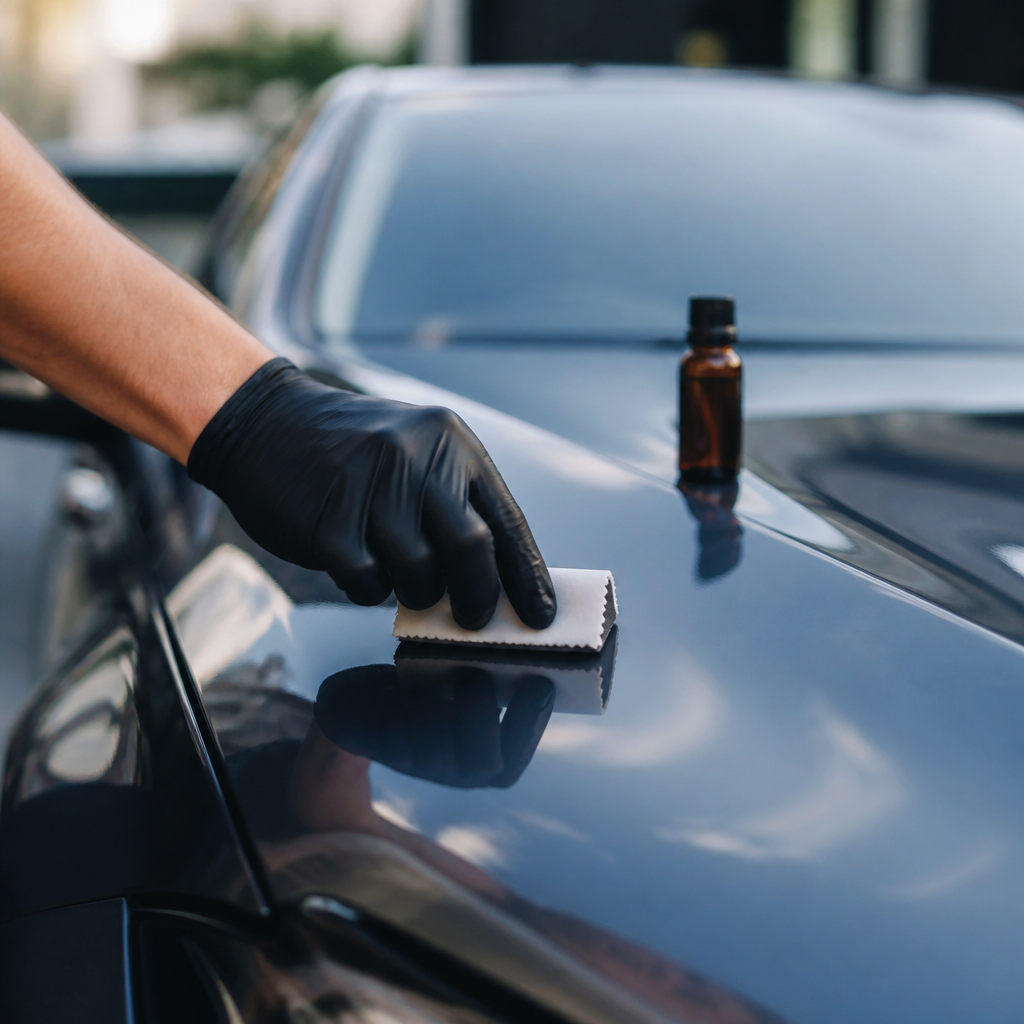
The “protection level” refers to how much a product can defend your car against various threats like dirt, UV rays, chemical stains, tiny scratches, and water etching. This is where ceramic coatings often show a big advantage over traditional car waxes.
Ceramic coatings are famous for their excellent ability to resist light scratches and swirl marks. This is largely because they’re incredibly hard, typically achieving a “9H hardness” on the pencil hardness scale, which makes them very resistant to being scratched. This makes them much tougher against everyday bumps and scrapes compared to car wax, which offers only minimal scratch resistance.
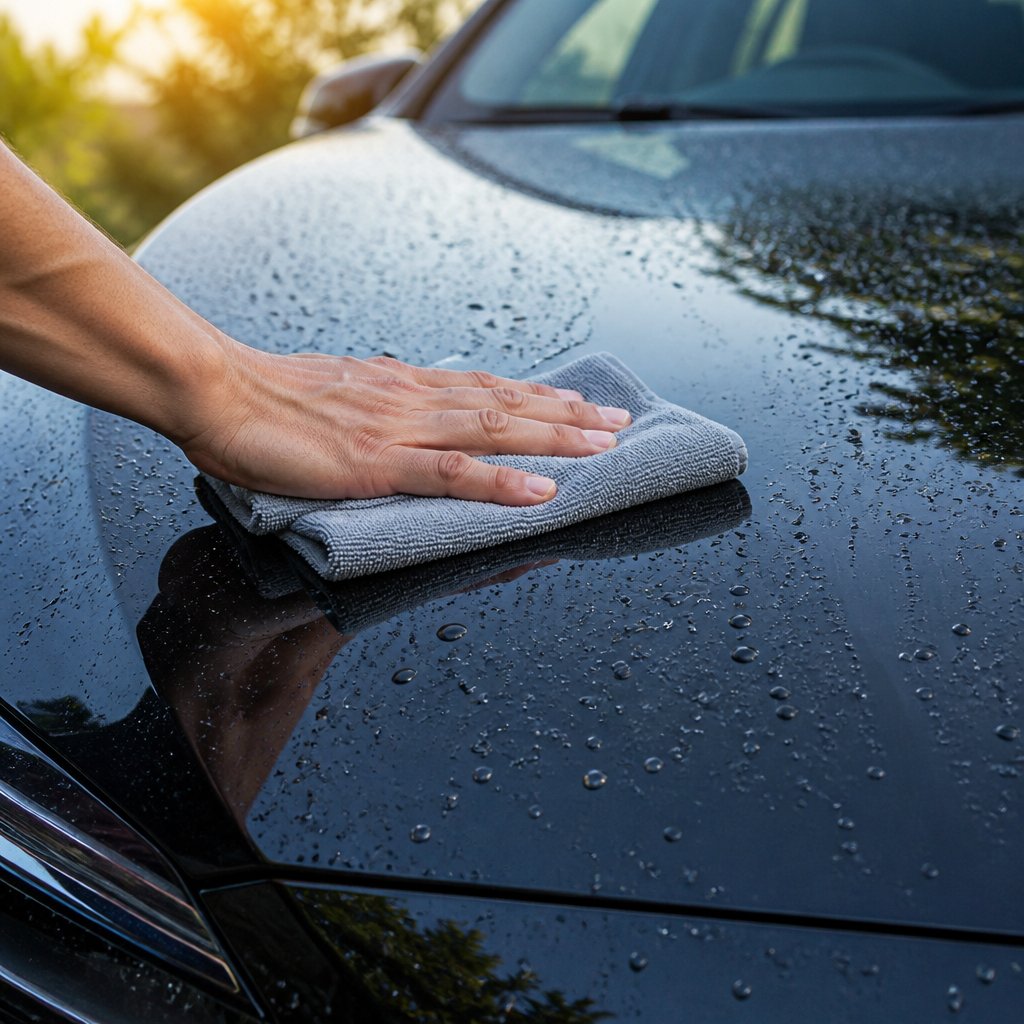
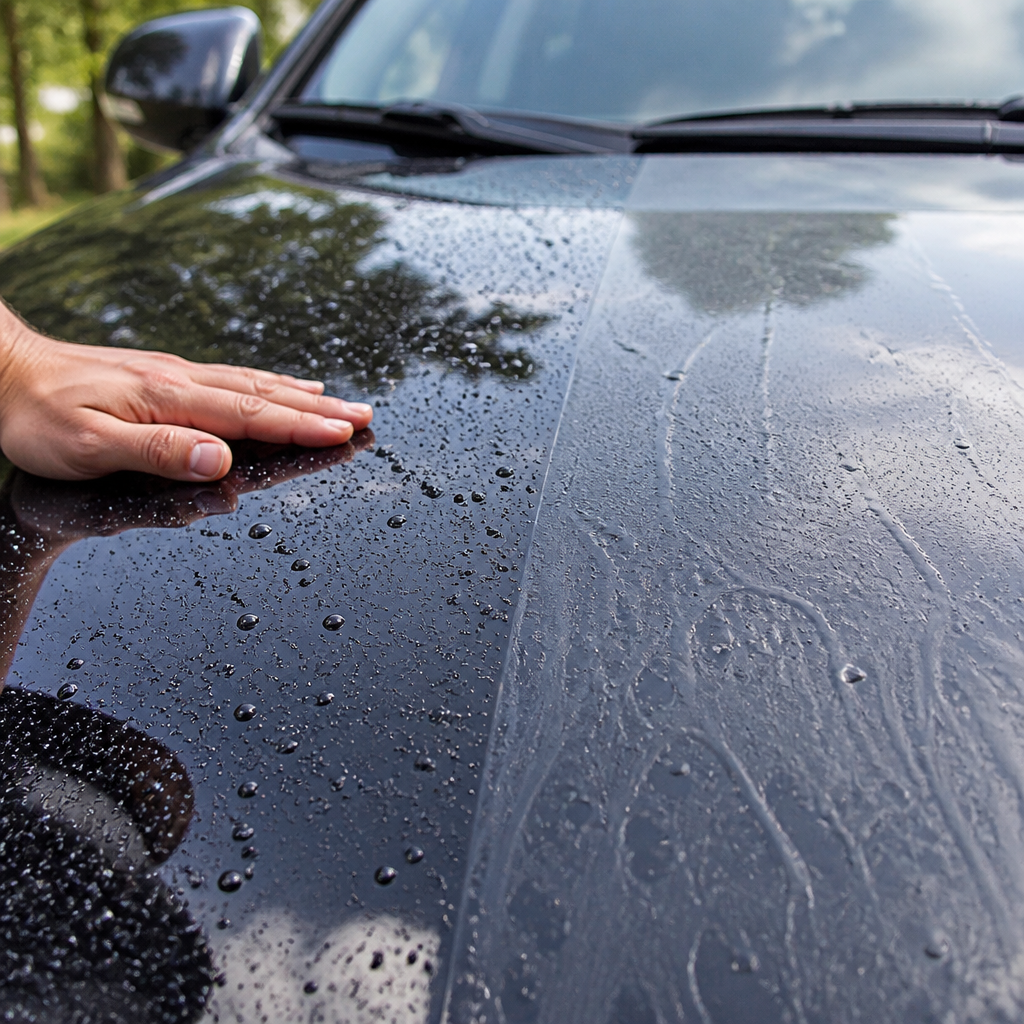
Another crucial aspect of protection is “hydrophobicity,” which is how well a surface repels water. Ceramic coatings create an exceptionally hydrophobic surface. This means water beads up tightly and slides right off the car much more effectively than with wax, significantly reducing the chance of water spots forming. This not only keeps the car cleaner for longer but also makes washing and drying much easier.
Beyond physical and water-related protection, ceramic coatings also offer advanced defense against harmful UV radiation. A 2022 study showed that ceramic coatings reduced UV-induced paint oxidation by an impressive 94% over a year, while carnauba wax applications achieved only a 45% reduction over the same time. Chemical resistance is another area where ceramic coatings excel. They provide excellent protection against acidic contaminants like bird droppings and bug splatter, which can eat into your paint. Ceramic coatings can prevent this etching for up to 24-48 hours, giving you a critical window to clean them off. Wax, however, typically only offers protection for 6-12 hours before potential paint damage can occur.
Dr. Joe Palumbo, a materials scientist at the International Detailing Association, explains the science: “The cross-linked siloxane network in ceramic coatings creates a barrier that is chemically inert to most environmental contaminants, providing protection that is orders of magnitude superior to the mechanical barrier created by wax.”
In summary, while car wax provides a basic, temporary barrier, ceramic coatings offer a multi-faceted, significantly more robust, and chemically resilient layer of protection against a wider array of environmental threats. This extended resistance is especially helpful for cars often left outside.
Car Wax vs. Ceramic Coating Durability
“Durability” refers to how long a protective layer can keep doing its job effectively with normal exposure to weather and regular car washes. This is arguably one of the biggest differences between car wax and ceramic coatings.
Traditional car wax typically lasts for a relatively short time, usually from 4 to 12 weeks. This means you need to reapply wax often, usually 4-6 times a year, to keep your car protected. In stark contrast, ceramic coatings are built to last a long time, anywhere from two to seven years with proper care. Professional-grade ceramic coatings, in particular, often provide about five years of strong protection.
The ability to withstand repeated washing cycles is another key sign of durability. Ceramic coatings are designed to go through many more washes before they start to break down. Their strong chemical bond with the paint surface allows them to resist the abrasive effects of washing much better than wax, which degrades noticeably after just a few washes.
Scientific evidence further supports this. A 2023 study by the Society of Automotive Engineers (SAE) showed that ceramic coatings kept 85% of their initial water-beading ability even after 24 months of outdoor exposure. Carnauba wax, on the other hand, kept only 15% of its initial ability after a mere 8 weeks. Extreme temperatures also play a critical role. Carnauba wax can melt at temperatures above 180°F (82°C), which can be reached on dark cars in the summer sun. Ceramic coatings, however, remain stable up to 1,400°F (760°C), ensuring they maintain their strength even in the hottest climates. This distinction highlights why ceramic coatings offer a significantly more durable and long-lasting solution for paint protection.
Car Wax vs. Ceramic Coating Cost
When looking at car wax and ceramic coating, the financial aspect is a big deal for many car owners. Cost includes the initial product price, application expenses, and long-term maintenance. While car wax often has a lower upfront price, ceramic coatings can be a more cost-effective solution in the long run.
A big chunk of the cost for professional ceramic coating installation comes from the intense preparation process, which can take 8-24 hours of work. Extensive paint correction—like removing scratches and swirl marks—often makes up 60-70% of the total expense. This careful preparation is vital for the ceramic coating to bond correctly and work its best. In contrast, applying wax usually takes only 1-2 hours and doesn’t need much prep beyond a wash.
| Feature | Car Wax | Ceramic Coating (Professional) |
|---|---|---|
| Initial Cost | $15 – $80 (Product) | $500 – $2,500 (Installed) |
| Annual Cost | $60 – $320 (Products) | $100 – $500 (Maintenance) |
| 5-Year Total Cost | $300 – $1,600 | $900 – $5,000 (Incl. Install & Maint.) |
| Labor Time | 1-2 Hours (per application) | 8-24 Hours (initial application) |
Todd Cooperider, owner of Esoteric Auto Detail, offers an expert perspective on the return on investment (ROI): “The upfront cost of ceramic coating is higher, but when you factor in the reduced maintenance time, fewer wash-related scratches, and elimination of repeated wax purchases, most clients see a return on investment within 2-3 years.”
This highlights that the long-term savings in time and effort, coupled with the enhanced protection, can offset the initial investment.
Car Wax vs. Ceramic Coating Ease of Application
The “ease of application” is a crucial factor for those who prefer to take care of their vehicles themselves. This aspect covers the skill needed, time involved, and room for error. Here, car wax and ceramic coatings offer dramatically different experiences.
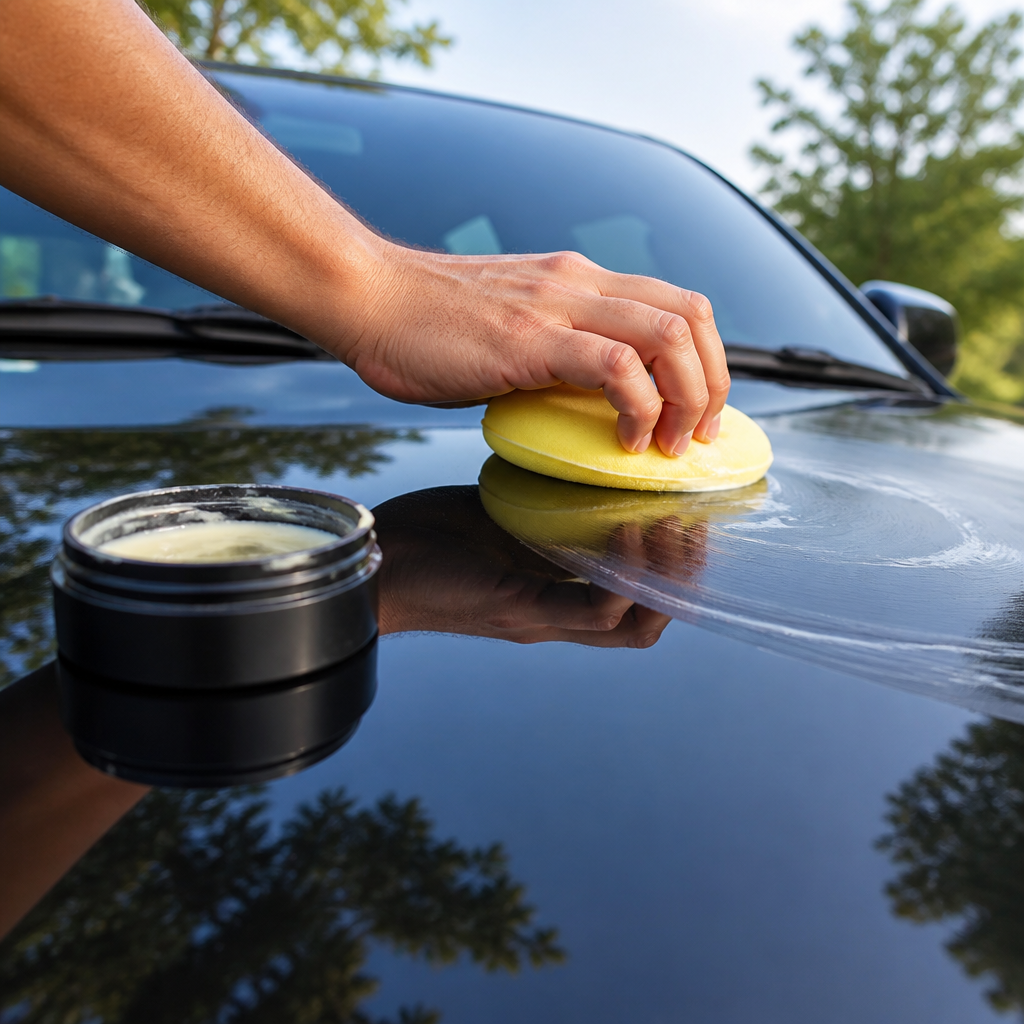
Applying car wax is generally considered easy and straightforward. It requires a clean surface, and the process can be done in about 30-60 minutes. The chance of making mistakes is very low, and if you do, it’s easily fixed by simply removing the wax and reapplying.
In stark contrast, applying a ceramic coating demands a much higher skill level and a significant time investment. The process is meticulous:
- Thorough Wash: The vehicle must be perfectly clean.
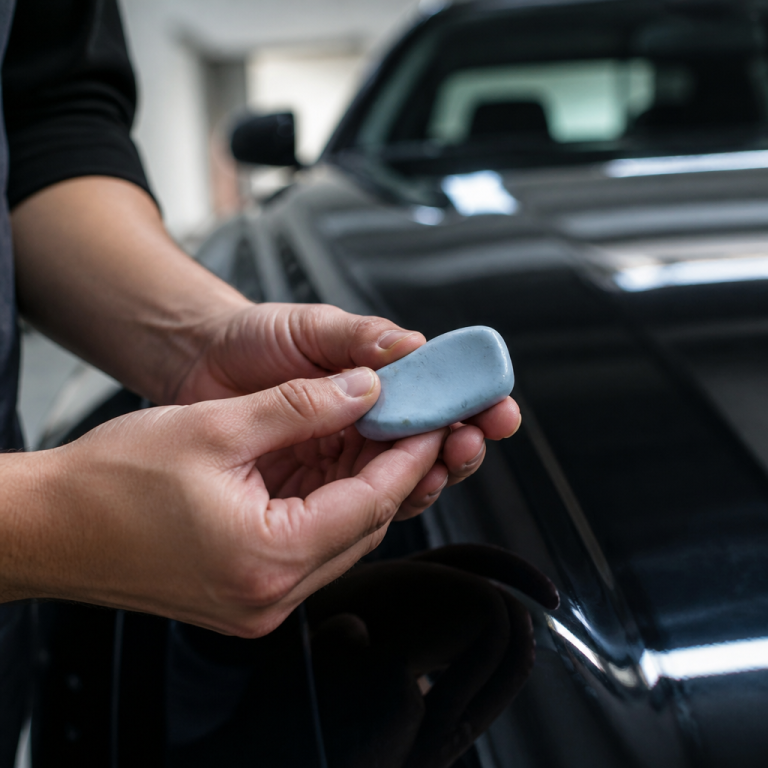
- Decontamination: A clay bar is used to remove tiny embedded particles from the paint.
- Paint Correction: Special polishes are used to remove imperfections like scratches and swirl marks. This is the most time-consuming step.
- Surface Prep: A final wipe-down with isopropyl alcohol ensures the surface is free of oils.
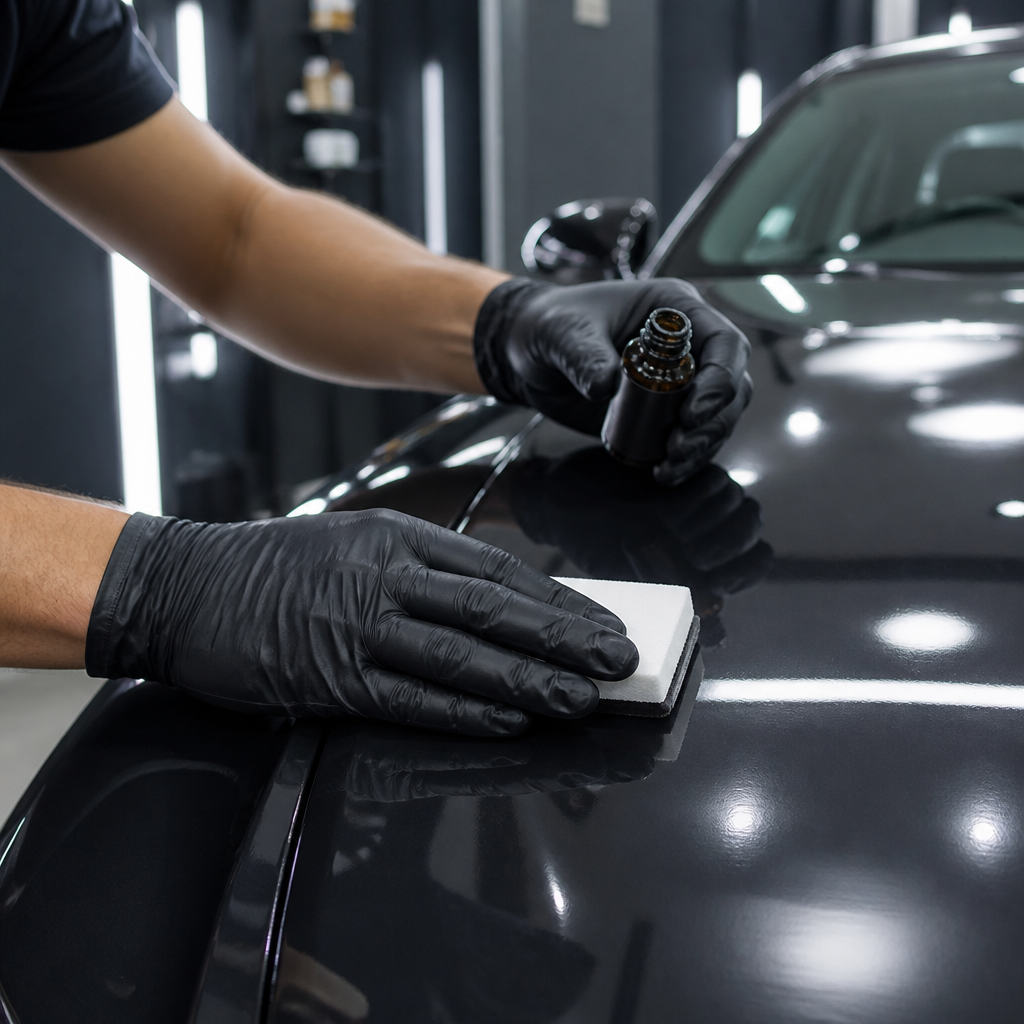
- Coating Application: The coating is applied to small sections at a time with a very limited working window of 1-5 minutes before it begins to cure.
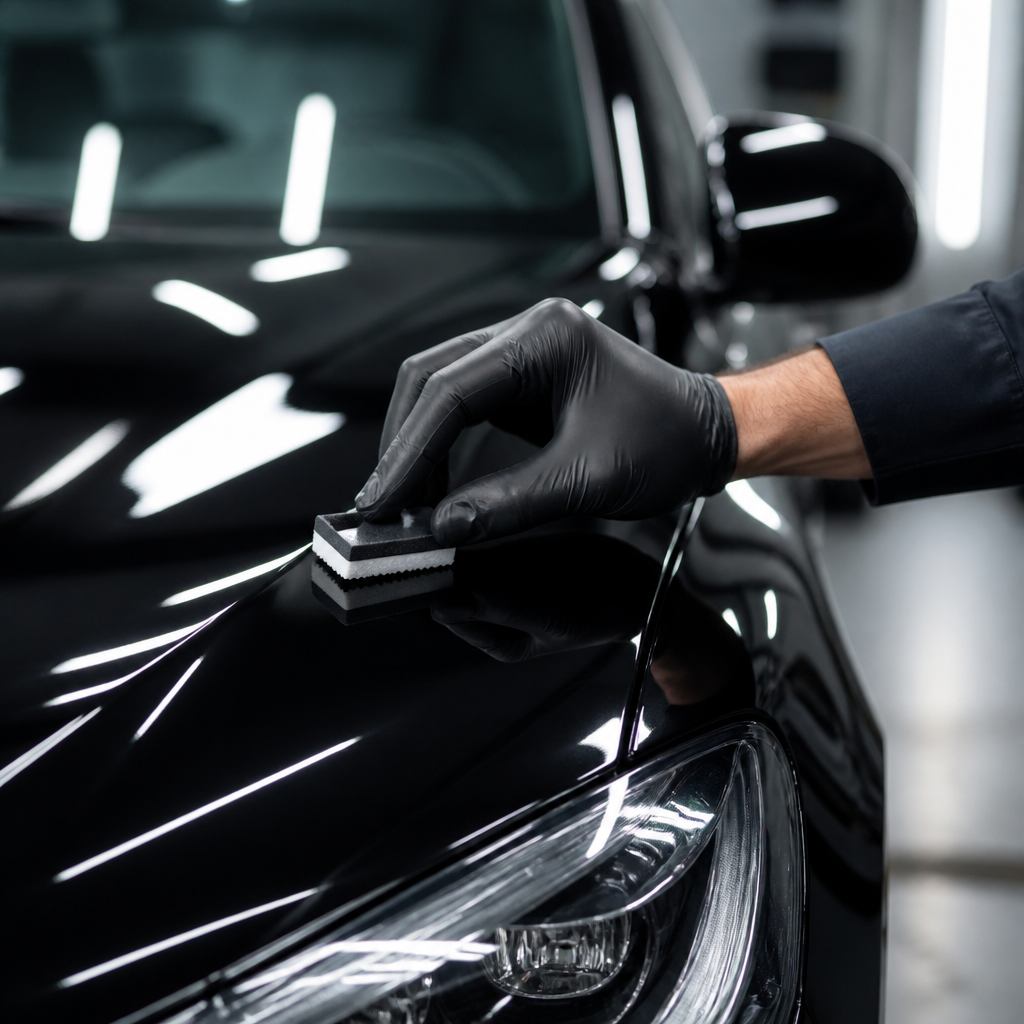
Environmental conditions are also critical; ceramic coatings must be applied indoors in a controlled environment, out of direct sunlight. Application errors are far less forgiving than with wax. Mistakes can result in “high spots” (uneven dark smudges), streaking, or uneven coverage. _Fixing these errors often requires abrasive methods like paint correction or even professional removal, which can be both costly and time-consuming._
How Do You Choose the Right Option for Your Needs?
Deciding between car wax and ceramic coating ultimately comes down to a careful consideration of your specific needs, lifestyle, and priorities. Both options offer distinct advantages, making one more suitable than the other depending on the context. Factors such as how you use your vehicle, your budget, your willingness to engage in regular maintenance, and your aesthetic preferences all play a crucial role in this decision.
Car Wax vs. Ceramic Coating for Daily Drivers
“Daily drivers” are vehicles used regularly for commuting and everyday transportation, exposing them to a wide range of contaminants, weather conditions, and frequent washing. For such vehicles, the benefits of ceramic coating often outweigh those of traditional car wax.
One of the most significant advantages for daily drivers is the substantial reduction in wash time. Thanks to their “self-cleaning properties,” ceramic-coated vehicles stay cleaner for longer, requiring less frequent and intensive washing. Daily drivers are also constantly exposed to chemical contaminants like bird droppings and bug splatter. Ceramic coatings provide robust chemical resistance, preventing permanent etching for 24-48 hours, while wax offers protection for only 6-12 hours.
Beyond protection and convenience, ceramic coatings can also contribute to a vehicle’s long-term value. Insurance data from automotive appearance protection companies indicates that ceramic-coated daily drivers may maintain 5-10% higher resale values compared to wax-maintained vehicles after 3-5 years of ownership. Furthermore, for daily drivers in harsh climates with road salt, intense sun, or heavy rain, ceramic coatings offer consistent, year-round protection without the need for seasonal reapplication. The “set it and forget it” nature provides peace of mind and consistent protection, making them an ideal choice for the demands of a daily driver.
Which is Better: Car Wax or Ceramic Coating?
The question of which product is “better” does not have a single answer. The optimal choice depends on specific use cases, individual preferences, and the priorities of the vehicle owner.
Car wax may be considered superior for car enthusiasts who genuinely enjoy the hands-on ritual of detailing their vehicle. It’s also a more suitable option for those with limited budgets. Moreover, for owners of classic or show cars, traditional carnauba wax is often preferred for its ability to provide a warmer, more natural depth of shine. _For these owners, the process is as important as the result._
On the other hand, ceramic coating is generally superior for long-term protection and time savings, making it an excellent choice for daily drivers and owners who prioritize convenience. Larry Kosilla of AMMO NYC offers a nuanced perspective: “Neither is universally ‘better’—wax is better for the hobbyist who enjoys the ritual…while ceramic coating is better for the pragmatist who wants maximum protection with minimal ongoing effort.”
An increasingly popular approach is to adopt hybrid protection systems, applying a ceramic coating as a base layer and using spray wax or ceramic boost sprays for enhanced gloss. Ultimately, to discover the best solution, you must weigh these factors. The best choice ultimately aligns with your personal commitment to car care, your budget, and the specific demands placed on your vehicle.
FAQ
Q1: What is the main difference in how car wax and ceramic coating protect a vehicle’s paint?
A1: Car wax creates a sacrificial layer that sits on top of the paint, offering temporary protection and enhancing shine. Ceramic coating, conversely, is a liquid polymer that chemically bonds with the vehicle’s factory paint, forming a semi-permanent protective layer that integrates with the clear coat at a molecular level.
Q2: How long can I expect car wax and ceramic coating to last?
A2: Car wax typically lasts 1-3 months, requiring reapplication 4-6 times per year. Ceramic coatings offer significantly longer durability, lasting 2-7 years with proper maintenance, with professional-grade coatings often averaging 5 years of protection.
Q3: Is ceramic coating truly more scratch resistant than car wax?
A3: Yes, ceramic coatings provide superior resistance to light scratches and swirl marks, often achieving a 9H hardness rating on the pencil hardness scale. Car wax offers minimal scratch resistance, primarily serving as a temporary barrier that can easily be scratched through.
Q4: What are the cost implications of choosing ceramic coating over car wax in the long term?
A4: While the upfront cost of professional ceramic coating ($500-$2,500) is higher than car wax ($15-$80 per application), it can be more cost-effective over a 5-year period due to its extended durability and reduced maintenance needs, potentially leading to a return on investment within 2-3 years.
Q5: Can I apply a ceramic coating myself, or is professional installation recommended?
A5: While DIY ceramic coating kits are available ($50-$150), professional installation is often recommended. The application requires extensive paint preparation, a controlled environment, and precise technique. Application errors can be costly and difficult to correct, unlike with car wax, which is much more forgiving.

Jake Morrison writes about DIY car care at CarCareNote. He’s been detailing cars in his Ohio driveway for over a decade and shares what actually works at home.