Can You Ceramic Coat Your Own Car: 9 Safe Steps at Home
Many car enthusiasts dream of giving their vehicle that professional-level shine and ultimate protection without breaking the bank. The exciting news is, absolutely, you can ceramic coat your own car! Discover how you can achieve impressive results right at home.
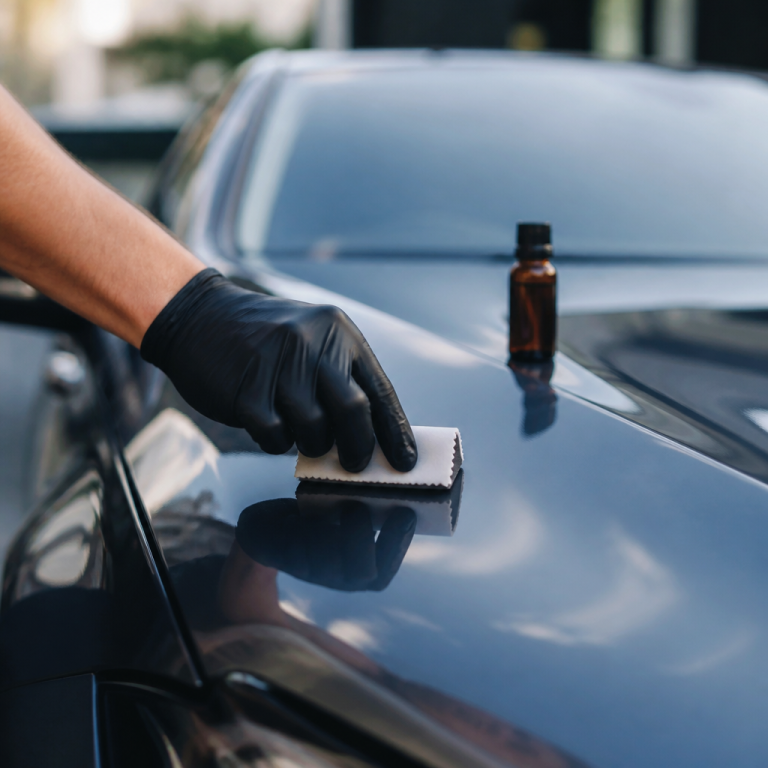
A ceramic coating acts like an invisible shield for your car's paint. It's a liquid you apply by hand that chemically bonds to your car's factory paint, creating a highly protective hydrophobic layer. This layer repels water, dirt, and other grime while making your paint look very glossy and protecting it from the sun's harsh UV rays. While professional applications often involve advanced techniques and special tools, today's DIY kits have become much easier to use, empowering everyday car owners to protect their rides themselves.
DIY Ceramic Coating Basics and Costs
DIY Ceramic Coating for Cars
Think of ceramic coatings as a very tough, transparent layer, much harder and more durable than everyday car waxes or sealants. They're mostly made of silicon dioxide (SiO2), essentially quartz or glass particles. Most DIY products contain about 70-90% SiO2, while professional versions can exceed 93% for enhanced durability. This chemical bonding process creates a semi-permanent layer that scores a 9H on the pencil hardness scale. This hardness offers a good shield against minor scrapes and scratches, but it's crucial to understand that ceramic coatings won't prevent rock chips or deep scratches.
Applying a DIY ceramic coating is a detailed, step-by-step process. It begins with a thorough wash, followed by a clay bar treatment to remove bonded contaminants. Next comes paint correction, which polishes away swirl marks and light scratches. After that, an isopropyl alcohol wipe-down prepares the surface for the coating. The coating itself is then applied carefully in small sections, and finally, it needs to cure for 12-24 hours before it can get wet.
According to automotive detailing specialist Scott HD, the key difference between DIY and professional ceramic coatings lies in the chemical formulation and curing process. While professional coatings often require infrared curing and contain more advanced polymers, a well-applied DIY coating can still provide 80-85% of the protection at a fraction of the cost. Scientific research supports this, showing SiO2-based coatings create a water contact angle of 110-115 degrees, resulting in superior hydrophobic properties and self-cleaning effects.
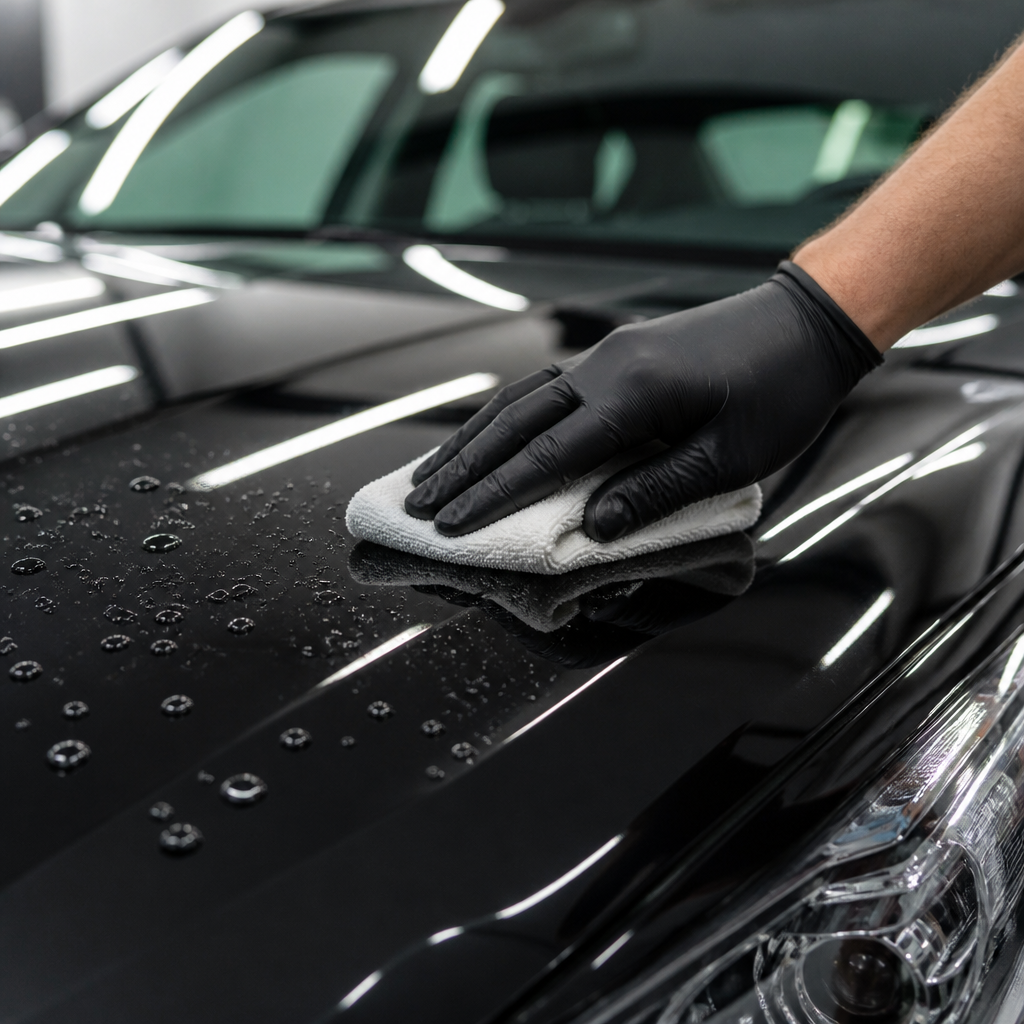
Ceramic Coating Your Own Car Cost
The potential for significant savings is a major draw for DIY ceramic coating. Costs vary based on product choice, but DIY kits typically range from $50-$200. This contrasts sharply with professional applications, which can cost $1,000-$3,000 for a sedan. Your total DIY cost will include the coating kit plus essential preparation supplies like a clay bar kit ($15-$30), microfiber towels ($20-$40), and isopropyl alcohol ($10-$15).
Here’s a cost and durability breakdown for different options:
| Level | Example / Cost | Durability |
|---|---|---|
| Entry-Level DIY | Turtle Wax Hybrid Solutions Ceramic Spray Coating ($20-$25) | ~1 Year |
| Mid-Range DIY | CarPro CQuartz UK 3.0 ($65-$85) | ~2 Years |
| Premium DIY | Gtechniq Crystal Serum Light ($80-$120) | 3-5 Years |
| Professional Application | Varies ($1,000-$3,000) | 5-7+ Years |
Beyond money, there's a significant time commitment. A full DIY application can take 8-16 hours, followed by a 24-48 hour curing period. It’s a commitment, but many find the satisfaction of the final result to be worth the effort.
"When calculating DIY ceramic coating costs, most people underestimate the importance of proper paint preparation. Skipping paint correction to save $500 means applying coating over existing scratches and swirls, which the coating will then lock in permanently. The real cost savings come when you already own polishing equipment or have paint in good condition." – Larry Kosilla, Professional Detailer
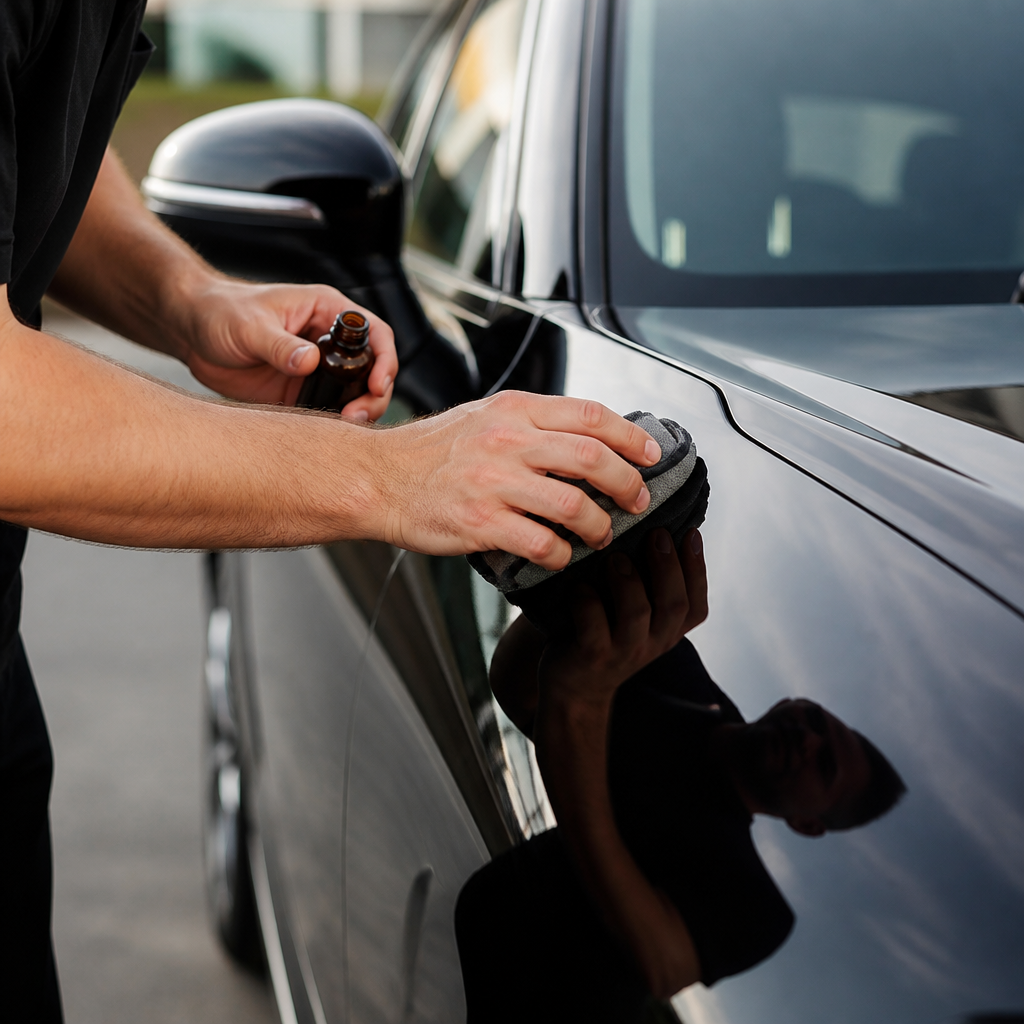
Ceramic Coating Your Own Car Pros and Cons
Deciding to ceramic coat your car yourself involves weighing the advantages and disadvantages.
Pros:
- Cost Savings: Doing it yourself can save 60-75% compared to a professional job, potentially saving you $800 to $2,500.
- Learning Experience: It's a deep dive into paint care and automotive detailing, providing valuable skills for long-term vehicle maintenance.
- Flexibility: You control your own schedule, allowing you to work at your own pace without feeling rushed.
- Product Selection: A wide range of high-quality products from brands like CarPro, Gtechniq, and Gyeon are now available to DIYers.
Cons:
- Skill Requirements: Applying ceramic coating demands precise technique. Mistakes can lead to high spots or streaking that are difficult to fix.
- Paint Correction Necessity: For a professional look, paint correction is almost always needed. Experts estimate 85% of DIY coating failures stem from improper surface prep.
- Environmental Requirements: A successful application requires a controlled, dust-free environment with moderate temperature and humidity.
- No Warranty: Unlike professional applications, DIY ceramic coatings typically lack a manufacturer's warranty.
- Correction Difficulty: _Once the coating hardens, correcting mistakes is extremely tough_, often requiring aggressive polishing that can damage your car's original clear coat.
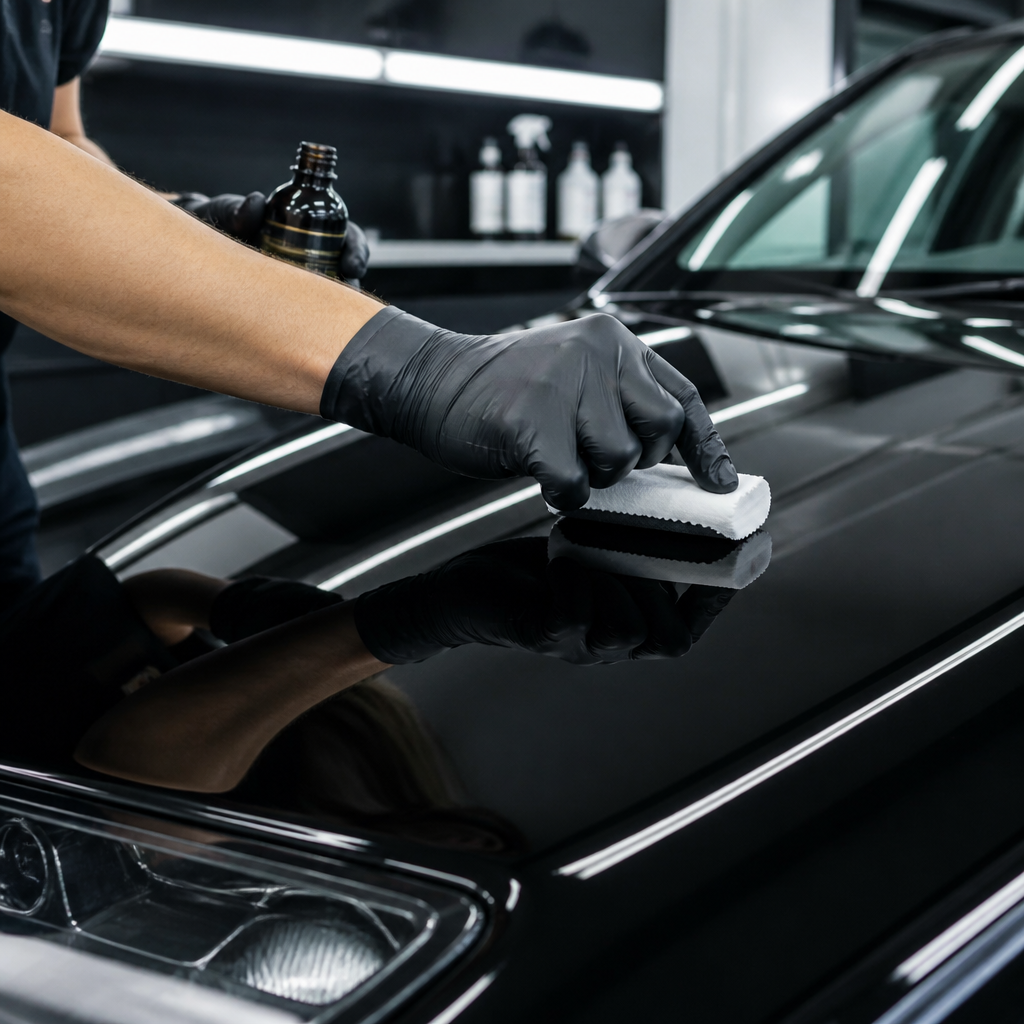
How to Ceramic Coat Your Own Car at Home
Applying a ceramic coating at home is a meticulous but rewarding process. Patience and strict adherence to these steps are crucial.
- Thorough Washing: Begin with a two-bucket wash method using a pH-neutral car shampoo.
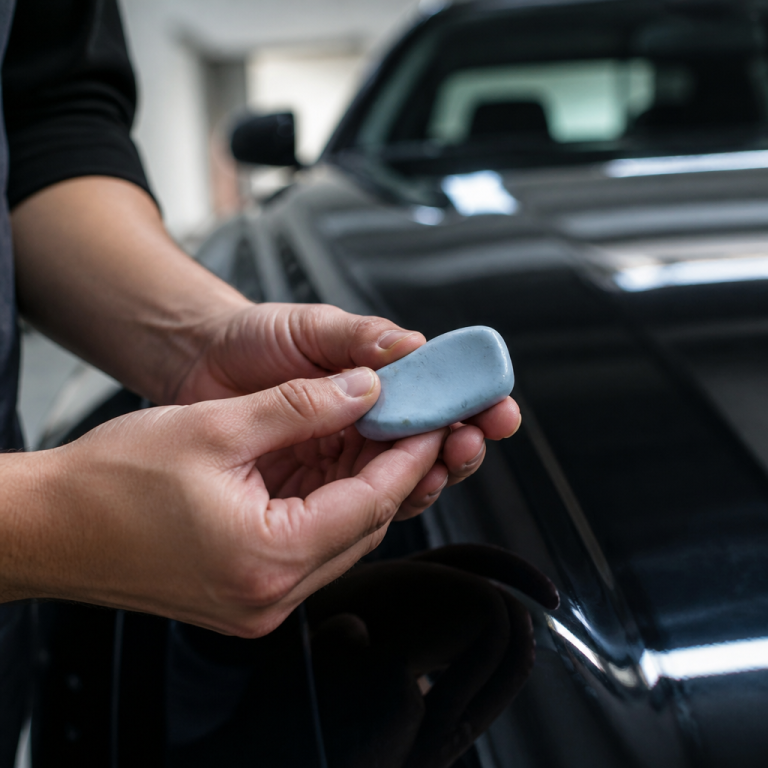
- Decontamination: Use a clay bar or clay mitt with lubricant to remove bonded contaminants like tar and tree sap.
- Paint Correction: Using a dual-action polisher, remove swirls and minor scratches. The ceramic coating will seal in imperfections, so a perfect surface is vital.
- Panel Wipe: Clean every surface with an isopropyl alcohol solution or a dedicated panel prep product. This removes polishing oils and ensures the strongest possible bond.
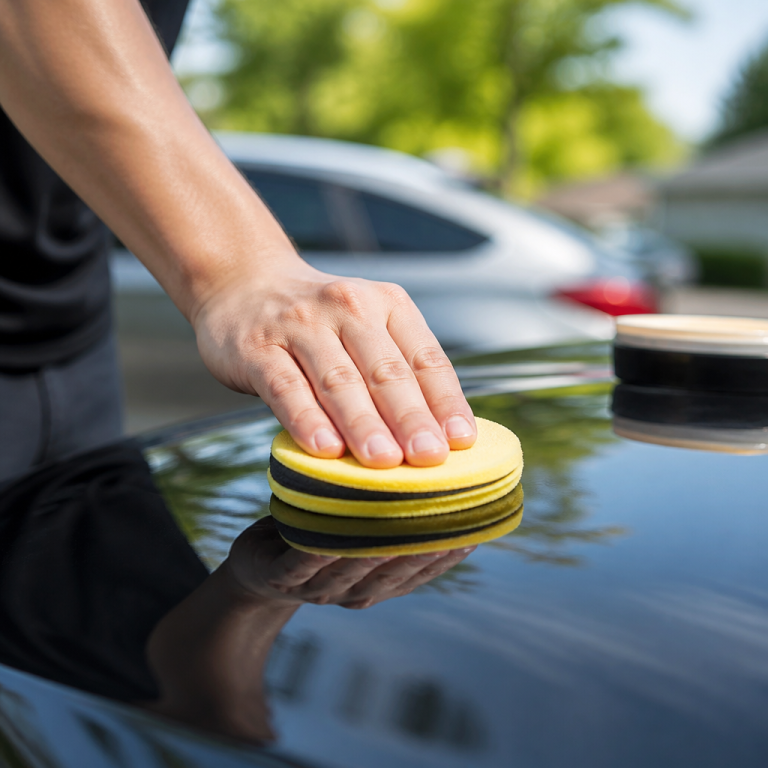
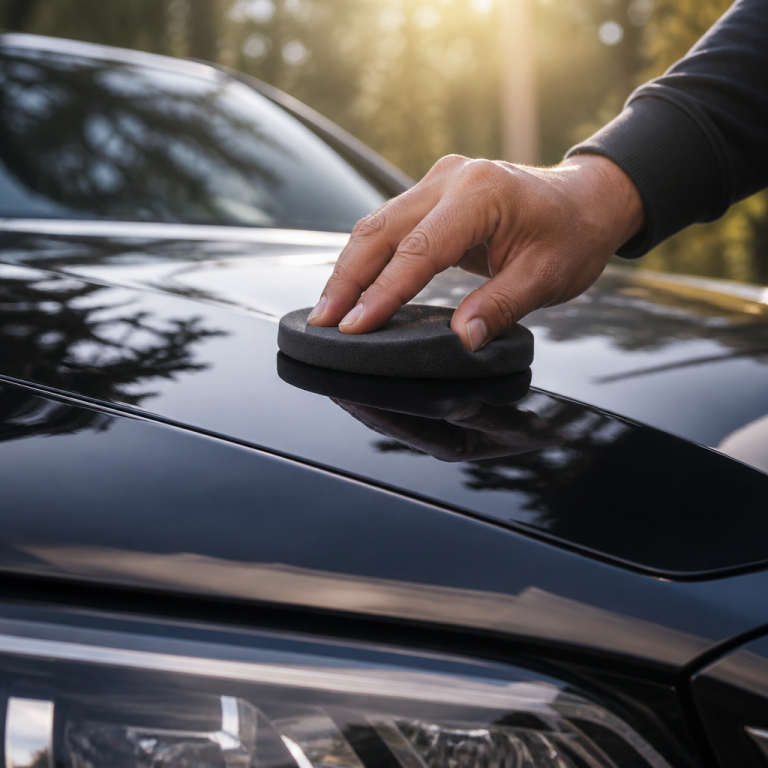
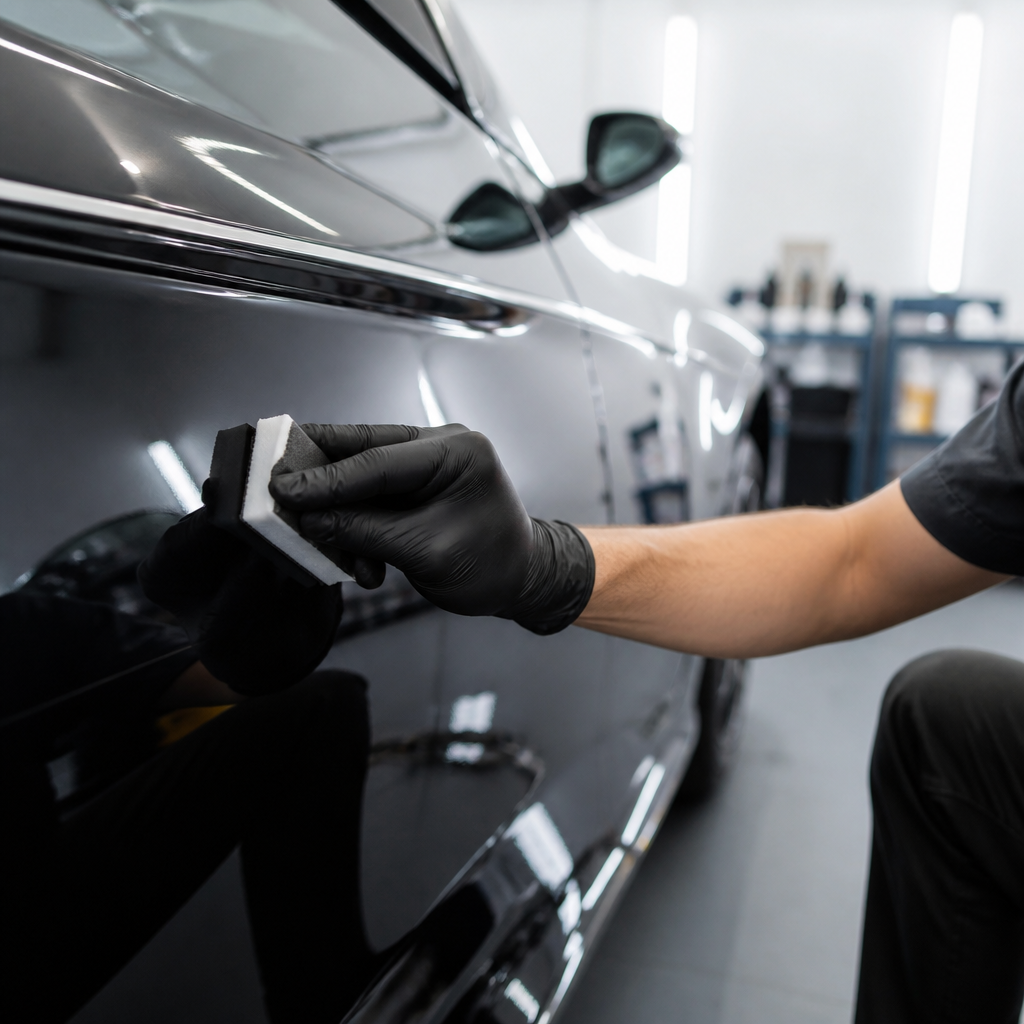
- Coating Application: Apply the coating to small sections (about 2×2 feet) at a time using a foam applicator in a cross-hatch pattern.
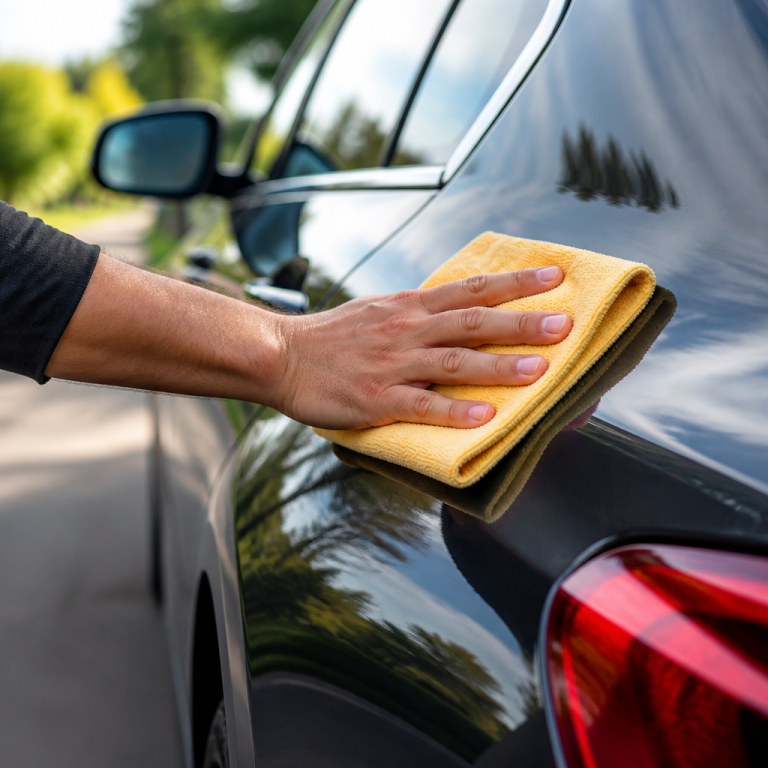
- Leveling: Allow the coating to "flash" (become tacky) for about 30-90 seconds. Gently level the coating with a clean microfiber towel to remove excess product.
- Inspection: Use an LED inspection light at multiple angles to check for high spots or streaks and fix them immediately.
- Initial Curing: Let the coating cure for a minimum of 12-24 hours in a protected space, away from moisture.
- Second Layer (Optional): If your product allows, apply a second layer after the first has cured for 1-4 hours.
- Final Curing: Allow a complete 7-day curing period before washing or exposing the vehicle to harsh chemicals.
Environmental conditions are also critical. Ideal application temperatures are 60-75°F (15-24°C). _High humidity (above 70%) can cause hazing or improper curing, while very low humidity can make the coating flash too fast._
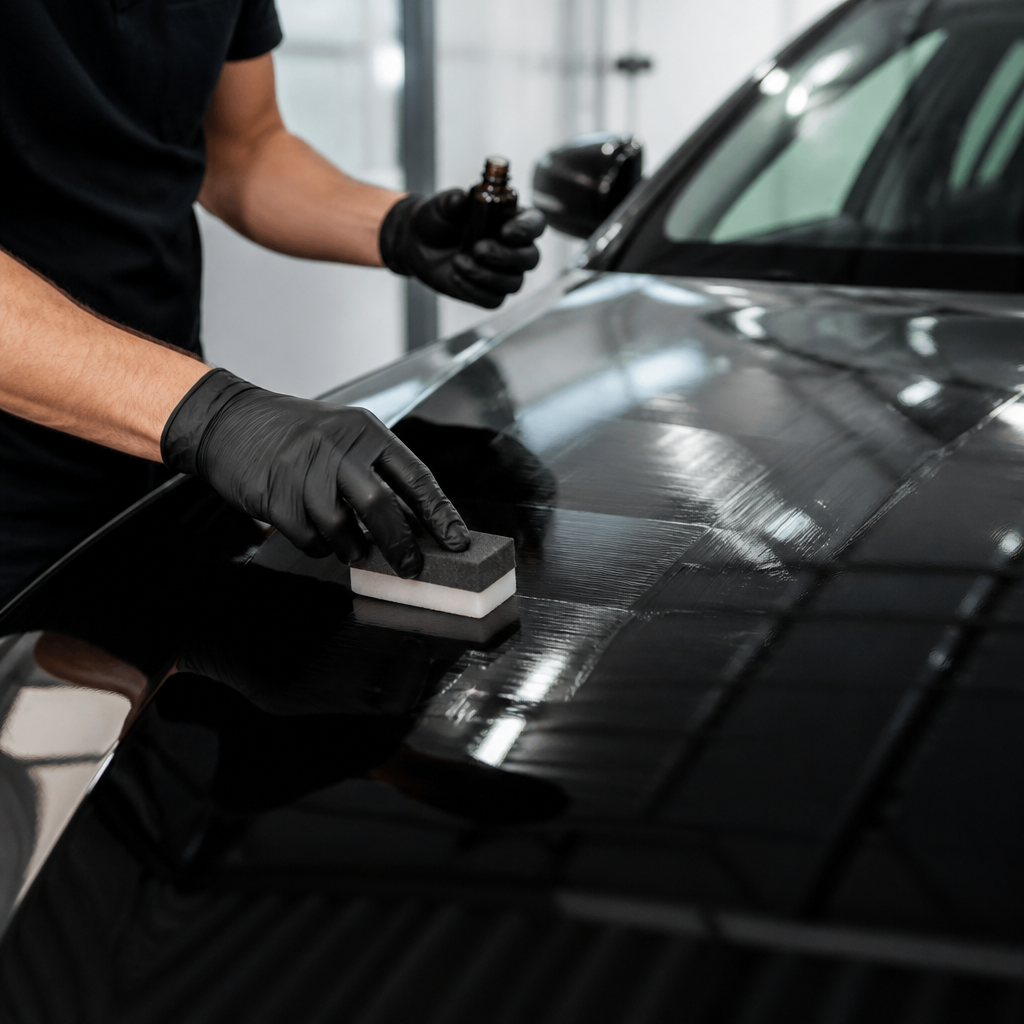
What Are the Best Ceramic Coating Products for Your Own Car?
The market offers many excellent products for DIYers. Top choices include the entry-level Turtle Wax Hybrid Solutions Ceramic Spray Coating, the mid-range CarPro CQuartz UK 3.0 for a balance of performance and value, and the premium Gtechniq Crystal Serum Light for superior durability. For those on a tight budget, Meguiar's Hybrid Ceramic Wax is a great low-risk starting point. Products with higher SiO2 concentrations generally offer longer-lasting results but demand more precise application.
| Coating Type | Price Range | Durability | Prep Required | Difficulty |
|---|---|---|---|---|
| Entry Spray Coatings | $15-$25 | 6-12 Months | No | 2/5 |
| Consumer Ceramic Coatings | $65-$100 | 18-24 Months | Recommended | 3/5 |
| Premium DIY Coatings | $80-$150 | 36-60 Months | Yes | 4/5 |
| Professional-Only | $200-$400+ | 60-84 Months | Certification | 5/5 |
As advised by Apex Detail, DIYers should start with a realistic assessment of their skill and their car's paint condition. It is often wise to begin with a forgiving spray ceramic to learn the process before moving on to more advanced products.
Mistakes to Avoid When Ceramic Coating Your Own Car
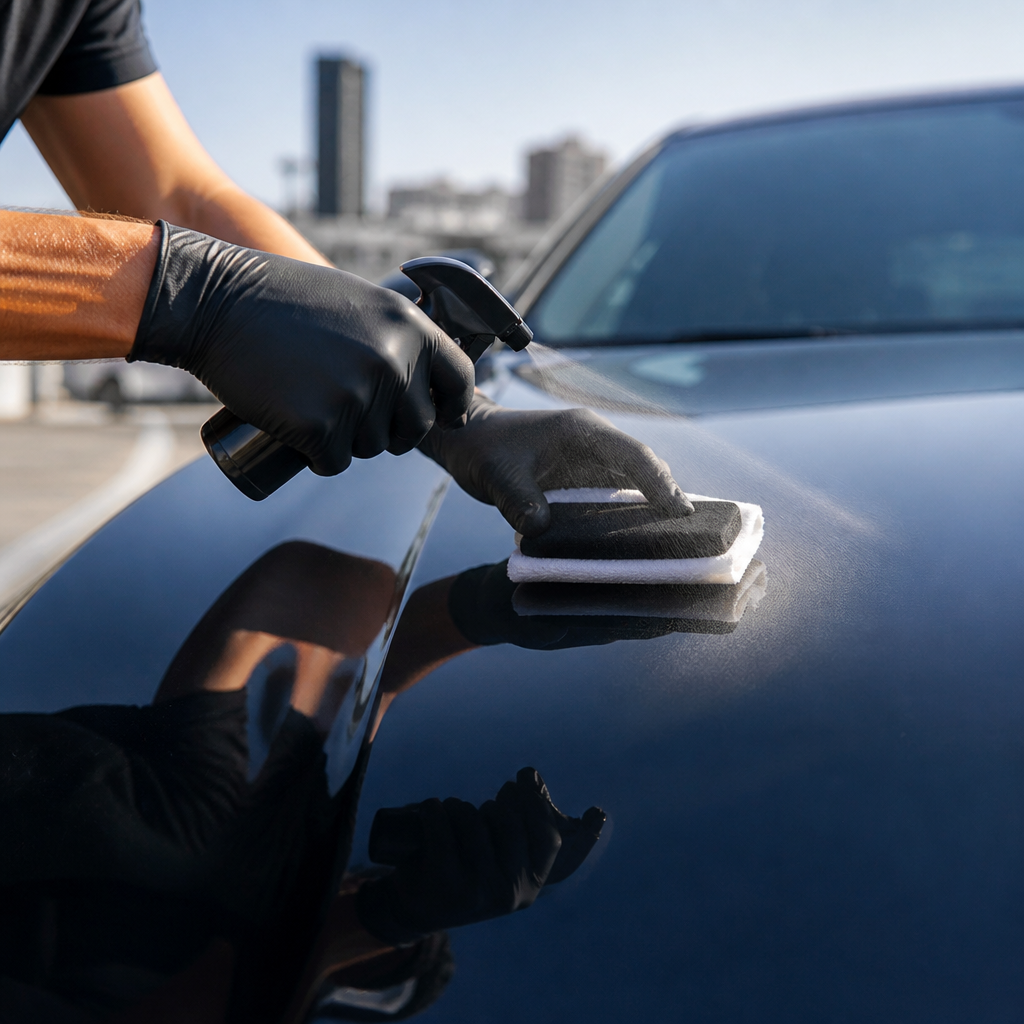
Successfully applying a ceramic coating is incredibly satisfying, but small mistakes can lead to big problems. The most frequent and damaging error is inadequate surface preparation. Applying ceramic coating over dirty, scratched, or improperly cleaned paint leads to poor bonding and permanently trapped imperfections. Other key mistakes include working in direct sunlight or on a hot surface, which causes the product to flash too quickly and create streaks. Applying too much product, using inconsistent pressure when leveling, and working in poor lighting can also lead to an uneven finish. It is critical to perform a final panel wipe to remove all polishing oils before application, as skipping this step prevents proper bonding. Finally, rushing the curing process by exposing the vehicle to water or harsh conditions before the full 7-day cure is complete will weaken the coating's durability and can lead to premature failure.
"The biggest mistake I see in DIY ceramic coating applications is what I call 'optimism bias'—people overestimate their skill level and underestimate the importance of preparation… My advice: buy extra coating, practice on your hood or roof first, and don't attempt your entire car until you've mastered the technique on a single panel." – AMMO NYC
Ceramic Coating Durability and Long-Term Results
How Long Does Ceramic Coating Last on Your Car?
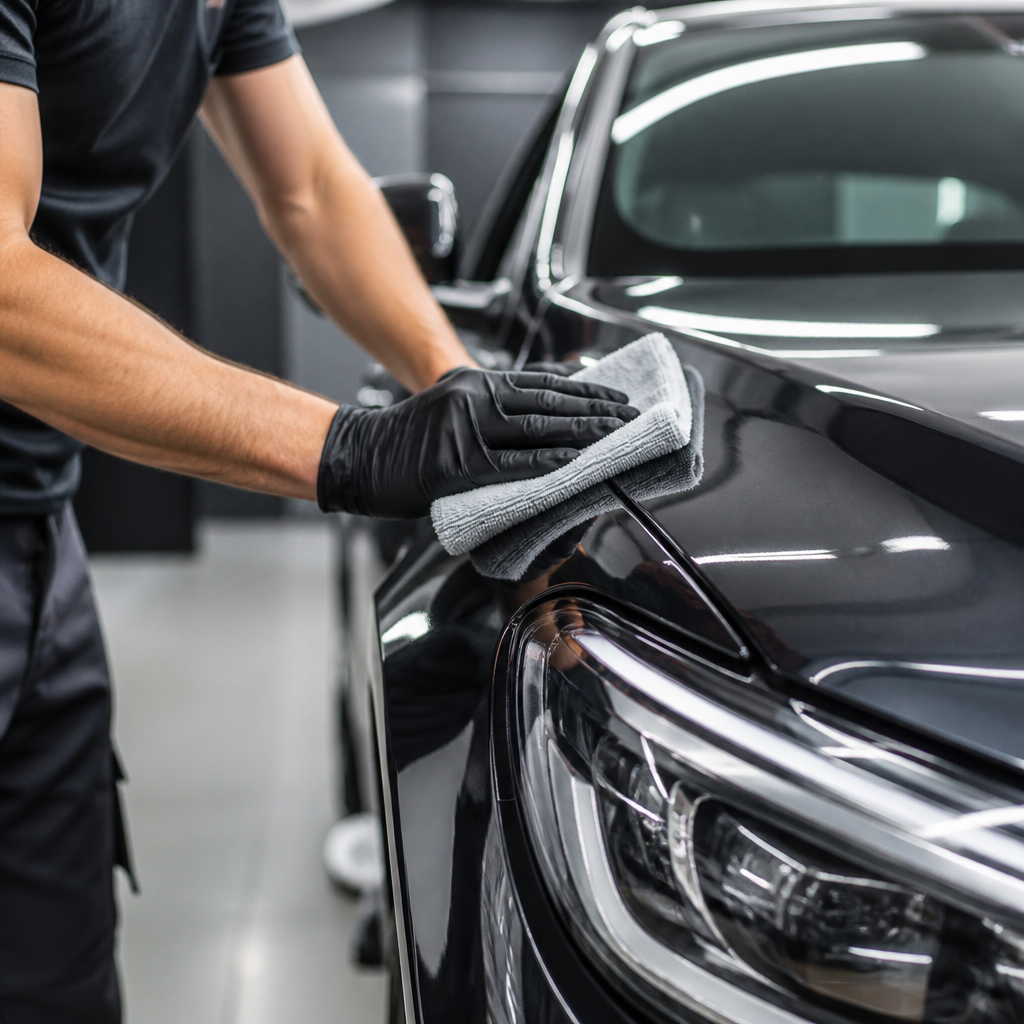
The longevity of a ceramic coating depends on many factors. Easy-to-use spray coatings might last 6-12 months, while premium DIY coatings can provide 3-5 years of protection. Professional-grade coatings often last 5-10 years.
Actual lifespan hinges on application quality, environmental conditions, maintenance practices, and product quality. Properly maintained ceramic coatings—washed regularly with pH-neutral shampoos—can achieve their advertised lifespan. Neglecting your car can degrade the coating 30-50% faster. Vehicles in harsh environments with intense sun or road salt may see their coating lifespan reduced. You'll know your ceramic coating is wearing down when water stops beading tightly and dirt begins to stick more easily.
Dr. Beasley's offers insight that manufacturer durability claims refer to the coating's presence, not its peak performance. Hydrophobic properties and self-cleaning effects degrade gradually over time, which is why using coating boosters every 12-18 months is recommended to maintain optimal performance. The best time to reapply is when you notice significant degradation in water repellency. _If you wait until the coating has completely failed, you'll likely need a full paint correction again._
FAQ
Q1. What is ceramic coating and what are its main benefits for a car?
A1. Ceramic coating is a liquid polymer that chemically bonds with a vehicle's factory paint, creating a protective, hydrophobic layer. Its main benefits include repelling water, dirt, and contaminants, enhancing gloss, providing UV protection, offering thermal resistance, and resisting various chemicals, which helps protect the paint and makes cleaning easier.
Q2. How much does it typically cost to ceramic coat a car yourself compared to a professional application?
A2. DIY ceramic coating kits generally range from $50-$200, with additional costs for preparation supplies. The total DIY cost might be $100-$400. In contrast, professional ceramic coating applications can cost $1,000-$3,000, making DIY a significantly more budget-friendly option.
Q3. What are the most critical steps for a successful DIY ceramic coating application?
A3. The most critical steps are thorough surface preparation (washing, decontamination, and paint correction), followed by a panel wipe with isopropyl alcohol to ensure maximum bonding. During application, working in small sections, leveling promptly, and inspecting with proper lighting are crucial. Finally, allowing adequate curing time is vital for durability.
Q4. What are some common mistakes DIYers make when applying ceramic coating?
A4. Common mistakes include inadequate surface preparation, working in direct sunlight, applying too much product, inconsistent leveling, poor lighting, skipping the panel prep wipe, and rushing the curing process.
Q5. How long can I expect a DIY ceramic coating to last on my car?
A5. The longevity of a DIY ceramic coating varies. Entry-level spray coatings might last 6-12 months, consumer-grade liquid coatings typically last 2-3 years, and premium DIY coatings can offer 3-5 years of protection. Actual lifespan is significantly impacted by application quality, environmental conditions, and maintenance.

Jake Morrison writes about DIY car care at CarCareNote. He’s been detailing cars in his Ohio driveway for over a decade and shares what actually works at home.