what does car wax do: 7 Benefits for a Brilliant Shine
Car wax is a fundamental component of vehicle maintenance, but its benefits go far beyond a simple cosmetic shine. It serves as a protective shield for your car’s paint, safeguarding it from the constant assault of environmental threats. By creating a barrier against everything from harsh sun rays to corrosive contaminants, a quality wax preserves your vehicle’s appearance and integrity. This article will explore the multifaceted role of this protective coating, from how it shields your paint to how it enhances your car’s overall value. Unlock the secrets to keeping your car looking its best and well-protected against the elements.
What Car Wax Does to Your Car
What does car wax do to your car?
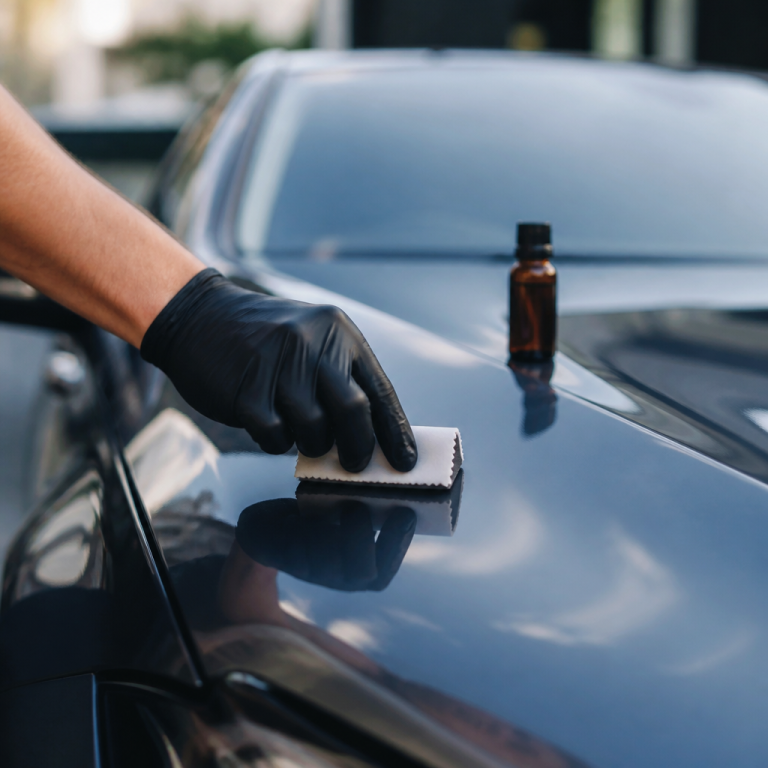
A protective coating on automotive paint is formed by applying a blend of natural carnauba wax, synthetic polymers, or both. The primary function of this product is to fill the microscopic imperfections and pores naturally present in a vehicle’s clear coat. By creating a smooth, even, and reflective layer, the coating not only deepens the paint’s color and gloss for a richer appearance but also adds crucial hydrophobic properties.
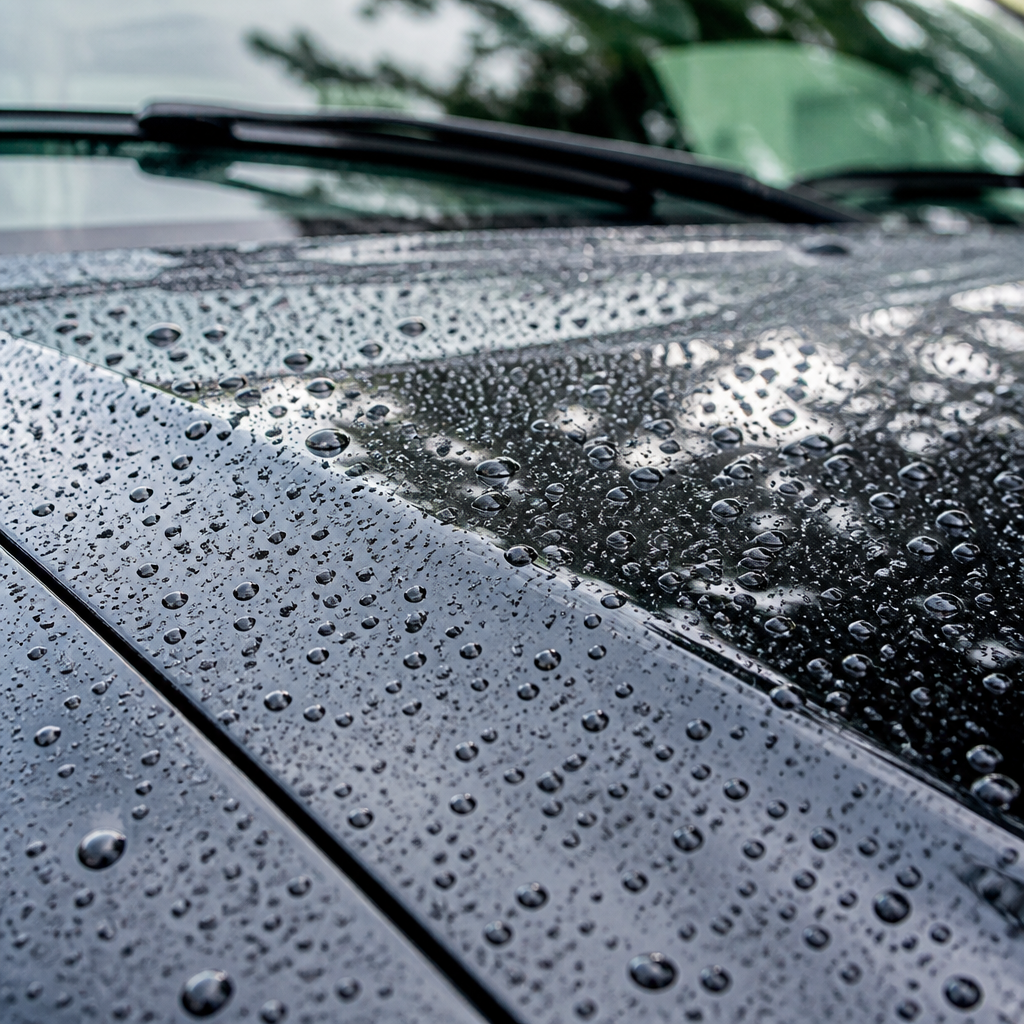
The hydrophobic nature of a wax application is one of its most visible benefits. When water contacts the treated surface, it gathers into tight beads instead of spreading out. These beads then roll off the vehicle, carrying loose dirt and contaminants with them. This “water beading” effect helps keep the car cleaner and significantly reduces the formation of mineral-deposit water spots. The protective layer also shields the paint from harmful ultraviolet (UV) radiation from the sun, which causes a process called oxidation. Quality waxes act as a sacrificial barrier, absorbing UV radiation to slow down the fading and dulling of the paint, preserving its original color.
Furthermore, the coating acts as a physical shield against common contaminants like bird droppings, tree sap, road salt, and industrial fallout. Without this layer, these substances can etch into the clear coat, causing permanent damage. With the protective barrier in place, contaminants sit on top of it, making them much easier to wipe away during washing.
What does car wax do for paint protection?
Paint protection centers on the role of the wax as a sacrificial barrier. This means the layer is designed to absorb environmental damage and minor abrasions before they can reach the underlying clear coat and paint. Professional detailer Larry Kosilla of AMMO NYC emphasizes that this coating takes the brunt of environmental assault, so contaminants degrade the wax instead of the paint.
One of the most critical forms of protection is its defense against oxidation, a chemical process where oxygen degrades the paint, causing it to lose luster and become chalky. By creating a physical barrier, a good wax application slows this process, preserving the paint’s longevity. _However, this protection is temporary and requires regular reapplication to remain effective._
The hydrophobic properties also contribute significantly to paint protection. Scientific studies show that ingredients like carnauba wax cause water to form a high contact angle, meaning it beads up tightly and rolls off easily. This minimizes the time water sits on the surface, reducing the chance of water spots and mineral etching. While this protective layer offers robust defense against environmental threats, it provides limited protection against physical damage. Car wax acts as a sacrificial barrier, but it cannot prevent deep scratches or stone chips that penetrate the clear coat. For more significant damage, other protective or repair methods are necessary.
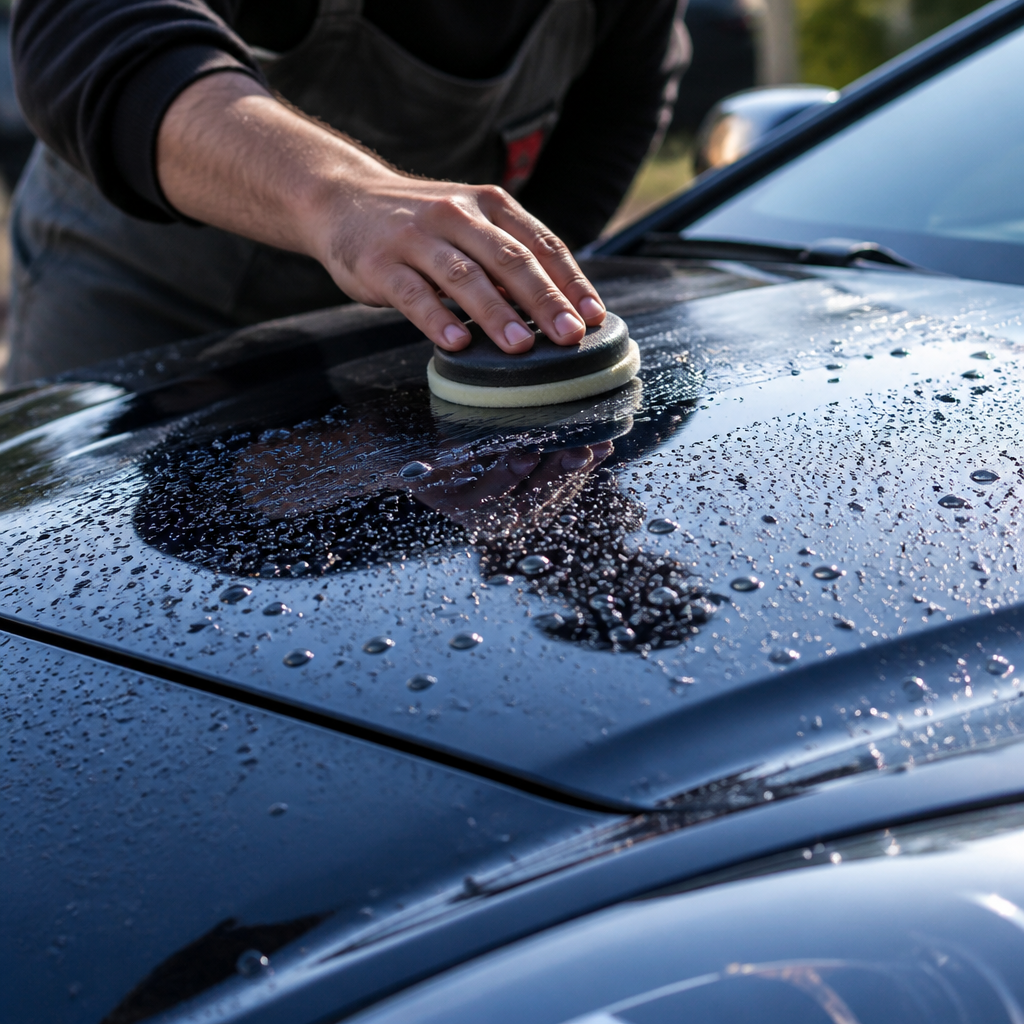
Benefits of waxing your car regularly
Regularly waxing your car offers numerous benefits that extend beyond a temporary shine, impacting its appearance, ease of maintenance, and long-term value.
- Maintains Resale Value: A vehicle with well-preserved paint, free from fading and oxidation, is far more appealing to potential buyers. Consistent waxing helps keep the paint in prime condition, which can lead to a higher resale price.
- Easier Cleaning: Dirt, grime, and dust have a much harder time adhering to a slick, waxed surface. This makes washing quicker and reduces the need for aggressive scrubbing, which can cause swirl marks.
- Saves Money: By protecting the clear coat from damage that requires professional paint correction, you can defer or eliminate the need for costly services that remove scratches and oxidation.
- Enhanced Visibility: During rain, a waxed surface on the hood, roof, and mirrors causes water to bead and roll off, reducing water accumulation that can distort reflections and create blind spots.
- Seasonal Protection: Applying wax before summer protects against intense UV damage, while a pre-winter coat shields the paint from corrosive road salt and de-icing chemicals.
“The cumulative effect of regular waxing cannot be overstated. Cars that receive wax every 2-3 months maintain their factory finish far longer than those waxed sporadically. It’s preventive maintenance that pays dividends over the vehicle’s lifetime.” – Mike Pennington, Director of Training at Meguiar’s
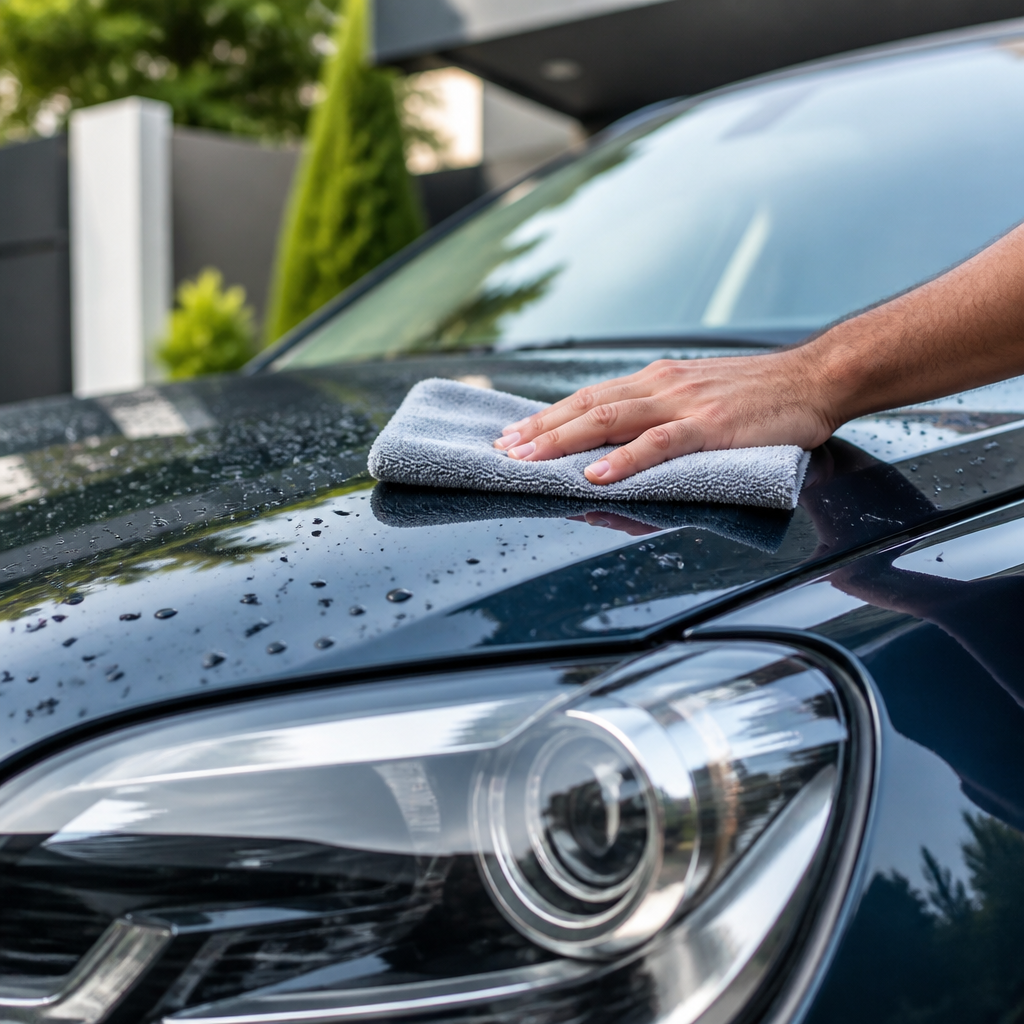
Car Wax vs Car Polish and Product Selection
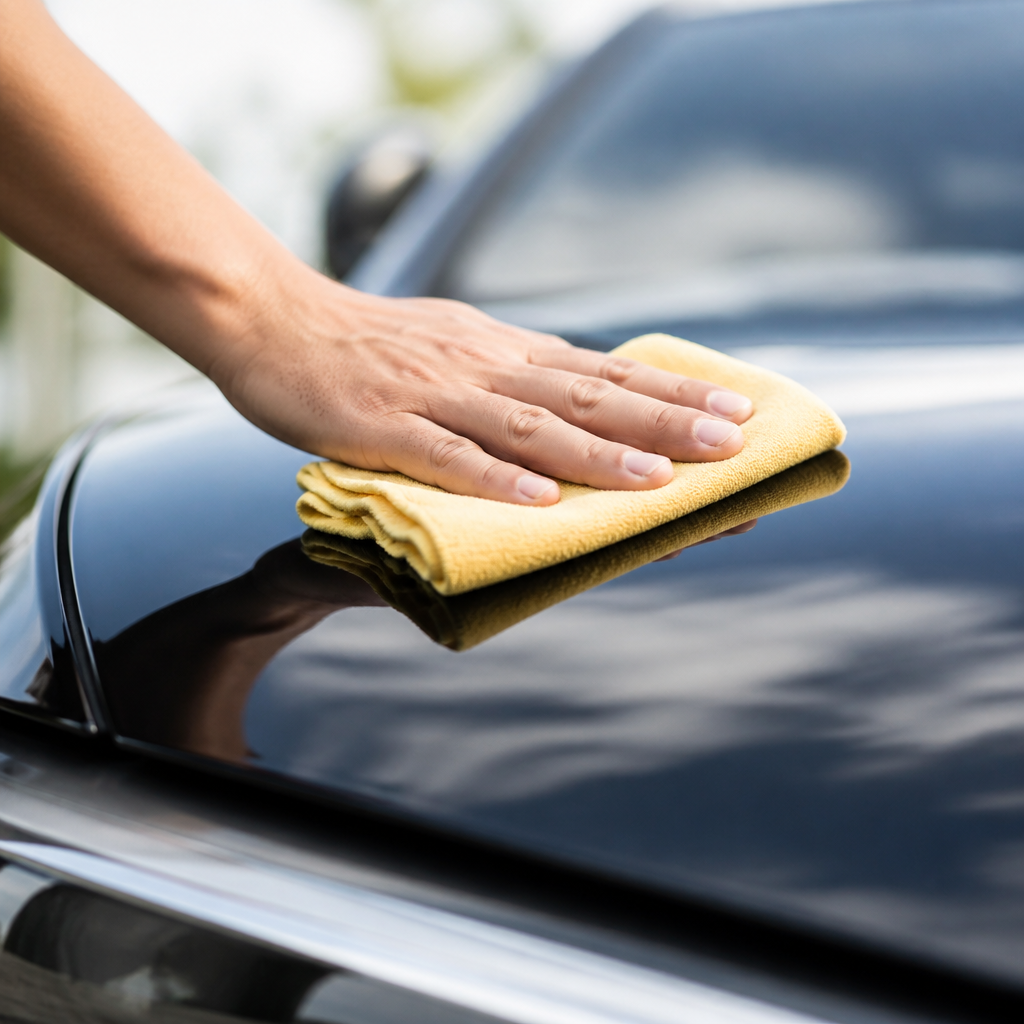
car wax vs car polish differences
Understanding the difference between wax and polish is crucial for proper car care, as they serve entirely distinct purposes. Wax is a protective product that adds a layer on top of the paint, while polish is a corrective product designed to remove a thin layer of clear coat to eliminate imperfections.
The key distinction is their composition. Polish contains fine abrasives that level the paint surface by removing a microscopic amount of material, smoothing out scratches, swirl marks, and oxidation. Wax contains no abrasives; its purpose is purely additive. This means that if your paint has visible defects, wax alone will not remove them but will only temporarily fill them in. The core difference is that polish contains abrasives to remove paint defects, while wax is non-abrasive and adds a protective layer.
Because of their functions, the correct application sequence is always polish first, then wax. Polishing removes any existing protective layers, leaving the paint bare and vulnerable. A wax or sealant must be applied after polishing to restore protection. _Since polish works by removing a thin layer of the clear coat, over-polishing can lead to permanent paint damage._ Wax, conversely, can be applied as often as needed without any risk.
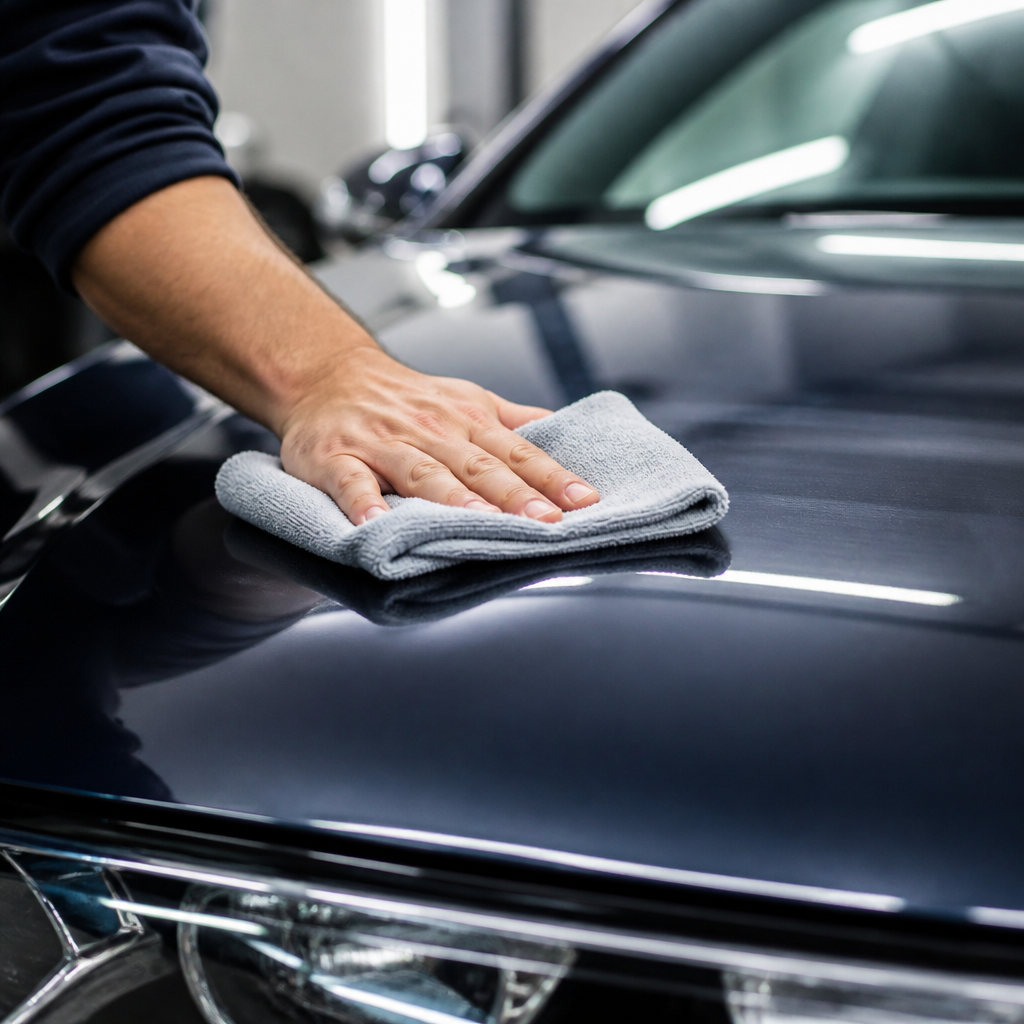
best car wax for shine and durability
Selecting the best car wax depends on whether you prioritize a deep shine or maximum durability. Different product types offer a unique balance of these qualities. For those who want the best of both worlds, hybrid waxes combine natural and synthetic ingredients to offer a great shine with improved longevity. A newer category, ceramic-infused waxes, incorporates SiO2 (silicon dioxide) particles to provide exceptional durability and water beading, often lasting 6-12 months.
Here is a comparison of the most common types:
| Wax Type | Shine Quality | Durability | Best For |
|---|---|---|---|
| Carnauba Wax | Deep, warm, “wet look” | 4-8 weeks | Achieving the best possible show-car shine. |
| Synthetic Wax (Sealant) | Sharp, glass-like gloss | 4-6 months | Long-lasting protection and durability for daily drivers. |
| Hybrid Wax | Good balance of warmth & gloss | 2-3 months | A versatile option combining aesthetics and protection. |
| Spray Wax | Good for quick gloss | 1-3 weeks | Maintaining an existing wax coat between full applications. |
| Ceramic-Infused Wax | Very slick, high-gloss finish | 6-12 months | Maximum durability and superior hydrophobic properties. |
According to professional detailers, top-rated products include Collinite 845 (carnauba-based), Meguiar’s Ultimate Liquid Wax (synthetic), and P21S Carnauba Wax (hybrid).
How to Use Car Wax Properly
how to apply car wax correctly
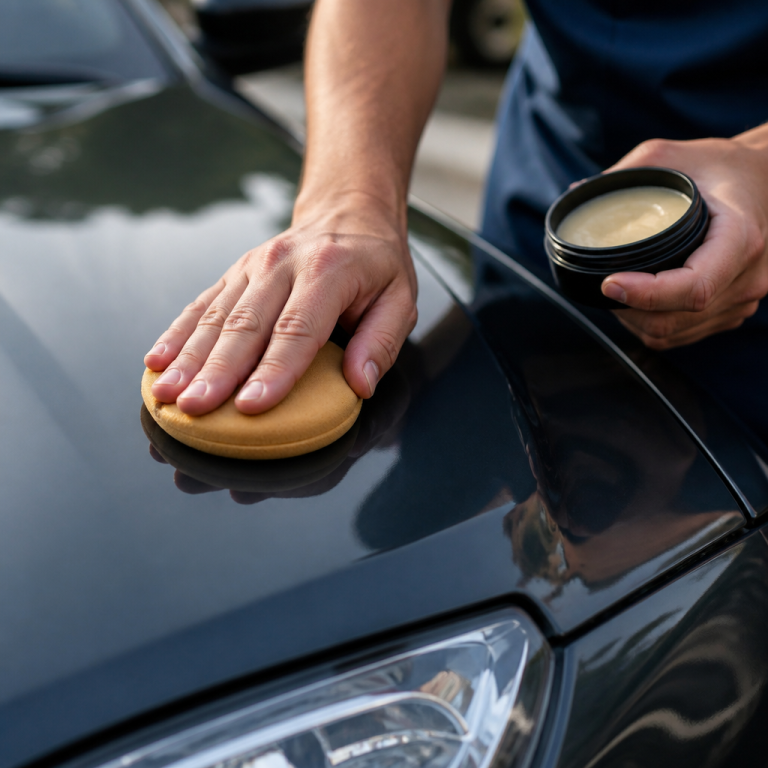
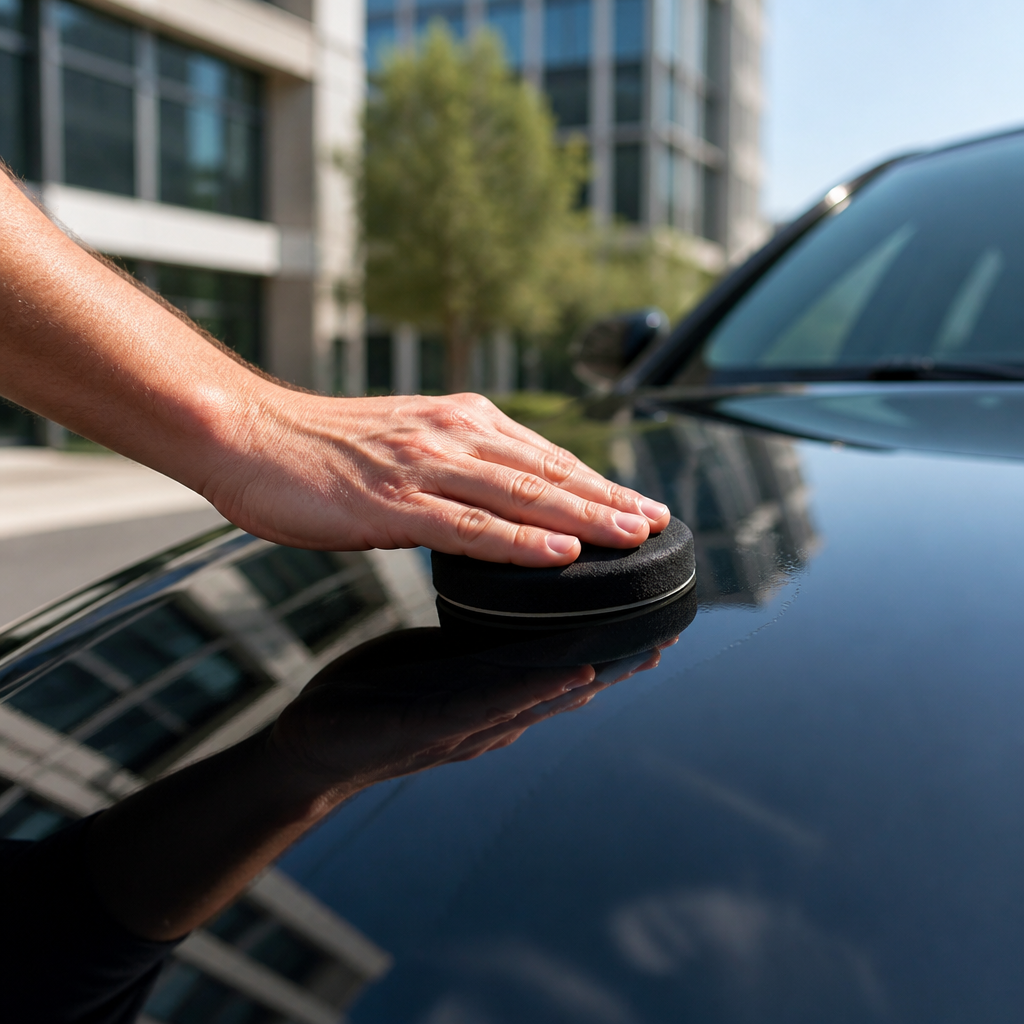
Applying car wax correctly is a meticulous process that ensures a flawless finish and maximum protection. Following the right steps is essential for achieving professional results. _Always apply wax to a cool surface in the shade_, as direct sun or a hot surface can cause it to dry too quickly, leading to streaks.
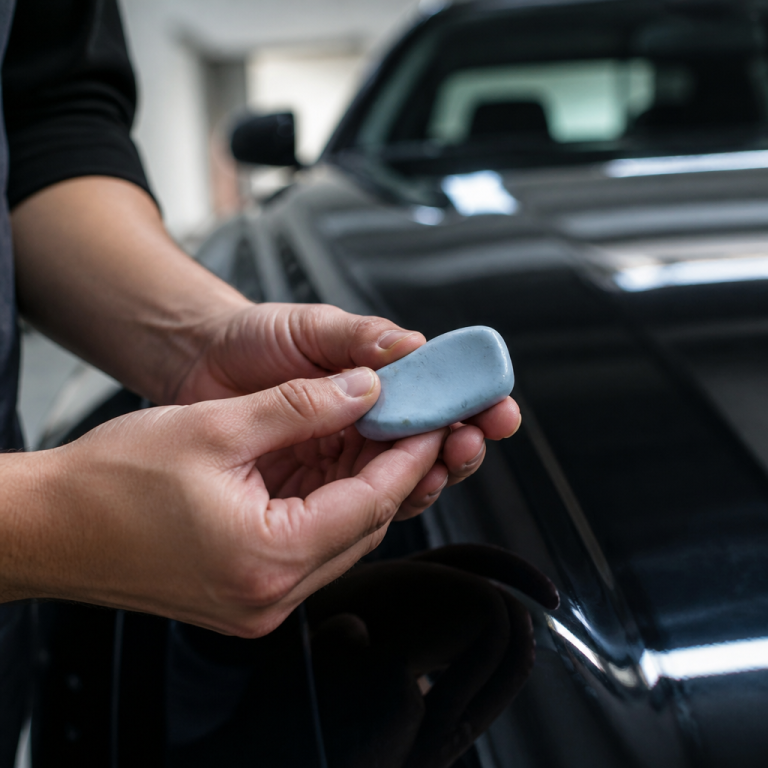
- Prepare the Surface: Start with a completely clean and dry vehicle. Washing alone is not enough. Before waxing, the paint must be decontaminated with a clay bar to remove bonded particles like industrial fallout and tree sap. This creates a perfectly smooth surface for the wax to adhere to.
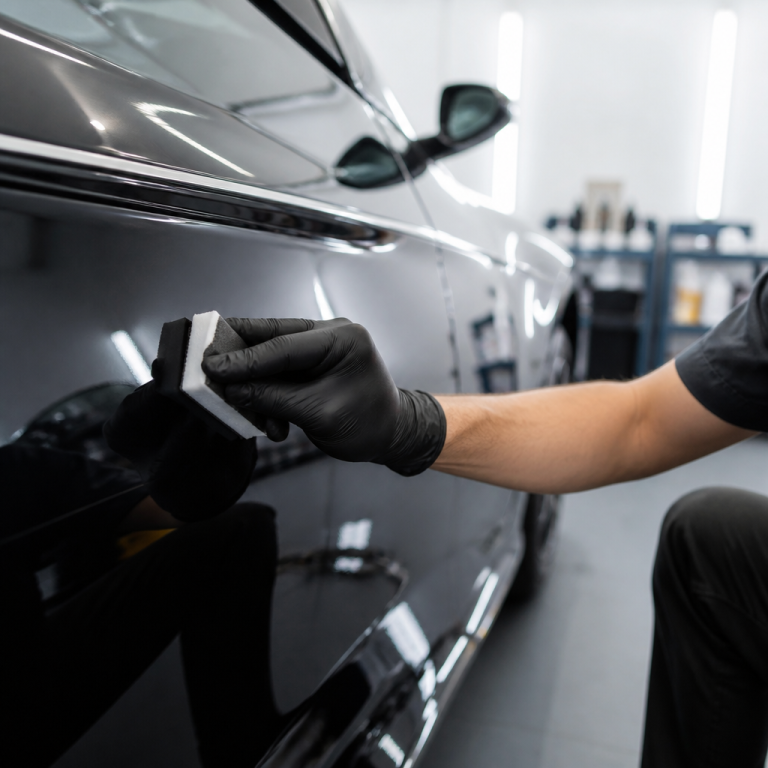
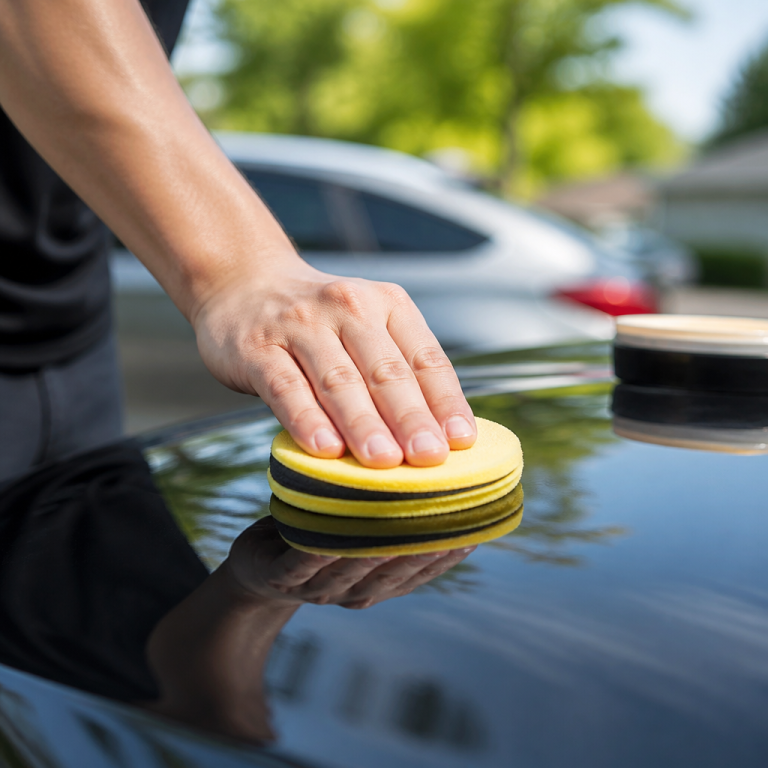
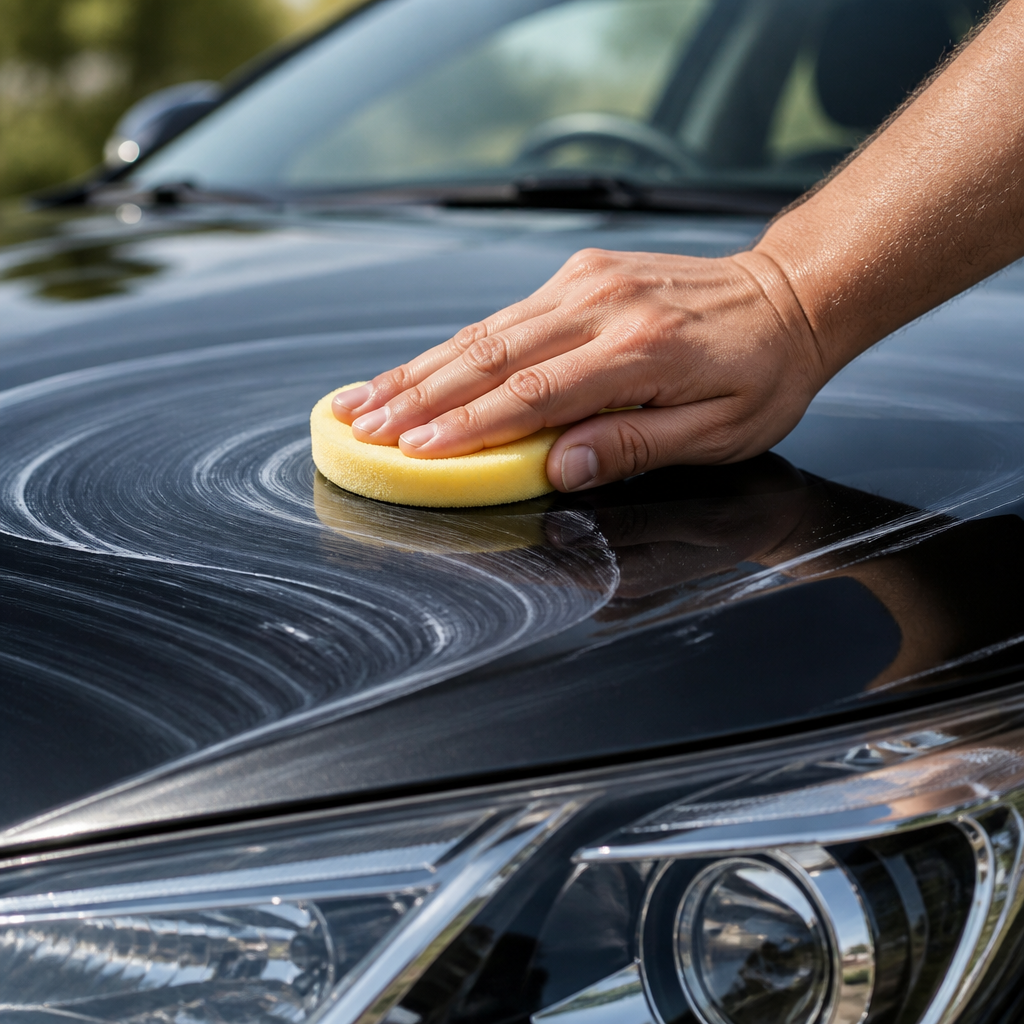
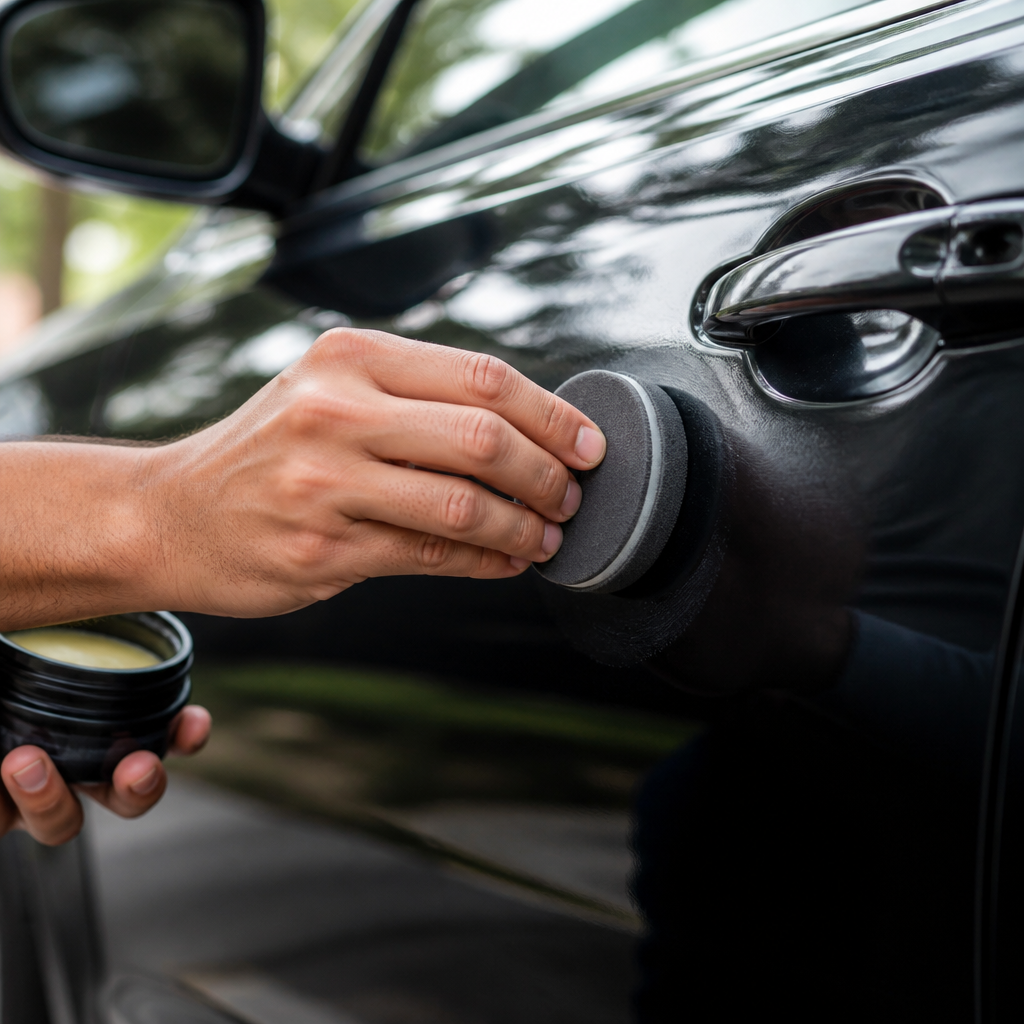
- Apply a Thin Layer: Use a foam or microfiber applicator pad to apply the product in a thin, even layer. A common mistake is using too much, which makes removal difficult and doesn’t increase protection. The founder of Optimum Polymer Technologies, Yvan Lacroix, advises that a thin layer bonds better and lasts longer; you should barely be able to see it on the paint.
- Allow the Wax to Cure: Let the wax dry on the surface until it hazes over, which typically takes 5-20 minutes depending on the product and conditions. The wax is ready for removal when you can swipe a finger across it and leave a clean streak.
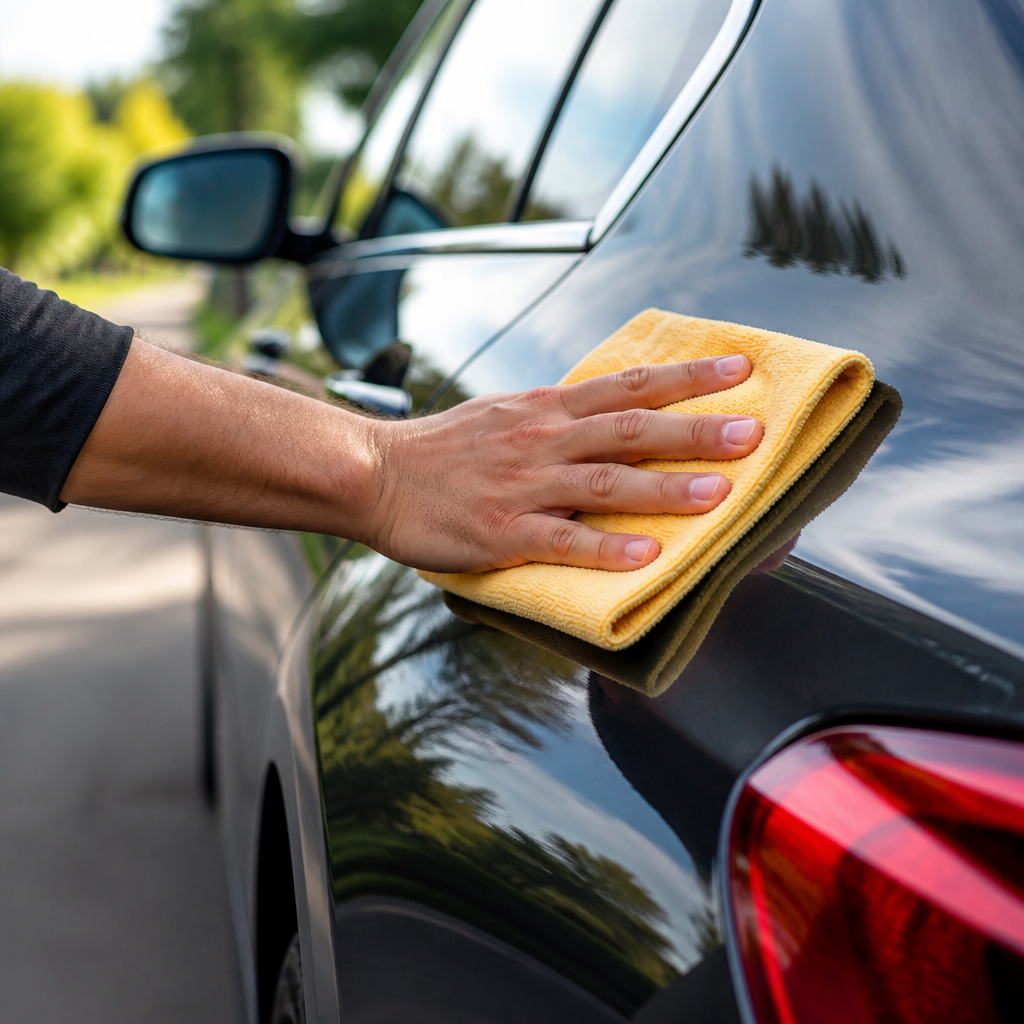
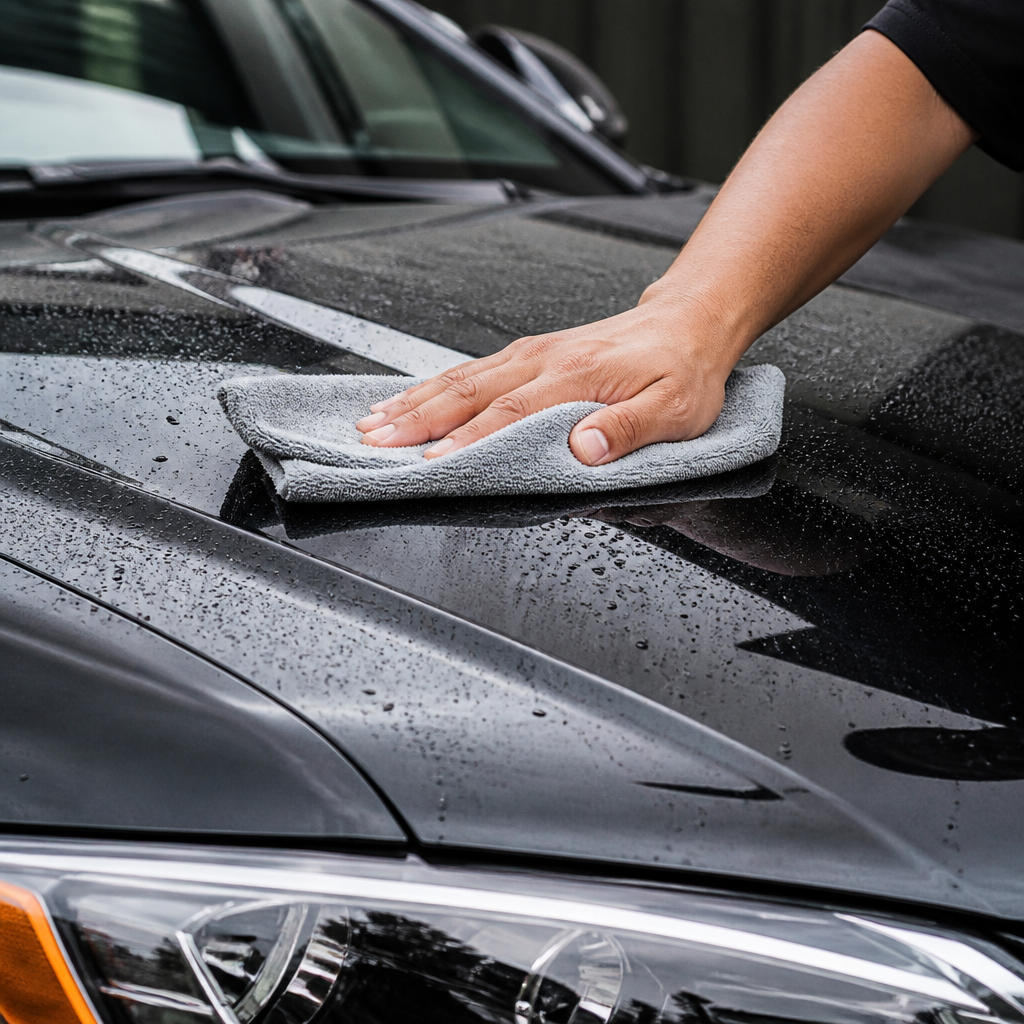
- Buff Off the Residue: Use a clean, soft microfiber towel to gently buff off the wax residue. Turn the towel frequently to a clean side to avoid reapplying the haze. A second clean towel can be used for a final buff to achieve maximum gloss.
“The biggest mistake people make is applying too much wax. A thin layer bonds better, lasts longer, and is easier to remove than a thick layer. You should barely see the wax on the paint—if it looks thick and white, you’ve used too much.” – Yvan Lacroix, Master Detailer
how often should you apply car wax?
The ideal frequency for applying car wax depends on the wax type, environmental conditions, and vehicle storage. A general guideline for optimal protection is to wax your car every 2-3 months, or 4-6 times per year. However, observing your car’s condition is the most reliable method.
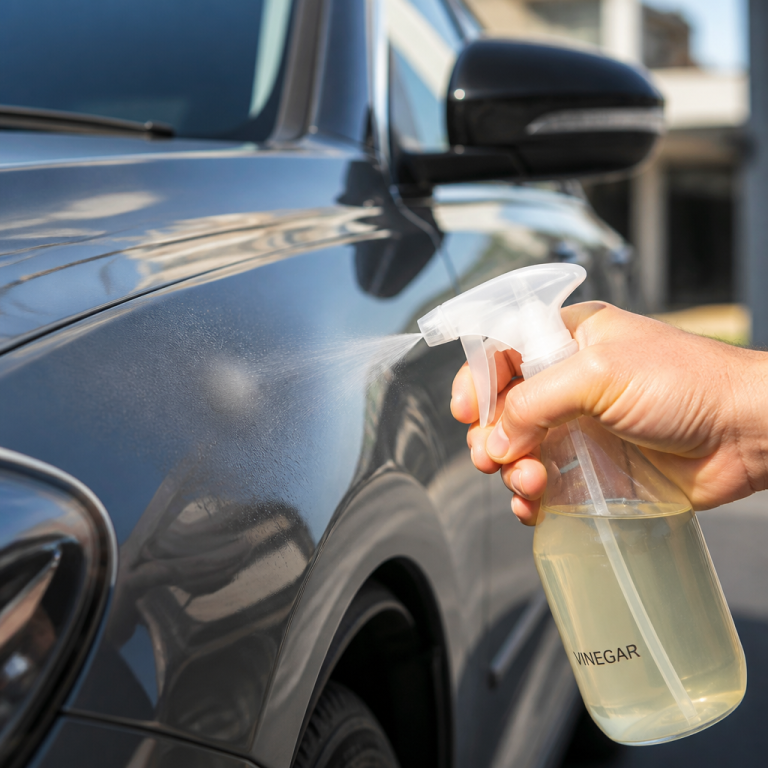
A simple way to check if reapplication is needed is the “water bead test.” When water stops beading into tight, round droplets and instead sheets across the surface, the protective layer has degraded and it’s time to reapply. This visual cue is a practical way to assess your vehicle’s current protection level.
Vehicles exposed to harsh conditions require more frequent applications. Cars in coastal areas with salt air or hot, sunny climates with intense UV radiation benefit from waxing every 6-8 weeks. Likewise, a daily-driven vehicle parked outdoors needs more frequent attention than a garage-kept car. A strategic approach is to apply a fresh, durable coat before summer to protect against UV rays and before winter to guard against road salt and moisture.
FAQ
Q1: What is the primary difference between car wax and car polish?
A1: Car wax is a protective coating that adds a layer on top of your car’s paint to shield it from environmental damage and enhance its shine. Car polish, on the other hand, is an abrasive product designed to remove a thin layer of the clear coat to eliminate imperfections like swirl marks, light scratches, and oxidation, thereby correcting the paint surface rather than just protecting it.
Q2: How does car wax protect my car’s paint from UV damage?
A2: Car wax forms a sacrificial barrier on the paint surface that helps to absorb or deflect a portion of the sun’s harmful UV radiation. This action helps to prevent the UV rays from directly reaching and degrading the clear coat, which can cause oxidation, fading, and dullness over time, thereby preserving the paint’s color and longevity.
Q3: Can car wax remove scratches from my car’s paint?
A3: Car wax offers only limited protection against very minor scratches and swirl marks by providing a soft buffer layer. It cannot remove deep scratches or stone chips that have penetrated through the clear coat. For such defects, a corrective product like car polish or professional paint correction services would be necessary.
Q4: How often should I apply car wax to my vehicle?
A4: A general recommendation is to wax your car every 2-3 months (4-6 times per year) for optimal protection. However, this frequency can vary based on factors such as the type of wax used (carnauba waxes typically last 4-8 weeks, synthetic sealants 4-6 months), environmental conditions (harsh climates may require more frequent application), and whether the car is garage-kept or parked outdoors.
Q5: What is the “water bead test” and how does it help determine when to reapply wax?
A5: The “water bead test” involves spraying water onto your car’s paint surface. If the water forms tight, spherical beads that easily roll off, the wax protection is still effective. If the water sheets out or sits flat on the surface, it indicates that the wax layer has degraded and it’s time to reapply wax to restore protection. This test provides a practical, visual indicator of your paint’s current hydrophobic properties.

Jake Morrison writes about DIY car care at CarCareNote. He’s been detailing cars in his Ohio driveway for over a decade and shares what actually works at home.