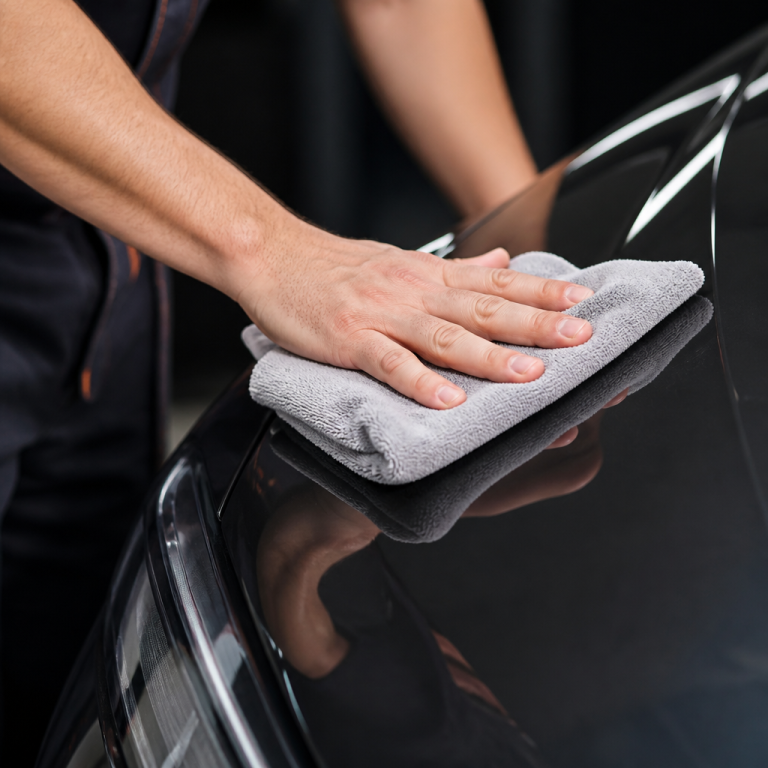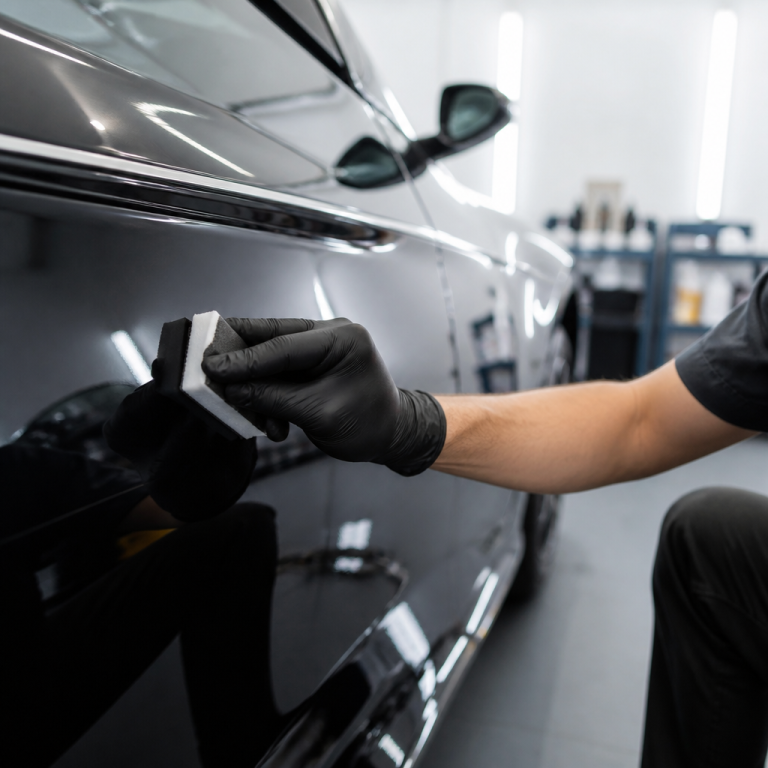
car wax vs polish: 7 Secrets for a Brilliant Car Shine
I’ve always been a bit obsessive about my cars’ appearance. I remember one crisp Saturday morning, about five or six years ago, when I decided my trusty old Honda Civic was looking a bit dull. The paint, once a vibrant metallic blue, had lost some of its sparkle, and faint swirl marks appeared whenever the sun hit it just right. I’d heard about car wax and polish, but like many, I thought they were pretty much the same thing. Boy, was I wrong! That day, armed with a few bottles and a lot of YouTube videos, I learned firsthand the huge difference these two products make. It was a messy, educational, and ultimately incredibly satisfying experience that transformed my car’s finish from “just okay” to “wow!” If you’ve ever stood in an auto store aisle, scratching your head over which bottle to pick up, you’re in the right place. Discover exactly what I’ve learned about getting that trustworthy, brilliant shine for your own ride.
Understanding Car Wax vs Polish
Stepping into the world of car detailing can feel a bit like learning a new language, but understanding car wax and car polish is a fantastic starting point. While both aim to make your car look great, they tackle very different tasks. Think of it this way: one is like giving your car’s paint a deep clean and correction, and the other is like putting a clear, protective shield over it.
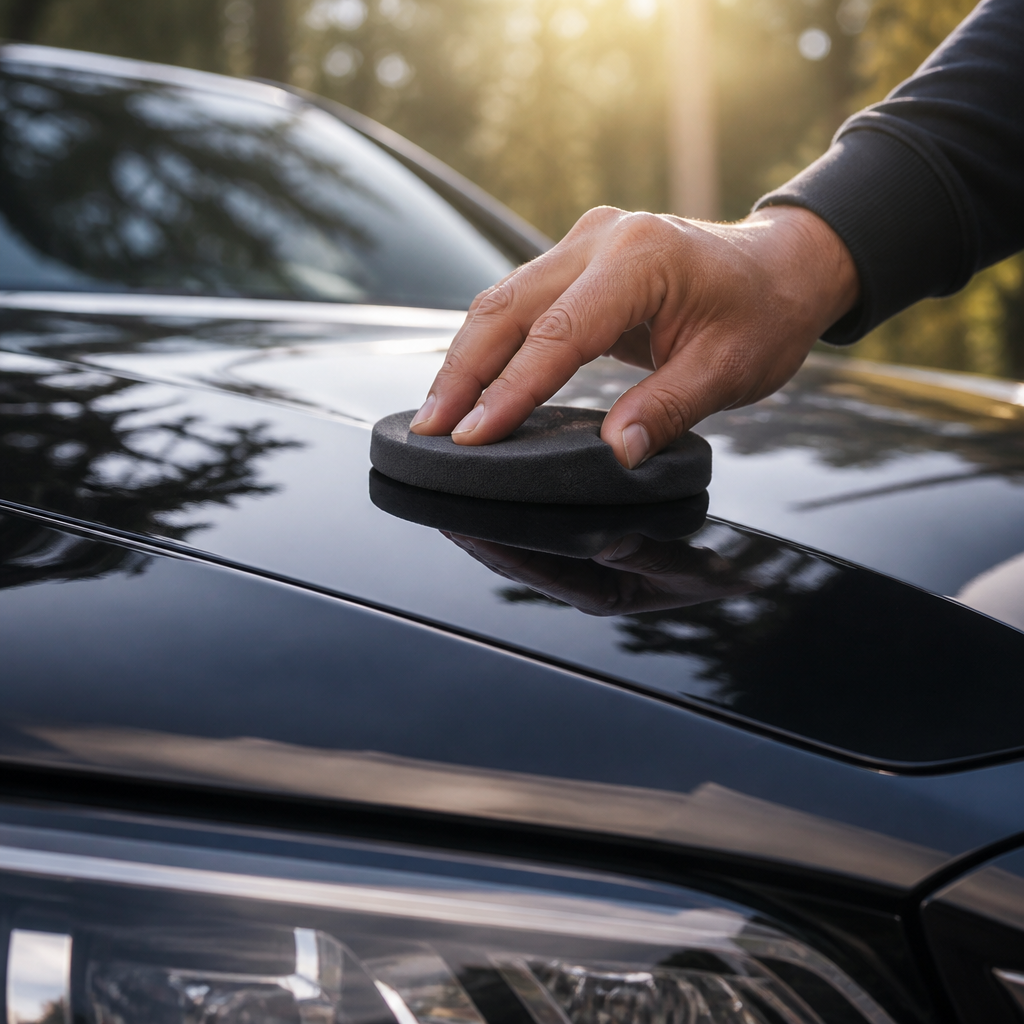
car wax vs polish differences explained
At their core, car wax and car polish are made with different goals and ingredients, leading to very different effects on your car’s paint. Car polish is an abrasive compound designed to correct imperfections, while car wax is a protective coating meant to shield the paint and enhance its gloss.
The fundamental difference is their job: polish corrects paint problems by gently scrubbing them away, while wax protects an already smooth or well-cared-for paint surface by adding a temporary barrier layer.
The table below breaks down their key distinctions:
| Feature | Car Polish | Car Wax |
|---|---|---|
| Primary Function | Corrective (removes defects) | Protective (adds a barrier) |
| Action | Abrasive; removes a thin layer of clear coat | Non-abrasive; adds a layer on top of the paint |
| Result | Restores clarity, smoothness, and shine | Adds gloss, depth, and a hydrophobic layer |
| Lifespan | Permanent fix for defects | Temporary protection (1-3 months) |
Polish formulas contain special abrasives, like aluminum oxide, that break down into finer particles as you work them, which helps create a smoother finish. Wax, however, has no abrasives at all. Its protective power comes from natural materials like carnauba or man-made synthetic polymers that form a physical shield. The effects of wax usually last between 1 to 3 months, while the corrective results of polish are permanent until the paint is damaged again. It is crucial to remember that _after polishing, the paint surface is left unprotected and absolutely needs a protective layer like wax._
Larry Kosilla, founder of AMMO NYC and a pro detailer with over 15 years of experience, once said, “Polish is a corrective step that should always precede wax application. Applying wax over defects simply creates a shiny but still-flawed surface—you’re essentially glossing over the problem rather than fixing it.”
This expert advice highlights why applying these products in the correct order is so important for achieving great results in paint care.
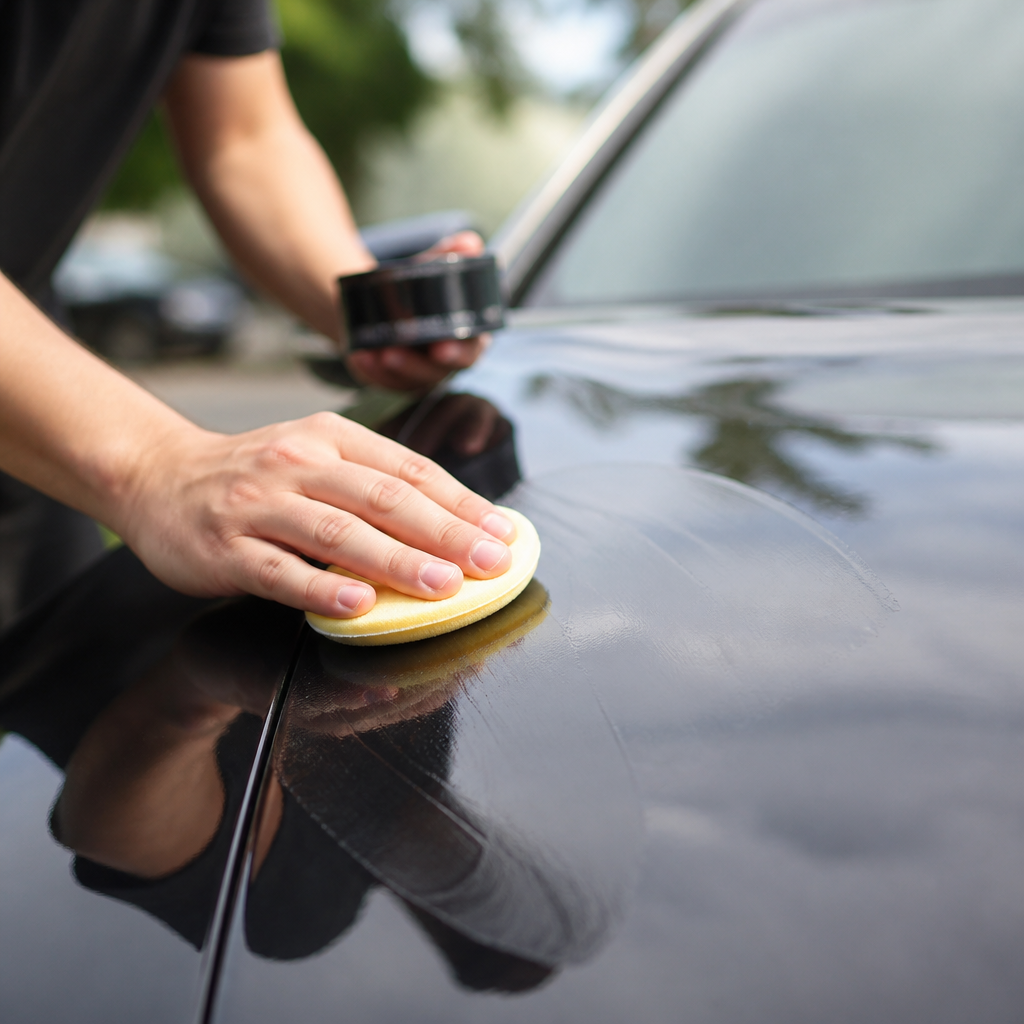
car wax vs polish which is better?
When considering car wax versus car polish, it’s important to realize that one isn’t truly “better” than the other. Instead, they serve different, but often complementary, roles in a complete car paint care routine. The choice to use one, or both, really depends on what your car’s paint looks like right now and what you hope to achieve.
For cars that are brand new or have been well-maintained with hardly any visible flaws, applying wax alone is often sufficient. In these situations, wax provides ample protection against weather and pollution while boosting the existing shine. It helps keep that factory-fresh look and adds a nice layer of gloss.
However, for cars that show clear signs of wear—like faded paint (oxidation), swirl marks, or an overall dull appearance—polish becomes a necessary first step. Polish is essential for restoring the paint’s clarity and smoothness by removing these flaws before any protective layer can be effectively applied. If you simply apply wax over a flawed paint surface, it will only temporarily hide the defects or make them look shinier; it won’t actually fix the underlying problems.
Mike Phillips, a training director for Autogeek with over 30 years of experience, clarifies this point: “The question isn’t which is better, but which your paint needs. A paint depth gauge reading below 100 microns means you should avoid aggressive polishing. Most factory clear coat is 40-60 microns, and each polishing session removes 0.5-2 microns depending on pad and product aggressiveness.”
This highlights how crucial it is to assess your paint’s condition and thickness to avoid causing permanent damage. Ultimately, the “better” product is the one that fits your car’s specific needs and the condition of its paint.
How to Use Car Wax vs Polish
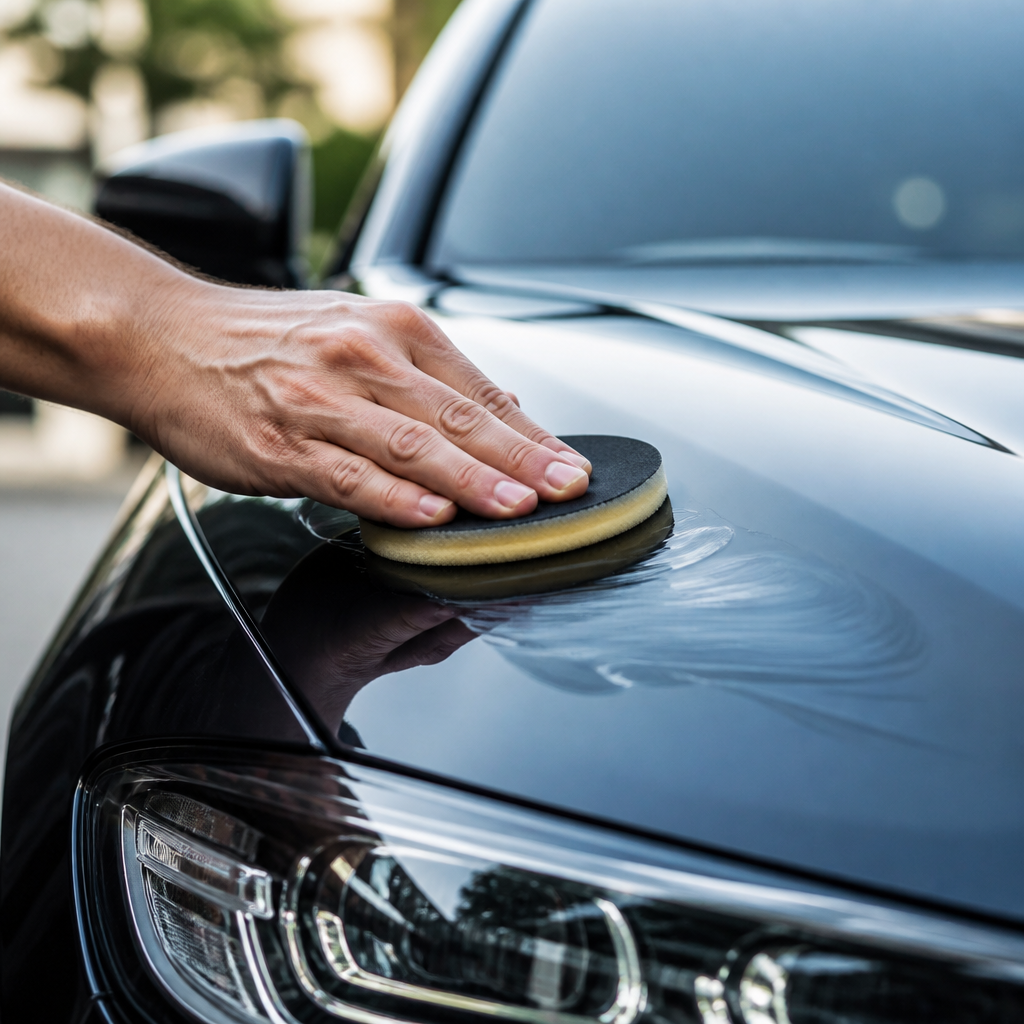
Applying car polish and car wax are distinct processes, each requiring its own techniques and considerations to get the best results. Knowing when to use each product and how to apply them correctly is key to taking care of your car’s paintwork effectively.
When Should You Use Car Wax vs Polish?
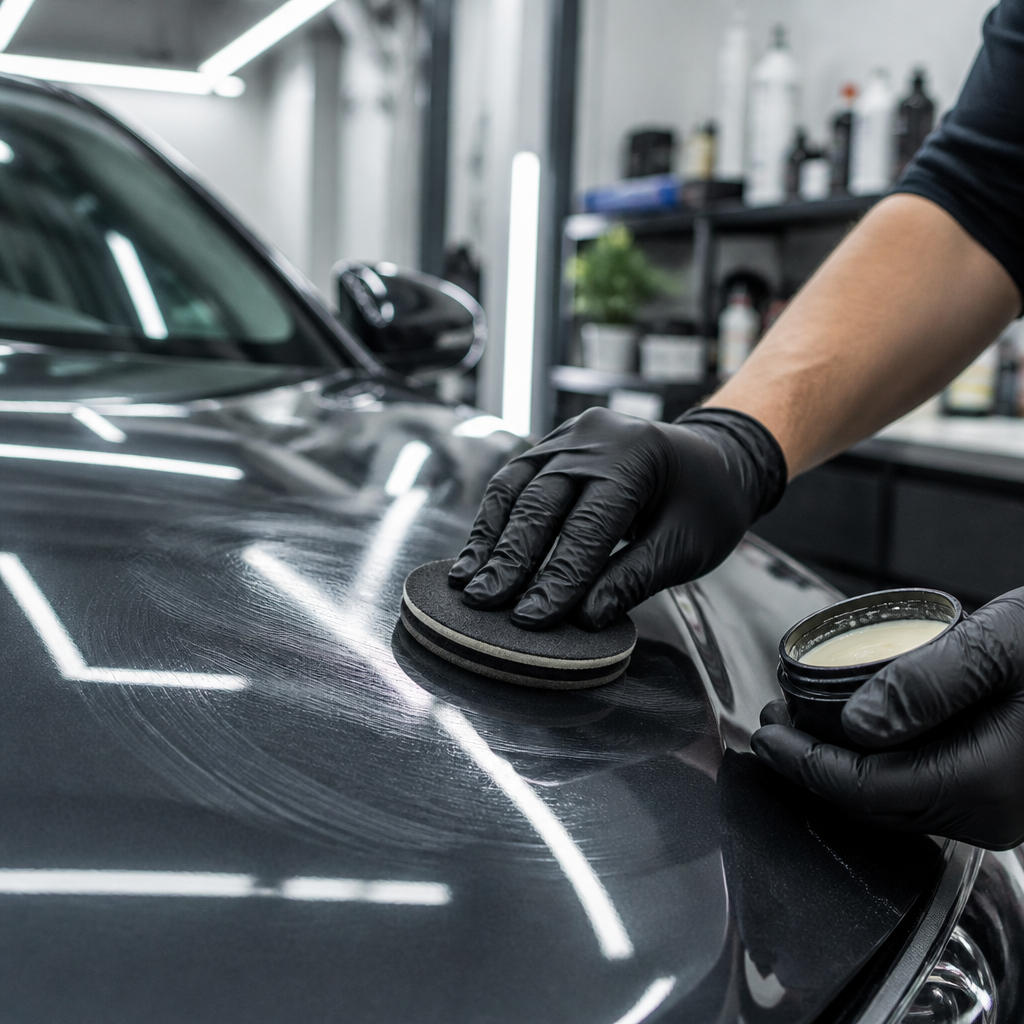
Knowing the right time to use car wax or car polish is critical for proper paint care. Polish should be used when your car’s paint shows clear flaws that detract from its appearance. These include swirl marks, oxidation, stubborn water spots, light scratches, or a general dullness that remains after washing. Polish works by removing a microscopic layer of the clear coat to level out these imperfections, restoring the paint’s original clarity.
Wax, on the other hand, is for regular maintenance and protection of paint that is already free of flaws. It should be applied every 1-3 months to maintain a protective barrier. Wax is also essential after polishing to seal the newly corrected surface. Applying wax before winter or summer can offer crucial protection against road salt, harsh UV rays, and extreme temperatures.
It’s important to use polish sparingly because each application removes a small amount of clear coat. Polishing too much or too aggressively can make the clear coat dangerously thin, possibly leading to expensive clear coat failure. Typically, you should only polish your car 1-2 times a year at most. For brand new cars, polishing usually isn’t needed for the first 2-3 years; regular waxing is sufficient to maintain the finish.
how to use car wax vs polish
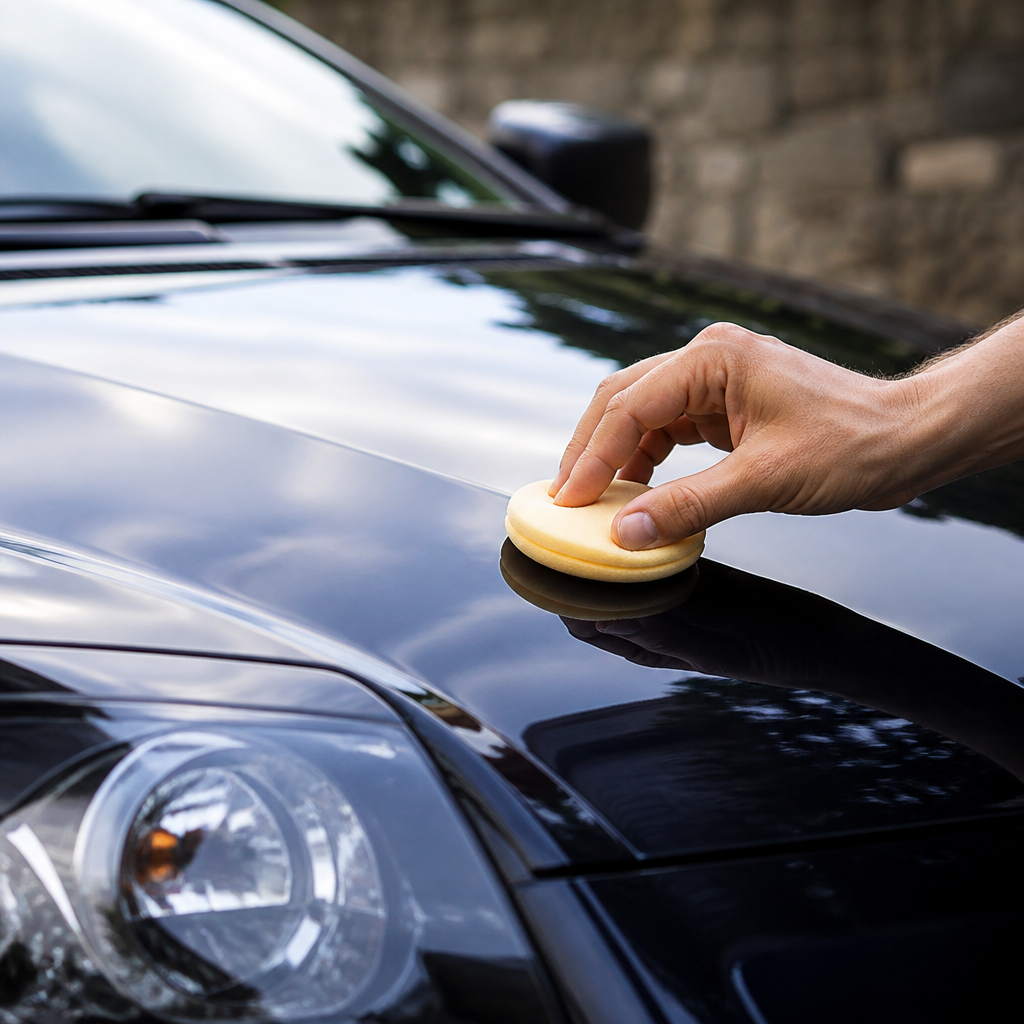
The application steps for car polish and car wax are different, and following the correct procedure is key to achieving a great finish without causing damage. _It’s best to work on a cool surface, out of direct sunlight, so the product doesn’t dry too quickly._
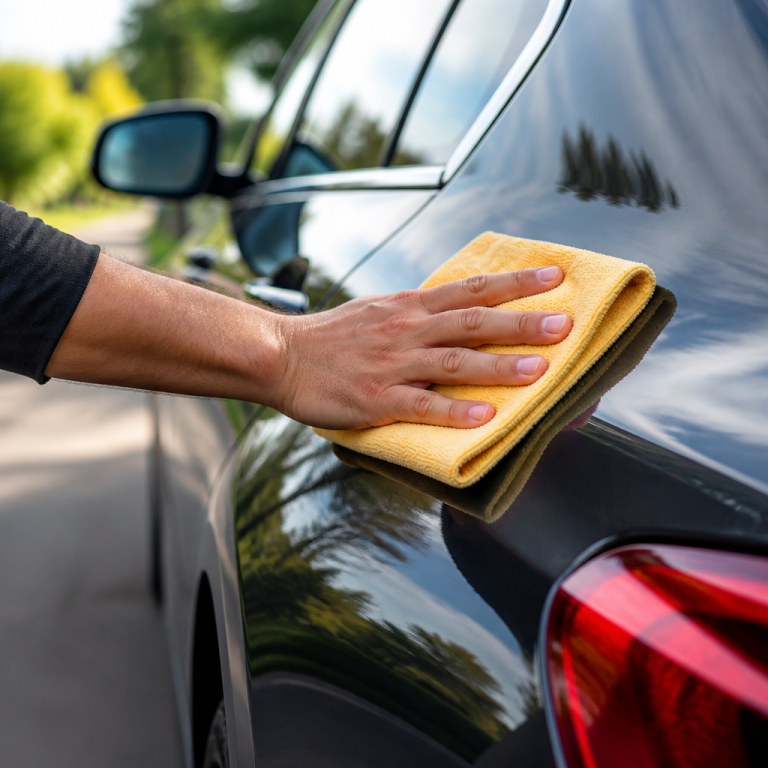
For polish application, start with a thoroughly washed and dried car. Working in small, 2×2 foot sections, apply a small amount of polish to a foam or microfiber applicator pad. Using medium pressure, work the polish into the section with circular or cross-hatch motions until the product becomes clear or nearly disappears. Before it dries completely, wipe off the residue with a clean, soft microfiber towel.
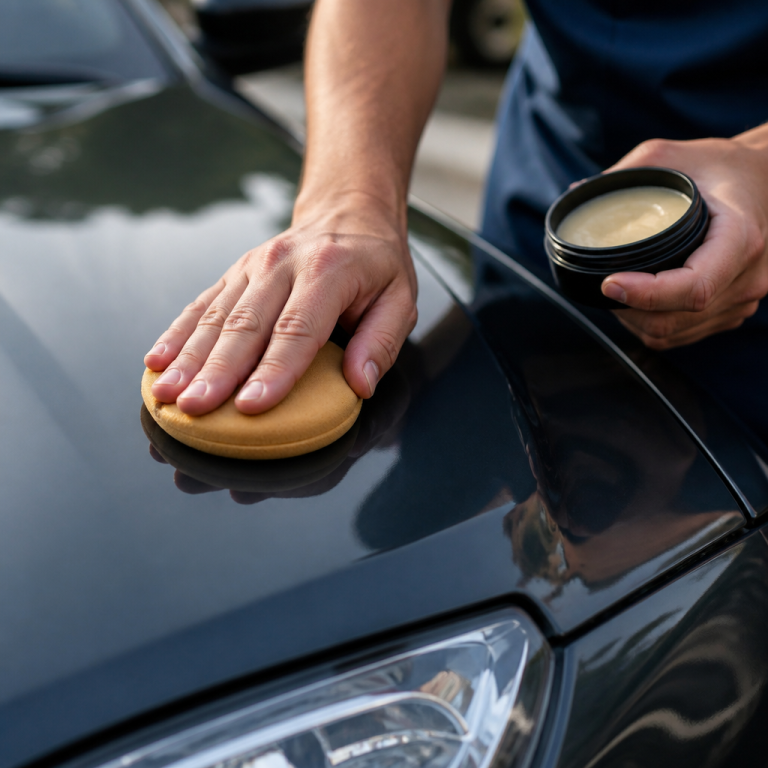
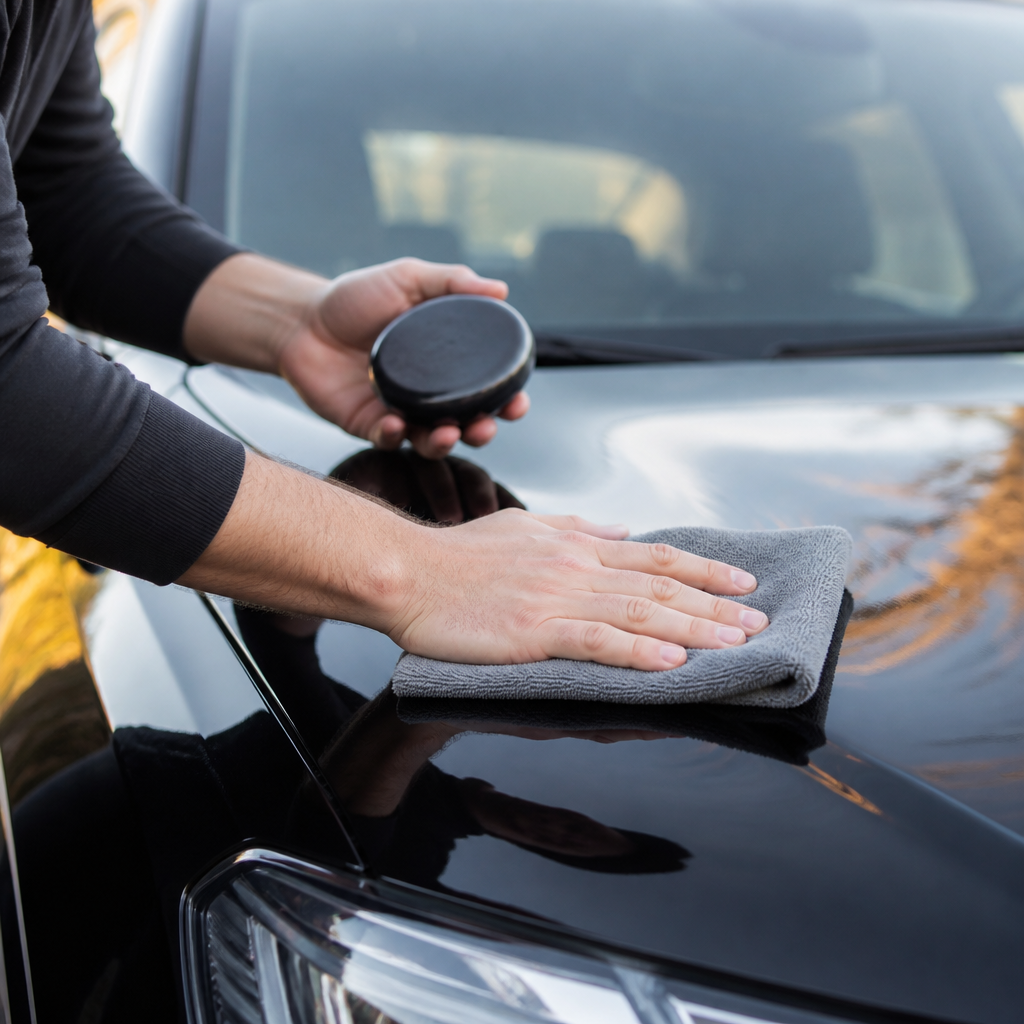
For wax application, also start with a clean and cool surface. Using a foam applicator, apply a thin, even layer of wax in straight, overlapping lines. Allow the wax to haze, which typically takes 5-10 minutes. Once hazed, gently buff the residue off with a clean, dry microfiber towel, using light pressure until a brilliant shine appears. A common mistake is applying too much wax, which only makes it harder to remove.
car wax vs polish application tips
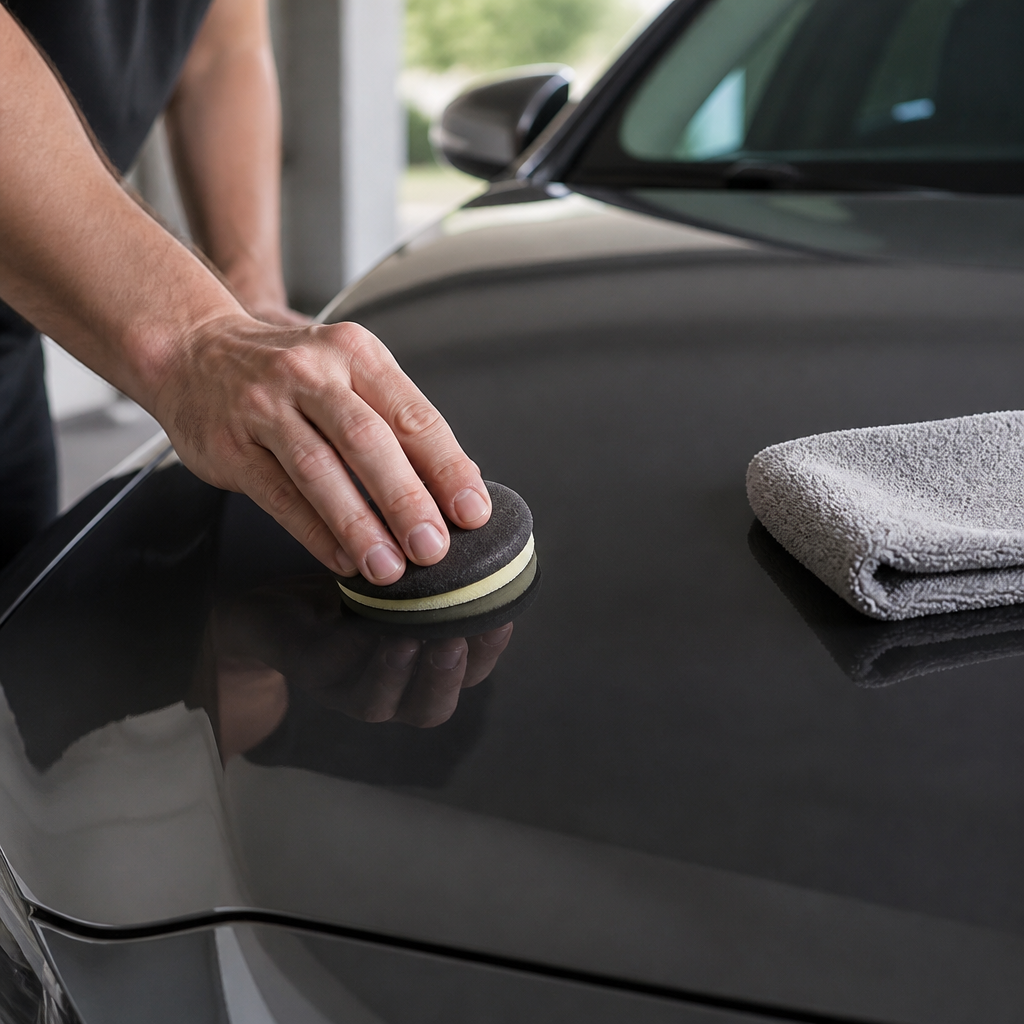
Achieving a professional-looking finish involves paying attention to several key tips that can dramatically improve your results.
- Test a Spot First: Always test any new polish or wax on a small, hidden area (like a door jamb) to ensure it’s compatible with your paint.
- Use the Least Aggressive Method: When correcting defects, start with the mildest polish and lightest pressure. Only increase the intensity if the flaws remain.
- Use Quality Towels: High-quality microfiber towels (300 GSM or higher) are essential. Use separate towels for polish removal and wax buffing to avoid cross-contamination.
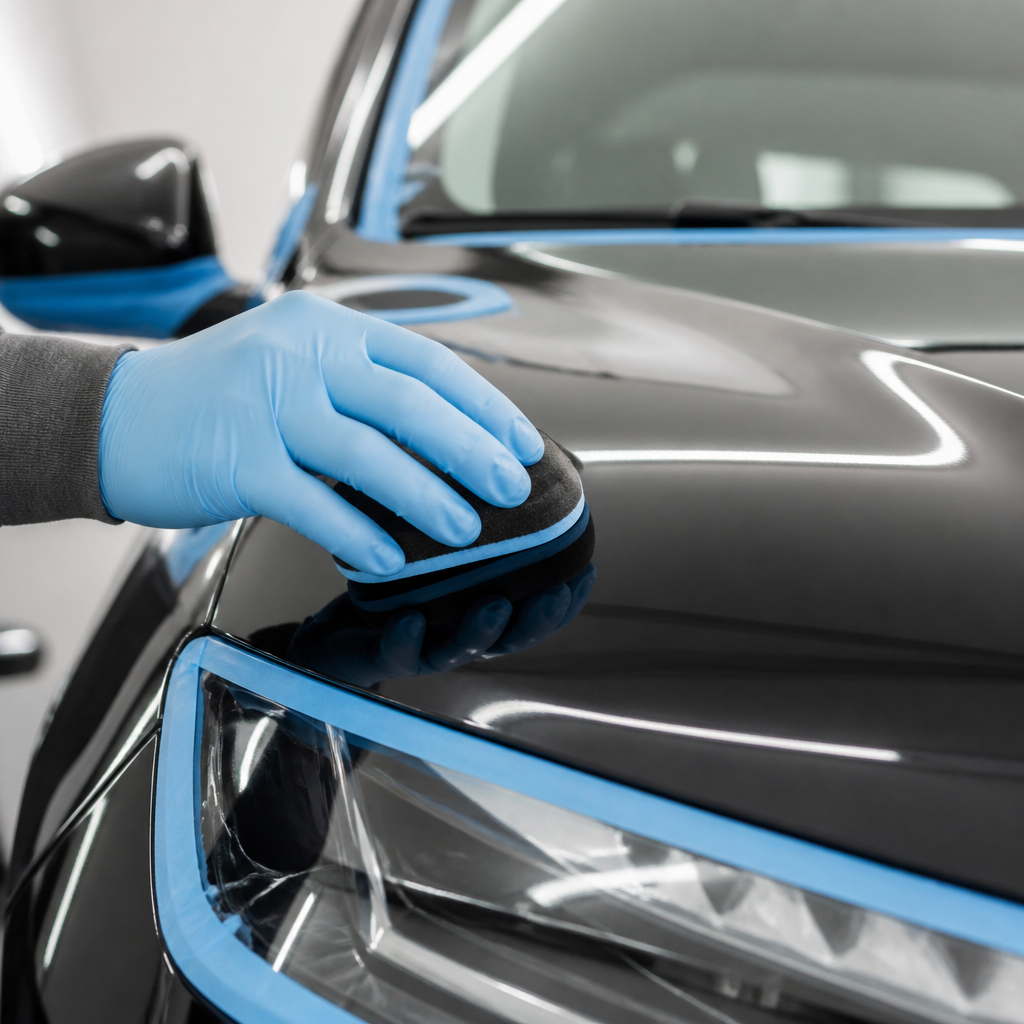
- Protect Your Trim: Before polishing, use painter’s tape to cover rubber seals, plastic trim, and emblems to prevent staining and difficult cleanup later.
Following these tips helps ensure a smooth, flaw-free, and protected finish. Always use the least aggressive method first when tackling paint defects. This approach is crucial because you cannot undo the removal of too much clear coat from over-polishing.
car wax vs polish for beginners
For those just starting in car care, the world of detailing can seem overwhelming. A great starting point is using “all-in-one (AIO)” products. These formulas combine a light polish with a wax or sealant, offering minor paint correction and protection in a single step. AIOs are safer for first-timers as they contain very fine abrasives, reducing the risk of paint damage.
Applying products by hand is also highly recommended for beginners. While machine polishers are faster, they carry a higher risk of causing damage if used improperly. Hand application allows you to get a better feel for the process and minimizes potential mistakes. Common beginner errors include working in direct sunlight, using dirty towels, and applying too much pressure. A little patience goes a long way.
A good beginner sequence is:
- Thoroughly wash the car with a pH-neutral soap.
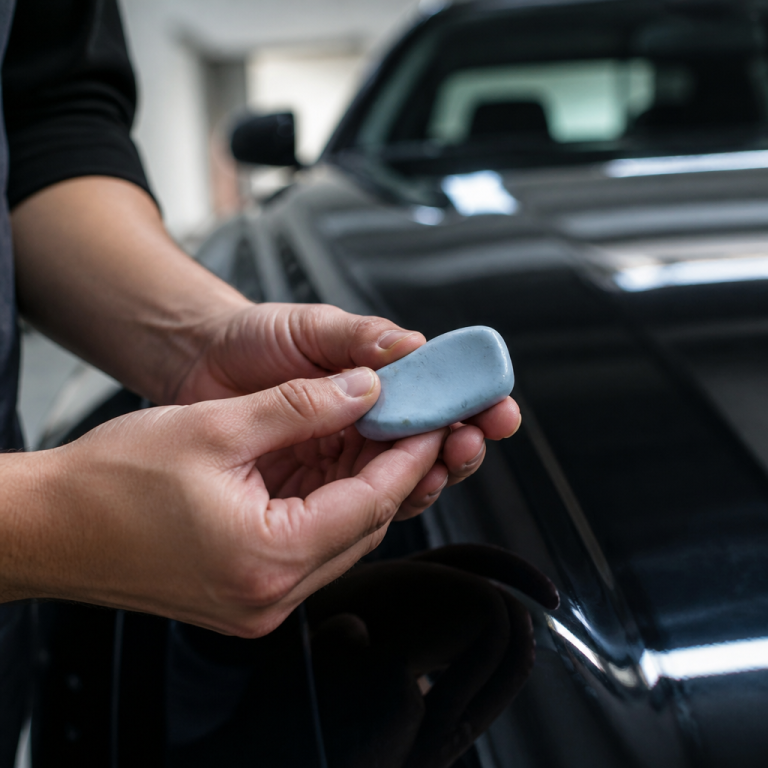
- Use a clay bar to remove bonded contaminants.
- Apply an all-in-one product for light correction and protection.
- Optionally, add a dedicated layer of wax for enhanced shine and durability.
Car Wax vs Polish Outcomes and Use Cases
Understanding the specific results and the right situations for using car wax and car polish is crucial for maintaining your vehicle’s appearance. Each product plays a distinct role in addressing paint flaws and providing protection.
car wax vs polish for scratches
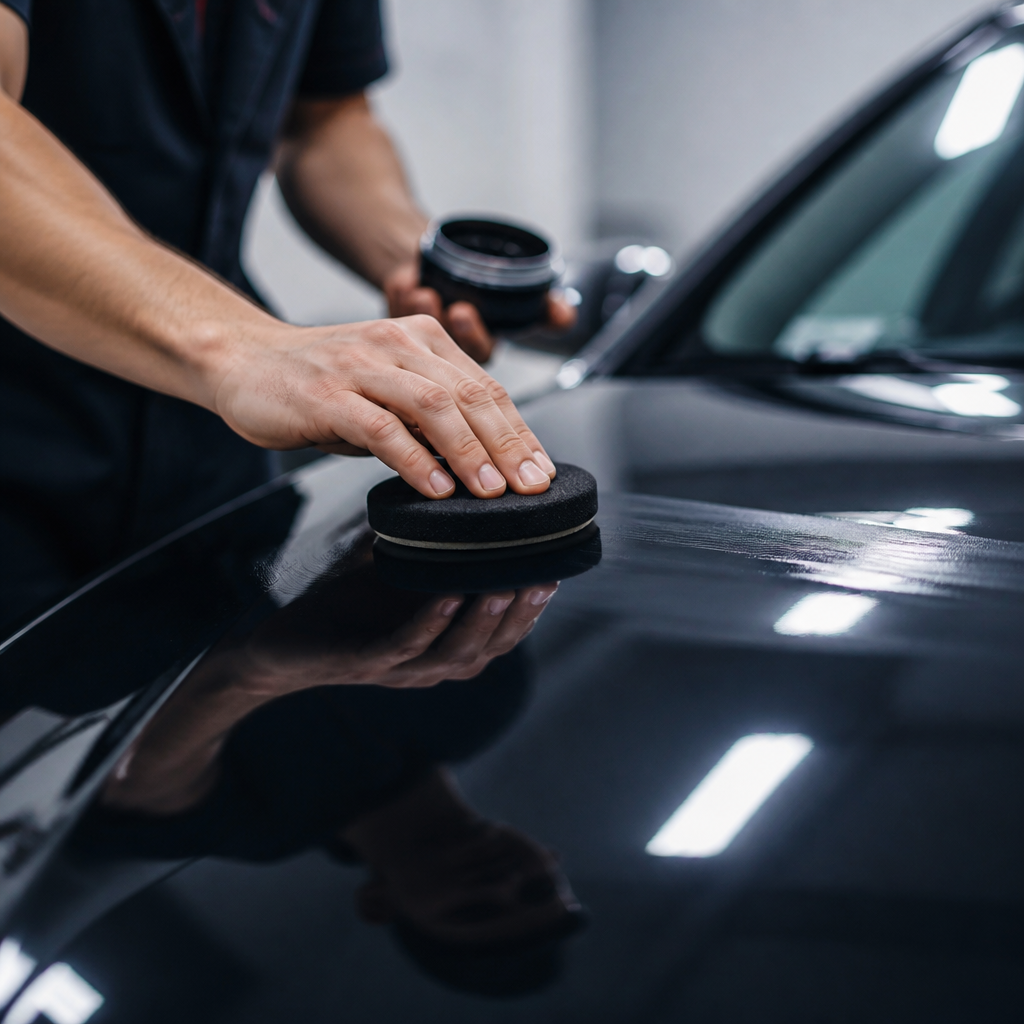
When it comes to fixing scratches, the choice between wax, polish, or a stronger “compound” depends entirely on the scratch’s depth. Shallow scratches that don’t catch your fingernail can often be removed with a fine polish. Scratches that slightly catch your nail may require a medium-cut polish. _If a scratch catches your fingernail, polish alone will likely not be enough to remove it completely._ Scratches that have penetrated the clear coat to the color or primer layers cannot be fixed by polishing and will require touch-up paint or professional repair.
It’s really important to understand that wax cannot remove scratches; it can only hide them temporarily. Wax fills in the groove, creating an optical illusion of smoothness, but this effect disappears as the wax wears off in 1-3 months.
A simple “water test” can help determine a scratch’s depth. If the scratch disappears when wet, it’s likely only in the clear coat and can be polished. If it remains visible, it’s probably deeper. For more serious clear coat scratches, a multi-stage correction process involving compounds and various polishes may be necessary, always followed by a protective layer of wax or sealant.
car wax vs polish results
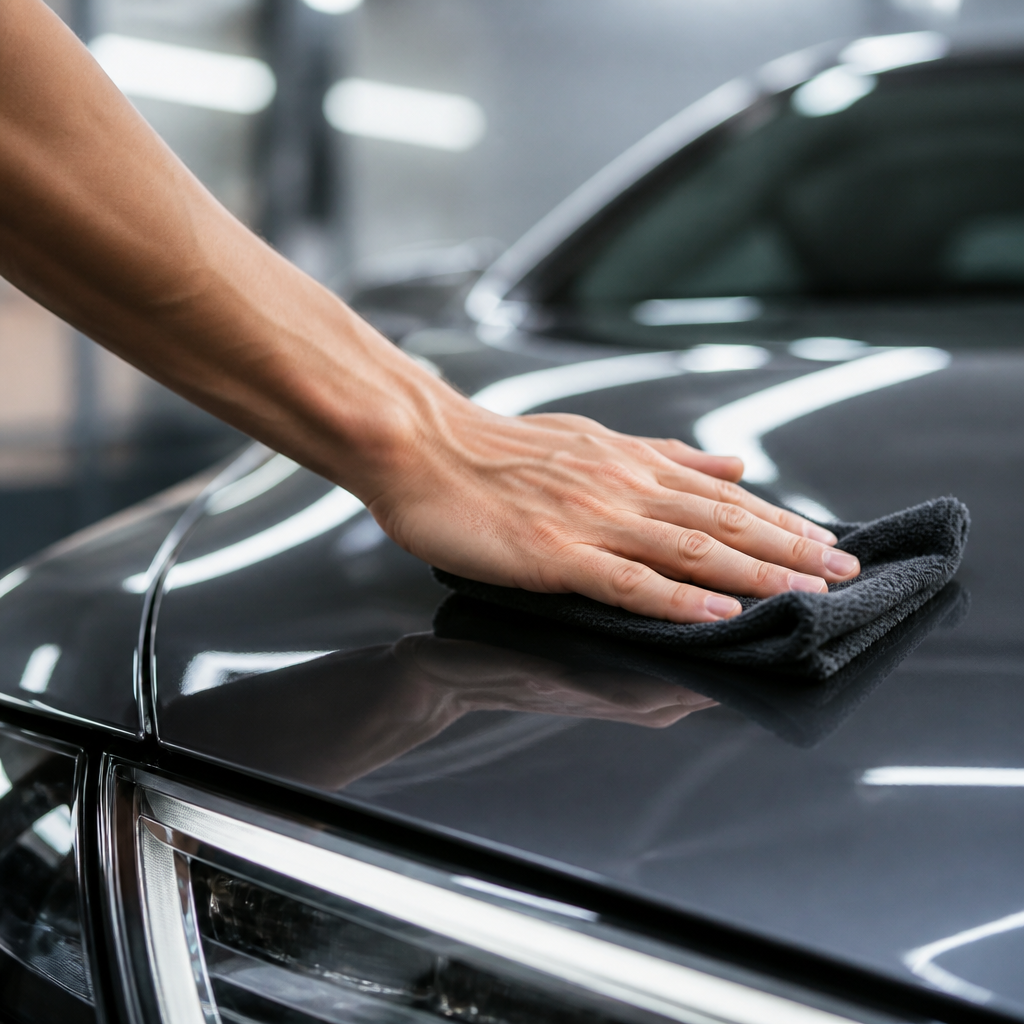
The outcomes from using car polish and car wax are distinct and measurable, offering different benefits to your car’s paintwork.
Polish results are often dramatic, especially on neglected paint. The fixing effects of polish are permanent; once defects are removed, they’re gone until new damage happens. Gloss meters can show a 15-40% increase in shine after polishing oxidized paint. The improvement is most noticeable on dark-colored cars, where swirl marks and imperfections are more visible, transforming a dull surface into a deep, mirror-like finish.
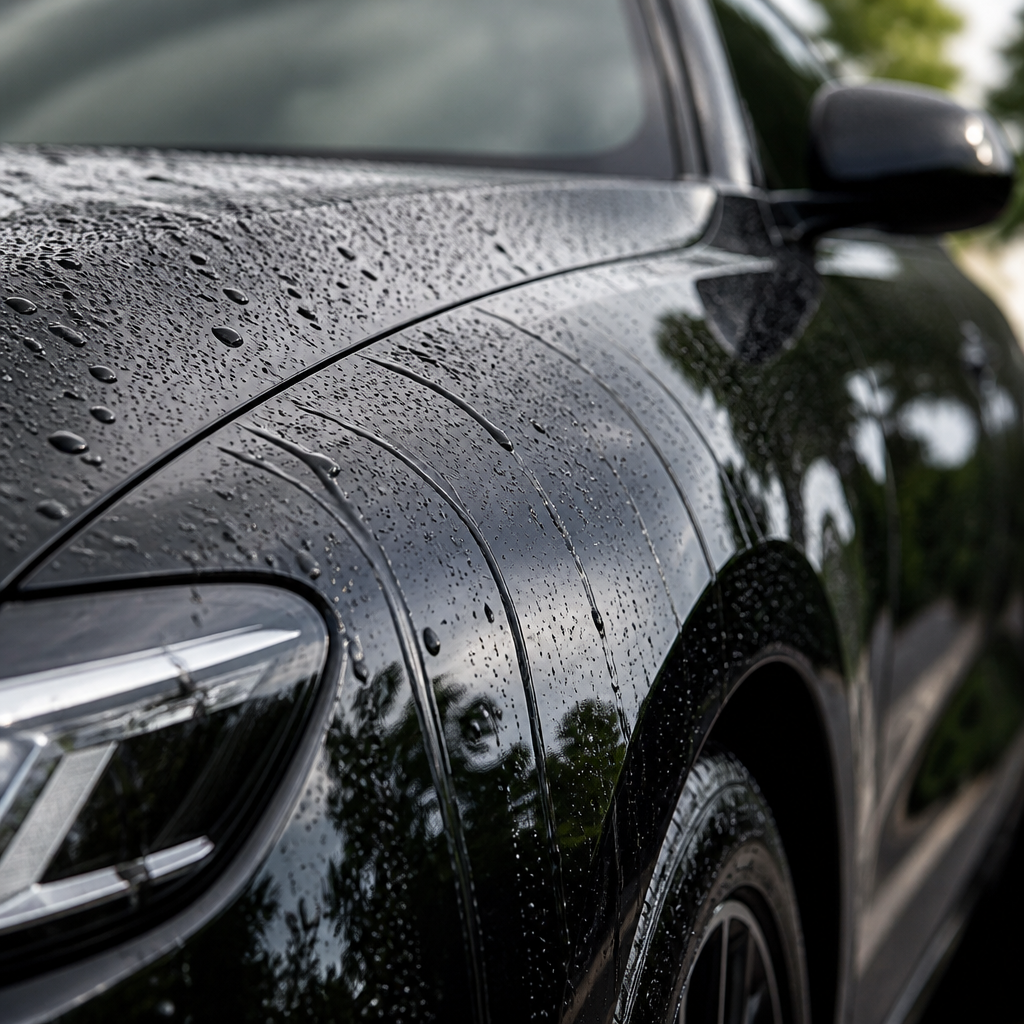
Wax results, while not corrective, provide measurable improvements in protection and appearance. A key outcome is increased hydrophobicity (water repellency), which causes water to bead up and roll off, helping to prevent water spots. Wax can also add a 5-15% increase in gloss on an already smooth surface, adding depth and richness. This protective barrier reduces how much dirt sticks to the paint and provides measurable protection against UV-induced oxidation, preserving the paint’s color and integrity over time. A properly polished and waxed surface can retain 85-90% of its initial gloss after six months with regular maintenance.
FAQ
Q1: What is the main difference between car wax and car polish?
A1: The main difference is their job: car polish is like a very gentle scrubber that removes a thin layer of clear coat to fix surface flaws like scratches and swirl marks, making the paint clear again. Car wax is a non-scrubbing protective coating that creates a shield to protect the paint from UV rays and dirt, while also boosting its shine.
Q2: Can I use car wax to remove scratches from my car’s paint?
A2: No, car wax cannot actually remove scratches. It can only temporarily hide very tiny scratches by filling them in, making them less noticeable. For actual scratch removal, you need to use a car polish or a stronger compound, depending on how deep the scratch is.
Q3: How often should I apply car wax versus car polish?
A3: You should typically apply car wax every 1-3 months for regular care and protection. Car polish, because it removes clear coat material, should be used sparingly—generally 1-2 times per year at most, or only when you see clear paint flaws like swirl marks or faded paint.
Q4: Is it necessary to polish my car before waxing?
A4: It depends on your car’s paint condition. If your car’s paint has visible flaws like swirl marks, light scratches, or fading, then polishing is a necessary first step to fix these imperfections before applying wax. If the paint is already in good condition and looks smooth, wax alone is enough for protection and shine.
Q5: What are all-in-one (AIO) products, and are they good for beginners?
A5: All-in-one (AIO) products combine a light polish with a wax or sealant in one single product. They offer minor paint correction and a layer of protection at the same time. AIOs are generally recommended for beginners because they are less aggressive than dedicated polishes and make the detailing process simpler, reducing the risk of paint damage.

Jake Morrison writes about DIY car care at CarCareNote. He’s been detailing cars in his Ohio driveway for over a decade and shares what actually works at home.