how to clean windshield inside: 5 Easy Streak-Free Tips
Keeping your car's interior windshield sparkling clean isn't just about appearances; it's crucial for safety, ensuring you have the clearest possible view of the road. Many car owners eventually notice a stubborn, hazy film building up on the inside of the glass. This isn't merely dirt; it's often a result of "off-gassing." This process occurs when the plastics, vinyl, and other materials in your dashboard and car's interior slowly release gases. These gases then condense on the cooler glass, creating that annoying, vision-reducing haze. This haze is especially problematic when driving into the sun or at night. The good news is, you can finally achieve a perfectly streak-free, crystal-clear windshield with the right approach and a few simple tools.
Preparation and Cleaning Methods
How to clean windshield inside of car
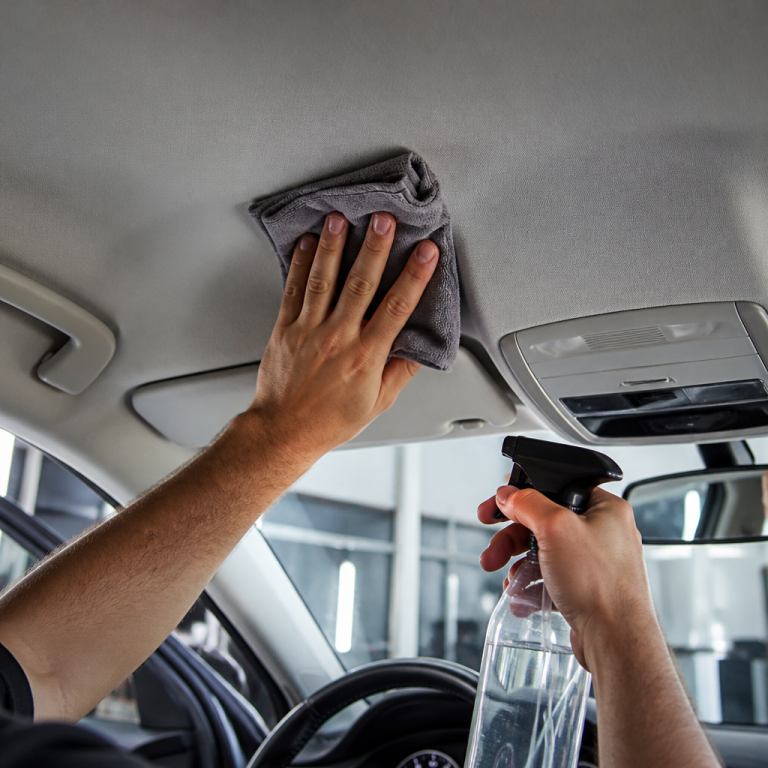
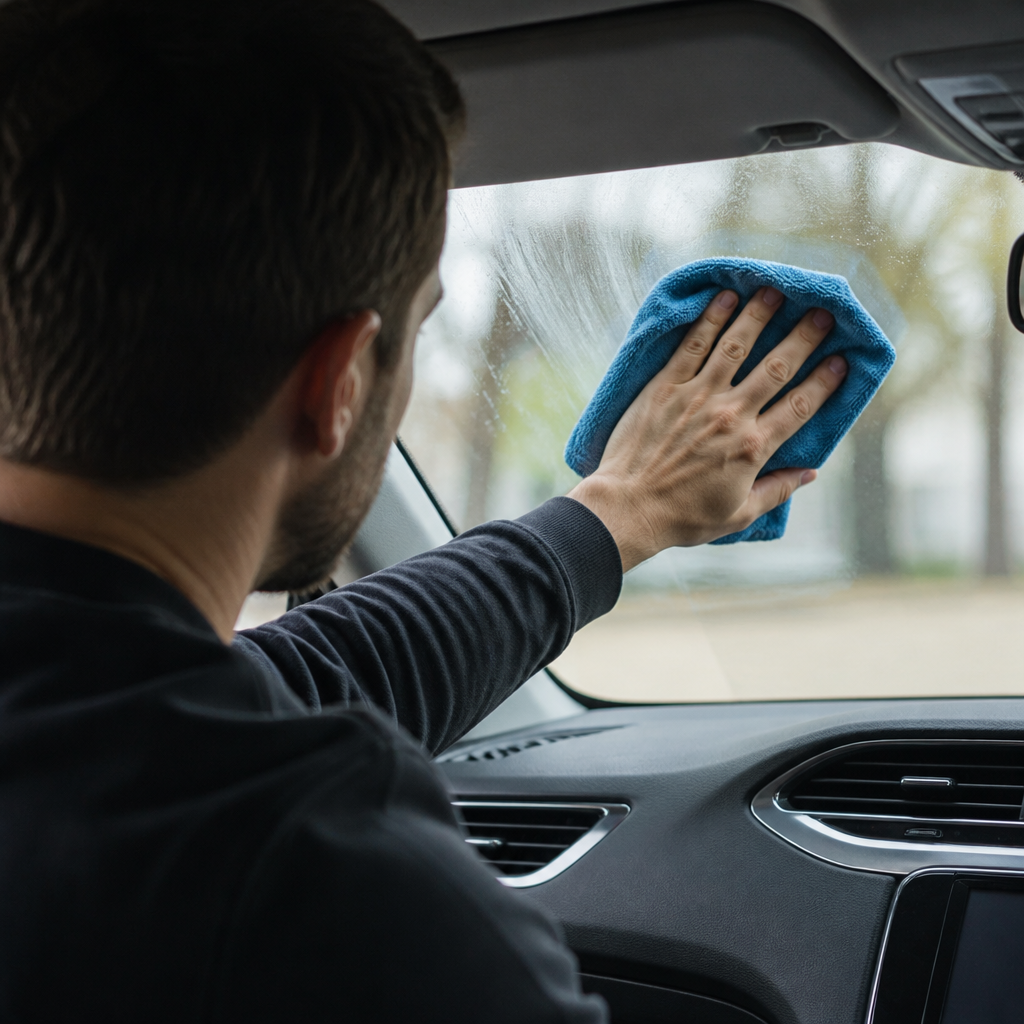
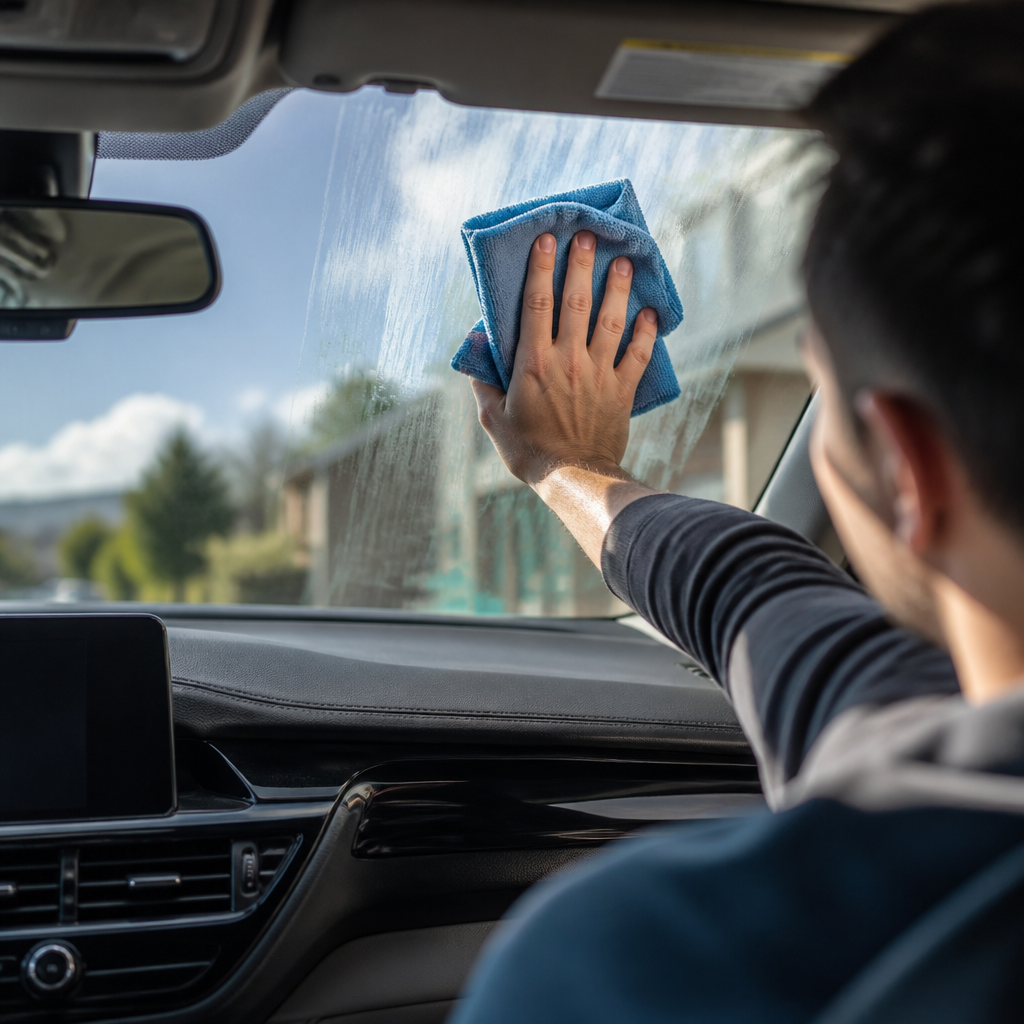
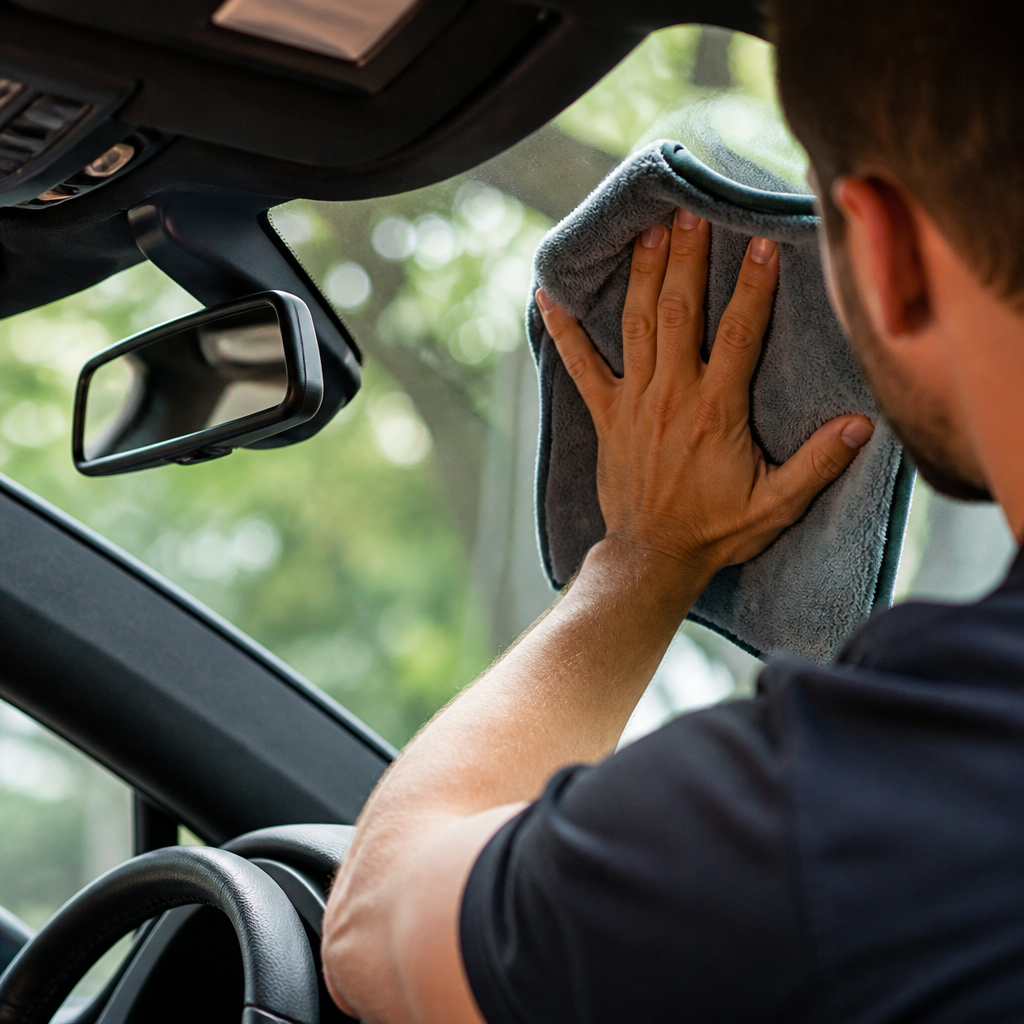
Effectively cleaning the interior of your car's windshield means tackling that hazy film head-on. As mentioned, this film comes from "off-gassing"—think of it as a subtle, continuous release of vapors from your car's interior plastics, similar to that "new car smell" but leaving a deposit on your glass. To achieve a truly clean result, a "two-towel method" is incredibly effective. Start by dampening a soft microfiber towel with your chosen glass cleaner for the initial wipe-down. Then, immediately follow up with a second, completely dry microfiber towel for buffing. Begin by wiping in gentle circular motions to break down the film, and finish with straight vertical strokes to help eliminate any potential streaks.
One tip that significantly improved my cleaning results was to clean from the passenger seat. This position often provides a much better angle, allowing you to reach across the entire windshield without straining or missing spots. Work systematically, cleaning small sections at a time, moving from the top of the windshield downwards. This prevents any drips from falling onto areas you've already cleaned, saving you from re-wiping. For those notoriously tricky spots where the windshield meets the dashboard, an extendable microfiber cleaning tool, typically 12-18 inches long, is a game-changer. It allows you to reach deep into those corners without uncomfortable stretching, ensuring all critical viewing areas are spotless. _If the windshield is warm—say, from direct sunlight—the cleaning solutions can evaporate too quickly, leaving behind frustrating residue and streaks._
How to clean windshield inside with vinegar
For those seeking a natural, budget-friendly alternative to commercial cleaners, white distilled vinegar is an excellent choice for your car's windshield. Its secret weapon is acetic acid, usually at a 5% concentration, which acts as a powerful natural degreaser. This makes it effective at dissolving the oily films and residues that build up from dashboard off-gassing.
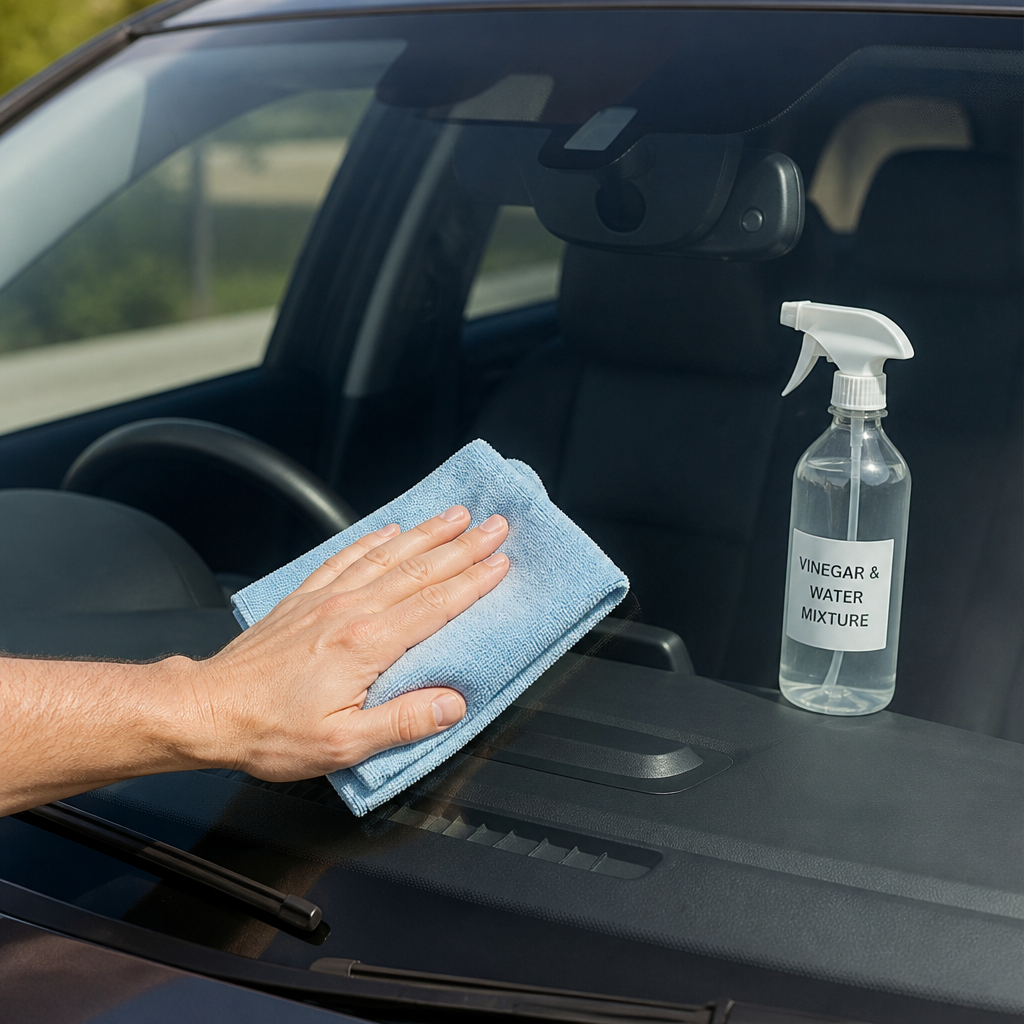
To create your own effective cleaning solution, simply mix equal parts white distilled vinegar and distilled water in a spray bottle. Using distilled water is crucial here; unlike tap water, which can contain minerals that leave behind water spots or streaks, distilled water is pure and won't add any unwanted deposits. When applying your homemade solution, always spray it directly onto your microfiber cloth first, rather than directly onto the windshield. This simple step helps you control the amount of liquid, preventing any overspray from dripping onto sensitive dashboard electronics or upholstery. While vinegar does have a distinct smell, it's typically temporary, dissipating within 15-30 minutes after cleaning. My go-to trick is to open the car windows during and after cleaning to help air out the scent even faster. Beyond its effectiveness, vinegar is incredibly economical. A 16 oz bottle of a 50/50 vinegar-water solution can cost as little as $0.25, a significant saving compared to commercial glass cleaners that often range from $3.50-$5.50 for the same amount. While vinegar might require a bit more elbow grease for very heavily soiled windshields, it's generally considered much safer for tinted windows, as ammonia can damage tint films over time.
How can I clean the windshield inside without streaks?
Achieving a "streak-free" windshield means reaching that perfect level of transparency where no lines, smears, or hazy spots interfere with your view. This elusive goal is primarily reached by ensuring that all cleaning product residue is completely removed and by preventing any improper drying patterns.
From my own frustrating experiences, I've learned that streaks often form when a cleaning solution dries too quickly before you can buff it away, when you apply too much product, or when you use low-quality towels that leave behind lint and fibers.
To banish streaks for good, follow these key steps:
- Invest in the right tools: Use high-quality, lint-free, and highly absorbent microfiber cloths. Cheaper cloths can leave lint behind, leading directly to streaks.
- Use less product: Remember that less is often more. Typically, 2-3 sprays per section of the windshield are sufficient to avoid excess that can't be fully buffed away.
- Perfect your technique: For the final buffing, wipe in straight lines—either vertical or horizontal. Straight strokes are more effective at preventing swirl marks.
- Perform a final inspection: Look at your windshield from multiple angles in natural daylight. Streaks that are invisible from one seat can become obvious when the sun hits the glass.
- Control the environment: Try to avoid cleaning on days with high humidity (above 70%). An ideal humidity range for cleaning is typically between 40-60%.
How to clean windshield inside hard to reach corners
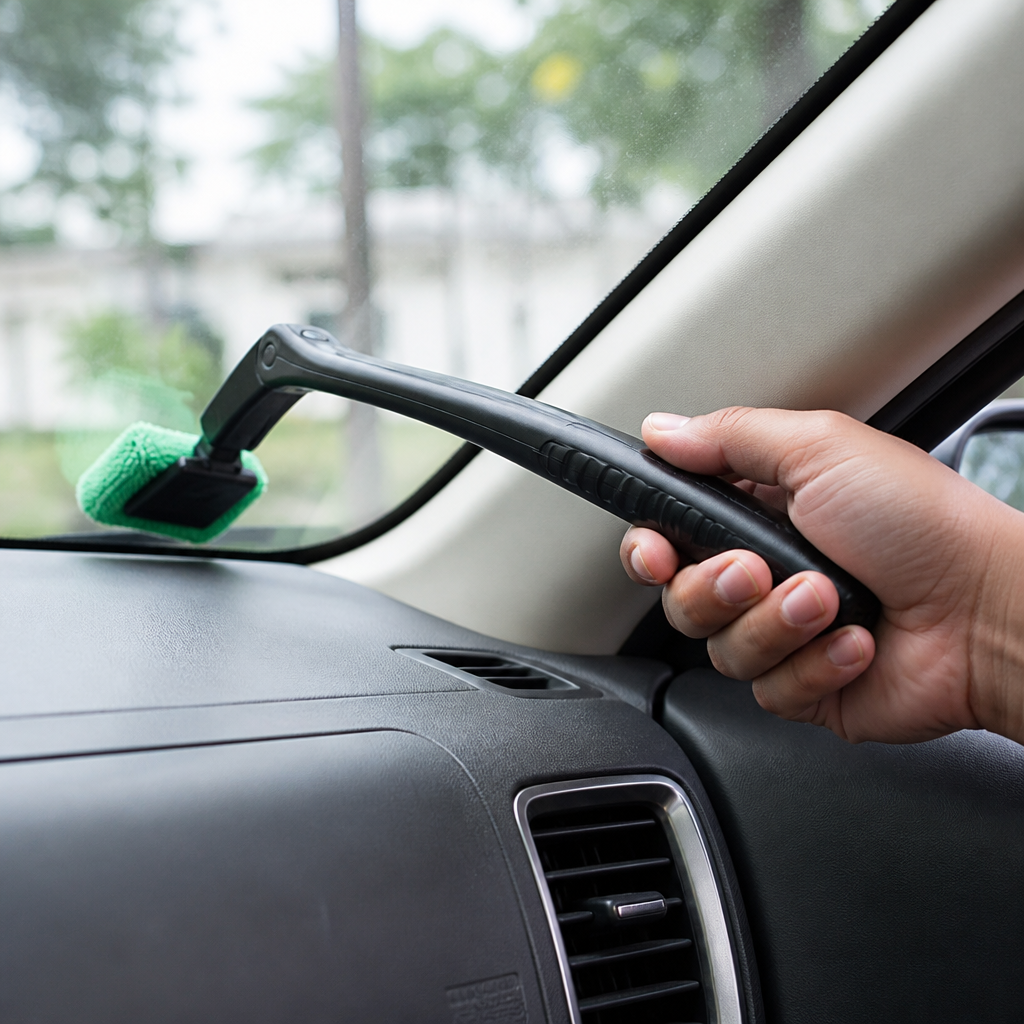
Some areas of your car's windshield seem designed to frustrate even the most meticulous cleaner. These notoriously difficult spots include the tight junction where the dashboard meets the glass, the lower corners near the defroster vents, and the upper corners around the rearview mirror mounting. This is where specialized tools with pivoting heads (angling from 45-90 degrees) and long handles (12-18 inches) really shine.
If you don't have a specialized tool handy, a clever DIY method can come to the rescue. Simply wrap a microfiber cloth around a plastic ruler or a clean paint stir stick and secure it tightly with rubber bands. This creates a slim, firm tool that can effectively access those tight corners. For those absolutely tiny, extreme corners, cotton swabs or detailing swabs dipped in glass cleaner are surprisingly effective. To make accessing the lower corners easier, try reclining the passenger seat as far back as it goes. A proactive approach of regular cleaning, perhaps every two weeks, prevents heavy buildup in these tricky corners, making routine maintenance far easier.
Troubleshooting and Product Recommendations

How to clean a foggy windshield inside?
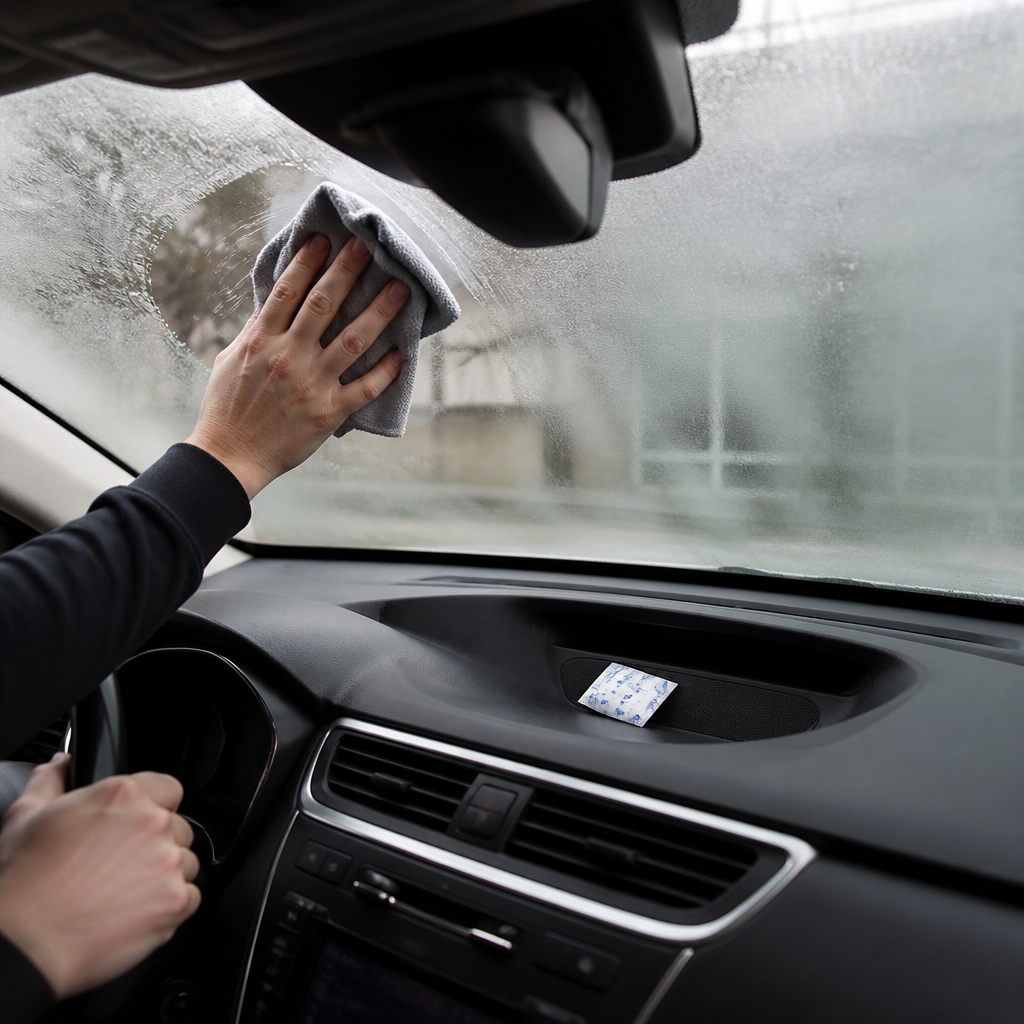
Interior windshield fogging is a common annoyance that occurs when warm, humid air inside your vehicle meets the cooler glass surface, causing water vapor to condense into tiny droplets that obstruct your visibility. If your windshield remains persistently foggy even after a thorough cleaning, it could be a sign of a few underlying issues: either residual film that wasn't completely removed, moisture trapped within the defroster system, or a damaged windshield seal allowing external moisture to sneak in.
To figure out if you're dealing with condensation or a stubborn oily film, wipe the glass with a dry cloth. If the obstruction disappears, it was just condensation. If a smear or haze remains, you have a film that needs deep cleaning, possibly with isopropyl alcohol (70% concentration). To proactively reduce interior humidity, consider placing moisture-absorbing products like silica gel packets on your dashboard. Anti-fog products, which contain surfactants, can also be applied every 2-4 weeks to prevent droplets from forming. Before driving, running your defrost mode with the air conditioning (AC) on for 3-5 minutes can be very effective as the AC dehumidifies the interior air.
Best products to clean windshield inside
When picking the right product, you'll find several options tailored to specific needs, from powerful cleaners for tough grime to gentle formulas for delicate surfaces. Even the best cleaner is only as good as the cloth you use. The quality of your cleaning cloth is just as important as the cleaner itself. High-quality microfiber towels, like those from Chemical Guys (16×16 inches, 350 GSM), are highly rated for their lint-free, streak-free results.
Here is a breakdown of the best product types for cleaning your windshield's interior:
| Cleaner Type | Best For | Recommended Product | Key Feature |
|---|---|---|---|
| Ammonia-Based | Non-tinted windows | Invisible Glass Premium | Exceptional streak-free performance and powerful film removal. |
| Ammonia-Free | Tinted windows | Stoner Invisible Glass | Effective and recognized as safe for protecting tint films. |
| Natural/DIY | Eco-friendly cleaning | Simple Green or 50/50 Vinegar Mix | Cleans effectively without the use of harsh chemicals. |
| Anti-Fog | Preventing fog buildup | Rain-X Anti-Fog | Provides fog prevention for 3-4 weeks per application. |
_It's generally advisable to steer clear of products containing wax, silicone, or petroleum distillates._ These ingredients can leave behind a stubborn residue that attracts more dirt and creates bothersome glare. Independent testing often reveals only a minimal performance difference between premium and budget-friendly cleaners, suggesting your choice of microfiber towel and technique are most impactful.
Maintaining a clean interior windshield is a simple yet profoundly impactful way to enhance your driving experience and significantly boost your safety. By understanding the causes of interior haze and applying the correct techniques and tools, you can ensure a consistently clear view of the road ahead.
FAQ
Q1. What causes the hazy film on the inside of a car's windshield?
A1. The hazy film on the interior windshield is primarily caused by "off-gassing" from the plastics, vinyl, and other materials used in your car's dashboard and interior, which releases vapors that condense on the glass surface.
Q2. Can I use household vinegar to clean my car's windshield, and how?
A2. Yes, you can use white distilled vinegar. Mix equal parts vinegar and distilled water in a spray bottle. Spray the solution onto a microfiber cloth, then wipe the windshield. This method is cost-effective and generally safe for tinted windows.
Q3. What is the best way to prevent streaks when cleaning the inside of my windshield?
A3. To prevent streaks, use high-quality, lint-free microfiber cloths, apply minimal cleaner (2-3 sprays per section), and use straight wiping motions for the final buff. Also, avoid cleaning in high humidity and inspect the glass in natural daylight from multiple angles.
Q4. How can I reach the hard-to-access corners of my windshield?
A4. You can use specialized extendable cleaning tools with pivoting heads (12-18 inches long), or create a DIY tool by wrapping a microfiber cloth around a plastic ruler. For extremely tight spots, cotton swabs dipped in cleaner can be effective. Reclining the passenger seat can also help access lower corners.
Q5. What should I do if my windshield fogs up frequently after cleaning?
A5. Persistent fogging might indicate residual film, moisture trapped in the defroster system, or a damaged windshield seal. Try deep cleaning with isopropyl alcohol, place moisture absorbers like silica gel in your car, use an anti-fog treatment, or run your defrost with AC for a few minutes before driving. Inspecting your windshield seals for damage is also recommended.

Jake Morrison writes about DIY car care at CarCareNote. He’s been detailing cars in his Ohio driveway for over a decade and shares what actually works at home.