how to get smell out of car: 13 Proven Fixes Today
Stepping into your car for a drive only to be met with an unpleasant smell can put a damper on your journey. Whether it’s the lingering scent of a pet, an accidental spill, or a strange chemical odor, finding the source and tackling it is key to regaining a fresh interior. Discover clear, easy-to-follow steps to eliminate common car smells and restore a clean feeling to your vehicle.
What Are the Best Ways to Get Organic & Biological Smells Out of Your Car?
Organic and biological odors originate from substances that were once alive, such as food, pets, or spills. As these materials decompose, they release strong, lasting smells. Effectively removing these odors involves specific cleaning techniques that target the smell at its source, rather than merely masking it.
How to Get Dog Smell Out of Car
If your dog is a frequent passenger, you’ve likely noticed that a “dog smell” can linger in your car. This scent arises from pet dander, natural oils, saliva, and bacteria that accumulate on seats and carpets. Enzymatic cleaners are incredibly effective for these odors because they contain natural enzymes that break down the organic matter causing the smell, dismantling odor molecules instead of just covering them up.
To tackle that doggy odor, follow these steps:
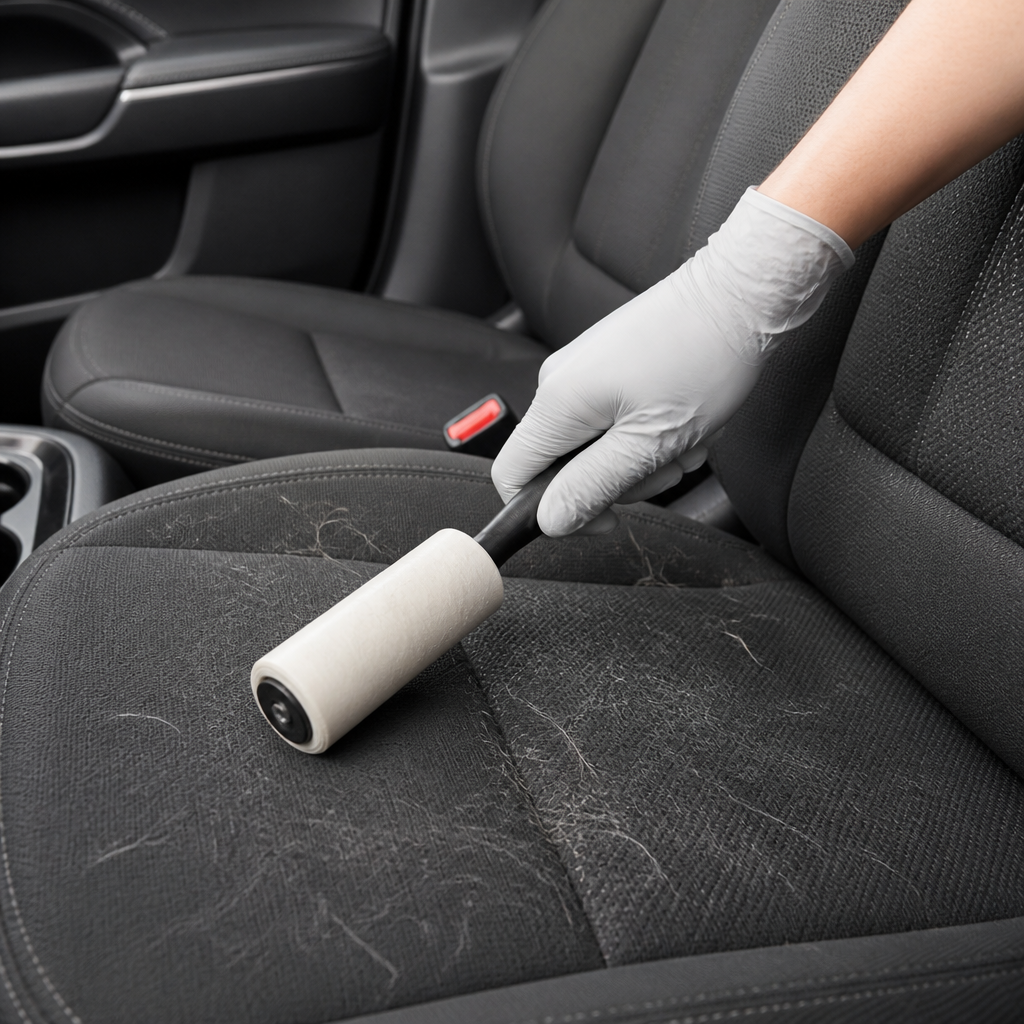
- Remove all visible pet hair using rubber gloves or a lint roller.
- Vacuum your car’s interior thoroughly, paying close attention to areas under the seats and in crevices.
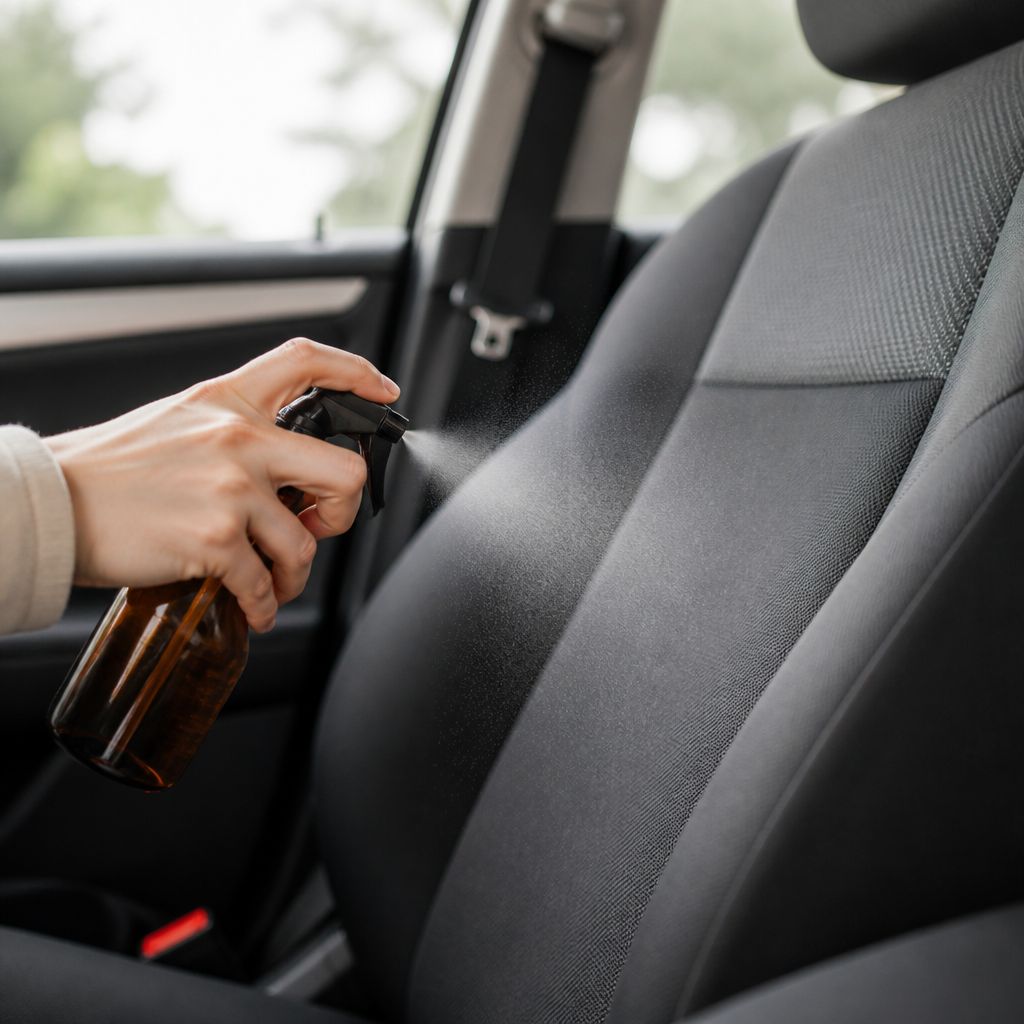
- Generously spray an enzymatic cleaner on all fabric surfaces your dog frequents.
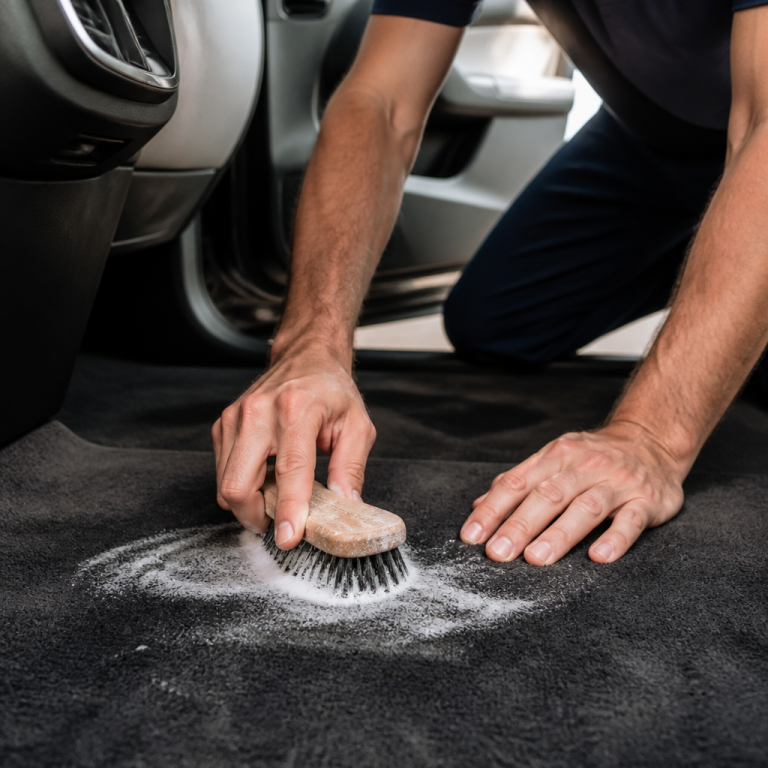
- For an extra punch, sprinkle plain baking soda on your carpets and seats, let it sit overnight (12-24 hours), and then vacuum it up.
For ongoing freshness, activated charcoal bags can silently absorb smells over time. Don’t overlook your cabin air filter; replacing it every 12,000-15,000 miles can significantly reduce persistent dog smells. Using waterproof seat covers and brushing your dog before car rides can also greatly help maintain a fresh scent.
How to Get Pee Smell Out of Car
Urine odor is notoriously difficult to eliminate because microscopic uric acid crystals adhere to surfaces and release an offensive ammonia gas. These crystals don’t dissolve easily in water and require specialized enzymatic cleaners for effective breakdown.
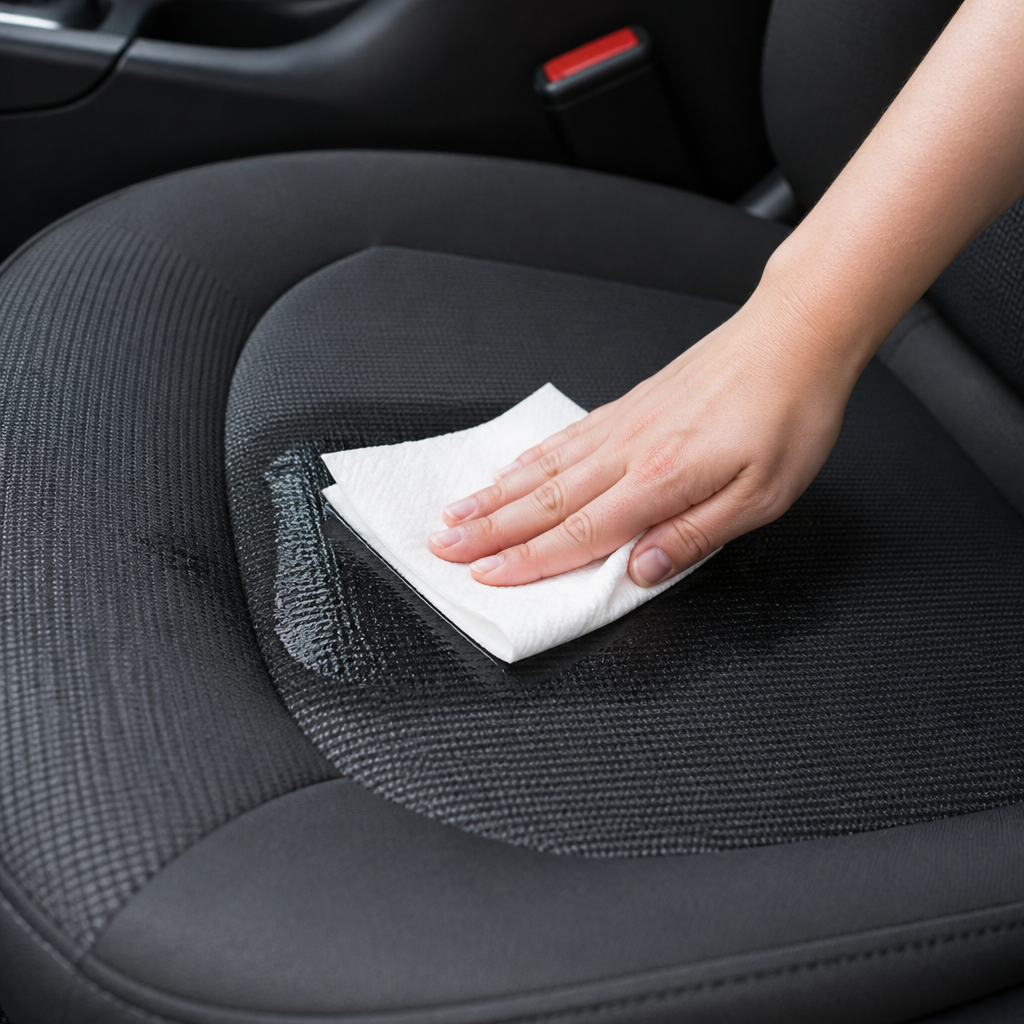
For fresh urine spills, acting quickly is essential. Blot up the liquid immediately with paper towels, pressing down to absorb as much as possible. Then, use an enzymatic cleaner specifically formulated for urine, ensuring you saturate the affected area thoroughly. Allow the cleaner to sit for about 10-15 minutes for the enzymes to work, then use a wet vacuum to extract it. You may need to repeat this process. A blacklight can be helpful for locating dried urine spots you might otherwise miss.
How to Get Throw Up Smell Out of Car
Discovering throw-up in your car is an unpleasant surprise, and the lingering odor can be very persistent. The smell lasts because stomach acids and partially digested food can seep deep into your car’s upholstery. Prompt action is critical. First, carefully scoop up any solid matter, being gentle to avoid pushing it further into the fabric. Then, blot any liquids from the edges inward.
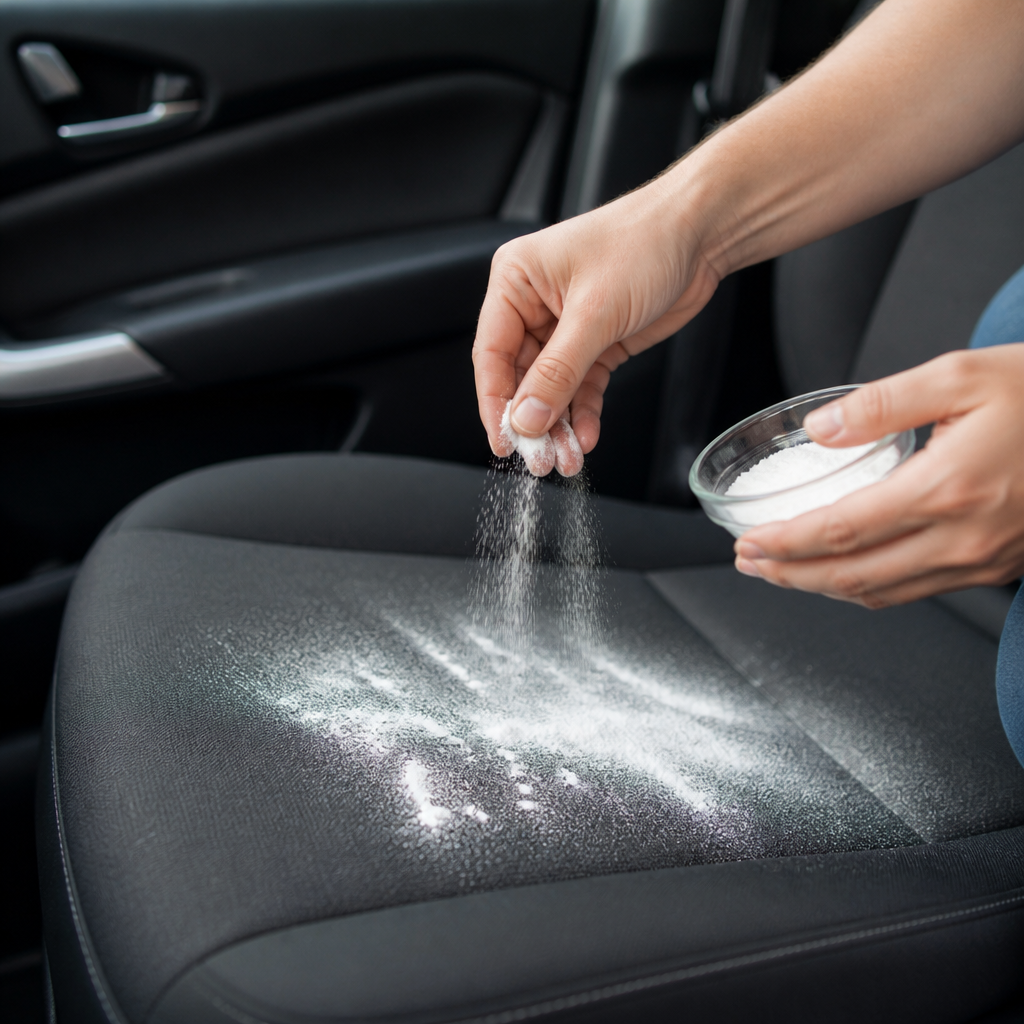
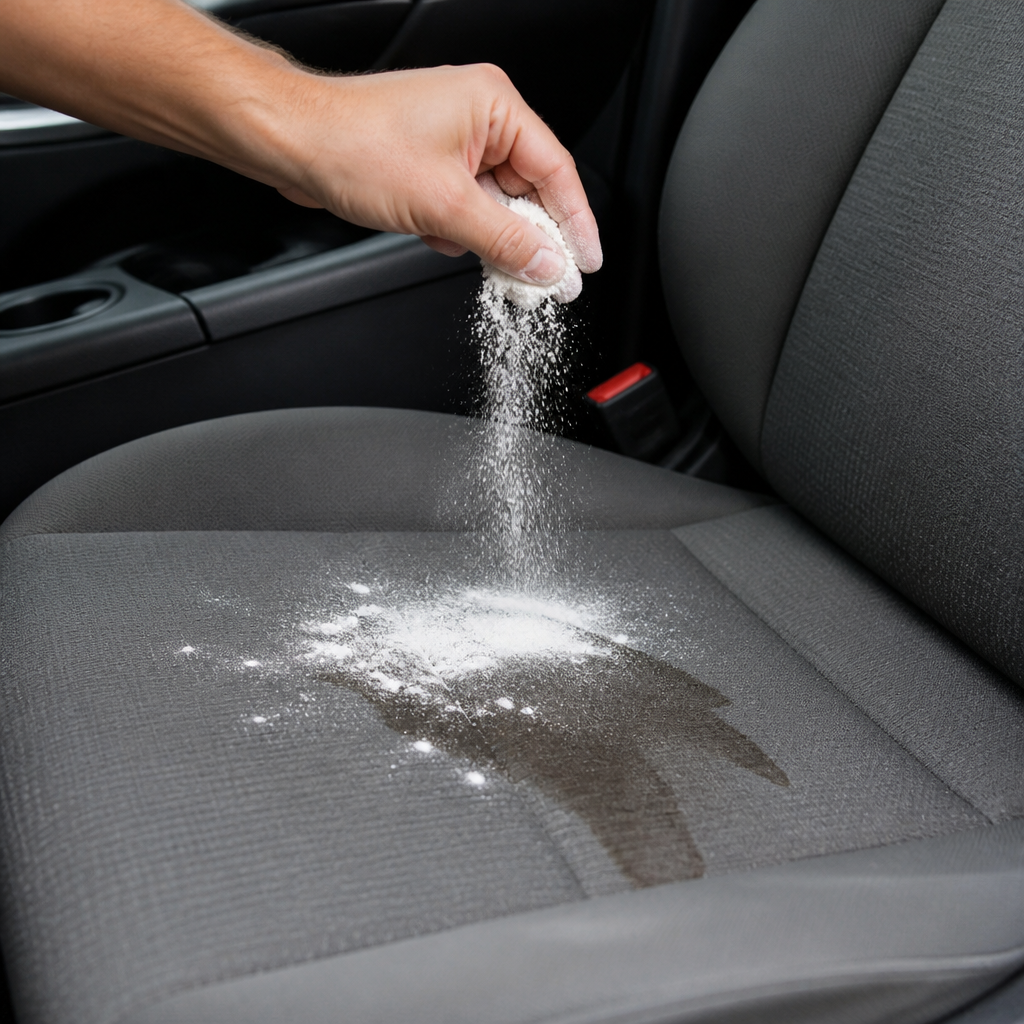
Next, generously sprinkle baking soda over the area to absorb moisture and neutralize stomach acids. Let it sit for 2-4 hours, then vacuum it up. After that, spray an enzymatic cleaner until the area is thoroughly wet, let it work for 15-20 minutes, then use a wet/dry vacuum or steam cleaner to extract the solution. A hydrogen peroxide solution (3% hydrogen peroxide mixed with two parts water) can also sanitize and deodorize. _Always test it on an inconspicuous spot first, as it might bleach darker fabrics._
How to Get Spoiled Milk Smell Out of Car
The spoiled milk smell is one of the most stubborn organic odors. It occurs when bacteria break down milk’s fats and proteins, producing potent butyric acid. To combat this, first locate all affected areas. Use a wet/dry vacuum to extract as much liquid as possible. Then, apply an enzymatic cleaner designed for dairy spills, saturating the area completely and letting it sit for about 30 minutes before extracting it again. Afterward, sprinkle baking soda liberally, leave it overnight, and vacuum in the morning. For very large spills, professional detailing might be necessary.
How to Get Wet Smell Out of Car
A damp or musty smell in your car typically signals the presence of mold and mildew, which thrive in damp conditions. The most critical first step is identifying and rectifying the source of moisture.
| Common Moisture Source | How to Fix It |
|---|---|
| Leaky Sunroof/Door Seals | Inspect and replace worn rubber seals. |
| Clogged AC Drain Tube | Locate and clear the tube of debris. |
| Wet Items Left Inside | Remove wet clothes, umbrellas, or gear promptly. |
| Past Flood Damage | May require professional interior drying and cleaning. |
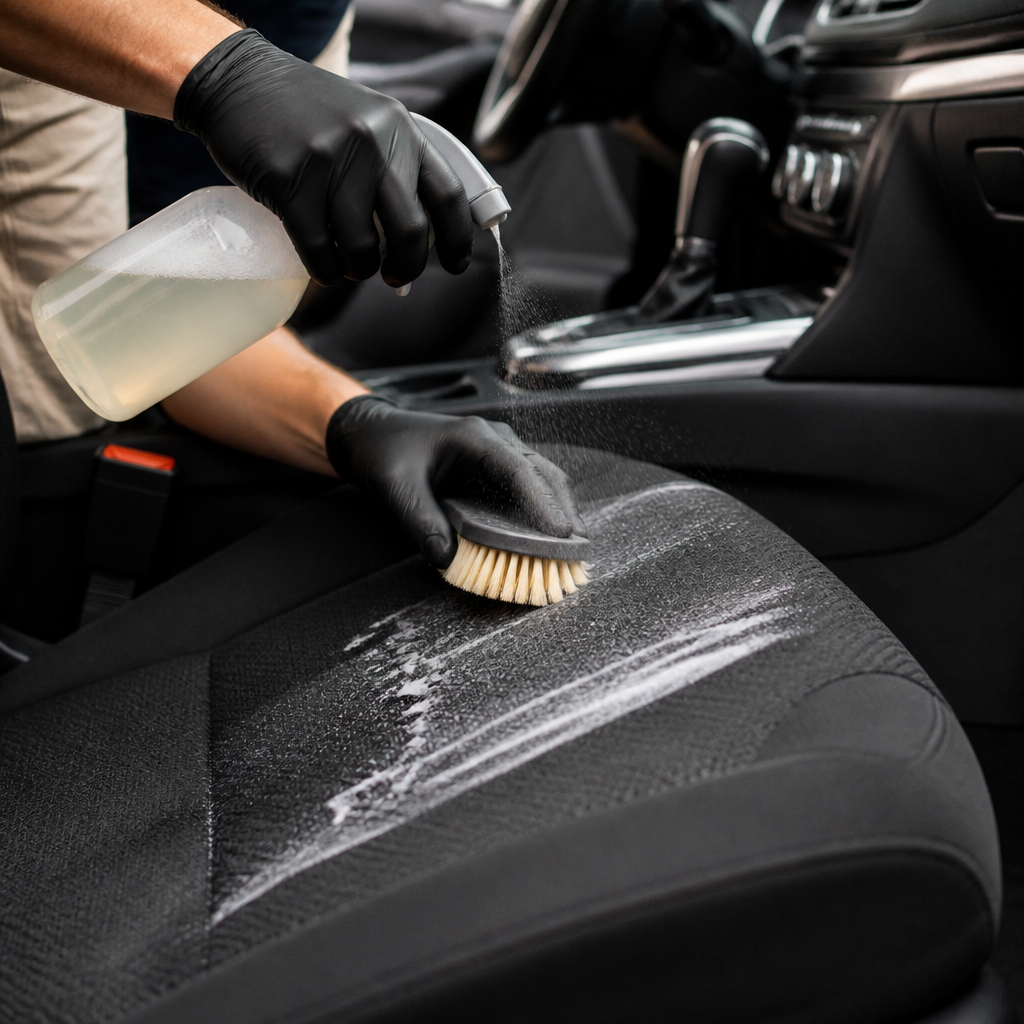
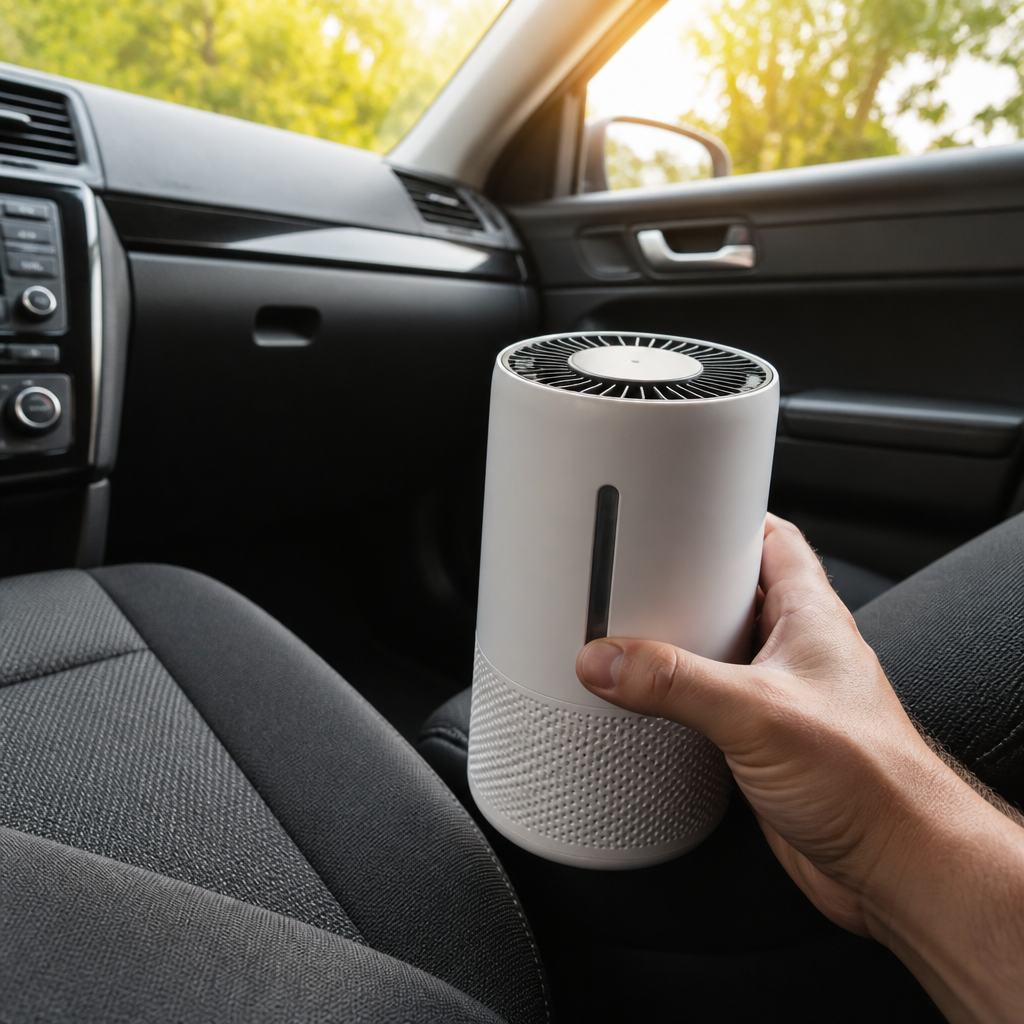
Once you’ve stopped the water intrusion, thoroughly dry the interior using a dehumidifier or by leaving windows open on a sunny day. Vacuum meticulously, then spray an anti-fungal solution (a mix of 1 cup white vinegar and 1 cup water works well) on all fabric surfaces. Scrub with a brush and use a wet/dry vacuum to extract the moisture. To maintain dryness, place moisture absorbers like DampRid or silica gel in the car.
How to Get Animal & Pest Smells Out of Your Car
Animal and pest smells can be particularly challenging, often involving unique chemical compounds or posing health risks that require careful handling.
How to Get Skunk Smell Out of Car
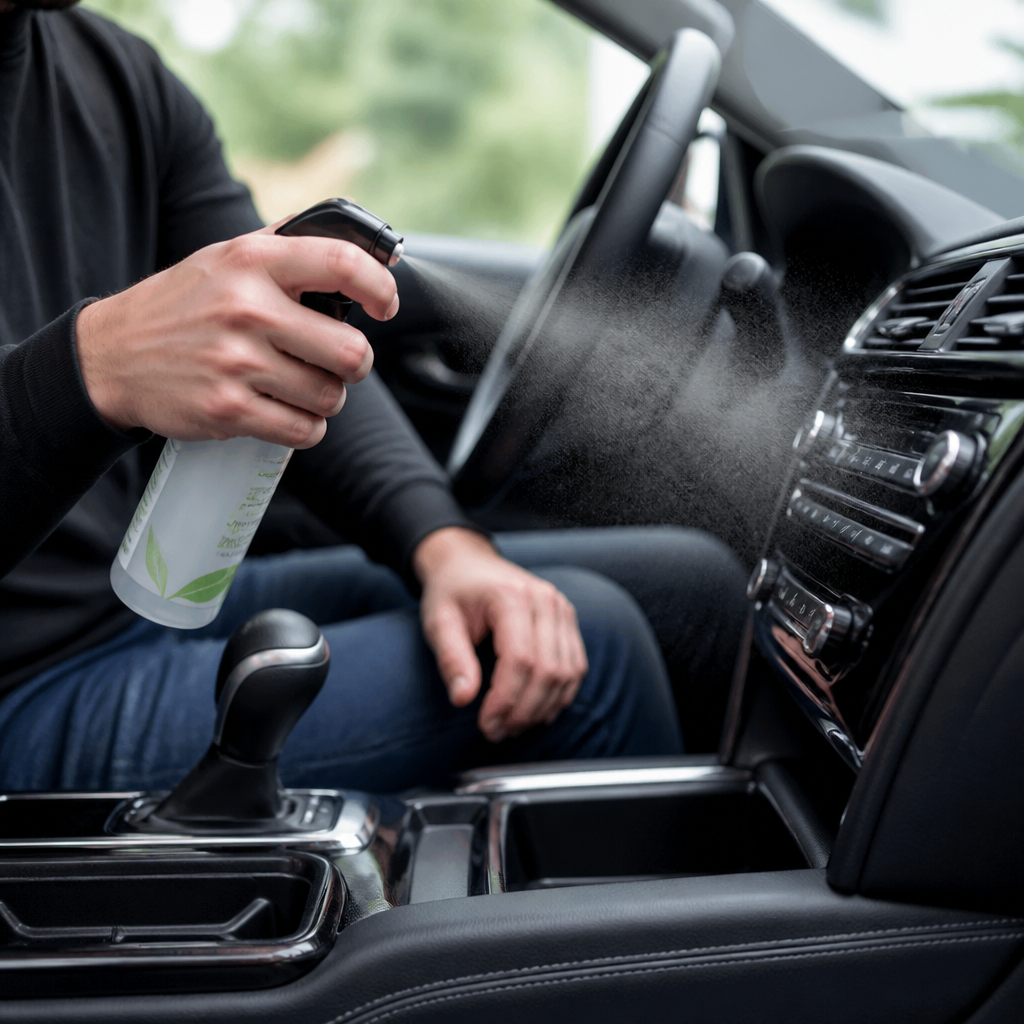
Skunk spray contains sulfurous chemicals called thiols that bond strongly to surfaces, creating a potent, long-lasting odor. Because skunk thiols are oil-based, plain water is ineffective. Your first step should be extensive ventilation. Immediately open all car windows and doors to allow maximum fresh air circulation.
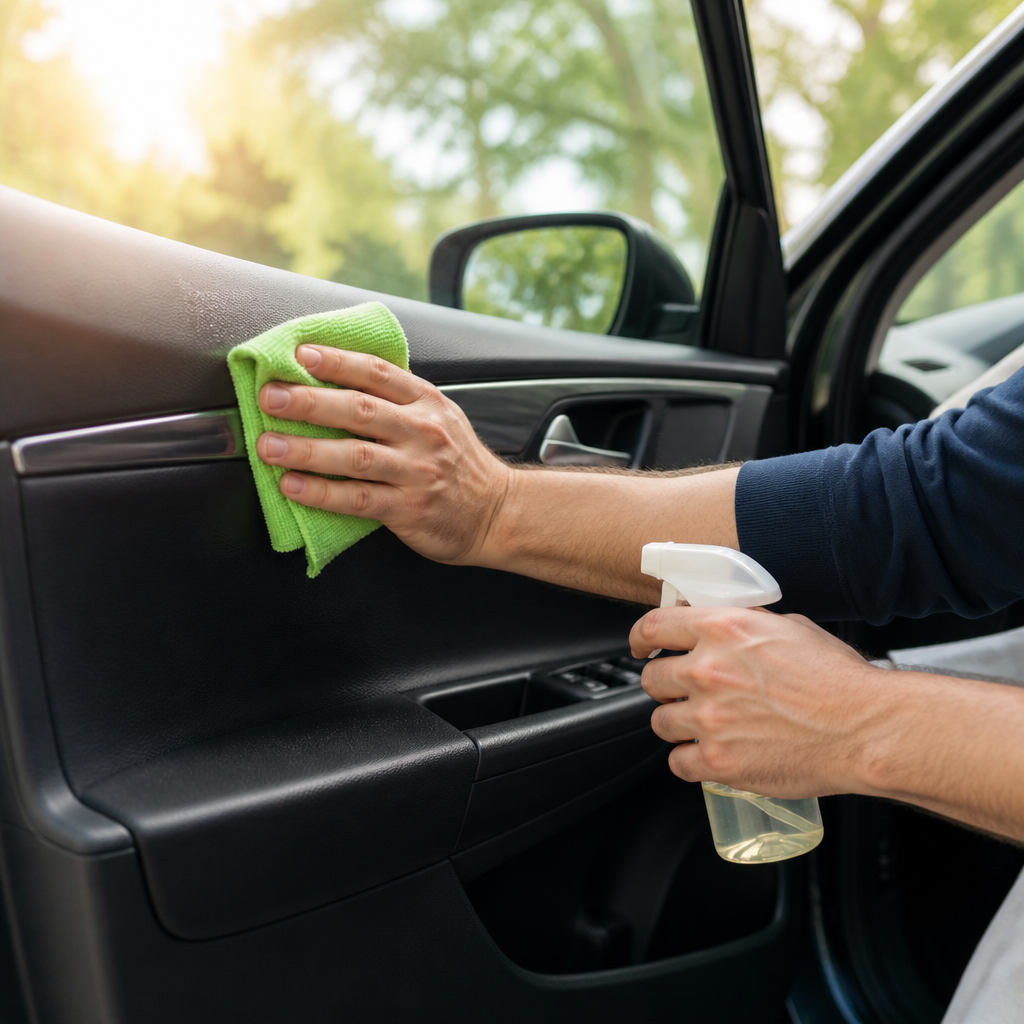
For hard surfaces, wipe them down with a mixture of 1 quart of 3% hydrogen peroxide, 1/4 cup of baking soda, and 1 teaspoon of dish soap. For car seats and carpets, use a commercial skunk odor remover and follow the directions. You may need to repeat this process multiple times. Placing bowls of white vinegar in the car overnight can help absorb any residual odor, and replacing your cabin air filter is also recommended. _A word of caution: the hydrogen peroxide solution is potent and can sometimes bleach fabrics._
How to Get Mouse Smell Out of Car
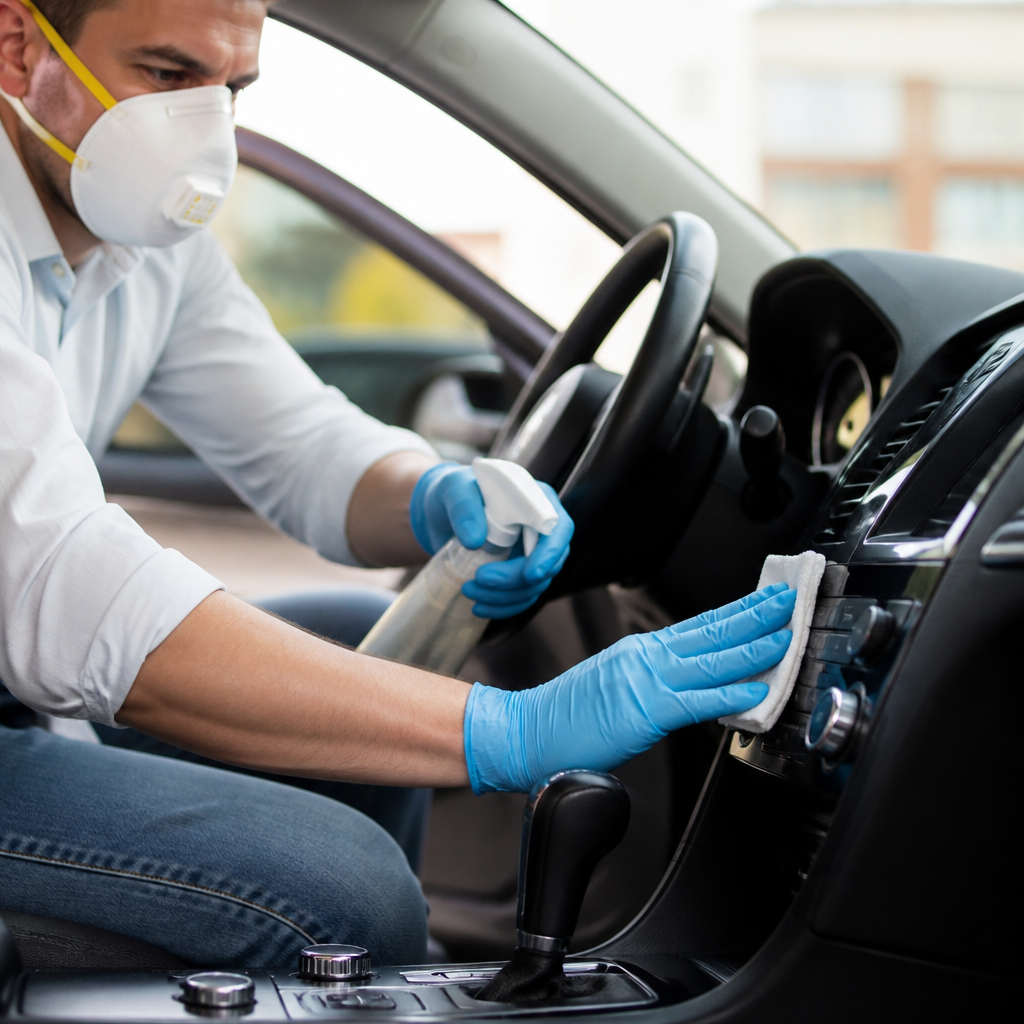
Discovering signs of mice in your car indicates a significant issue. The odor can stem from urine, droppings, nesting materials, or a decomposing mouse. *Therefore, always wear an N95 mask and gloves during cleanup, and never vacuum dry droppings.*
Begin by inspecting your entire car for entry points and nests, and seal any openings with steel wool. Spray any droppings with a disinfectant, let it sit for 5 minutes, then carefully clean them up with damp paper towels. Clean all surfaces with a 10% bleach solution or another EPA-registered disinfectant.
Health authorities warn that “Mouse infestations in vehicles are serious health hazards. The CDC protocol requires wet cleaning, as dry sweeping or vacuuming mouse droppings can aerosolize dangerous pathogens. After disinfection, enzymatic cleaners are recommended for removing odors caused by proteins and other organic compounds in mouse urine that standard cleaners may not fully address.”
How to Get Chemical & Smoke Smells Out of Your Car
Chemical and smoke odors present a different challenge. These often involve sticky residues that penetrate deeply into car materials, requiring thorough cleaning and specialized treatments.
Can You Really Get Smoke Smell Out of a Car?
Smoke smell is difficult to eliminate because tar, nicotine, and other particles coat every interior surface, creating “third-hand smoke” residue. Therefore, a rigorous, multi-step cleaning process is essential.
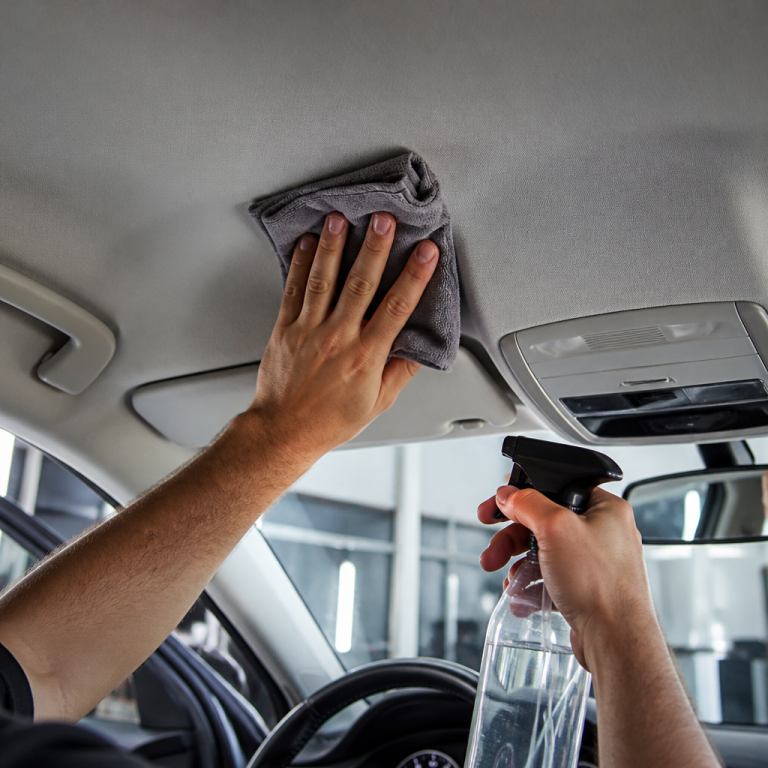
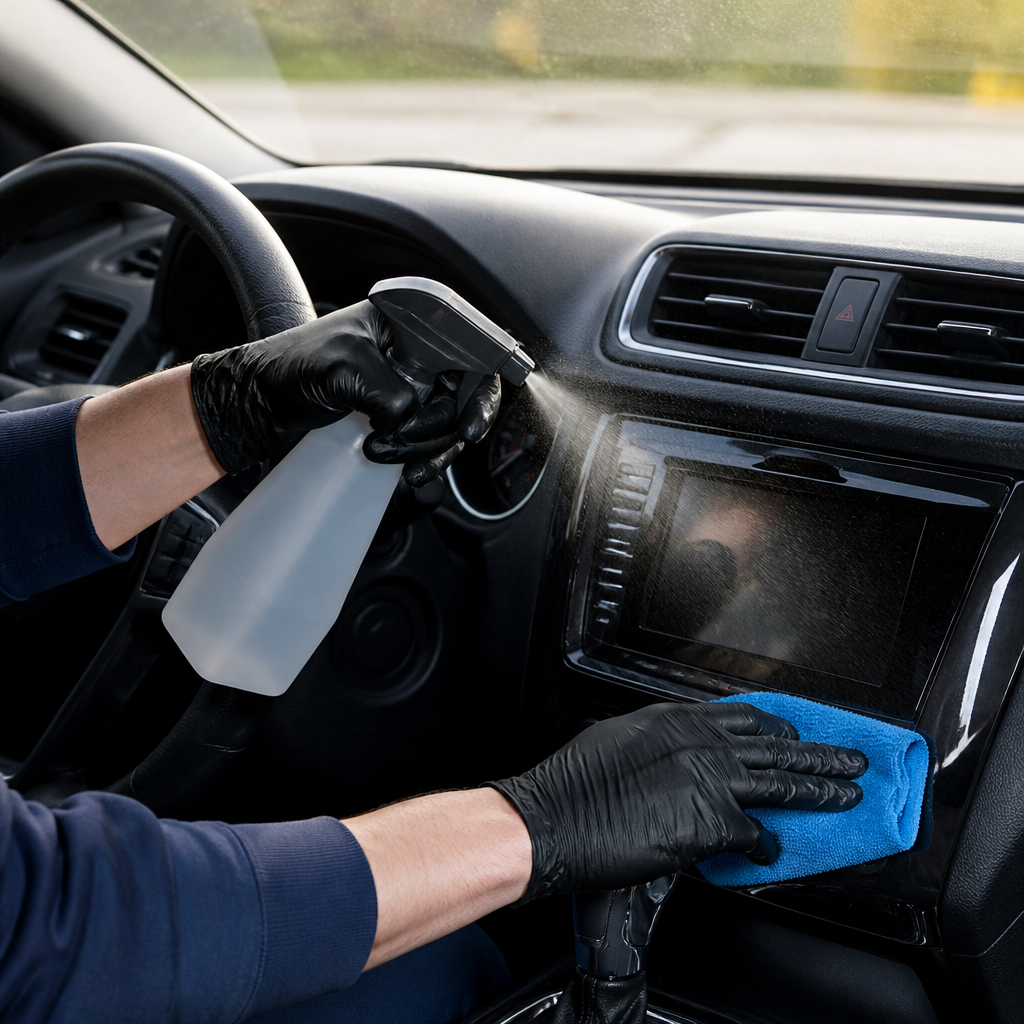
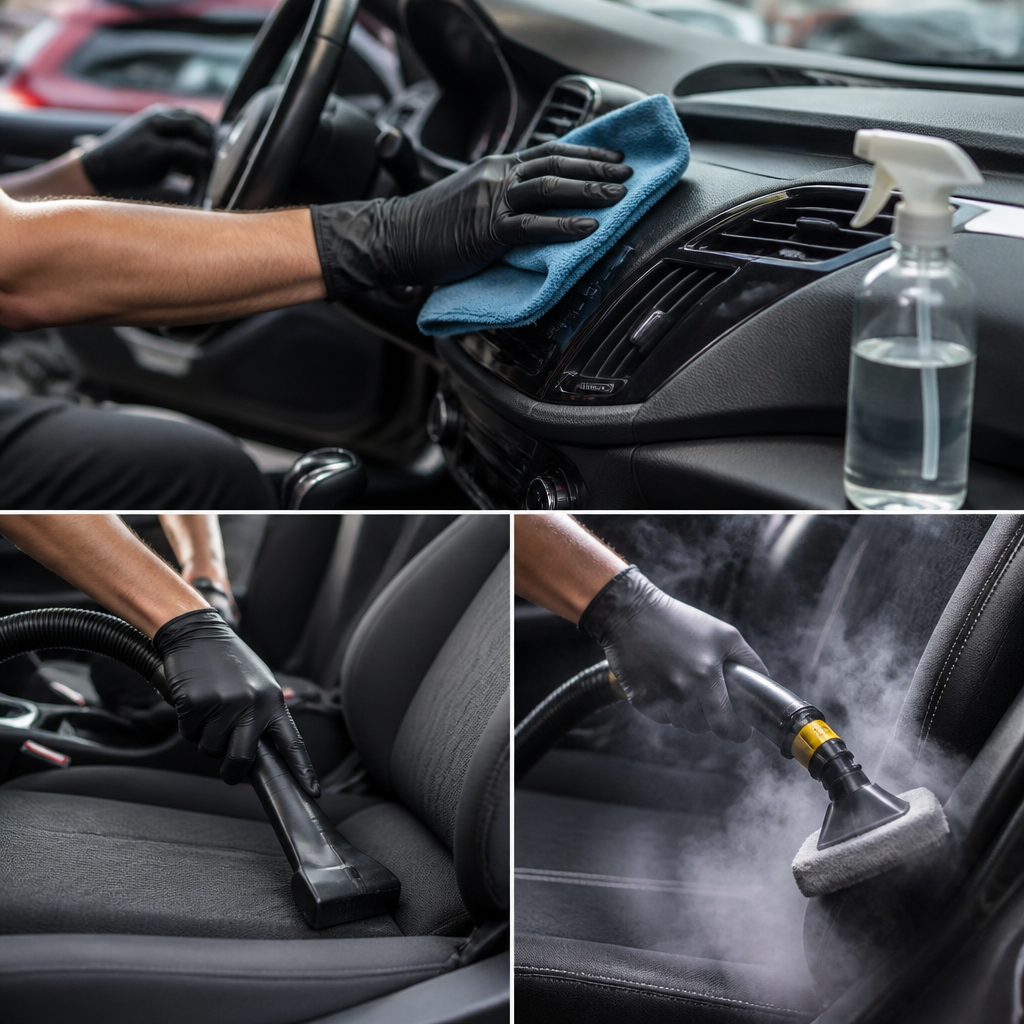
Begin by removing everything and vacuuming thoroughly, including the headliner and air vents. Next, clean all hard surfaces with a mixture of 1 cup white vinegar, 1 cup water, and a few drops of dish soap. Follow by shampooing all upholstery and carpets, ideally with a steam cleaner. Crucially, replace your cabin air filter and clean your car’s AC system. For ongoing odor absorption, place activated charcoal bags in the car for 1-2 weeks.
According to experts, “Cigarette smoke is one of the most difficult odors to remove because tar and nicotine create a sticky residue that bonds to every surface. Masking is insufficient; physical removal through aggressive cleaning is necessary. The headliner and AC system are often overlooked but can retain significant odor.”
How to Get Gas Smell Out of Car
A gas smell is not only bothersome but also potentially dangerous. Because gasoline fumes are highly flammable and toxic, immediate action is vital. Ventilate your car right away, keep all ignition sources far away, and seek professional help for large spills or suspected leaks.
For fresh spills, blot with absorbent cloths. Then, generously cover the area with baking soda or cat litter, let it sit for 1-2 hours, and vacuum it up. Next, clean the area with a solution of dish soap and water. Follow up by applying a white vinegar solution (half vinegar, half water) to help neutralize the odor. If the odor persists without a visible spill, it’s imperative to check for fuel system leaks professionally. _Never use heat or steam on gasoline, as it increases evaporation and fire risk._
How to Get Vinegar Smell Out of Car
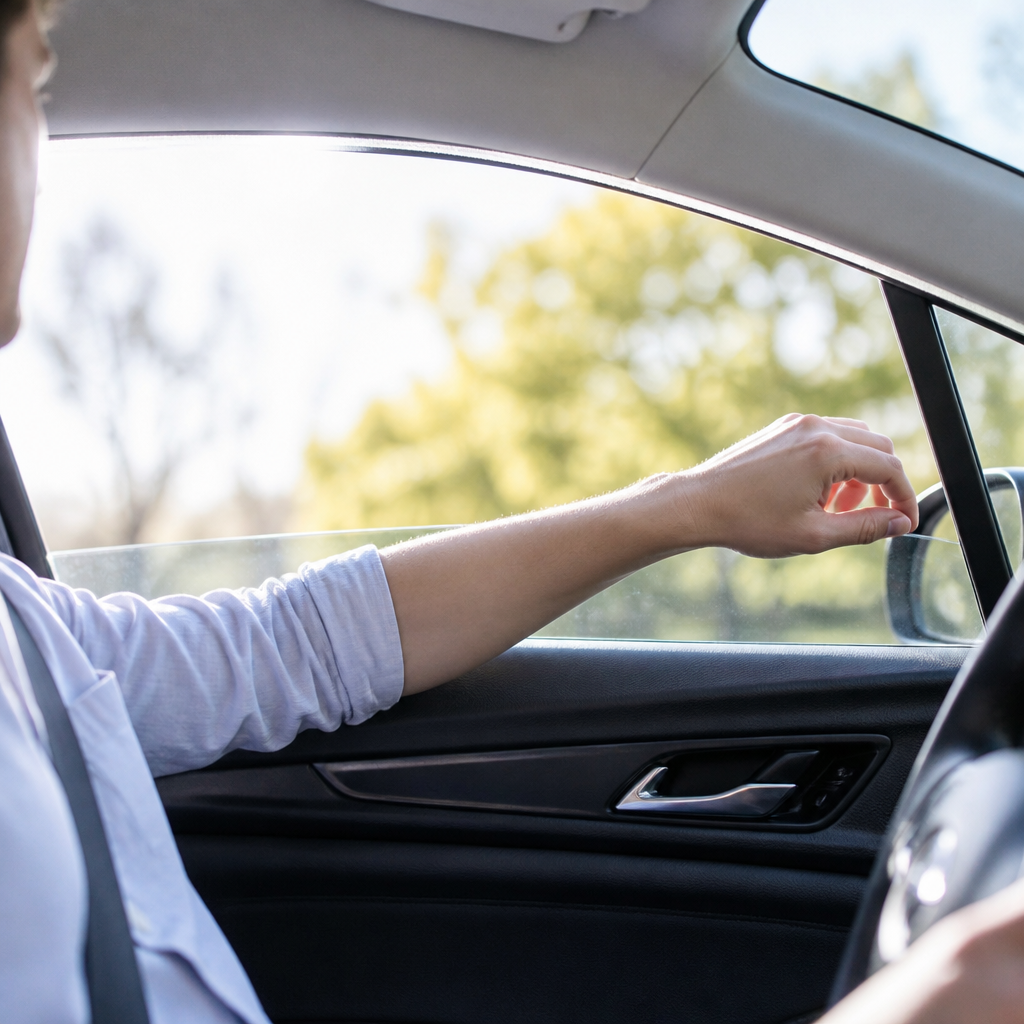
A strong vinegar smell typically appears after using it as a cleaner. Fortunately, the smell is self-limiting and will naturally dissipate as the vinegar evaporates, usually within 24-48 hours. To speed up the process, open all car windows to maximize airflow. Wiping surfaces down with plain water can remove residue. Placing bowls of baking soda in the car is also effective, as it absorbs and neutralizes the acetic acid causing the smell.
FAQ
Q1. What are enzymatic cleaners and why are they effective for organic odors?
A1. Enzymatic cleaners contain specialized enzymes that break down organic compounds like proteins, fats, and uric acid at a molecular level. This process eliminates the source of the odor rather than just masking it, making them highly effective for biological smells such as pet odors, urine, vomit, and spoiled milk.
Q2. How can I prevent common odors from developing in my car?
A2. Prevention is key. For pet odors, use waterproof seat covers and groom your pet before car rides. For spills, clean them immediately. Regularly vacuum your car, replace the cabin air filter every 12,000-15,000 miles, and use moisture absorbers to prevent mold. Avoid leaving food or wet items in the car, and check for leaks in seals or the AC drain tube.
Q3. Is professional ozone treatment recommended for stubborn car odors?
A3. Professional ozone treatment can be highly effective for severe and persistent odors like smoke, urine, or skunk smell, as it oxidizes odor molecules. It typically costs $100-300 and can achieve significant odor reduction. However, it’s important that the vehicle is unoccupied during treatment and thoroughly aired out afterward, as repeated use may potentially damage some interior components.
Q4. What safety precautions should I take when dealing with mouse infestations or gasoline spills in my car?
A4. For mouse infestations, wear an N95 mask and gloves to protect against Hantavirus, and wet-clean droppings instead of dry vacuuming to prevent airborne pathogens. For gasoline spills, ensure immediate ventilation, avoid all ignition sources due to flammability, and address large spills or suspected leaks professionally. Prolonged exposure to gasoline fumes can be harmful.
Q5. How long does it typically take for a vinegar smell to dissipate from a car?
A5. Vinegar smell, caused by acetic acid, is generally self-limiting and will dissipate naturally through evaporation. With good ventilation (open windows and doors, possibly with fans or sun exposure), the odor usually clears within 24-48 hours. Baking soda can help neutralize the acetic acid and speed up the process.

Jake Morrison writes about DIY car care at CarCareNote. He’s been detailing cars in his Ohio driveway for over a decade and shares what actually works at home.