How to Clean Car Headliner: 7 Safe, Proven Tips That Work
Keeping your car's interior pristine does more than just make for a more pleasant ride; it also plays a significant role in maintaining your vehicle's overall value. Often overlooked, the headliner—that fabric covering the inside of your car's roof—can collect dust, dirt, and stains over time. Cleaning it properly, however, requires a delicate touch. This frequently forgotten area typically uses adhesives that are quite sensitive to moisture, meaning a heavy-handed approach can lead to costly damage like sagging or bubbling. Discover the right techniques and products for a fresh, clean interior that truly lasts.
How Can You Clean Your Car Headliner Without Removing It?
How to Clean Car Headliner Without Removing It
Your car's headliner is the upholstered roof lining, usually a fabric material glued to a rigid backing board. Cleaning it "without removing it" means using surface-level methods that won't disturb this crucial adhesive bond. Most headliners use a heat-activated adhesive that binds the fabric to a foam backing, which can easily dissolve if exposed to too much liquid. This can cause the fabric to detach and sag—a common and expensive pitfall that makes careful cleaning an absolute must.
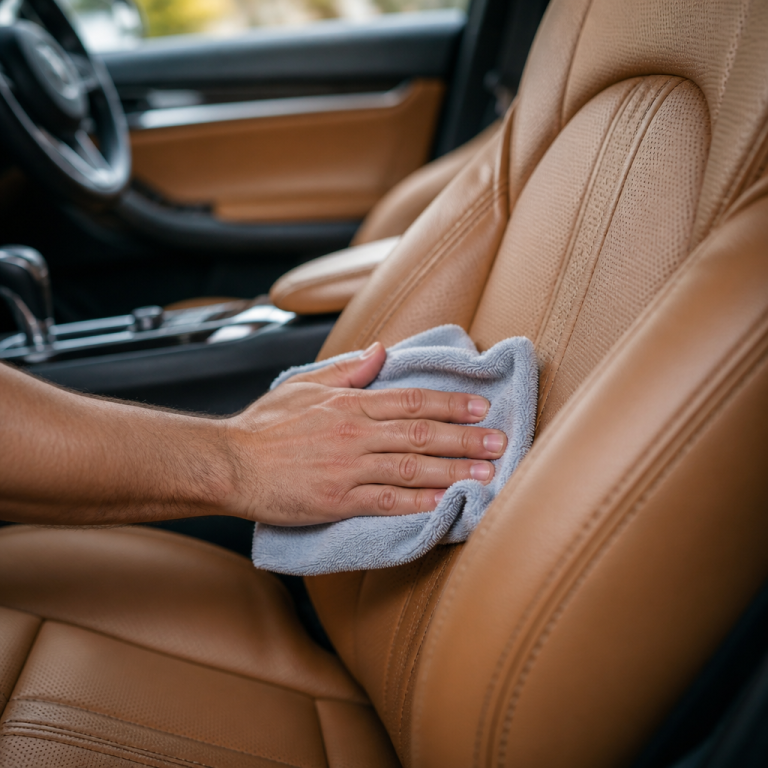
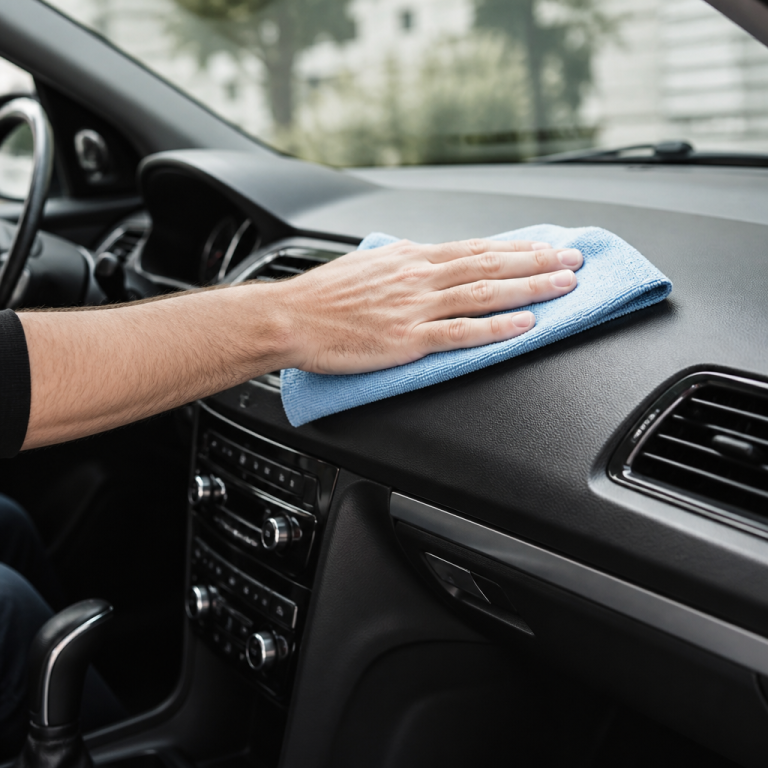
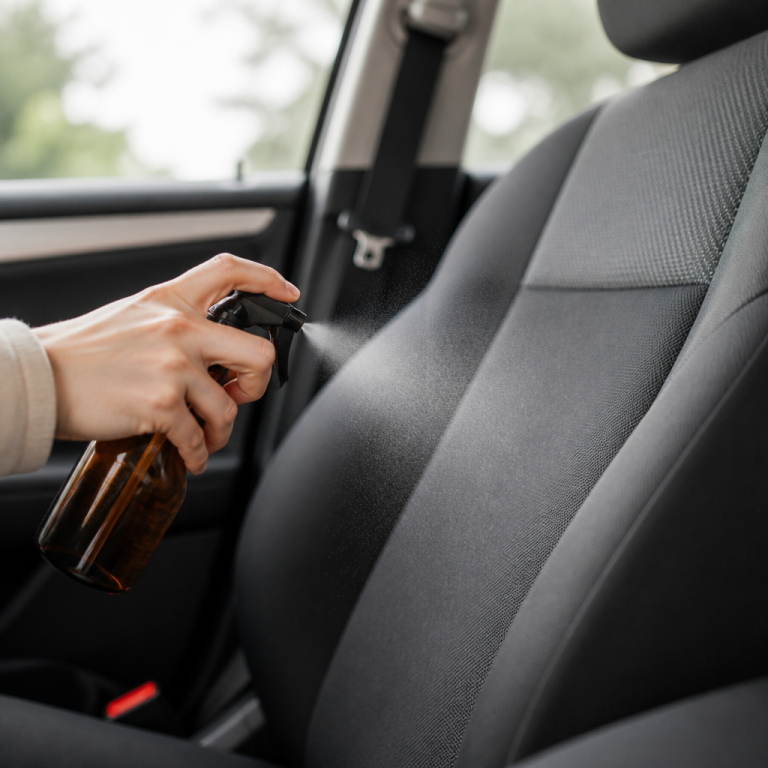
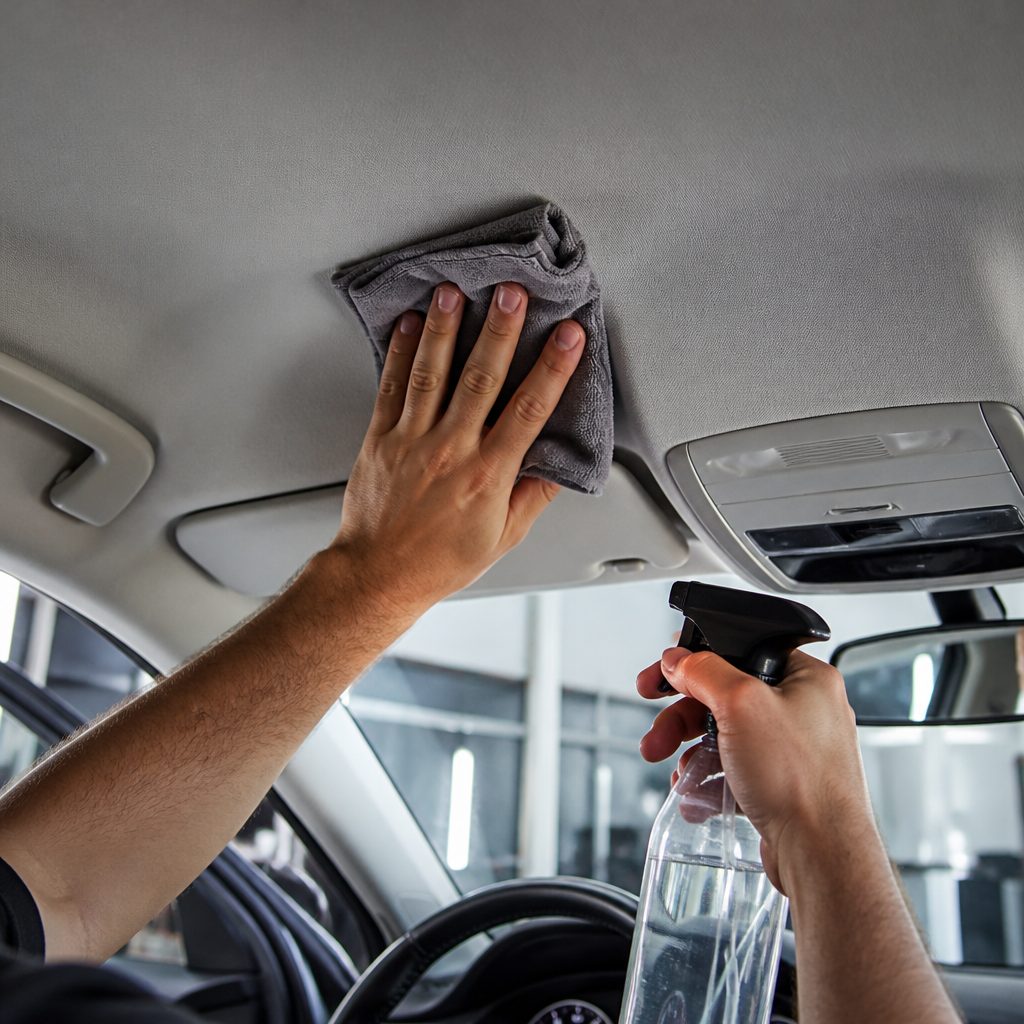
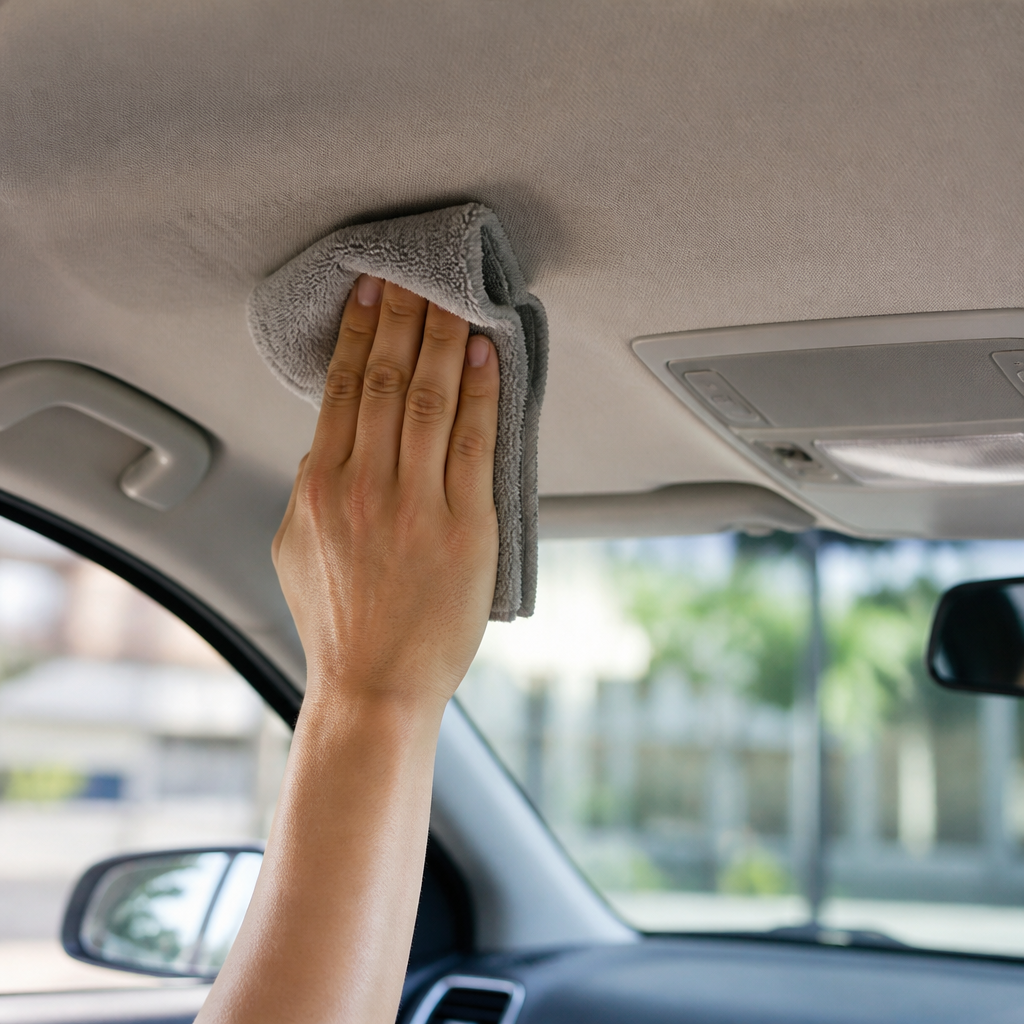
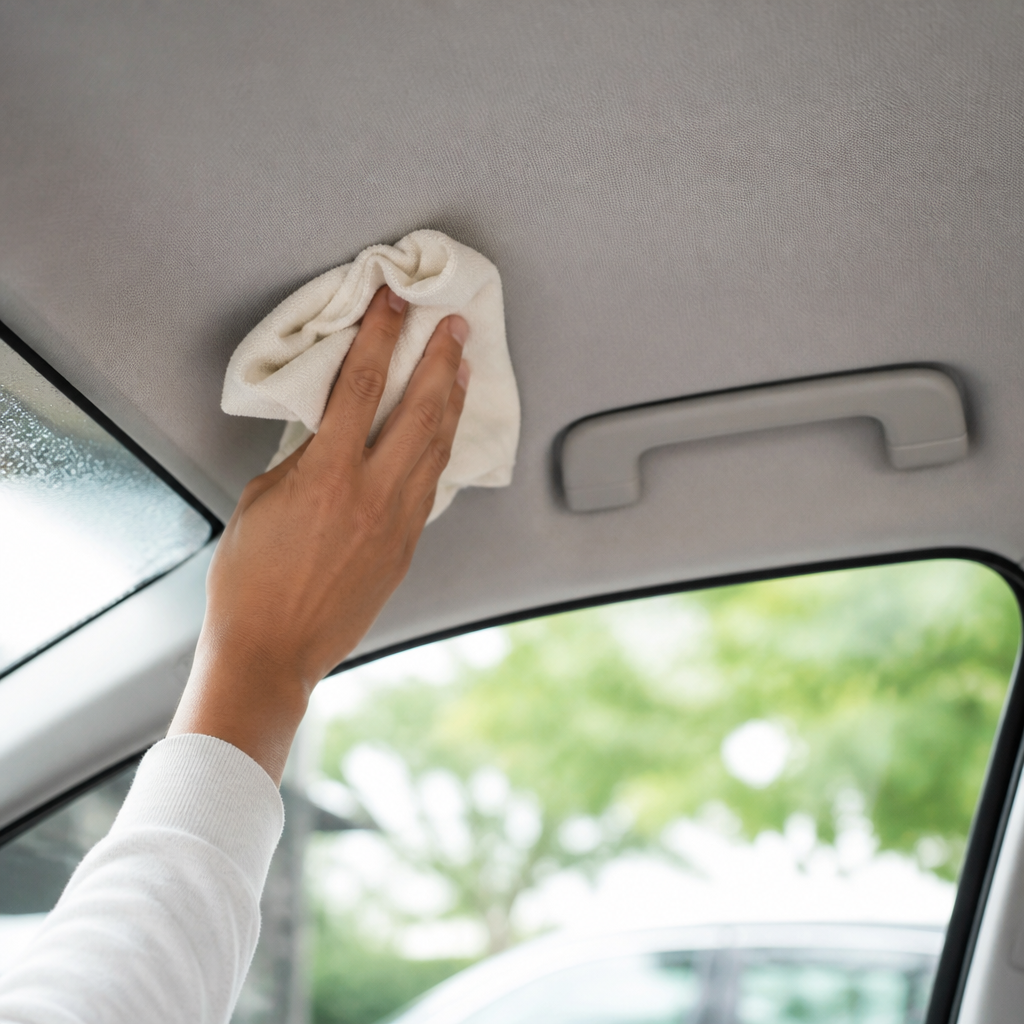
The golden rule here is minimal moisture. When cleaning, always reach for a dry or only slightly damp microfiber cloth. Work in small, manageable sections with gentle, consistent motions from the front of the car toward the back. A highly effective strategy is the "spray-and-blot" technique: instead of spraying cleaner directly onto the headliner, lightly mist an upholstery cleaner onto a clean cloth. Gently dab the stained area, then immediately follow up by blotting with a separate, dry microfiber cloth to absorb as much moisture as possible. As automotive maintenance experts advise, using too much water can lead to the adhesive soaking through and bubbling, a costly repair that can be avoided by using as little liquid as possible.
After cleaning, allow 2-4 hours for your headliner to air dry completely. Keeping the windows open or using a small fan can significantly speed up this process. _It's crucial not to close up the car immediately, as trapped moisture creates a perfect breeding ground for mold and mildew._ For your safety and the integrity of your car's interior, steer clear of harsh chemicals like bleach, ammonia, or solvent-based cleaners. These can discolor the fabric and damage the foam backing. Instead, opt for soft-bristle brushes designed for upholstery to gently lift dirt without causing pilling or tearing the material.
How to Clean Car Headliner Fabric
Car headliners come in a variety of materials, each demanding a specific cleaning approach. You'll typically find woven polyester, foam-backed vinyl, luxurious suede or Alcantara, and even perforated leather in high-end vehicles. Understanding which material you have is the first critical step.
For standard polyester fabric, a simple DIY solution of 1 part white vinegar to 2 parts warm water or a pH-neutral upholstery cleaner works well. Apply your chosen solution by misting it onto a clean cloth, gently work it into the fabric, and blot it dry. Vinyl headliners are more forgiving with moisture; an all-purpose interior cleaner or a mild soap solution applied with a damp cloth and followed by a dry towel usually does the trick. Suede or Alcantara, however, require extreme caution and specialized suede cleaners or dry-cleaning methods, as water-based solutions can leave permanent marks. After treating suede, a gentle brush with a dedicated suede brush can restore its nap.
Regardless of your headliner's material, always test any new cleaning solution on an inconspicuous area first. A spot behind a sun visor or near a door pillar is ideal. Apply a small amount, wait 5-10 minutes, and check for any discoloration or fabric damage before proceeding. Professional detailers emphasize that different fabrics require different approaches, so identifying your material and starting with the gentlest method is key to preserving your car's interior.
Car Headliner Cleaning Tips and Tricks
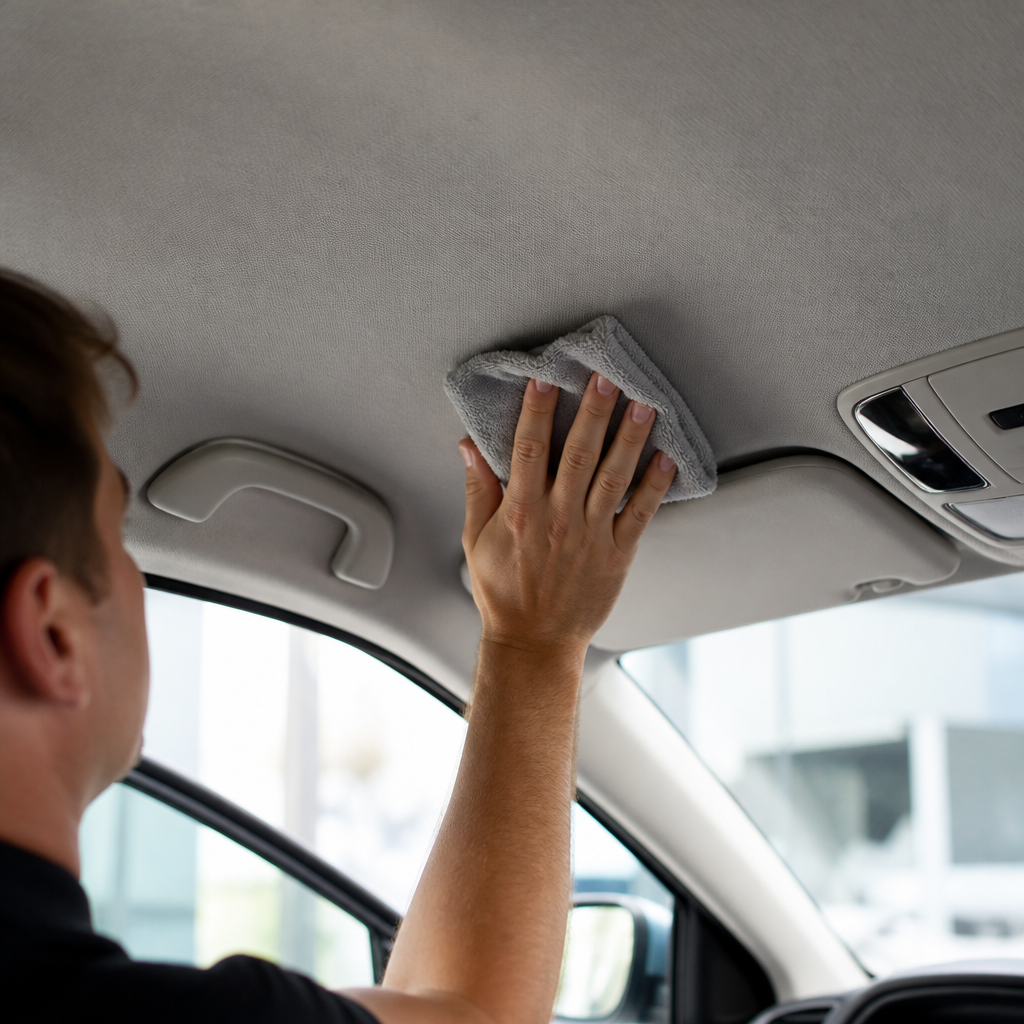
To achieve the best results and avoid common mistakes, follow these proven tips and tricks for car headliner cleaning.
- Work Systematically: To avoid cleaning lines or streaks, work from the center of your headliner outward in overlapping sections. This ensures an even application and consistent results.
- Use Steam for Stubborn Stains: A steam cleaner with an upholstery attachment can be a very effective tool. Hold it a few inches away from the headliner on a low heat setting to break down embedded oils and grime with minimal moisture.
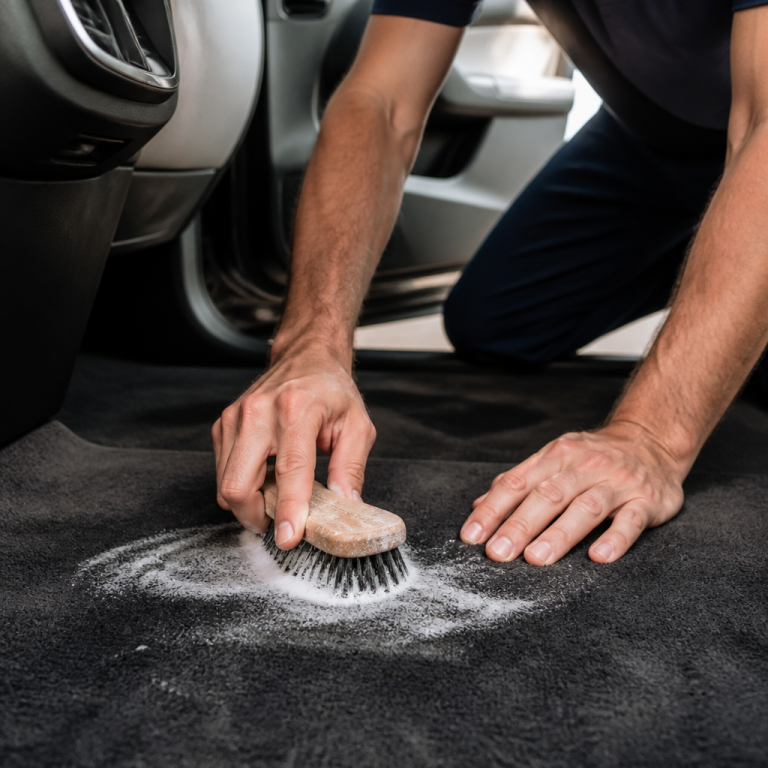
- Neutralize Smoke Odors: To combat persistent smoke odors, sprinkle a generous layer of baking soda over the area. Let it sit for 2-3 hours to absorb the odor, then vacuum it up using a soft brush attachment.
- Try a DIY Solution: For general light cleaning, a mixture of 1 cup warm water, 1/4 cup white vinegar, and 1 tablespoon of dish soap is often effective for everyday dirt.
- Protect After Cleaning: Once your headliner is clean and dry, apply a fabric protector spray like Scotchgard. This creates an invisible barrier against future spills, making subsequent clean-ups easier.
- Avoid Aggressive Scrubbing: A crucial mistake to avoid is aggressive scrubbing or vigorous circular motions. These actions can damage fabric fibers, lead to pilling, and spread stains. Always use gentle blotting or light dabbing motions.
How to Clean Car Headliner Stains and Mold
How to Clean Car Headliner Stains
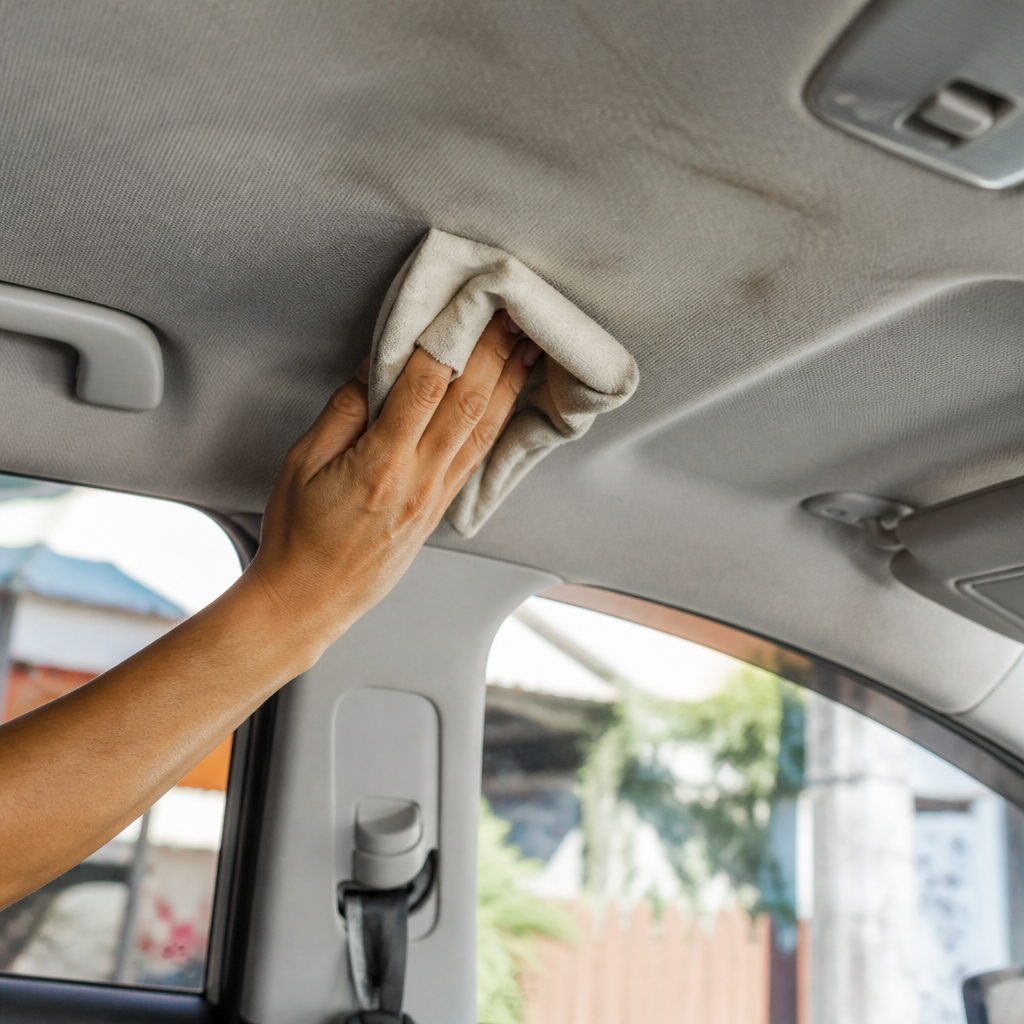
Car headliner stains are discolorations caused by grease, food spills, smoke residue, or makeup. Dealing with them swiftly is key. For greasy stains, sprinkle cornstarch or baking soda onto the spot, let it sit for 30 minutes to absorb the oil, then vacuum. Follow up with a degreasing upholstery cleaner. For beverage spills like coffee or soda, blot immediately with a dry cloth, then apply a mixture of equal parts white vinegar and water.
Ink stains can be treated by dabbing gently with 70% isopropyl alcohol on a cotton swab, working from the outside in. Makeup stains often respond well to makeup remover wipes or micellar water. For yellowing from smoke, a solution of 1 part white vinegar, 1 part water, and 1 teaspoon of dish soap can be effective. Let it sit for 5 minutes, then blot thoroughly.
Fresh stains are significantly easier to remove than those that have had time to set in. Prompt blotting within the first few minutes can dramatically increase your chances of complete removal. For particularly stubborn coffee or tea stains on light headliners, a small amount of 3% hydrogen peroxide can be effective. _Always test hydrogen peroxide on an inconspicuous spot first, as it can cause bleaching on colored fabrics._
The biggest mistake people make with headliner stains is using too much product and water. Less is more. Apply cleaner to your cloth, not the headliner, and work in thin layers. Multiple light applications are far more effective and safer than one heavy application that risks adhesive failure.
How to Clean Car Headliner With Mold
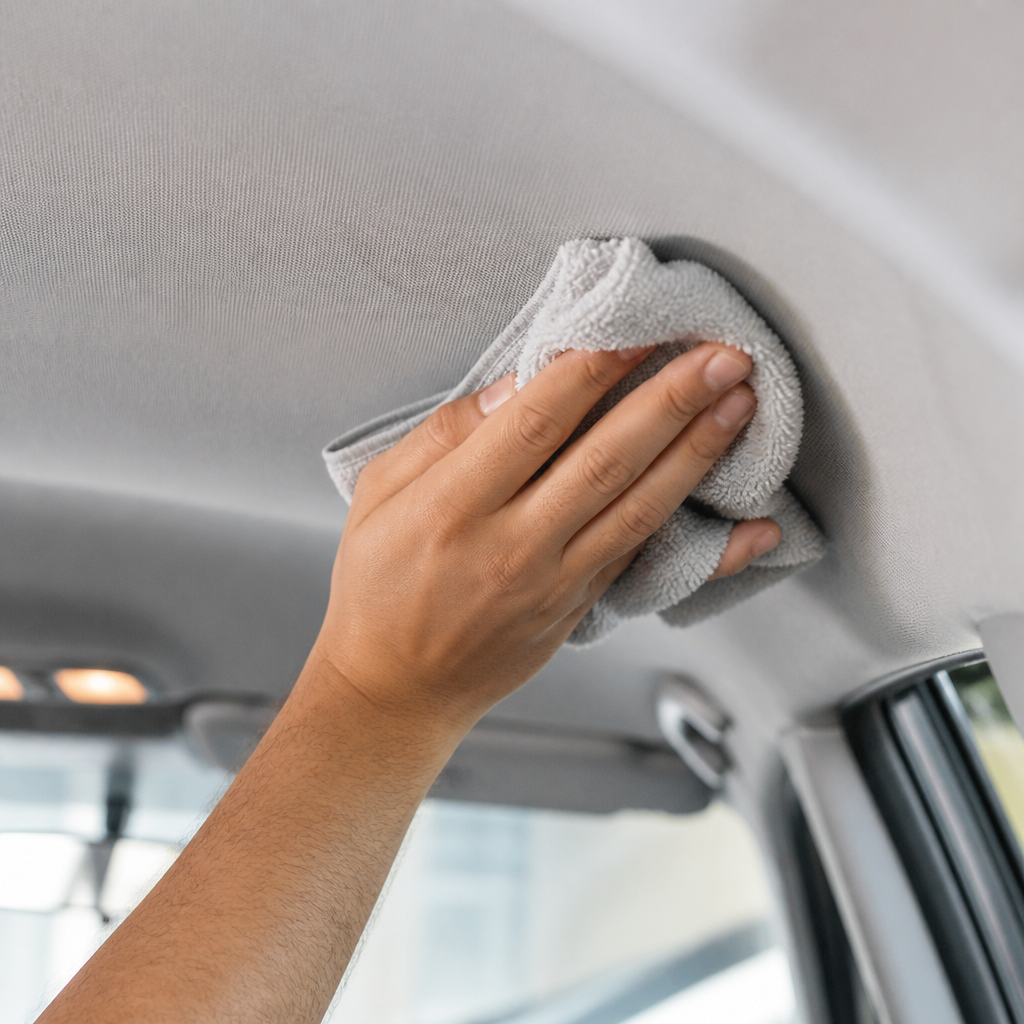
Mold on a car headliner is a fungal growth that appears as black, green, or white spots and emits a musty odor. Beyond being unsightly, it can pose health risks, including respiratory issues and allergic reactions, especially in a confined space.
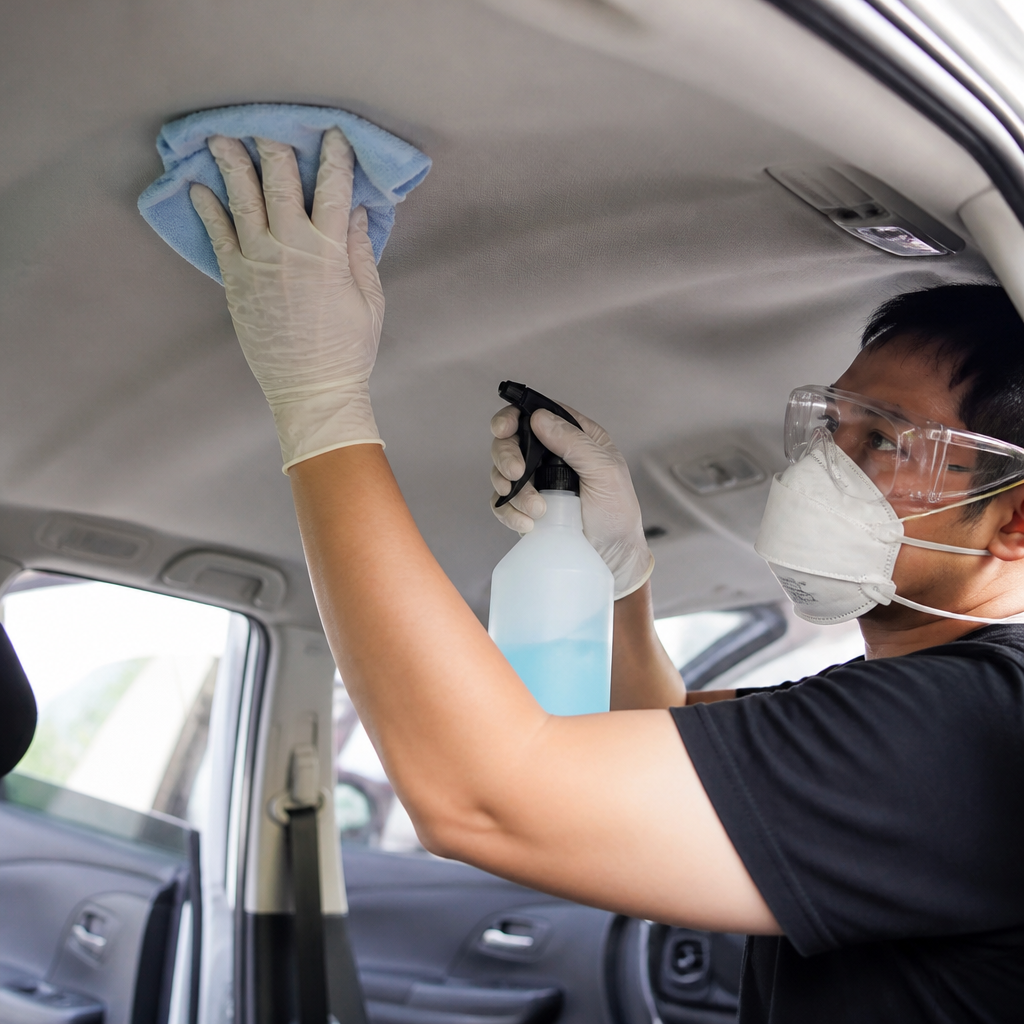
When tackling mold, safety is paramount. Follow these precautions:
- Always wear an N95 mask, gloves, and eye protection.
- Work in a well-ventilated area with all car doors open to minimize inhaling airborne spores.
- For light mold, use a mixture of equal parts white vinegar and water. Mist it onto a cloth, dab the area, let it sit for 10 minutes, and blot dry.
- For moderate mold, a 3% hydrogen peroxide solution can be used. Apply with a cloth, let it penetrate, and dry completely. Remember to test first for colorfastness.
- For heavy mold, use a commercial mold remover designed for fabric, following the product instructions carefully.
Crucially, simply cleaning the mold is often only a temporary fix if you don't address the underlying cause of moisture. After cleaning, check for leaky sunroofs, compromised door seals, or clogged AC drains.
Mold on a headliner is a symptom of a bigger problem—water intrusion. I've seen countless cases where people clean the mold only to have it return within weeks because they didn't fix the leak. Find and repair the water source first, then clean the mold, then ensure proper drying. Otherwise, you're wasting your time.
What Are the Best Products to Clean a Car Headliner?
Choosing the right products can make all the difference in your headliner cleaning efforts. While a simple DIY solution is often effective, certain commercial products are formulated for specific challenges like tough stains, delicate fabrics, or mold.
| Product Category | Recommended Product | Best For |
|---|---|---|
| All-Purpose Cleaning | Meguiar's Carpet & Upholstery Cleaner | General dirt and light stains on most materials. |
| All-Purpose Cleaning | Chemical Guys Lightning Fast Stain Extractor | Various stain types with a low-residue formula. |
| Specialty Fabrics | Sonax Upholstery & Alcantara Cleaner | Delicate materials like suede and Alcantara. |
| Odor Removal | Ozium Air Sanitizer | Eliminating smoke and other organic odors. |
| Mold Treatment | Concrobium Mold Control | Eradicating mold spores without bleach or harsh chemicals. |
| Stain Prevention | Scotchgard Fabric & Upholstery Protector | Creating a water and stain-resistant barrier after cleaning. |
According to auto detailing experts, starting with a quality all-purpose upholstery cleaner is a forgiving, effective, and affordable approach for most DIY users. Save the specialty products for specific problems like mold or delicate fabrics to avoid wasting money on products you don't need.

Jake Morrison writes about DIY car care at CarCareNote. He’s been detailing cars in his Ohio driveway for over a decade and shares what actually works at home.