How to Clean Car Wheels: Easy Steps for a Flawless Shine
Keeping your car's wheels spotless does more than just improve its appearance; it's crucial for protecting them from daily wear and tear. Harmful particles constantly bombard your wheels. Brake dust, for instance, is made of tiny iron bits from your brake pads. If these aren't cleaned off regularly, they can bond to your wheel's surface, causing unsightly, permanent stains. Road grime, dirt, and tar pose constant threats as well.
By learning the right cleaning methods, the tools to use, and effective products, you can keep your wheels looking fantastic and prevent costly damage. Think of it as giving your car's "shoes" the care they deserve!
How to Clean Car Wheels: Methods and Techniques
Cleaning your car's wheels involves more than just a quick spray; it's a step-by-step process designed for a deep clean without causing harm. This guide will walk you through cleaning your wheels effectively at home, protecting them from scratches, and even tackling your tires simultaneously for a showroom-ready finish.
How to Clean Car Wheels at Home
Washing your car's wheels at home means removing brake dust, road grime, tar, and other dirt using readily available products and tools. The key is to do it correctly to avoid damaging your wheels.
A critical first rule is to work on cool wheels. Spraying cleaners onto hot wheels can cause the chemicals to react poorly with the surface, potentially damaging the finish, or they might dry too quickly, leaving stubborn spots. _Always clean your wheels only when they are cool to the touch._
Unlock a showroom shine with this simple, step-by-step process for a thorough home cleaning:
- Give Them a Good Rinse: Start by rinsing your wheels thoroughly with plain water. This initial step washes away loose dirt, mud, and larger debris. A pressure washer set to a gentle 1200-1500 PSI or a strong stream from your garden hose works well for this pre-rinse.
- Apply the Cleaner: Once the wheels are cool and wet, spray a dedicated wheel cleaner all over the surface. Let it sit for about 3-5 minutes. This dwell time is important, allowing the cleaning chemicals to break down and loosen the grime.
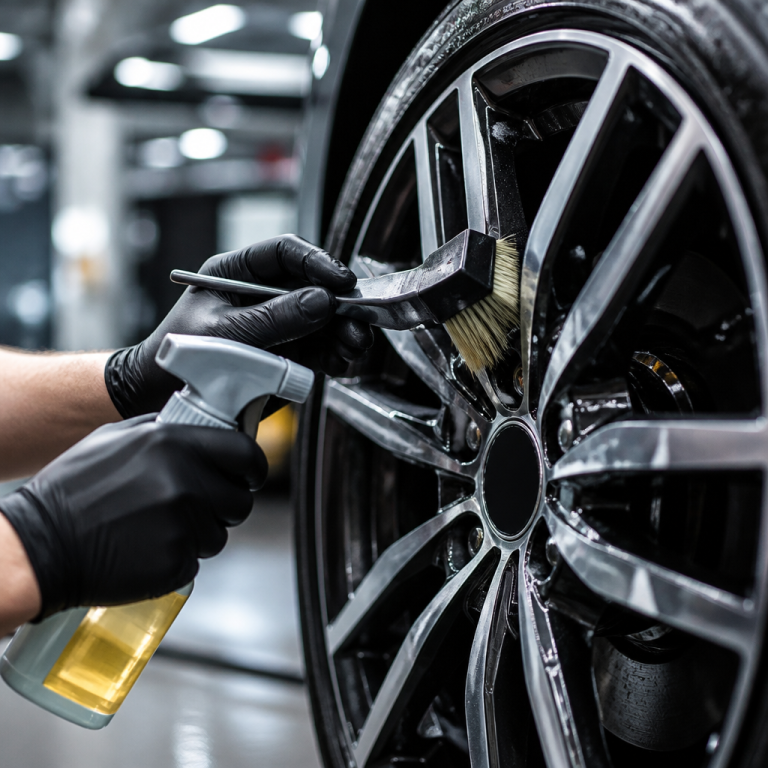
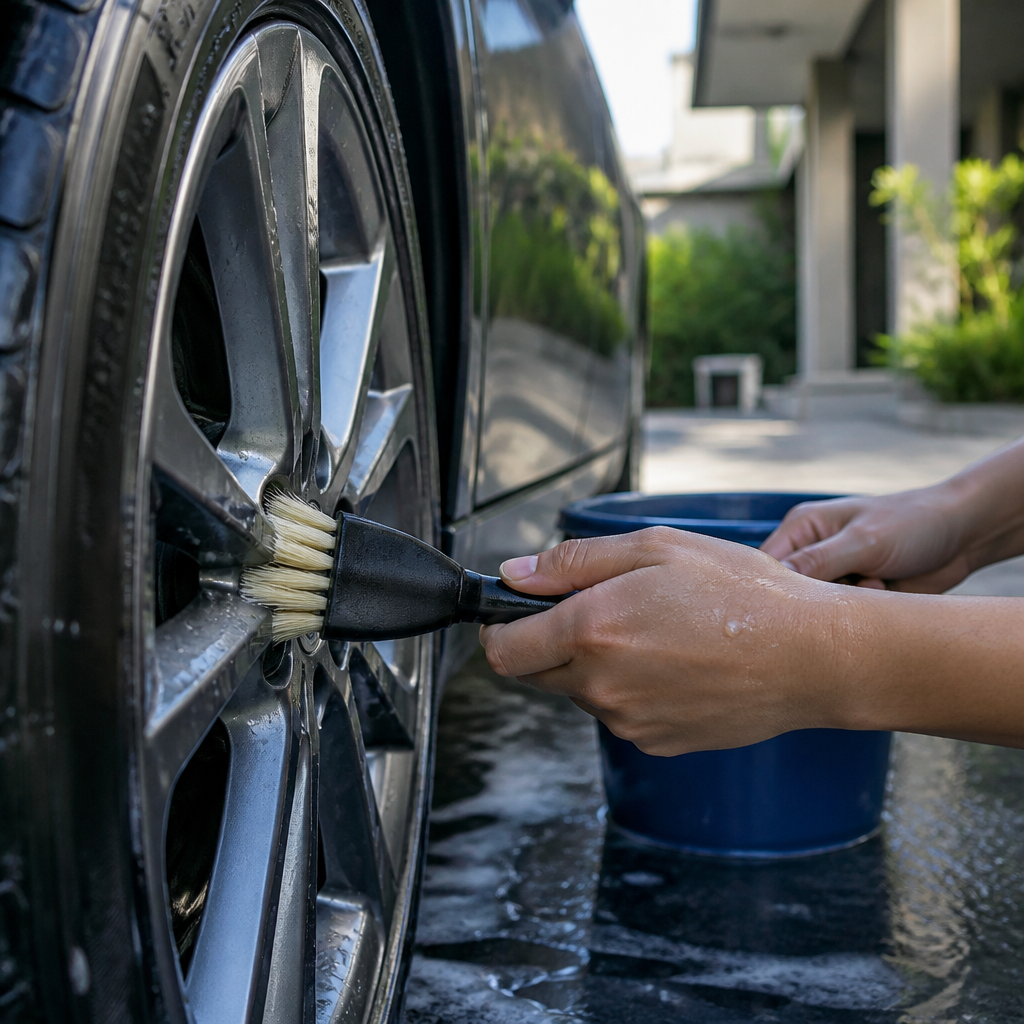
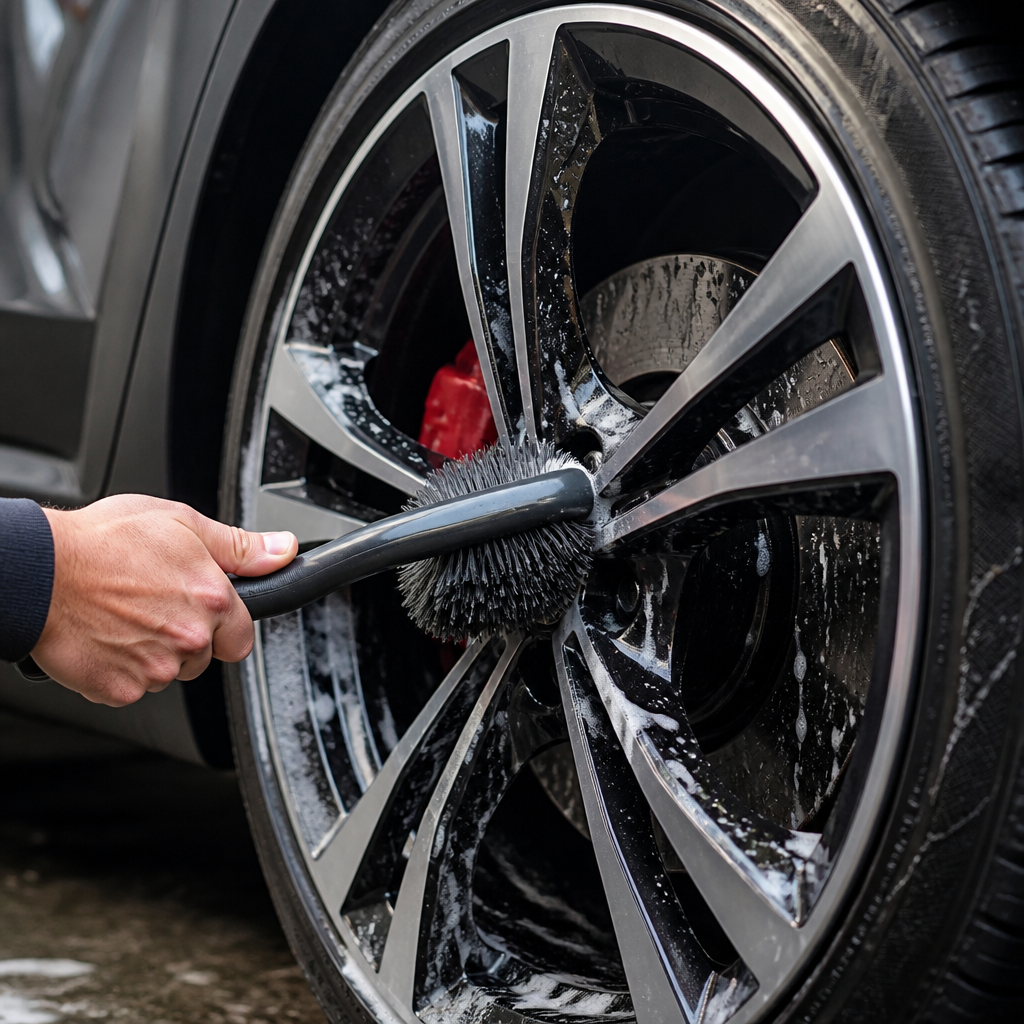
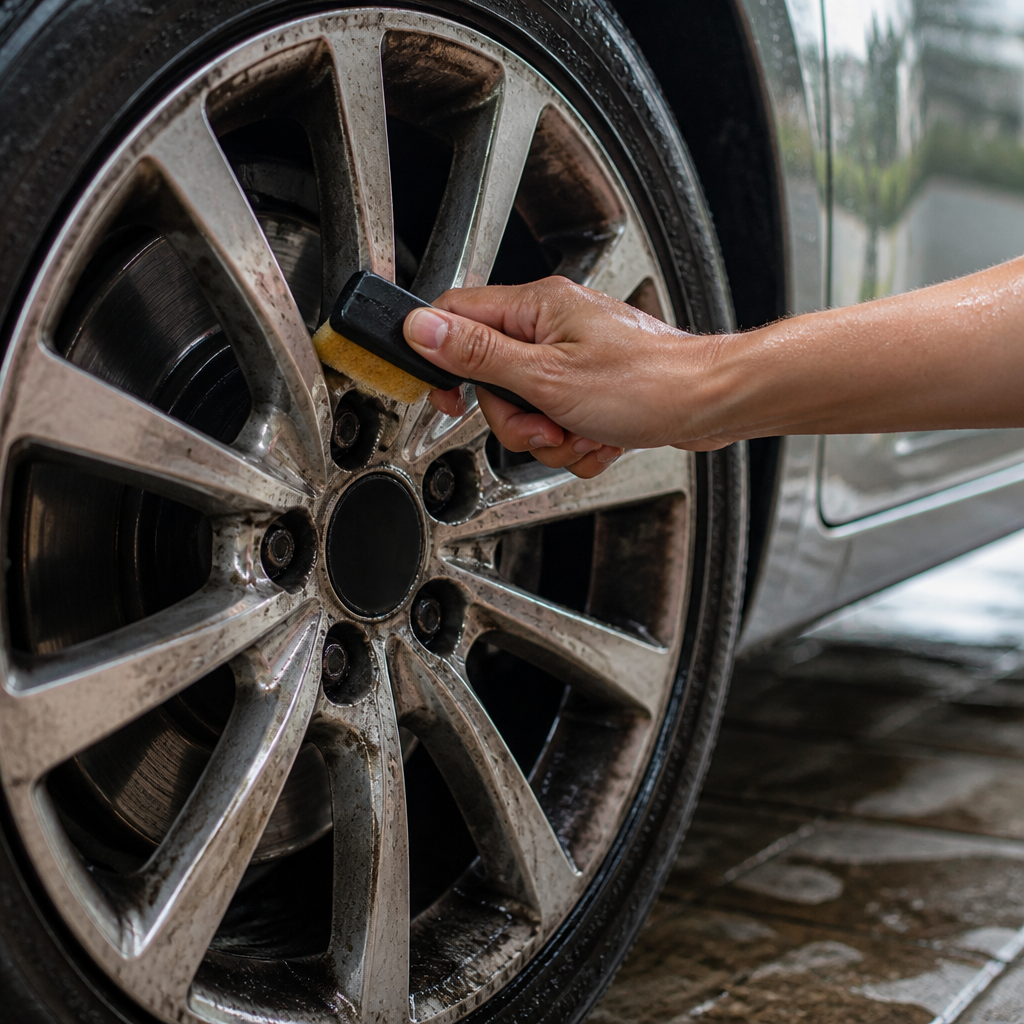
- Time to Scrub (Gently!): Now, use the right brushes to agitate (gently scrub) the cleaner. Opt for brushes with soft bristles designed for wheels; these are ideal for the front face. For hard-to-reach areas like the inside barrel, a long-handled brush is very helpful.
- Rinse, Rinse, Rinse: After scrubbing, rinse the wheels completely with a strong stream of water. Ensure all cleaner and loosened dirt are gone, as leaving residue behind can cause issues.
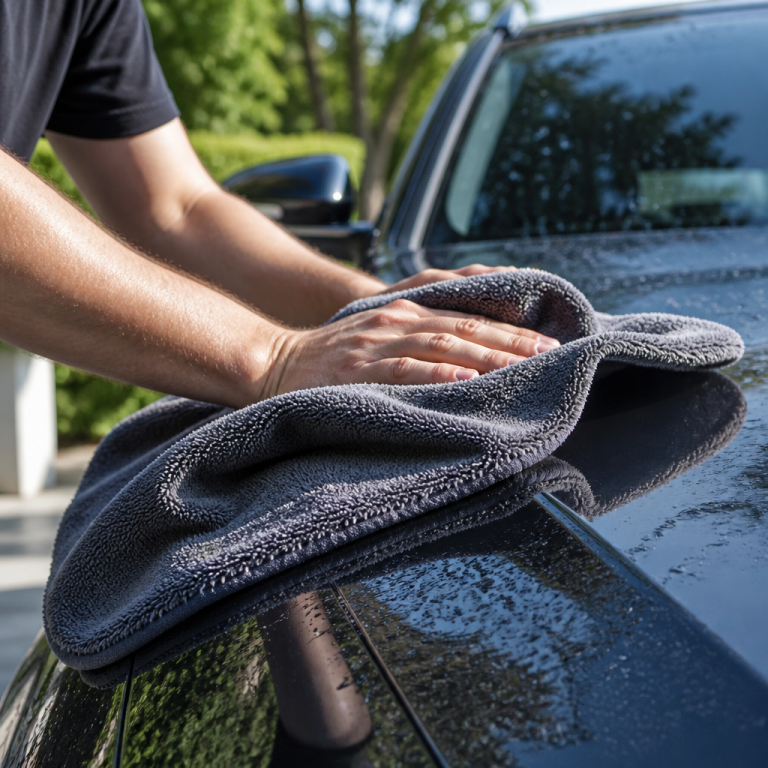
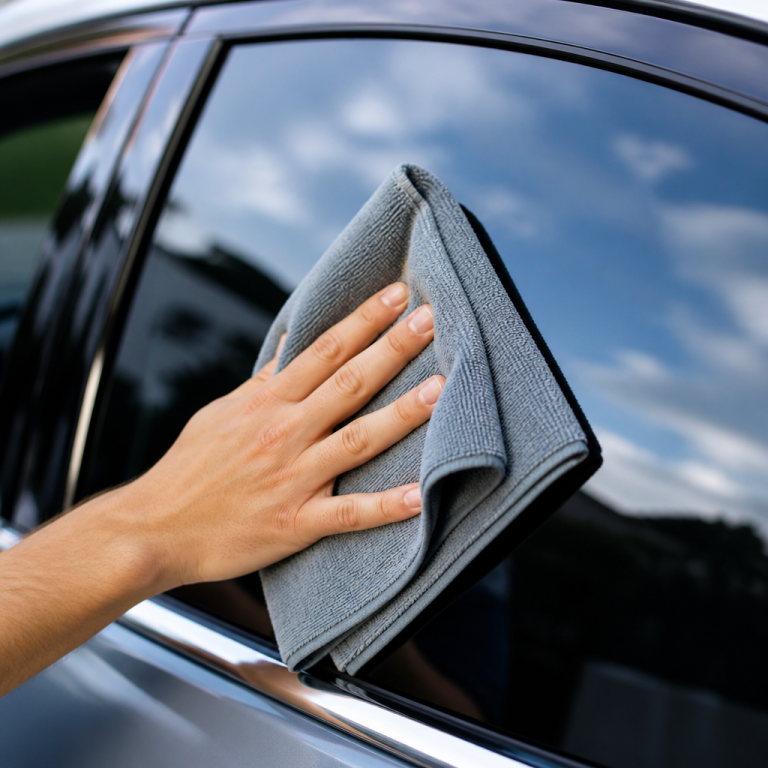
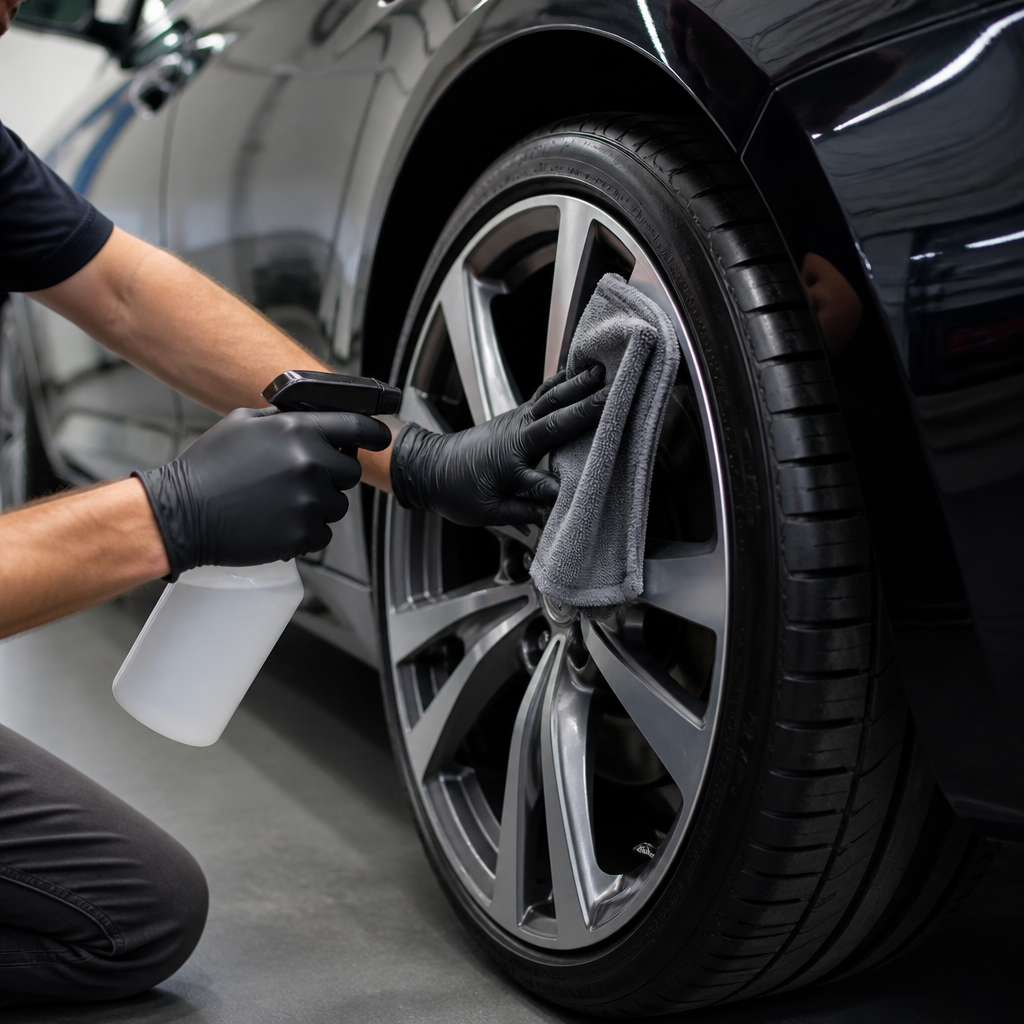
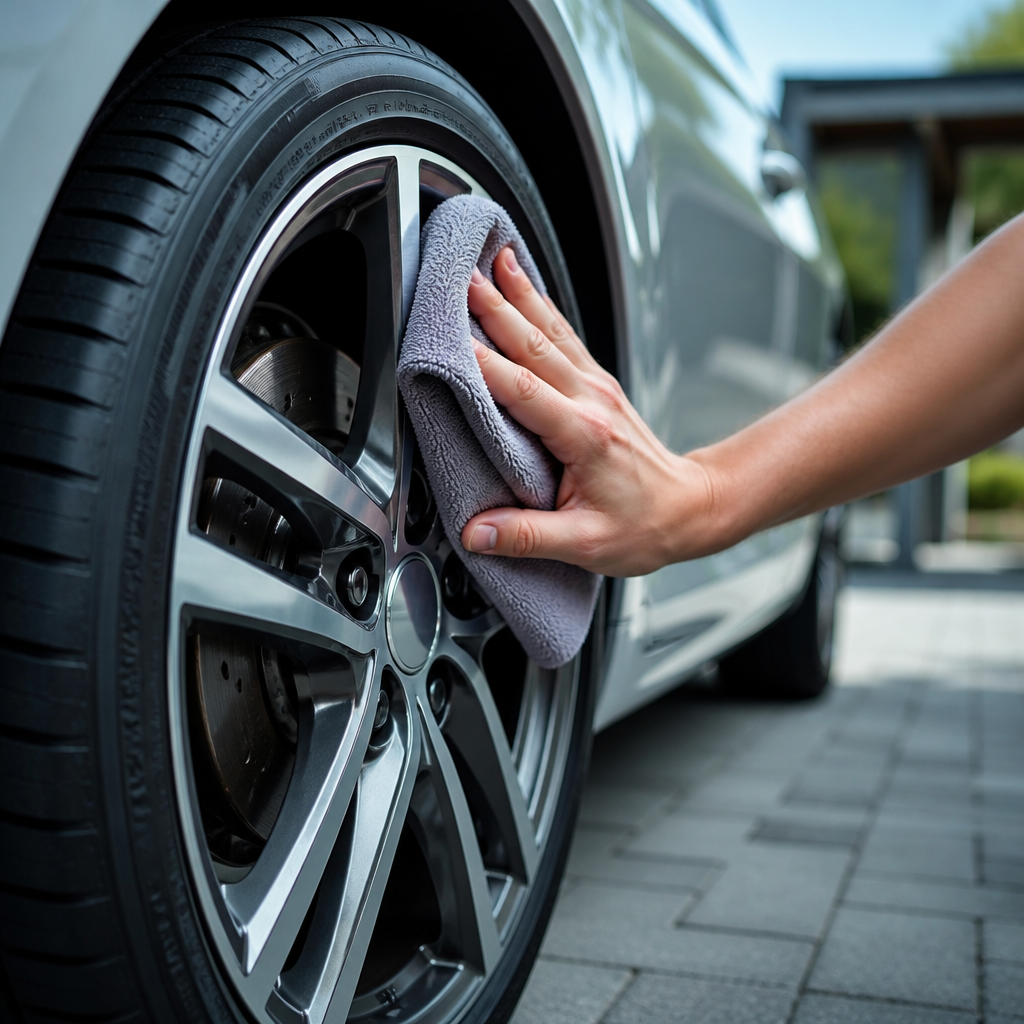
- Dry Them Off: Finally, dry your wheels using soft microfiber towels. This prevents unsightly water spots from forming as the water evaporates.
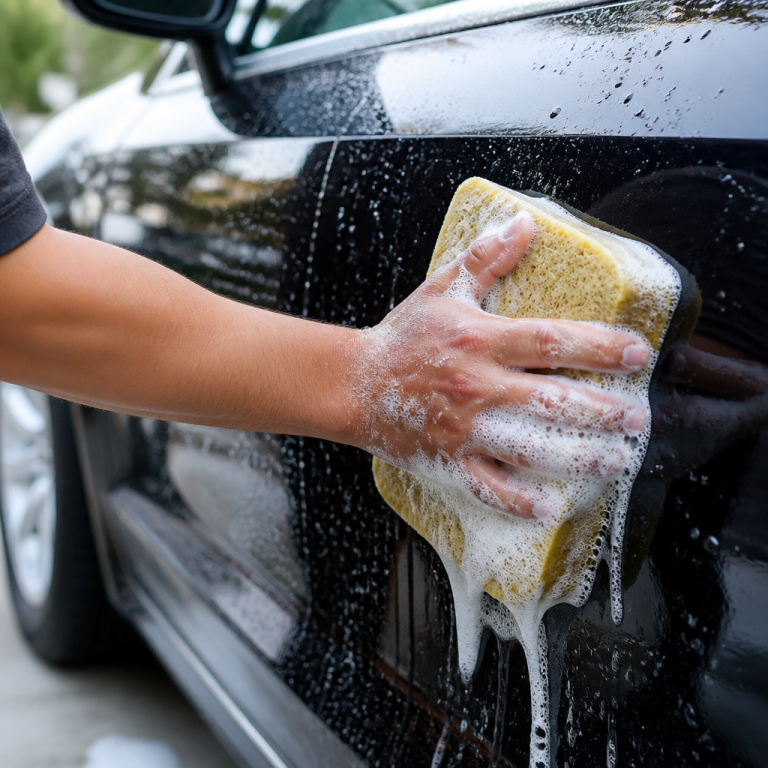
As professional detailer Larry Kosilla points out, a common mistake is using dish soap or regular household cleaners. These products aren't formulated for car finishes; they can strip protective coatings or cause "oxidation," leading to a dull or discolored appearance. Never use the same sponge or wash mitt on your wheels that you use on your car's painted body, as transferring gritty particles could scratch your paint.
How to Clean Car Wheels Without Scratching
Nobody wants clean wheels marred by scratches! The secret to spotless wheels without scratches involves using the right gentle tools, smart techniques, and suitable products to remove dirt without harming the wheel's protective coating or finish. Different wheel types react to scratches differently: chrome and polished aluminum are the most sensitive, powder-coated wheels are more robust, and painted wheels fall somewhere in between.
To keep your wheels looking flawless and minimize scratch risk:
- Choose the Right Brushes: Always select brushes with soft, natural boar hair or synthetic microfiber bristles. Avoid stiff nylon brushes on delicate finishes.
- Pre-Rinse is Your Friend: A thorough pre-rinse is crucial. It washes away most loose dirt and grit that could otherwise cause scratches during scrubbing.
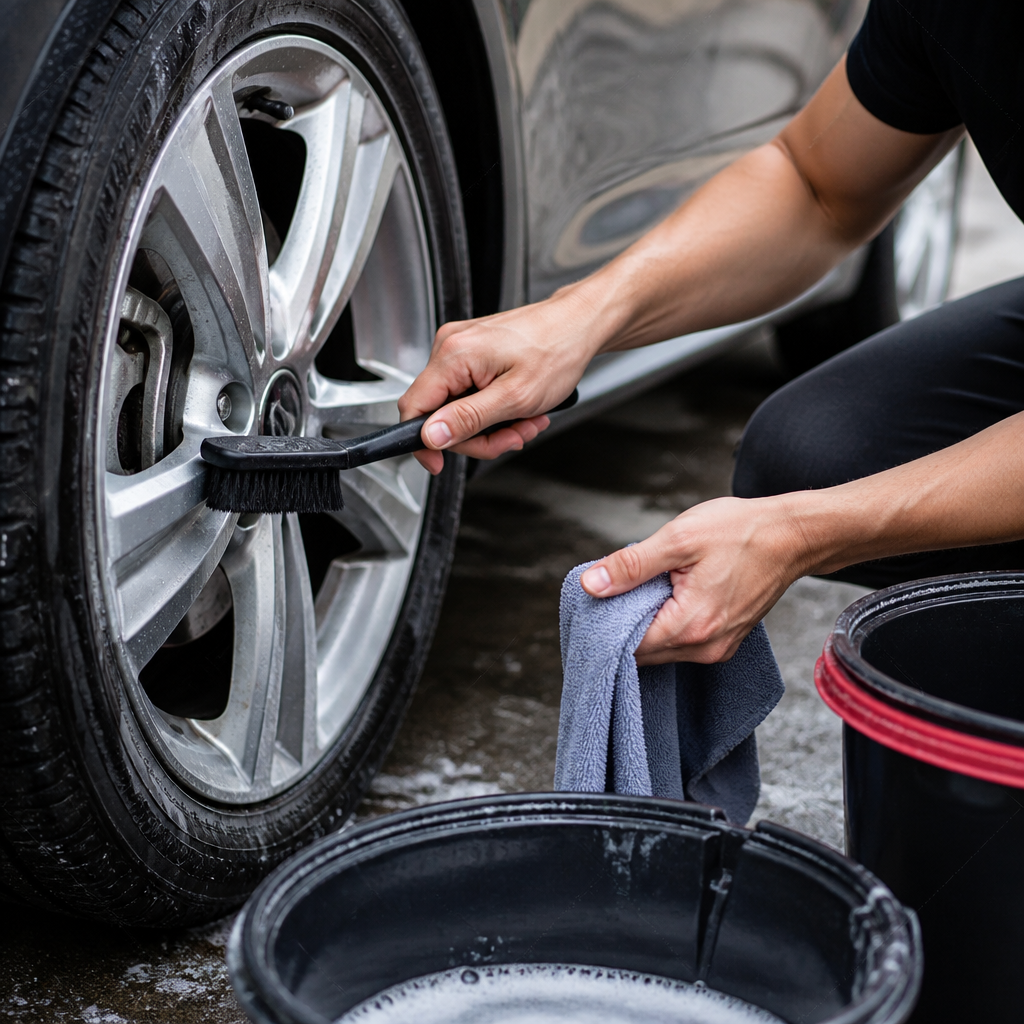
- The Two-Bucket Method: Use one bucket for your cleaning solution and another filled with clean rinse water. After cleaning a small section, dip your brush into the clean rinse water bucket to remove trapped dirt before continuing.
- Gentle Technique: When scrubbing, use straight-line motions instead of circular ones. Apply light to moderate pressure—let the cleaner do the work! Always start cleaning from the top of the wheel and work your way down.
- Microfiber Towels for Drying: For drying, use soft, high-GSM (Grams per Square Meter) microfiber towels. A higher GSM indicates a thicker, softer towel that absorbs more water and reduces the risk of scratches.
- Preventing Contamination: Be extremely careful not to drop your brushes or towels on the ground while cleaning.
- Dealing with Stubborn Dirt: For really tough, embedded contaminants that resist normal washing, consider using a "clay bar" or a synthetic clay mitt with plenty of lubrication.
As Mike Phillips, a top expert at Autogeek, strongly recommends, the "two-bucket method" is essential. This prevents you from rubbing those gritty particles back onto the wheel surface, which is a primary cause of scratches.
Never use aggressive tools like wire brushes or steel wool, as they will almost certainly cause scratches.
How to Clean Car Wheels and Tires
A truly sparkling car requires attention to both the wheel surfaces and the tires. Each area needs different products and techniques. Wheel cleaners are for metal and painted surfaces, while tire cleaners contain degreasers for rubber. The best approach is to clean your tires and wheel wells first to prevent dirty water from splashing onto your newly cleaned wheels.
Tire Cleaning Process:
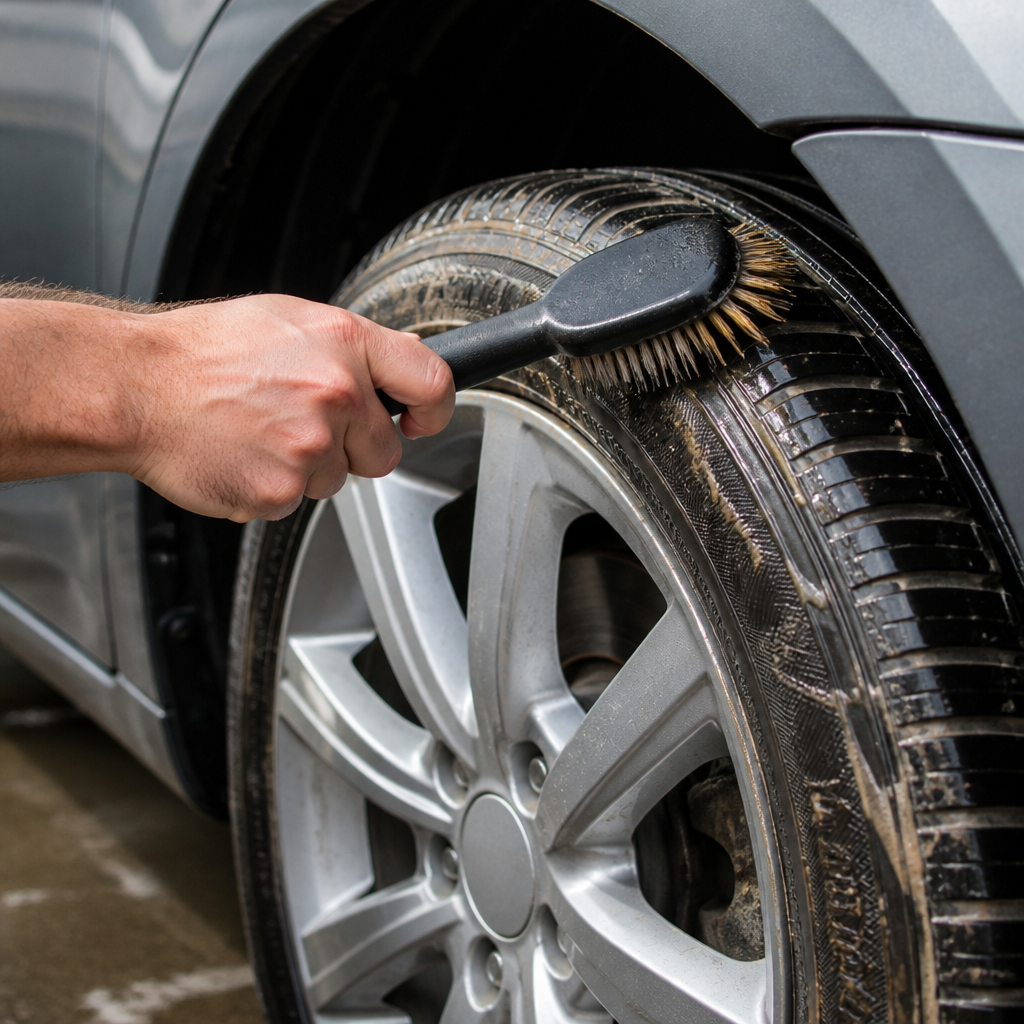
- Spray the Cleaner: Apply a dedicated tire cleaner directly onto dry tires.
- Let it Sit: Allow the cleaner to dwell for about 30-60 seconds to break down dirt.
- Scrub, Scrub, Scrub: Use a dedicated tire brush and scrub with firm pressure. You'll often see brown suds, indicating that dirt and old tire dressing are being removed.
- Rinse Thoroughly: Rinse the tires completely. Repeat if they are particularly dirty.
For wheel wells, spray them with an all-purpose cleaner, scrub with a long-handled brush, and rinse thoroughly.
Once your tires are completely dry, apply tire dressing using an applicator pad. Todd Cooperider, founder of Esoteric Auto Detail, explains that this process helps remove "brown tire blooming," restoring the deep black, new-tire look to the sidewalls.
Best Products and Tools for Cleaning Car Wheels
To achieve spotless wheels, you need the right tools and cleaning products. These specialized items are designed to safely remove brake dust, road grime, and other contaminants from various wheel finishes.
Best Products to Clean Car Wheels
Wheel cleaners generally fall into a few main categories:
- pH-neutral (pH 6-8): These are gentle and generally safe for all wheel finishes.
- Acidic: Stronger options used for heavy brake dust, but they require careful use.
- Alkaline: Effective at breaking down grease and oil.
- Iron Removers: These specialized cleaners contain agents that chemically bond with iron particles from brake dust, turning a distinct purple or red color as they dissolve the contaminants. This chemical reaction dissolves the brake dust, often eliminating the need for heavy scrubbing.
According to trusted sources in 2024, some top-rated products include Sonax Wheel Cleaner Plus, Meguiar's Hot Rims All Wheel Cleaner, and CarPro Iron X. For wheels with special ceramic coatings or sealants, _it's best to stick strictly to pH-neutral cleaners that don't contain strong acids or alkalis._
Wheel Cleaner Price & Performance Guide
| Tier | Price Range | Best For | Examples |
|---|---|---|---|
| Budget | $8-12 / bottle | Regular maintenance and light dirt | Mothers Foaming Wheel & Tire Cleaner, Simple Green |
| Mid-range | $15-25 / bottle | Enhanced cleaning power, more advanced formulas | Chemical Guys Diablo Gel, Griot's Garage Heavy Duty |
| Premium | $25-40 / bottle | Highly concentrated, professional-grade performance | P&S Brake Buster, Gtechniq W6 Iron and Fallout |
Professional detailer Scott HD emphasizes a crucial point: the most important factor is matching the product to your specific wheel type and its level of dirtiness.
Maintaining Clean Car Wheels Over Time
Keeping your car's wheels clean isn't a one-off task; it's an ongoing commitment. Maintenance involves knowing how often to wash them and employing smart strategies to prevent dirt buildup in the first place.
How Often to Clean Car Wheels
Finding the right washing frequency helps them look great, prevents permanent damage, and makes future cleanings easier. Most experts suggest a wash every 1-2 weeks for daily drivers. However, you might need to adjust this based on your driving environment, habits, and your wheels' finish.
Factors Influencing Cleaning Frequency:
- Environment: Coastal areas with salt spray, winter climates with road salt, and dusty regions require more frequent washing (often weekly or more).
- Brake Dust: Performance cars often generate more brake dust, necessitating a wash every 5-7 days.
- Wheel Finish: Delicate finishes like chrome and polished aluminum benefit from weekly attention, while more durable powder-coated wheels can go up to 2 weeks.
- Driving Mileage: If you drive 500+ miles per week, a weekly wheel wash is advisable.
Yvan Lacroix, a Master Detailer, offers a simple rule: if you can see a noticeable layer of brake dust or grime, it's time to clean.
Waiting longer than two weeks can allow contaminants to bond to the wheel, potentially causing permanent damage.
How to Keep Car Wheels Clean
Beyond a regular wash routine, you can take steps to prevent dirt buildup and make future maintenance easier. This involves protective treatments and smart habits.
Protective Coatings
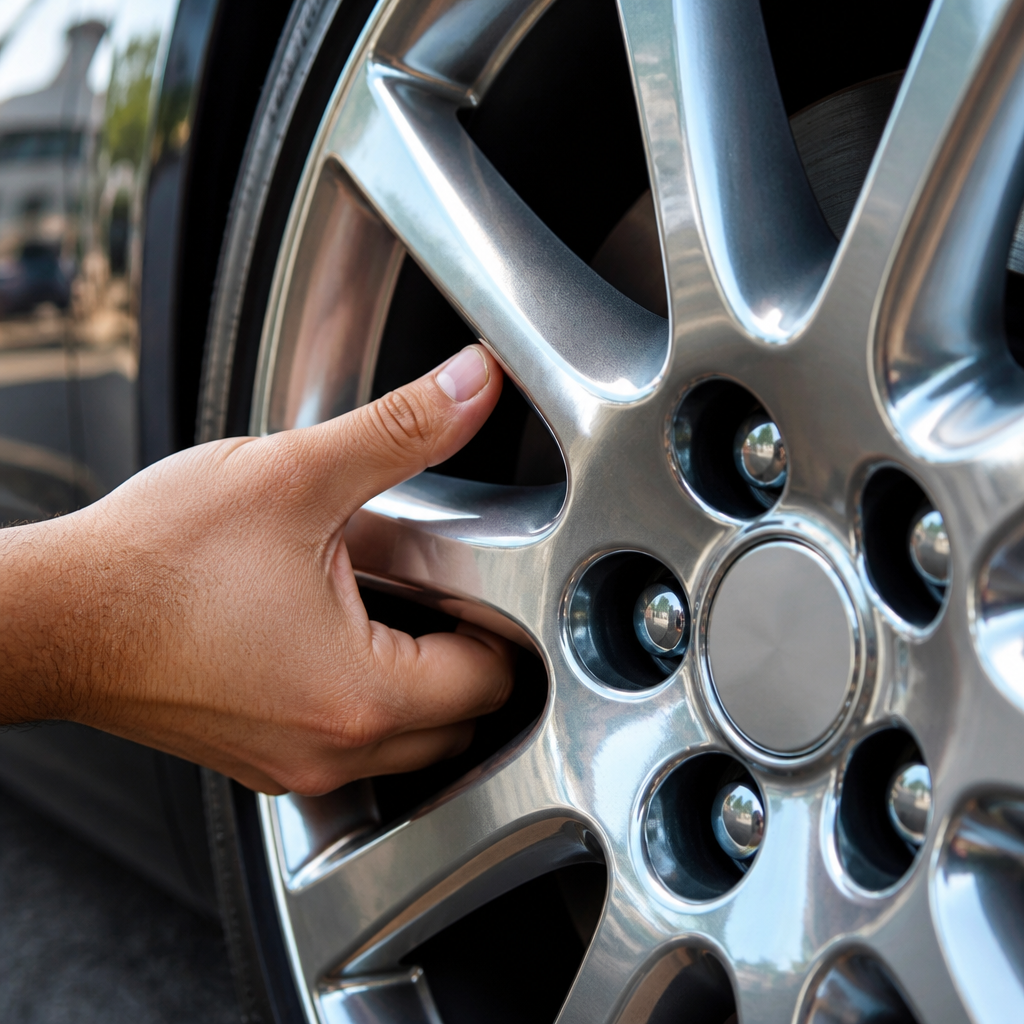
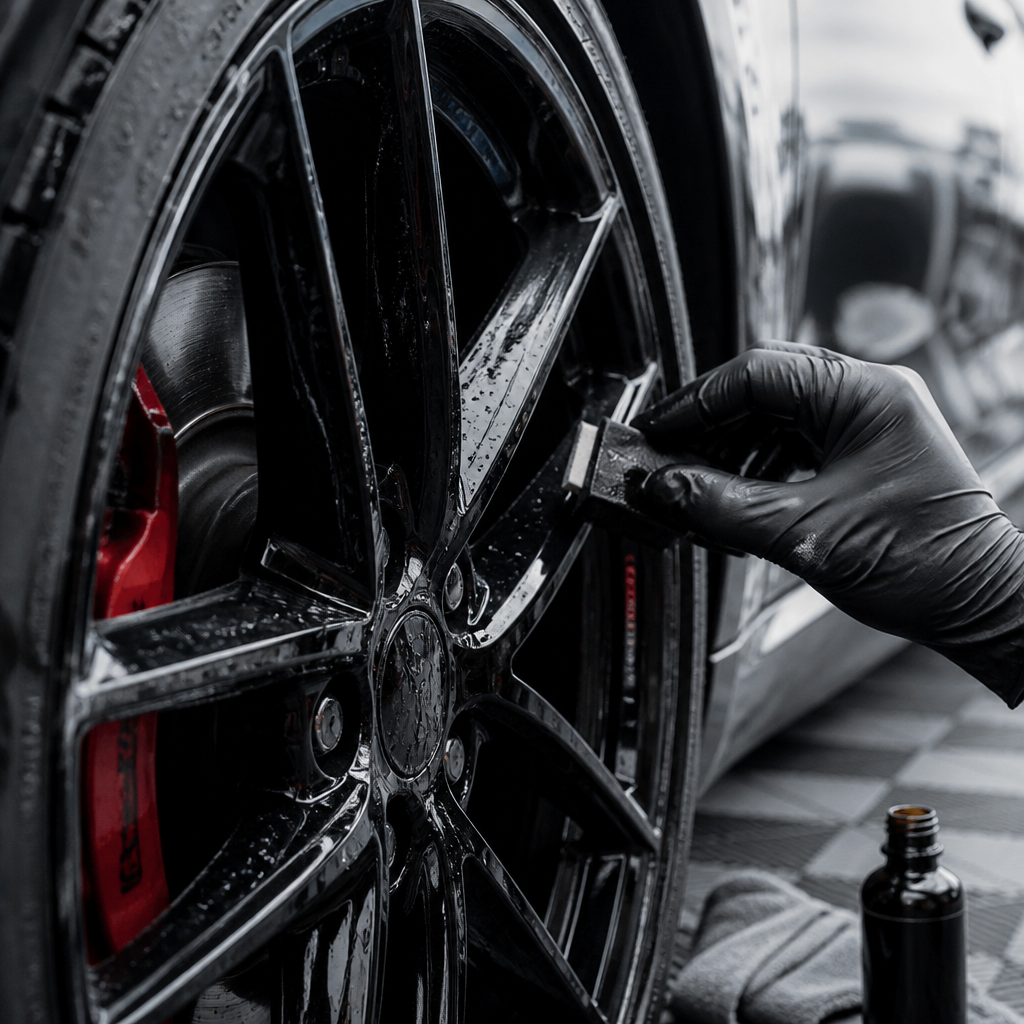
Applying a wheel sealant or ceramic coating creates a barrier on your wheels. A protective coating creates a hydrophobic barrier that repels water and dirt, making maintenance much easier. This can significantly reduce washing frequency by 40-60%. While DIY kits are available, professional application offers the most durable protection, lasting 1-2 years. However, manage expectations. As Dallas Paint Correction & Auto Detailing points out, _they don't eliminate the need for washing entirely._
Other Smart Maintenance Strategies:
- Choose Low-Dust Brake Pads: Switching to ceramic or low-copper semi-metallic brake pads can reduce brake dust output by 50-70%.
- Quick Maintenance Between Washes: Spend an extra 2-3 minutes during your car wash to spray your wheels with a quick detailer and wipe them down.
- Gentle Driving Habits: Smooth, gradual braking generates less brake dust than aggressive, sudden stops.
- Seasonal Protection: Before winter, apply wheel wax or sealant to protect against harsh road salt, reapplying every 4-6 weeks.
By combining the right techniques with these smart preventive measures, you can maintain your car's wheels' appearance and extend their lifespan for years.
FAQ
Q1. Why is it important to clean car wheels regularly?
A1. Regular wheel cleaning is important because brake dust, composed of iron particles, can bond to wheel surfaces and cause permanent staining if not removed. Road grime, tar, and other contaminants can also accumulate and damage the wheel's finish over time.
Q2. What is the biggest mistake people make when cleaning car wheels at home?
A2. According to professional detailers, a common mistake is using dish soap or household cleaners on wheels. These products are not pH-balanced for automotive finishes and can strip protective coatings or cause oxidation, especially on aluminum and chrome wheels.
Q3. How can I clean my car wheels without scratching them?
A3. To avoid scratching, use soft-bristled brushes (natural boar hair or synthetic microfiber), perform a thorough pre-rinse, and utilize the two-bucket method. Apply light pressure, use straight-line motions, and dry with high-GSM microfiber towels. Avoid dropping tools on the ground.
Q4. What are the main types of wheel cleaners available?
A4. Wheel cleaners generally fall into three categories: pH-neutral (safe for all finishes), acidic (for heavy brake dust), and alkaline (for grease and oil). Iron removers are a specialized type that chemically dissolves brake dust.
Q5. How often should I clean my car wheels, and what factors influence this frequency?
A5. Most experts recommend cleaning wheels every 1-2 weeks for daily-driven vehicles. This frequency can be influenced by environmental factors (e.g., road salt, dust), the amount of brake dust generated by your vehicle, the type of wheel finish, and your driving habits.

Jake Morrison writes about DIY car care at CarCareNote. He’s been detailing cars in his Ohio driveway for over a decade and shares what actually works at home.