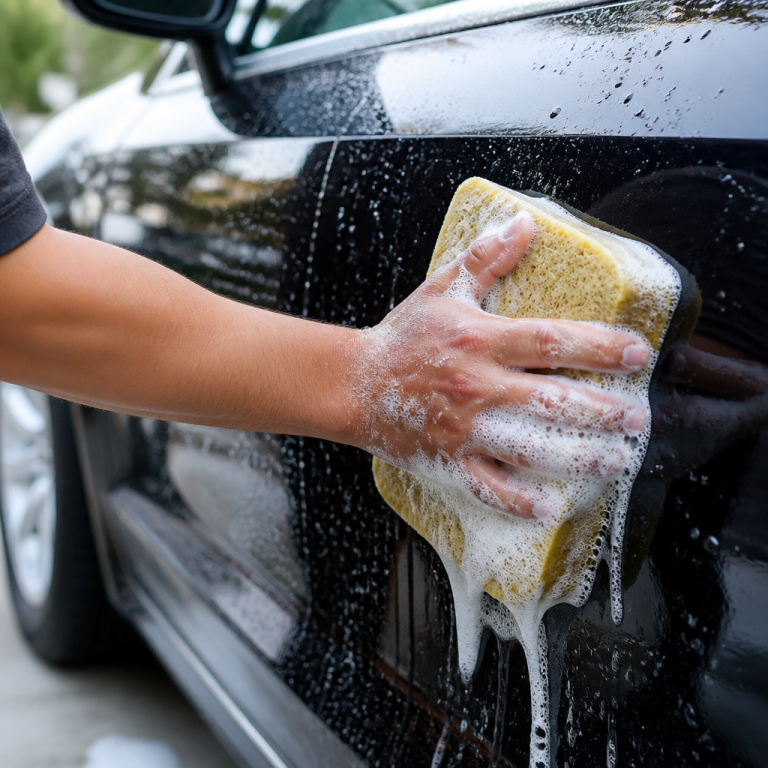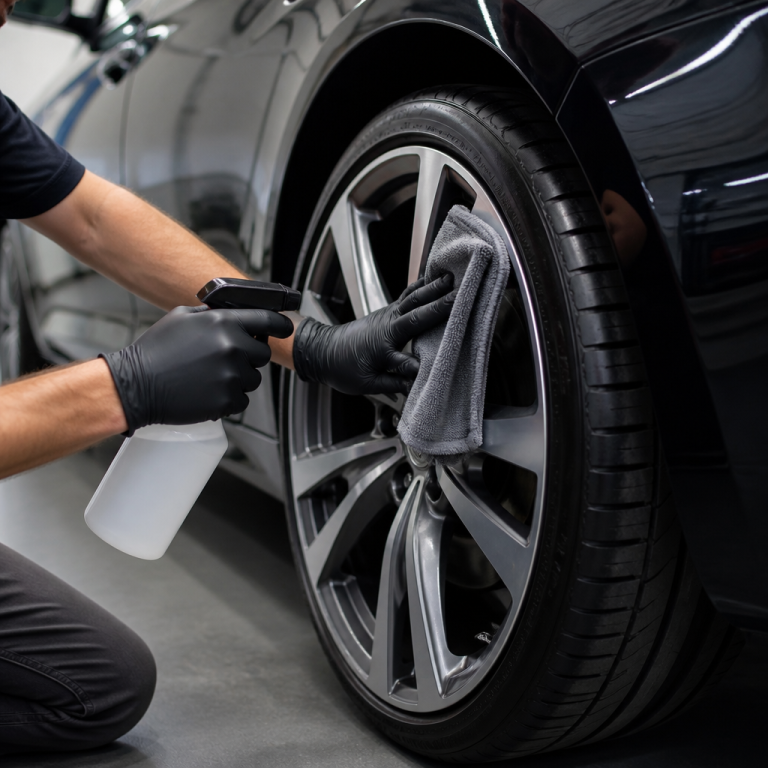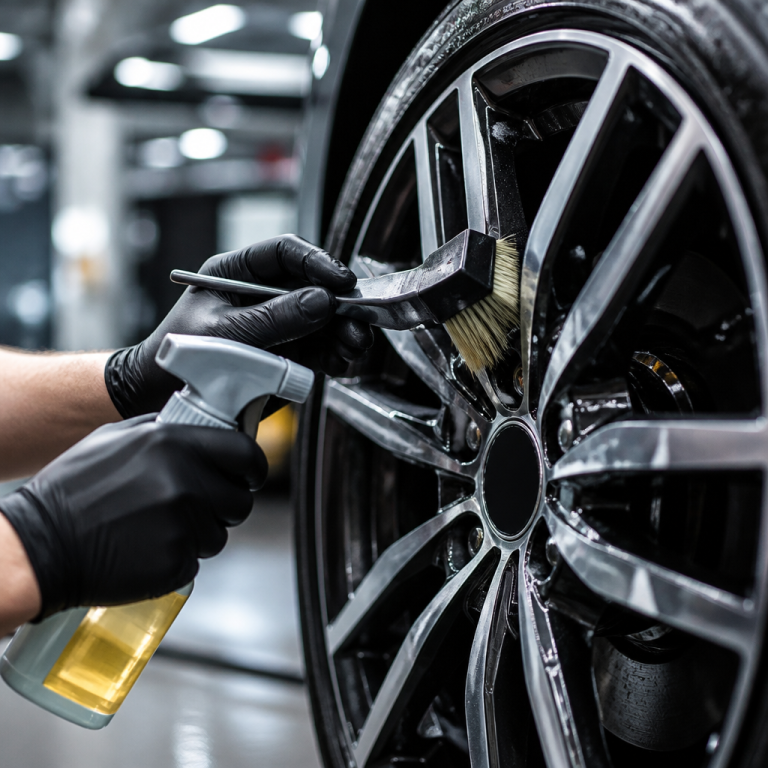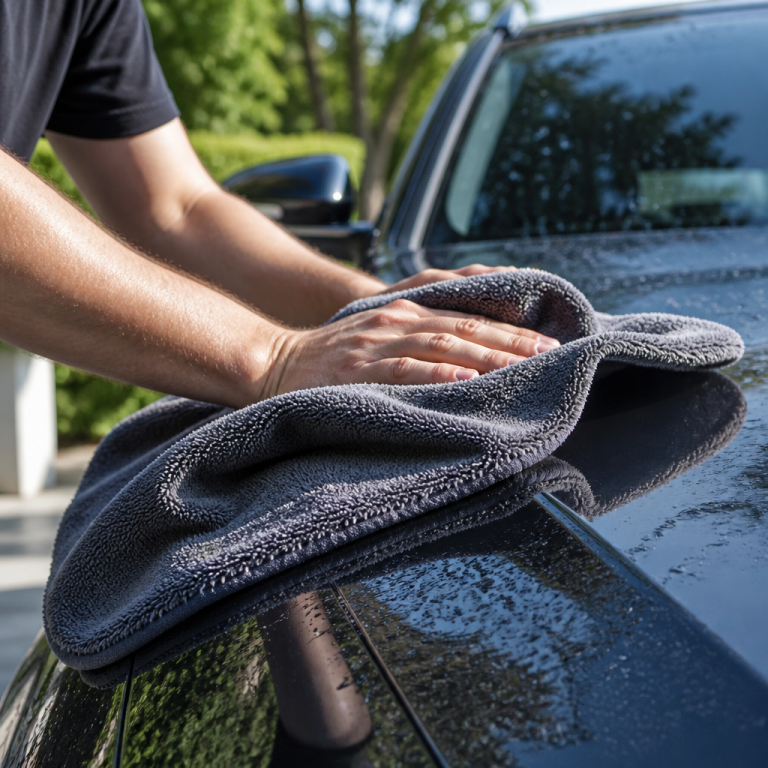
How Often Should You Wash Your Car? 7 Proven Car Tips
Keeping your car clean is more than just for aesthetics; it's essential for maintaining your vehicle's health and extending its lifespan. Discover why the frequency of car washes is so important. Most car care experts suggest washing your car every two weeks for typical driving conditions, but this can shift significantly based on your location and the time of year.
Mike Pennington, Director of Training at Meguiar's Car Care Products, shares his extensive knowledge:
Washing your car every two weeks is a solid starting point. But if you're in an area with harsh conditions like road salt, stubborn bird droppings, or sticky tree sap, you definitely need to wash it more often—even weekly.
Common contaminants like bird droppings, tree sap, and bug splatter contain potent acids. These acids can etch into your car's clear coat, the protective transparent layer over the paint, within just 48 hours. This can lead to permanent damage to your car's finish. Even cars that primarily stay in a garage benefit from at least one wash per month to clear off everyday airborne dirt and dust. Research from the International Carwash Association indicates that washing your car every two weeks can potentially extend your car's paint life by up to 60% compared to cars washed only once a month or less.
How Often Should You Wash Your Car by Season?
Just as you adjust your wardrobe with the seasons, your car faces different challenges throughout the year. The shifts in weather and environment mean your car's cleaning schedule needs to adapt.
| Season | Recommended Frequency | Key Contaminants to Avoid |
|---|---|---|
| Summer | Weekly to every two weeks | Intense sunlight (UV rays), insects, pollen, tree sap |
| Winter | Weekly to every two weeks | Road salt, de-icing chemicals, slush, moisture |
How Often Should You Wash Your Car in the Summer?
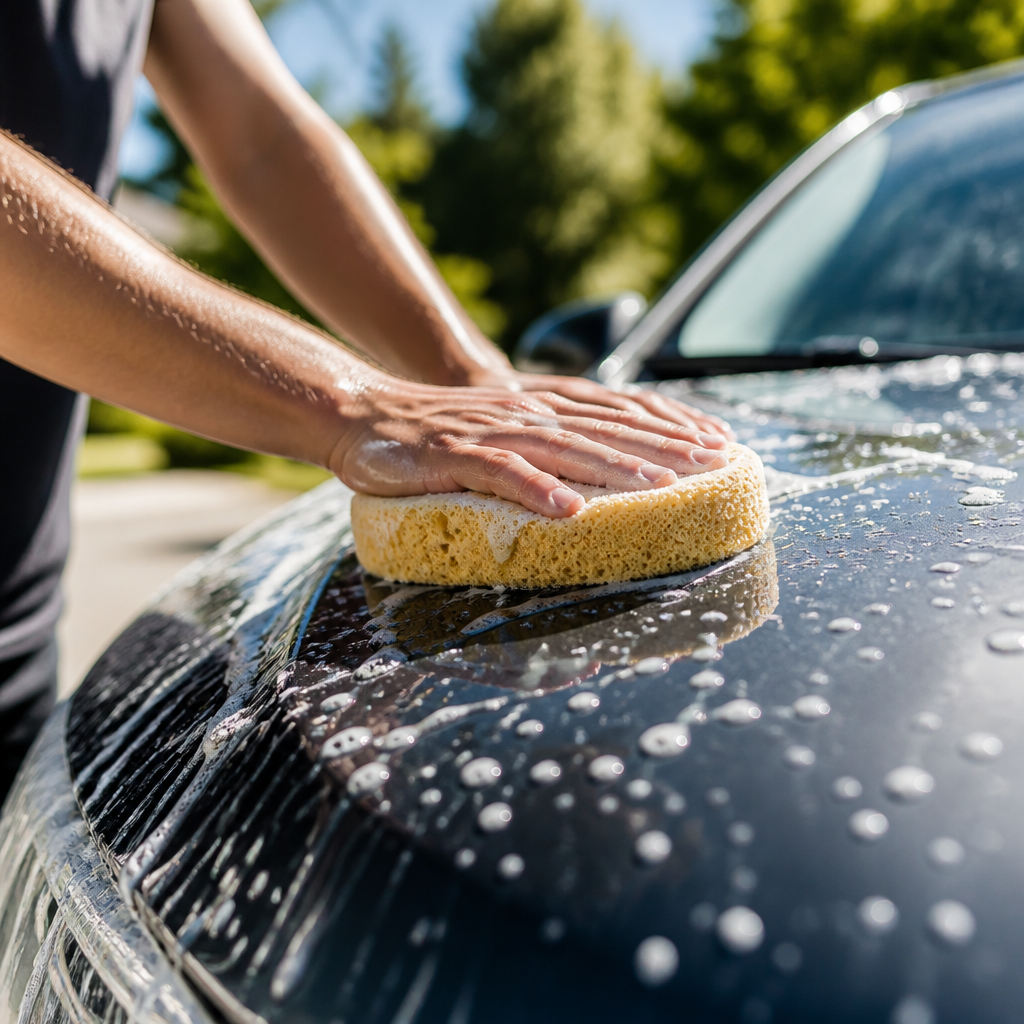
Summer car washing frequency centers on the increased cleaning your car needs during warmer months. In summer, cars are exposed to intense sunlight (UV rays), insects, pollen, tree sap, and dust. Car care professionals often advise washing your car weekly to every two weeks during this season.
The summer heat acts like a powerful adhesive, making dirt and grime cling more stubbornly to your car's paint. This means bug splatters and tree sap become considerably harder to remove _if you don't clean them off within 24-48 hours_. Additionally, the pollen that fills the air can create a thin, acidic film on your paint. When this combines with morning dew, it can etch into your clear coat in just a few days. The sun's UV radiation is considerably stronger in summer, which can accelerate oxidation on unwashed surfaces, causing your paint to lose its vibrant color.
How Often Should You Wash Your Car in the Winter?
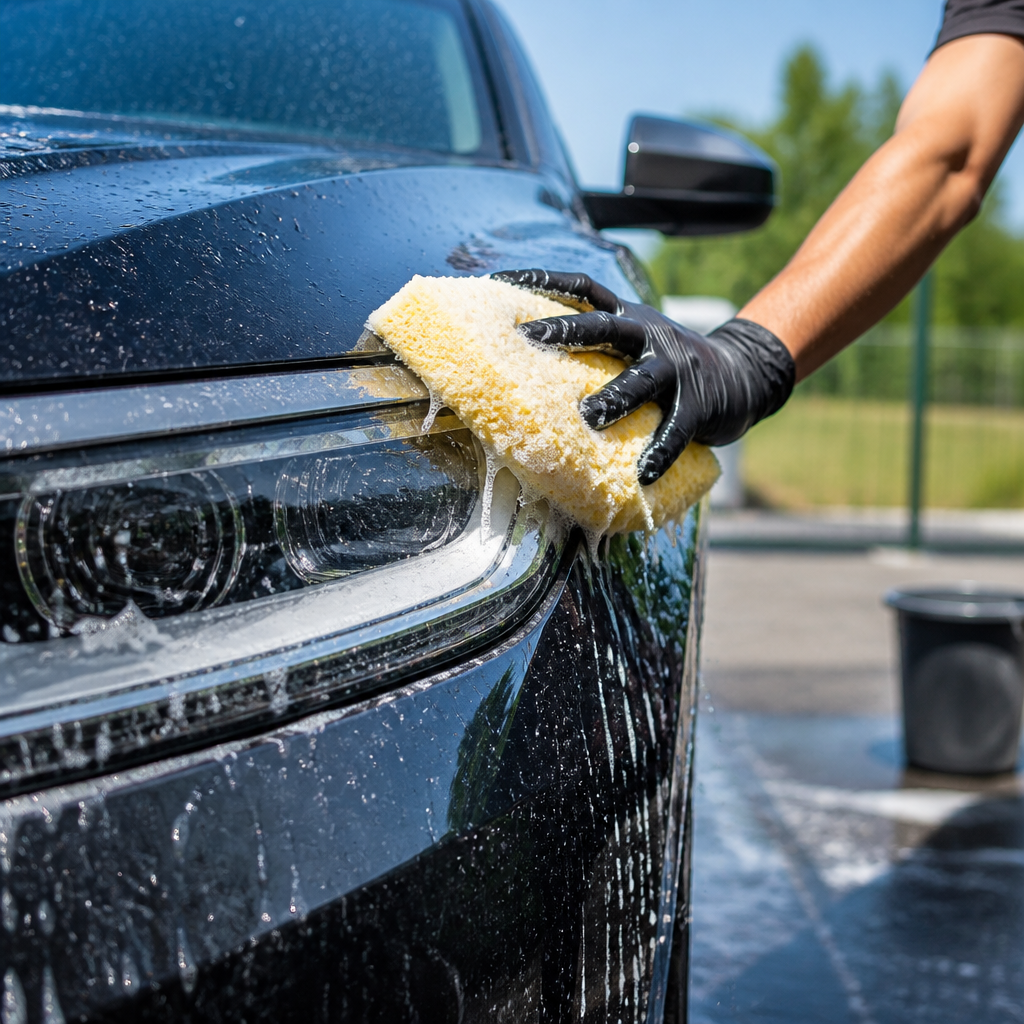
Winter car washing frequency refers to the recommended cleaning plan during cold months when cars are subjected to road salt, de-icing chemicals, slush, and moisture. All these elements can significantly accelerate corrosion. Car experts generally recommend washing your car weekly to every two weeks during winter, especially if you live in areas where road salt is used.
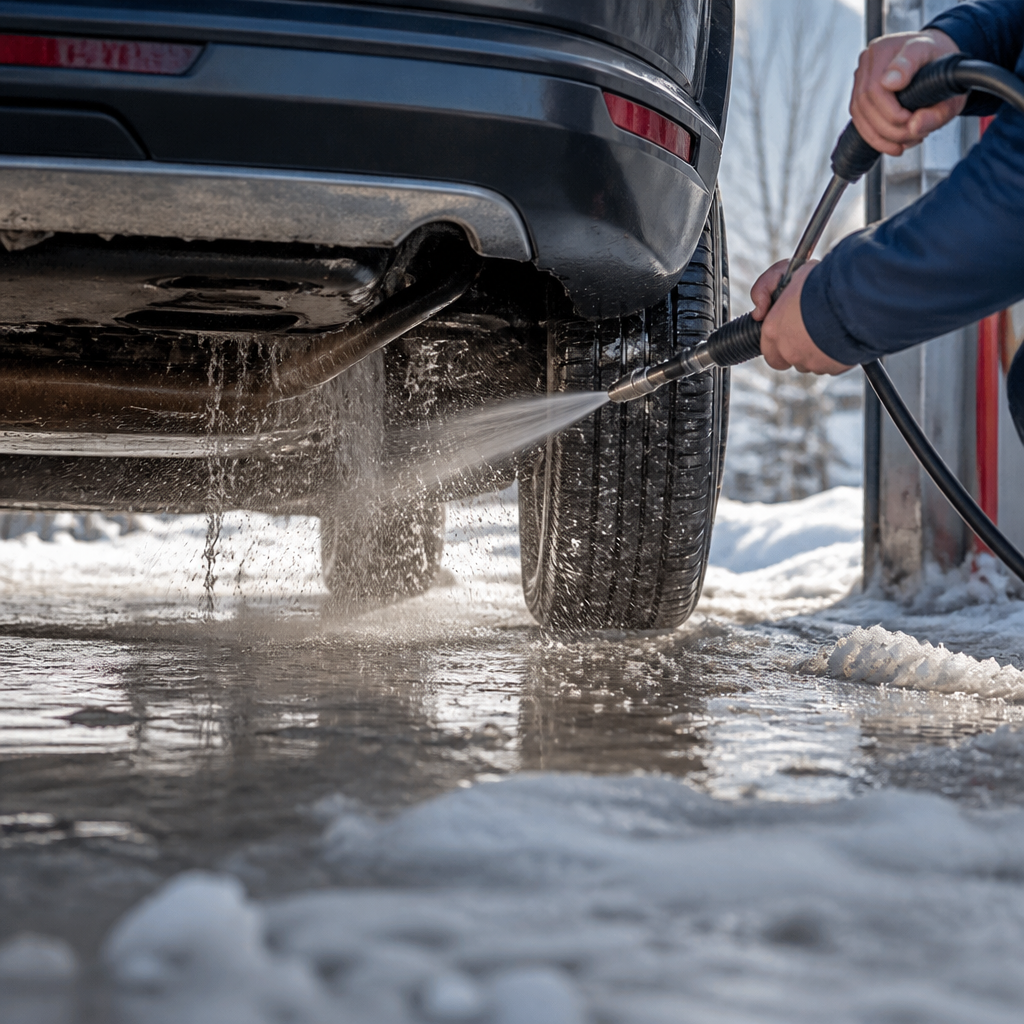
Road salt, which includes compounds like sodium chloride and calcium chloride, triggers a chemical reaction that dramatically speeds up rust formation when left on your car. A strong emphasis should be placed on cleaning the undercarriage. The freeze-thaw cycle is very common in winter and allows salty water to seep into tiny cracks, seams, and paint chips, where it continues its corrosive work. Modern touchless car washes, which use high-pressure water, are generally safe for winter washing and can effectively remove salt.
How Often Should You Wash the Salt Off Your Car?
Salt removal frequency specifically addresses how often cars should be washed to get rid of road salt and de-icing chemicals. Experts in car corrosion suggest washing the salt off your car every 7-10 days when roads are actively being treated. Thoroughly flushing the undercarriage is extremely important here. Road salt stays chemically active for weeks, continually attracting moisture and accelerating rust. The undercarriage, wheel wells, and lower sections of your car doors receive the most exposure and are often the first areas to show rust damage.
How Often Should You Wash Your Car Based on Location?
The environment can vary dramatically depending on where you live, and these differences significantly influence how often you should wash your car.
How Often Should You Wash Your Car in Florida?
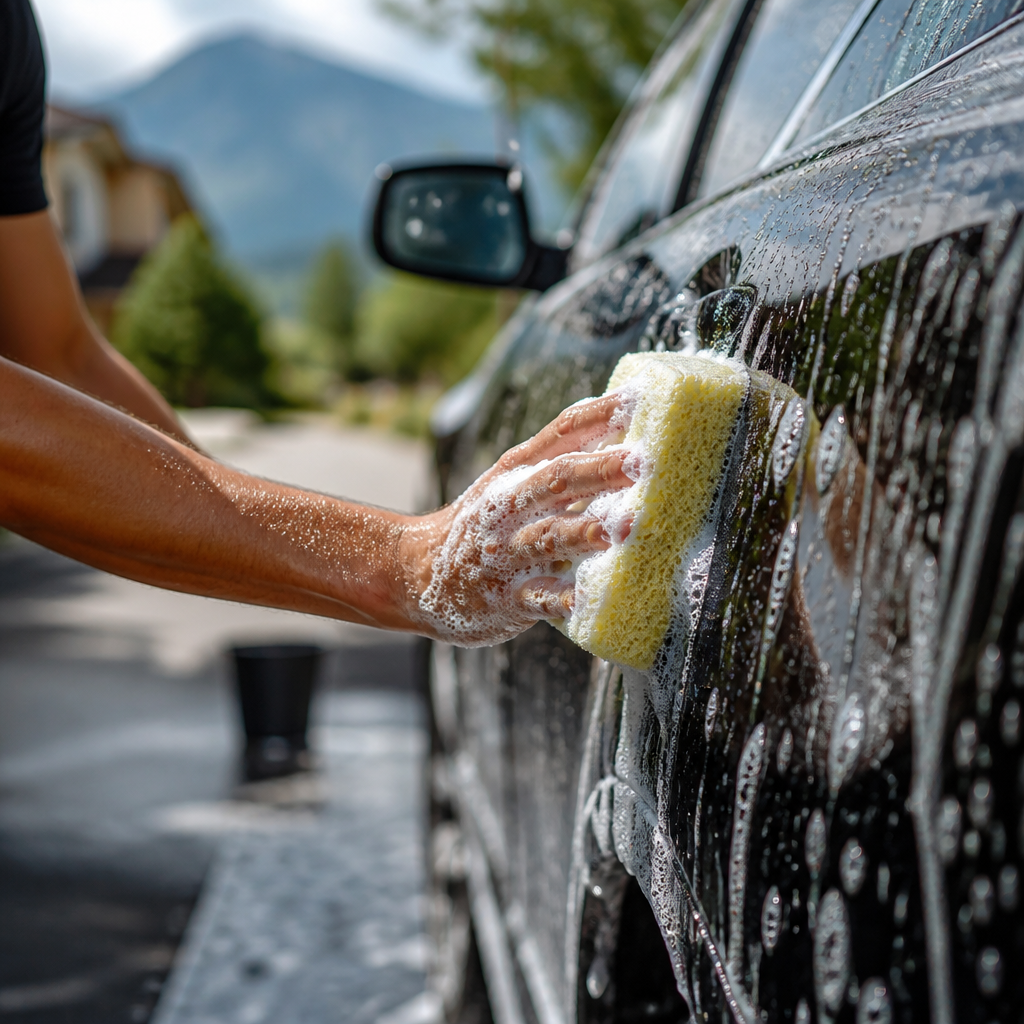
Florida's warm, humid subtropical climate includes intense sunlight, salty air near the coast, and frequent rain. Car care experts recommend washing vehicles every 1-2 weeks in Florida, with _weekly washing often advised for those living right on the coast_ due to the constant salty air.
Florida's coastal regions experience "salt air," meaning tiny salt particles can settle on your car even several miles inland. This can cause rust and corrosion similar to road salt, but it occurs year-round. The state's high UV index greatly accelerates paint oxidation and fading. Florida's rain can also contain minerals and pollution that leave unsightly water spots and acidic residues on your car. Love bugs, common in May and September, excrete acidic substances that can permanently etch your paint if not cleaned off quickly.
How Often Should You Wash Your Car in California?
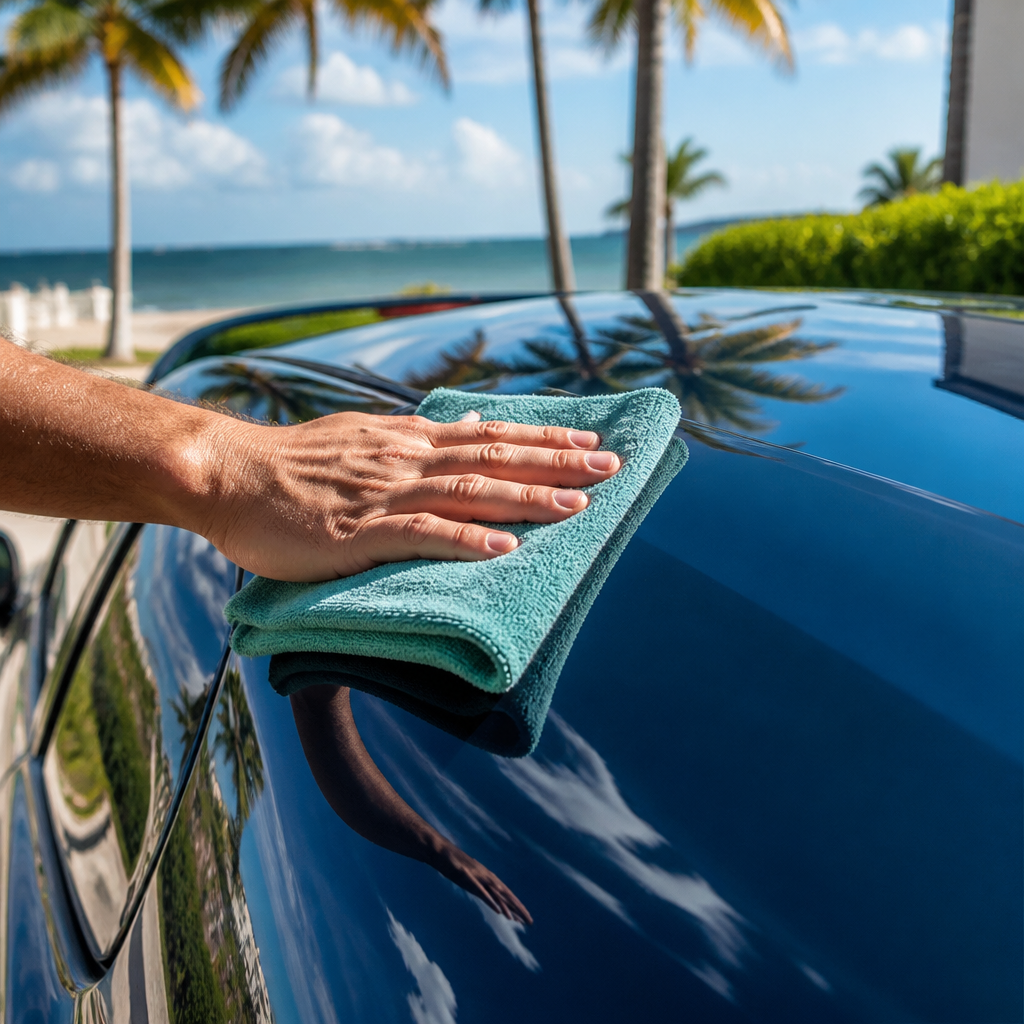
California's diverse climates range from foggy coasts to hot, dusty inland deserts, and the state has a critical need for water conservation. Car experts in California generally recommend washing every 2-3 weeks for most areas, but suggest weekly washing for coastal regions and dusty inland valleys.
California's coastal marine layer can deposit salt particles on cars, requiring more frequent washes. Inland regions contend with abundant agricultural dust, pollen, and pesticide drift. Due to California's strict water conservation regulations, car washing should be water-efficient. Commercial car washes are a practical choice as they typically use less water per wash and often recycle their water.
How Often Should You Wash Your Car in the UK?
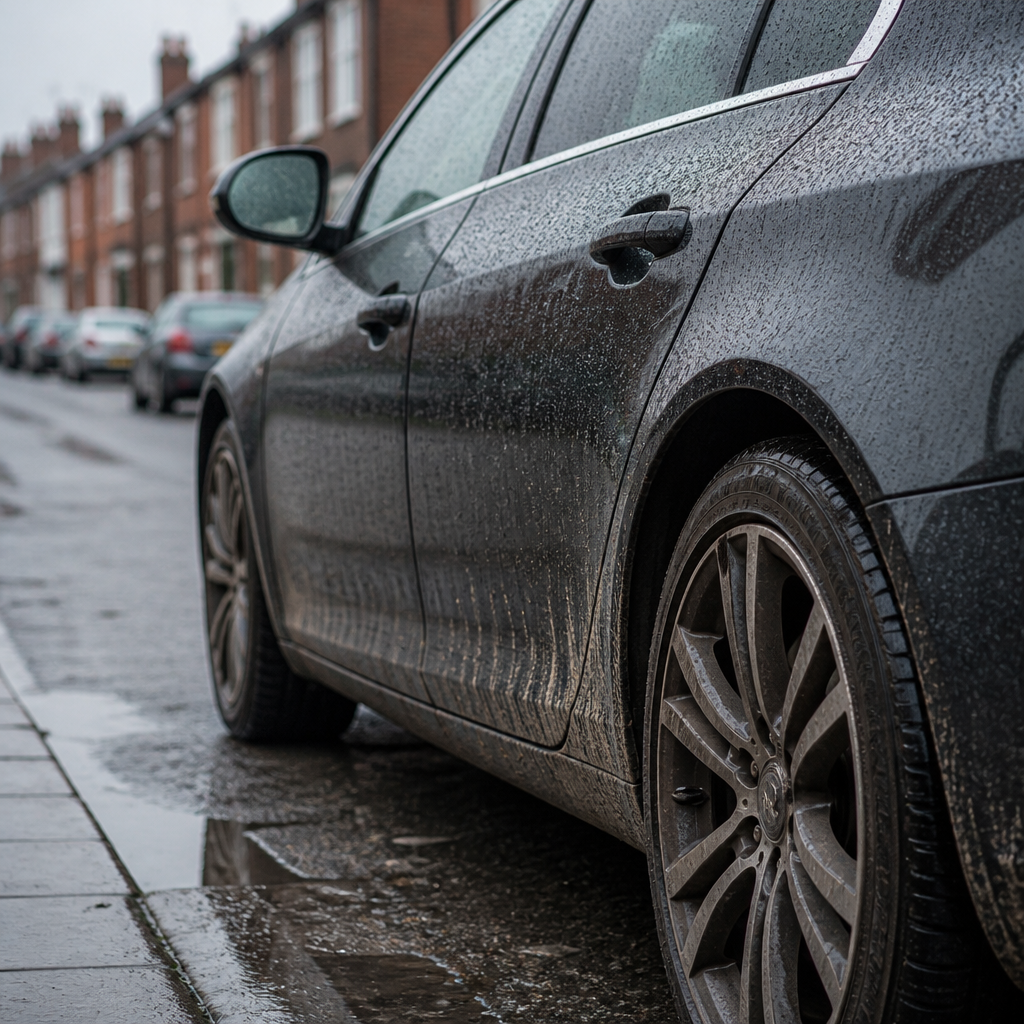
UK car washing frequency addresses the specific conditions of the British climate, including frequent rain, road grime, and the use of road salt in winter. Automotive organizations in the UK recommend washing vehicles every two weeks year-round, but suggest increasing this to weekly during winter months when road salt is actively used. The UK uses a significant amount of road salt from December through March. British roads often generate considerable spray and grime due to frequent rain, and this dirty mixture can adhere to the underside of vehicles, contributing to rust.
How Often Should You Wash Your Car for Optimal Protection?
Beyond aesthetics, regular washing plays a crucial role in safeguarding your car's long-term health, particularly against its primary adversary: rust.
How Often Should You Wash Your Car to Prevent Rust?
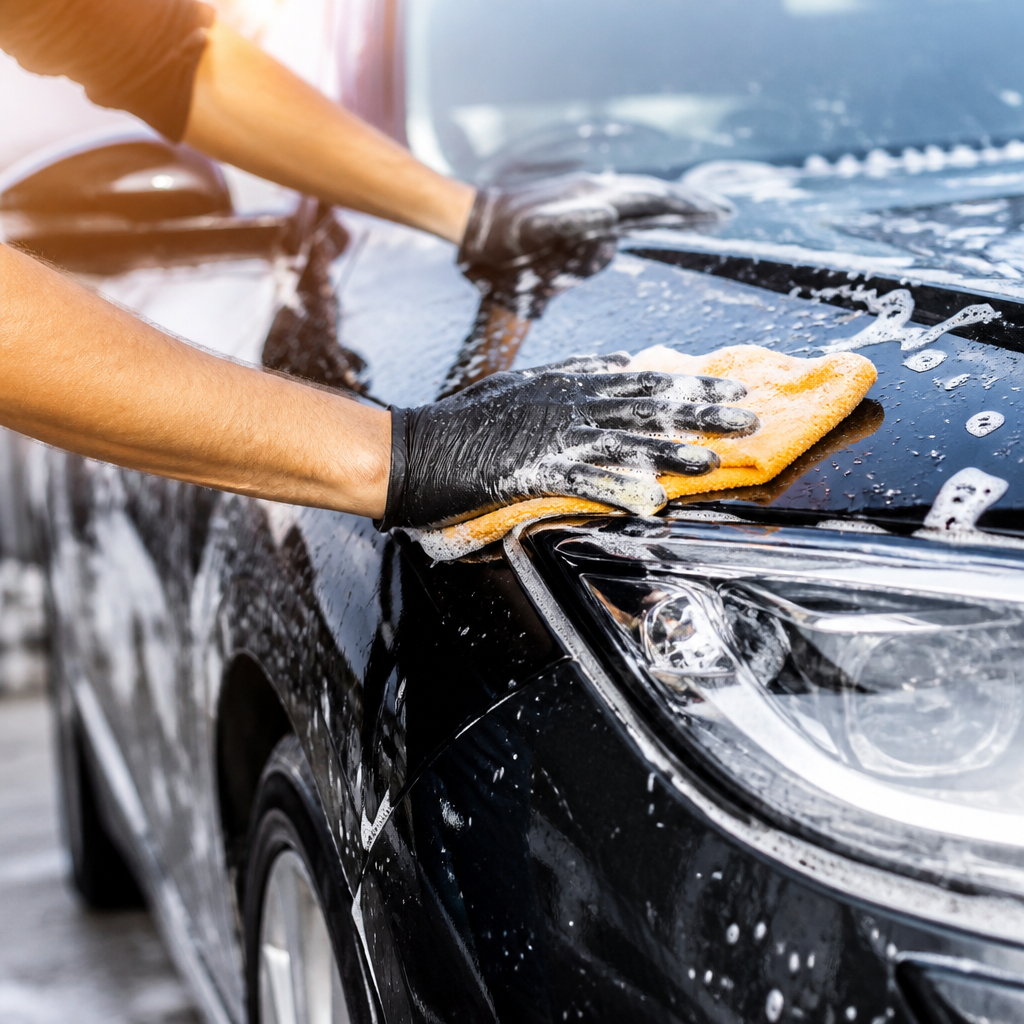
Rust prevention washing frequency is the optimal schedule designed to remove corrosive contaminants before they accelerate the oxidation of your car's metal components. Corrosion experts recommend washing your car at least every two weeks to prevent rust, increasing to weekly in high-risk areas such as coastal regions or places that use road salt.
Rust can begin to form quite rapidly when iron or steel, the primary metals in your car, are exposed to moisture and oxygen. Key areas to concentrate on for rust prevention include:
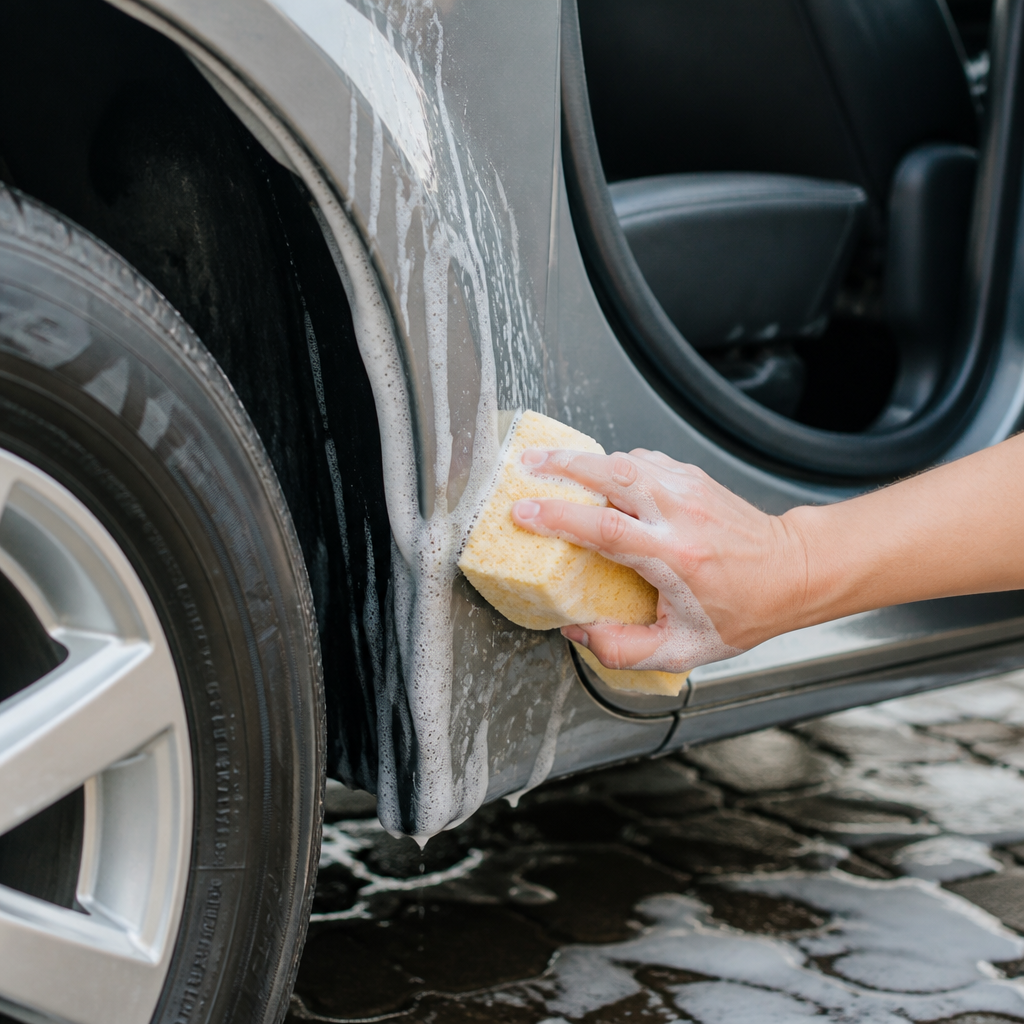
- The wheel wells
- The undercarriage
- Door sills
- Areas behind bumpers
Dr. Gerald Frankel, a Professor of Materials Science and Engineering at Ohio State University, states:
From a metal scientist's point of view, the secret to preventing rust is removing chlorides (like salt) and other 'electrolytes' before they can stay in contact with metal surfaces. Weekly washing in salty environments removes these before significant 'electrochemical corrosion' can even begin.
Modern vehicles often utilize galvanized steel and other protective coatings. However, this protection can quickly degrade _if it's compromised by paint chips or scratches_, especially if contaminants aren't removed regularly. Applying car wax or a sealant every 3-4 months can establish a hydrophobic barrier that helps prevent moisture and contaminants from reaching the paint and metal surfaces.
Ultimately, the ideal frequency for washing your car depends on environmental conditions, your driving habits, and the season. While washing every two weeks serves as a good general guideline, transitioning to a weekly schedule during challenging conditions can significantly help maintain your car's appearance and protect it from long-term damage.
FAQ
Q1. What is the general recommendation for how often to wash a car?
A1. Most automotive experts recommend washing your car every two weeks under normal driving conditions to maintain its appearance and protect the paint.
Q2. Why should I wash my car more often in the summer?
A2. In summer, increased exposure to UV rays, insects, pollen, and tree sap, combined with heat, can accelerate paint damage. Washing weekly to bi-weekly helps remove these contaminants before they etch the clear coat.
Q3. How often should I wash my car in winter, especially if there's road salt?
A3. During winter, particularly in regions that use road salt, it's recommended to wash your car weekly to bi-weekly. Undercarriage cleaning is crucial to remove corrosive salt that accelerates rust.
Q4. Does rain clean my car, or do I still need to wash it?
A4. Rain often does not effectively clean a car; instead, it can combine with existing road grime, salt, or pollutants to create acidic residues and leave mineral deposits or water spots, necessitating regular washing.
Q5. What are the key areas to focus on for rust prevention when washing my car?
A5. For rust prevention, pay close attention to the wheel wells, undercarriage, door sills, and areas behind bumpers, as these spots tend to accumulate moisture and corrosive contaminants like road salt.

Jake Morrison writes about DIY car care at CarCareNote. He’s been detailing cars in his Ohio driveway for over a decade and shares what actually works at home.