how to clean car dashboard: Brilliant, safe results
I still remember the sheer satisfaction the first time I meticulously cleaned the dashboard of my old 1998 Honda Civic. It was back in college, and the plastic was practically begging for attention—layers of dust, faint coffee rings, and that slightly sticky film that develops over years of neglect. Transforming it from dingy to dazzling felt like giving my car a new lease on life, and honestly, it made every drive feel better. From that moment, I realized cleaning a car dashboard isn't just about making it look good; it's about preserving your investment, creating a more enjoyable space, and even improving the air you breathe. This guide is built from those hands-on experiences, allowing you to discover the best ways to tackle dust, grime, and everything in between, using both household items and specialized products to keep your dashboard safe and streak-free.
Cleaning Methods and Techniques
Keeping your car's dashboard clean involves more than just a quick wipe. Different materials and types of dirt require specific approaches. This section delves into various methods, including natural cleaning options, techniques for plastic surfaces, strategies for tackling hard-to-reach vents, and tips for achieving a spotless, streak-free finish.
How to Clean Car Dashboard Naturally?
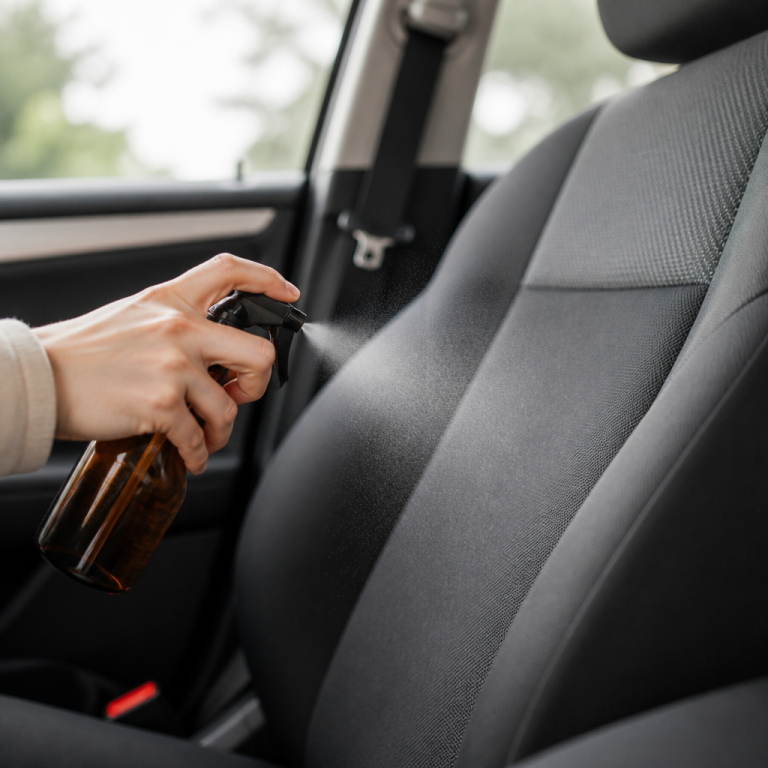
For budget-friendly and gentle cleaning, natural solutions are a great starting point. Using everyday household items avoids harsh chemicals and strong fumes, making it an eco-friendly choice for regular upkeep. My go-to natural solution for general dust and light grime has always been a simple 50/50 mixture of white vinegar and water. Just remember to spray it onto a cloth first, not directly onto the dashboard.
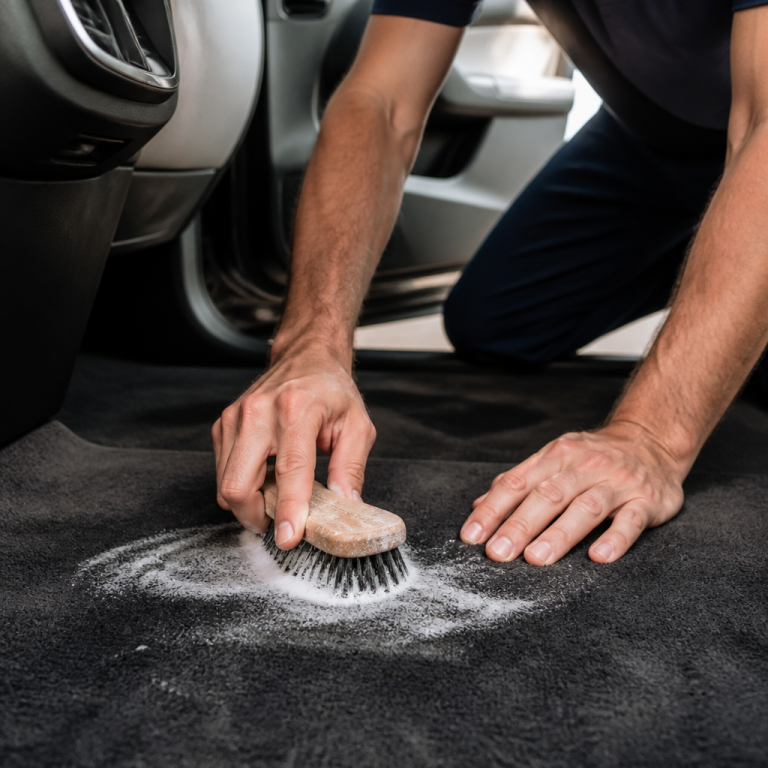
For tougher spots, a baking soda paste is a real hidden gem. I remember helping my brother clean a sticky energy drink spill from his dashboard. I made a paste with three parts baking soda and one part water, applied it gently with an old toothbrush, let it sit for a minute, and then wiped it away. It lifted the stubborn stain right off without any harsh scrubbing. Another gentle option, especially on more sensitive materials, is castile soap diluted in water—about 1-2 tablespoons per quart.
While some suggest lemon juice mixed with olive oil for a natural shine, I tend to steer clear of it. _The citric acid in lemon juice, even diluted, can be a bit too harsh over time and might actually accelerate fading, which you definitely don't want._ It's crucial to remember that natural cleaners have their limits.
As Dr. Michael Chen, an Automotive Materials Scientist, wisely points out, most natural cleaners don't offer the UV protection that many commercial products do.
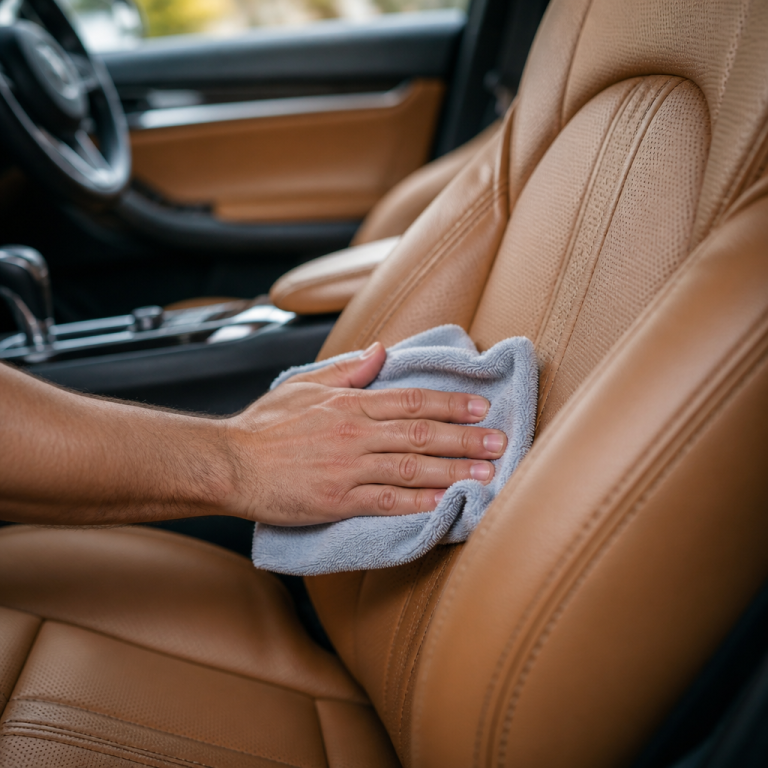
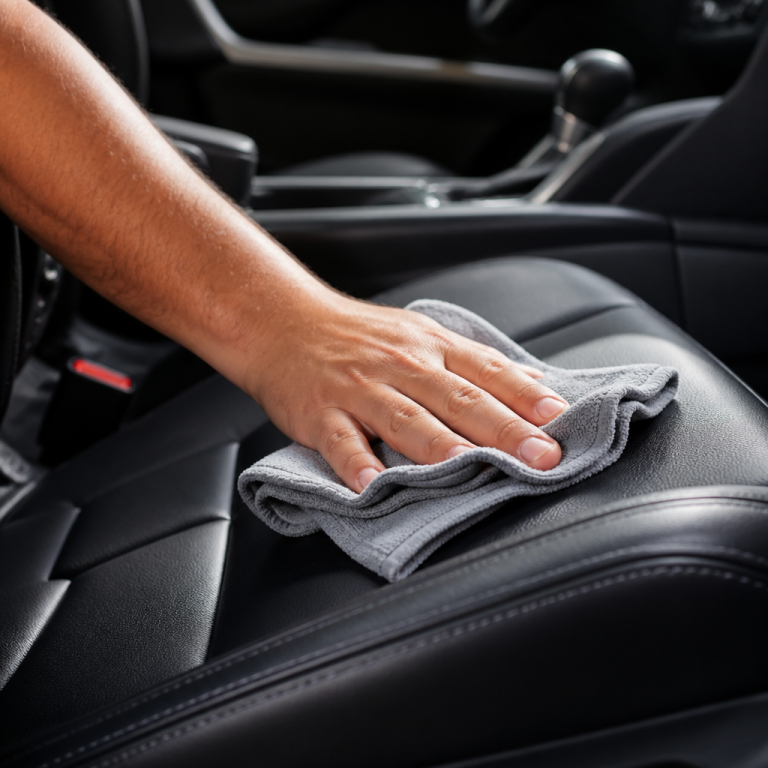
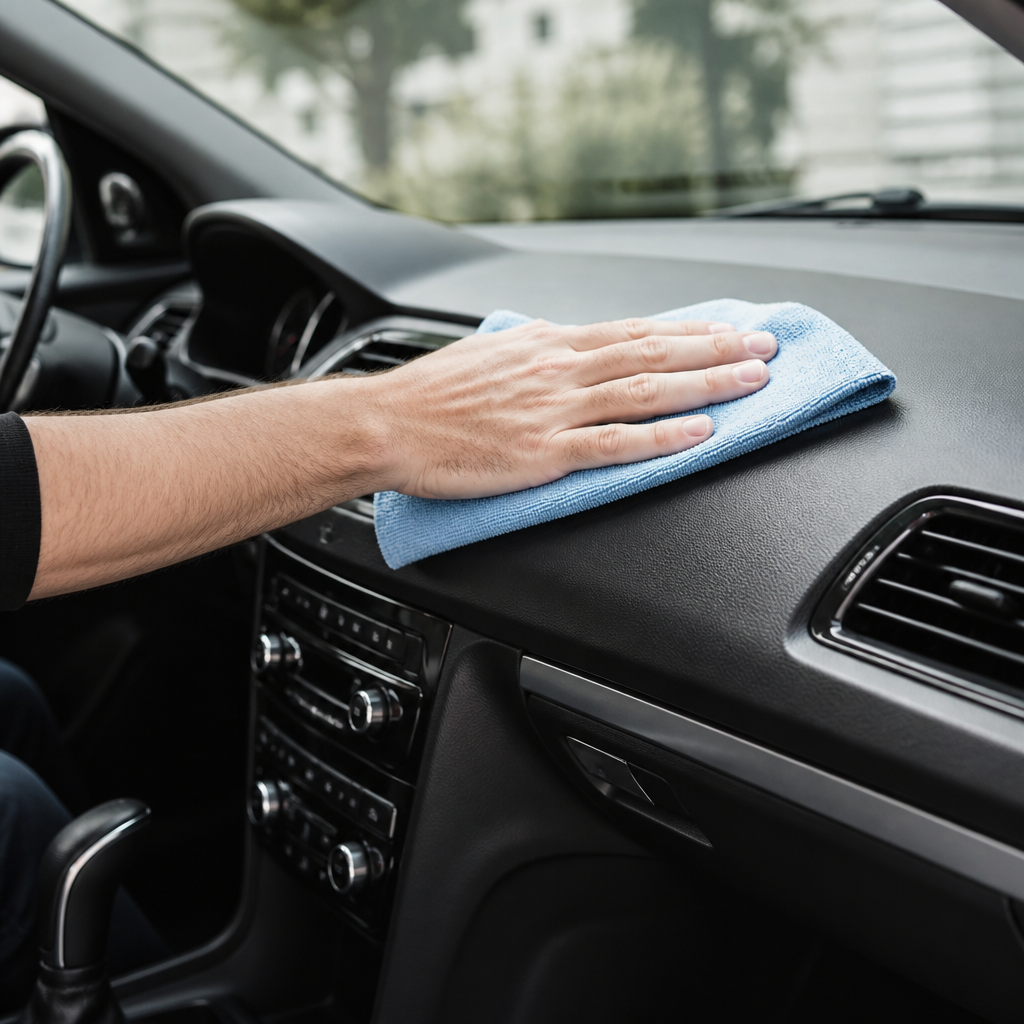
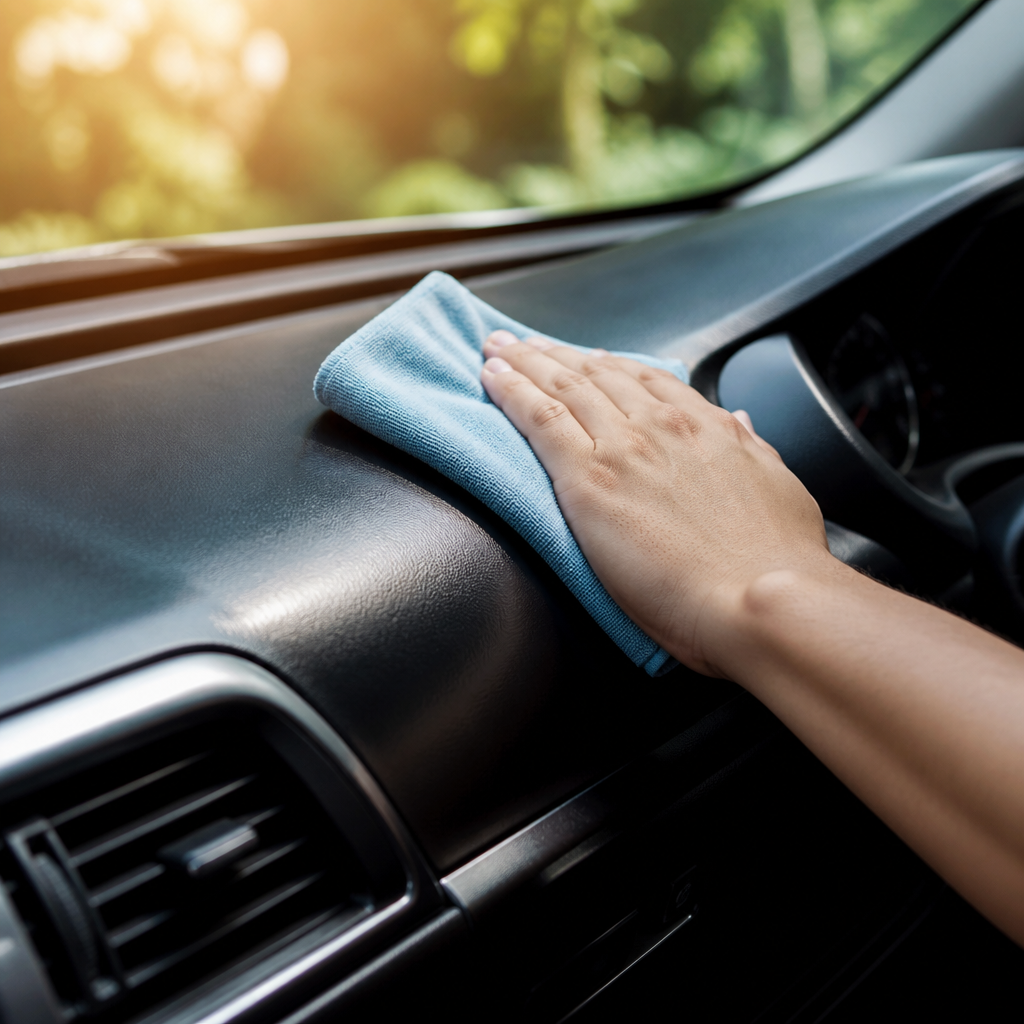
Dashboards cleaned only with natural methods tend to show signs of fading and cracking much quicker in sunny climates. This lack of UV defense is a real downside to relying solely on these methods. No matter which cleaner you choose, a high-quality microfiber cloth is your best friend for preventing scratches and achieving that streak-free finish.
How to Clean Car Dashboard Plastic
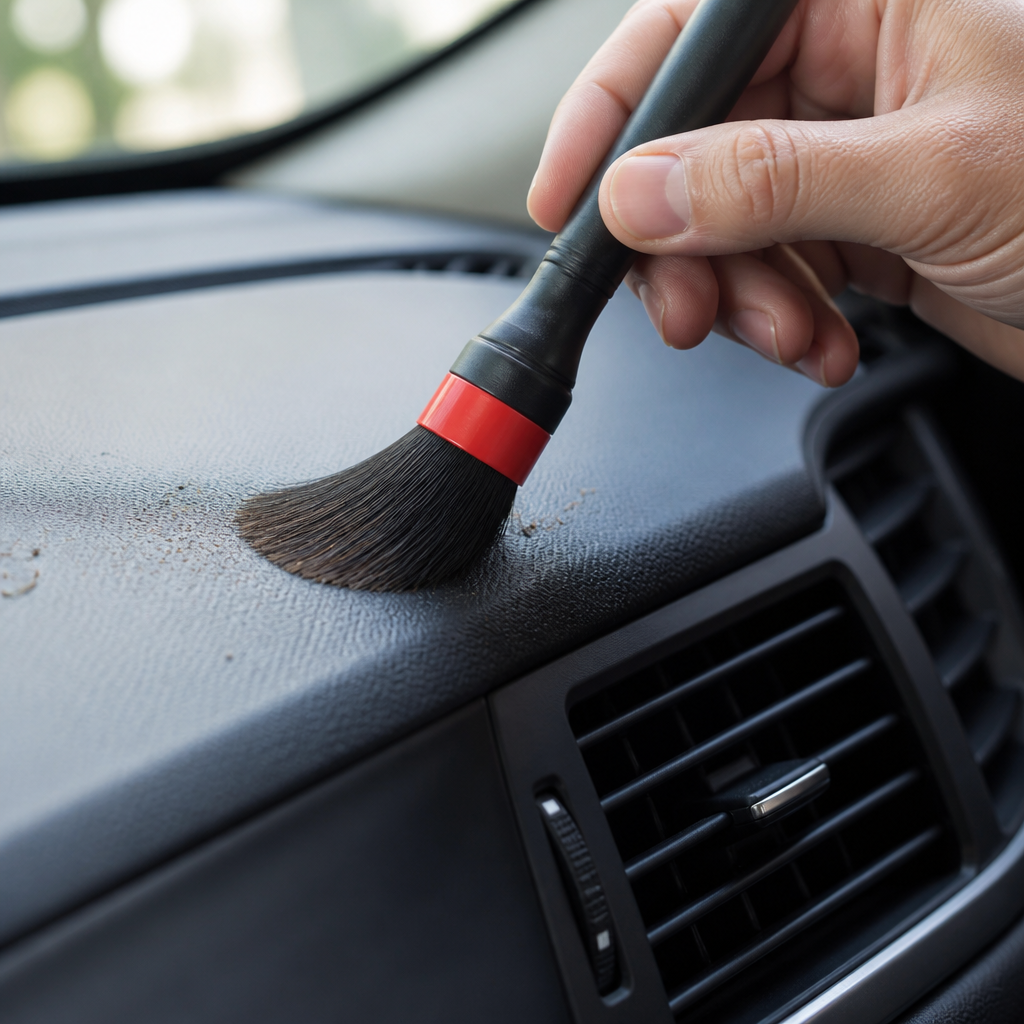
Most car dashboards are made of textured plastics like ABS or polypropylene, which are magnets for dust and grime. Cleaning them requires a specific approach to get into all those nooks and crannies. Before you apply any liquid, start by removing loose debris with a soft detailing brush or a can of compressed air. This prevents you from rubbing dust around and scratching the plastic.
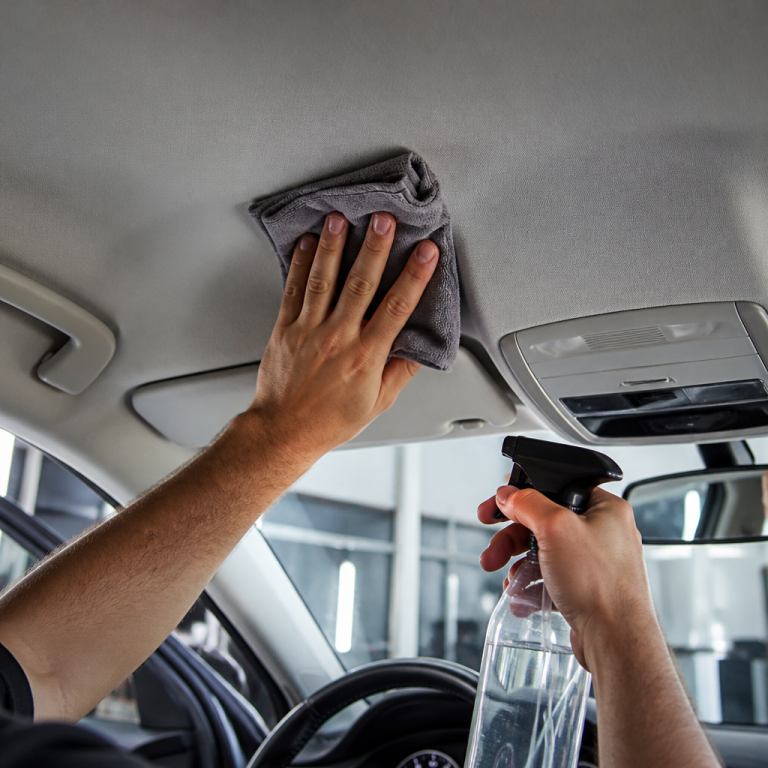
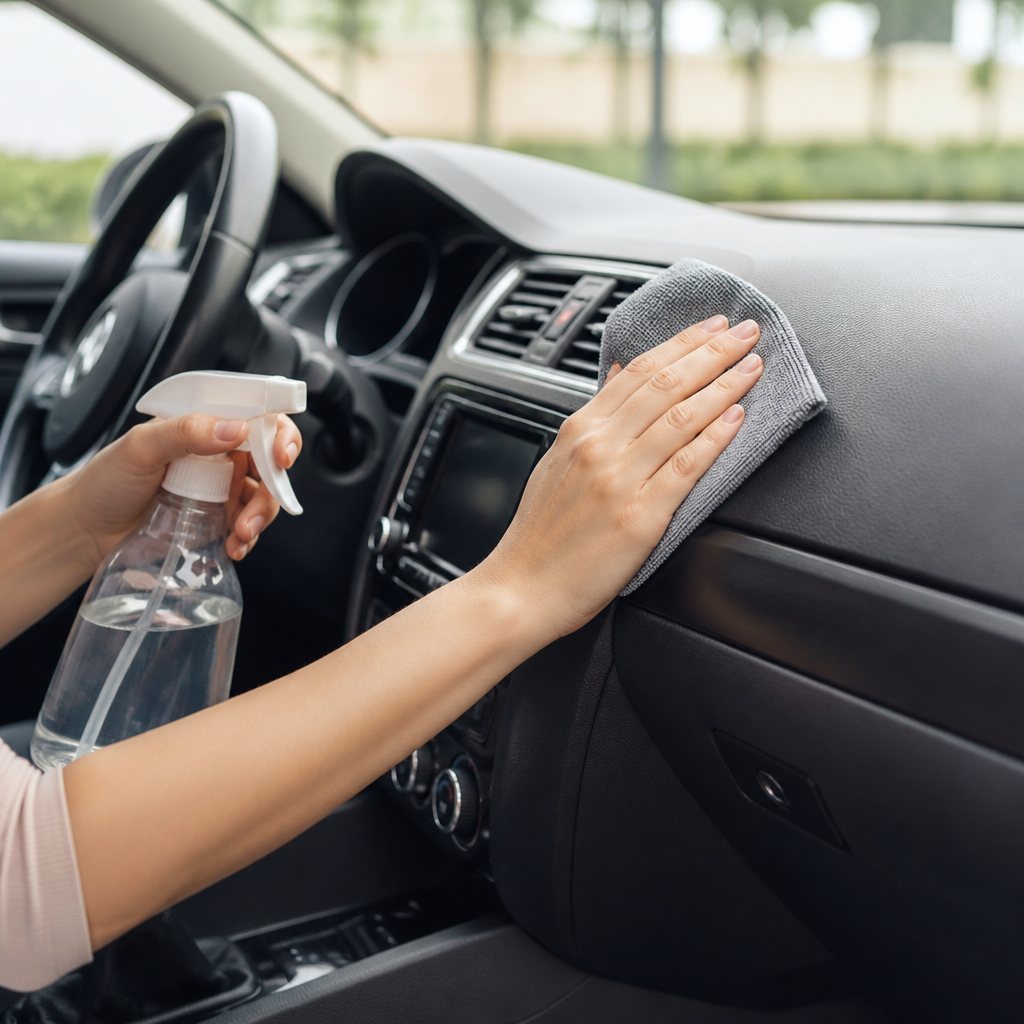
Always spray your cleaner onto a microfiber cloth first—never directly onto the dashboard. Overspray can get into electronics or leave streaks. Then, wipe gently, following the natural grain of the plastic. For stubborn residues or disinfection, a diluted solution of isopropyl alcohol (about 25-30% strength with water) can be helpful. Use it sparingly on a cloth and test a small, hidden spot first.
A big warning: stay away from ammonia-based cleaners, as they can cause the plastic to become brittle and fade.
An expert in automotive interiors, Sarah Martinez, points out that you should also avoid silicone-based products. I strongly agree. While they might give a super shiny look initially, that gloss attracts dust and, more importantly, can create dangerous glare on your windshield.
Water-based cleaners with mild surfactants are always the best bet for keeping that factory look. For textured dashboards, use soft-bristle brushes to get into tiny crevices. A final pro-tip: always clean your dashboard when it's cool and in the shade. A hot dashboard causes cleaners to evaporate too quickly, leading to frustrating streaks.
How to Clean Car Dashboard Vents
Cleaning dashboard vents isn't just about appearances; it's about the air you breathe. These channels collect dust, crumbs, and even mold, turning your car into a potential allergen factory. Keeping them clean is crucial for a healthier interior. Here is a simple, effective method:
- Blast Out Debris: Start with a can of compressed air, using the thin straw attachment to blow out loose dust from deep inside the vent channels.
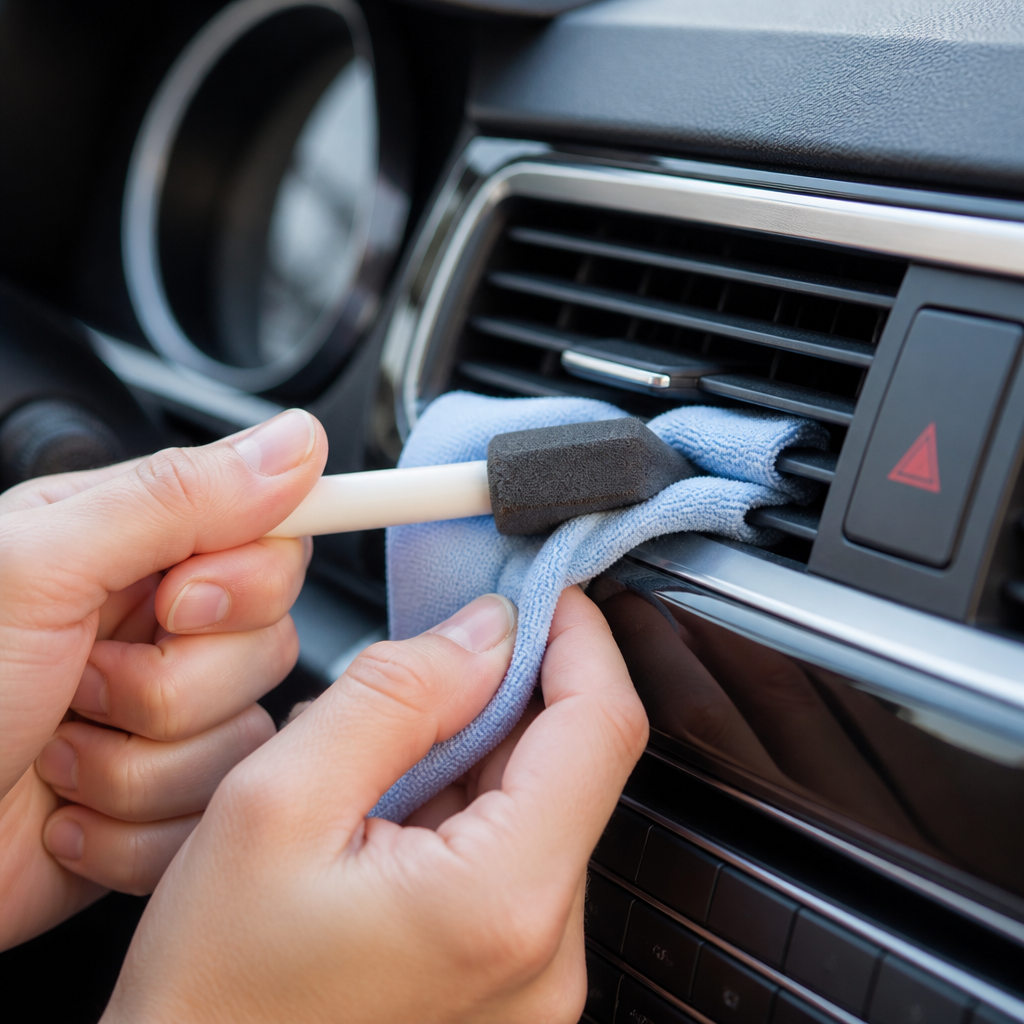
- Clean the Slats: Wrap a thin microfiber cloth around a slender tool, like a butter knife or a foam brush, to carefully clean each individual slat from the inside out.
- Detail the Edges: Use a cotton swab dipped in a small amount of isopropyl alcohol to clean the tight corners and edges around the vent openings.
- Disinfect (Optional): If musty smells persist, use a disinfectant spray designed for automotive vent systems to tackle hidden bacteria and mold, which significantly improves air quality.
For a deeper clean, you can set your car's AC to recirculation mode and spray the disinfectant into the outside air intake vents, pulling the cleaner through the entire duct system.
How to Clean Car Dashboard Without Streaks?
Nothing ruins the look of a clean car quite like streaks on the dashboard. They catch the light and make everything look messy. Achieving a streak-free finish comes down to technique and using the right products. Streaks are usually caused by using too much product, improper wiping, or residue from old, silicone-heavy cleaners.
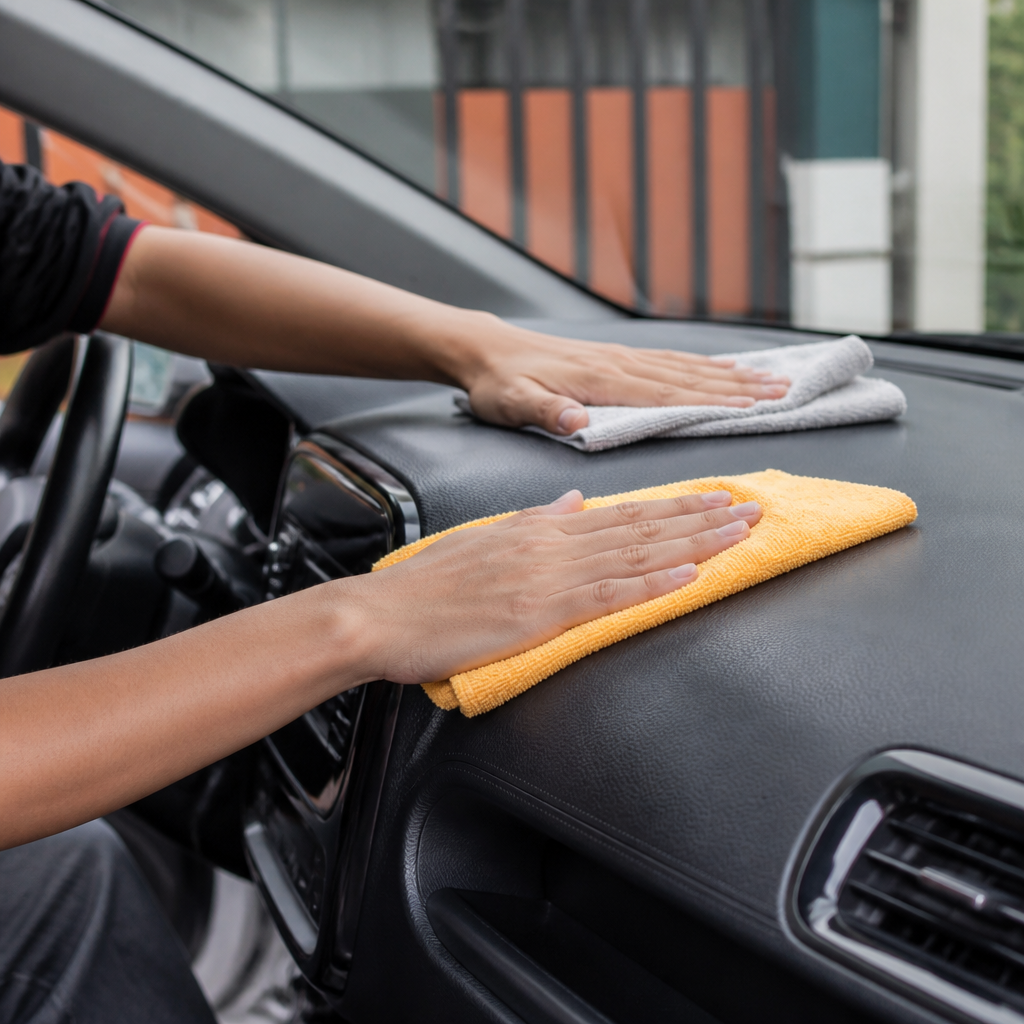
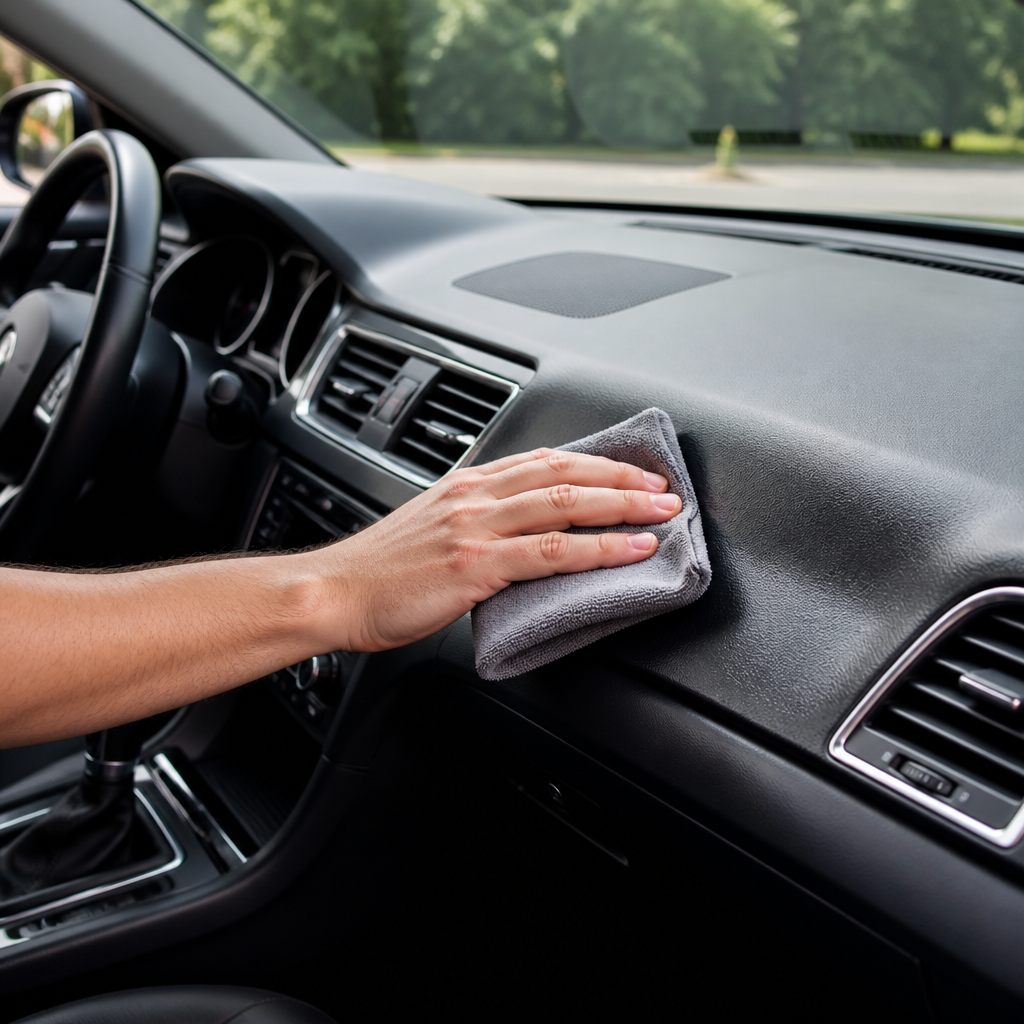
My absolute favorite, and most effective, technique for avoiding streaks is what I call the "two-microfiber cloth" method. You use one cloth that's just barely damp with your cleaner to wipe the surface, and then immediately follow up with a second, completely dry microfiber cloth to buff it dry. This absorbs any leftover moisture, leaving a perfectly clean surface.
When wiping, ditch circular motions. Wiping in straight lines, following the natural grain of your dashboard, helps prevent swirl marks. The cleaner you pick also makes a big difference. Look for water-based, 'streak-free' formulas. If your tap water is hard, using distilled water for diluting your cleaner or for a final wipe can prevent mineral spots. Also, always clean your dashboard in indirect light. Cleaning in direct sunlight is a recipe for streaks because the product evaporates too quickly. Finally, invest in good microfiber cloths (300-400 GSM) for better absorption and a lint-free finish.
Products and Finishing
Once your dashboard is thoroughly cleaned, the next step involves selecting the right products to protect it and achieve your desired finish. This section explores the best products available, focusing on their benefits and how to use them to make your car dashboard shine while ensuring its longevity and your driving safety.
Best Products to Clean Car Dashboard
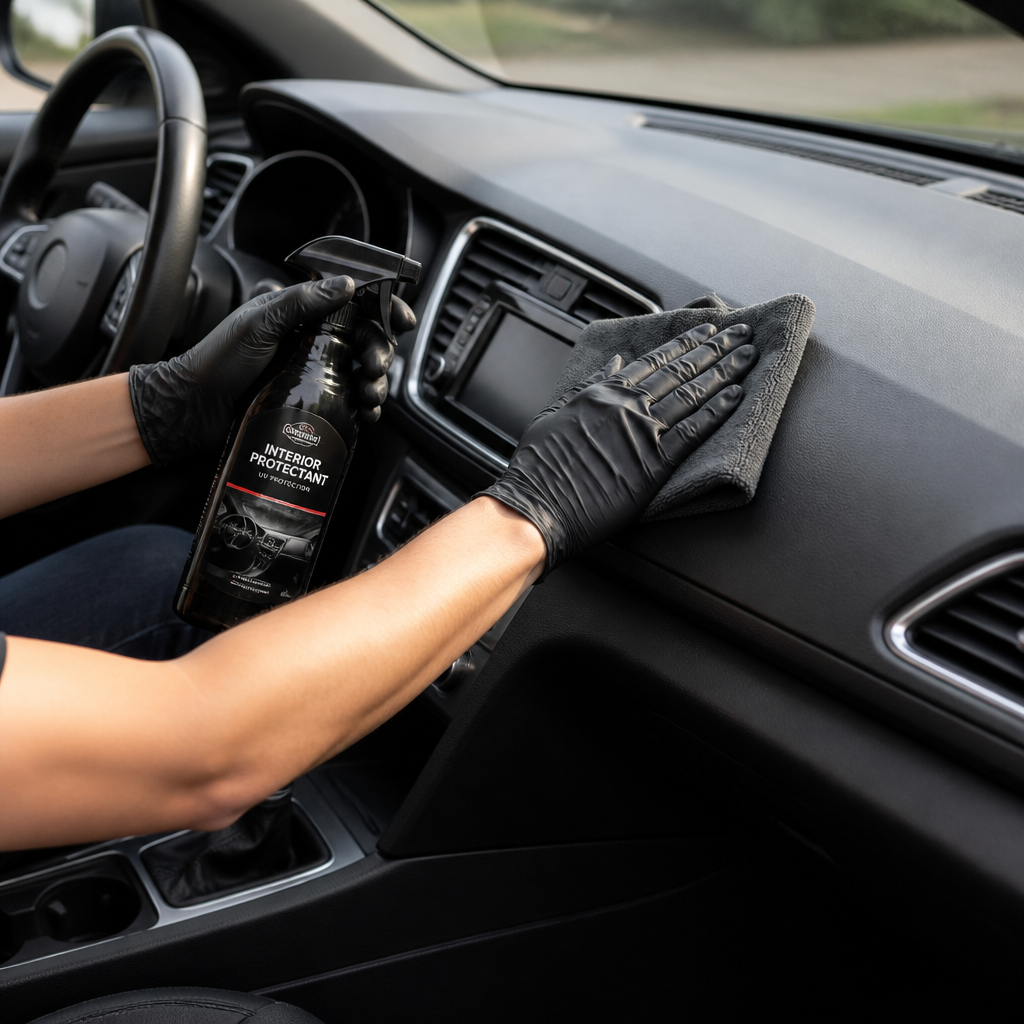
After cleaning, protecting your dashboard is a critical step. Dashboard cleaning products aren't just about making things look good; they're designed to shield your car's interior plastics from harsh sun (UV) damage, fading, and cracking over time. The market is huge, but products generally fall into two categories: cleaners and protectants. Water-based cleaners are great because they don't leave greasy residue. Protectant sprays are essential, as they contain UV inhibitors that act like sunscreen for your dashboard.
Automotive chemical experts recommend looking for pH-neutral formulas (pH between 6 and 8) with good UV protection—at least an equivalent of SPF 30. Avoid anything that lists 'silicone' or 'petroleum distillates' in the first few ingredients, as these can cause long-term damage.
Here are several top-rated products that align with these recommendations:
| Product | Key Features | Average Rating | Price Range (16 oz) |
|---|---|---|---|
| Meguiar's Ultimate Interior Detailer | Water-based, UV protection | 4.6/5 stars | $8-12 |
| Chemical Guys InnerClean | pH-balanced, non-toxic | 4.5/5 stars | $12-16 |
| 303 Automotive Protectant | Advanced UV blockers (SPF 40) | 4.7/5 stars | $10-14 |
For budget-conscious cleaning, a diluted Simple Green solution (1:10) works, but it offers no UV protection. For a premium, long-lasting option, a ceramic-infused formula like CarPro Inside offers months of protection. I always prefer matte finish formulas, as they provide a clean, factory look without the distracting glare that can compromise driving safety.
How to Make Car Dashboard Shine
Making your car dashboard shine is about finding the right balance of luster that looks good, is safe for driving, and preserves the material. Automotive designers aim for a satin to semi-gloss finish—a soft sheen, not a blinding gloss. In my opinion, this range, specifically 25-35 gloss units, is perfect because it gives a nice clean look without causing annoying and potentially dangerous glare on your windshield, especially on a sunny day.
The easiest way to get this subtle shine is with a dedicated dashboard protectant that has shine enhancers. Apply it in thin, even coats after cleaning. Some interior dressings use natural oils like carnauba wax to provide a subtle, non-sticky glow. While natural oil mixtures can offer a temporary boost, they typically only last a week or two.
Some automotive interior designers suggest that a moderate shine can actually be beneficial, as it helps drivers notice when the dashboard is dirty, encouraging more frequent cleaning. For durable protection and a nice shine, ceramic-infused products are a fantastic option, as they can last up to 6 months and often have anti-static properties that repel dust.
_If your car's dashboard came from the factory with a matte finish, I'd really recommend sticking to matte products._ Trying to force a shine onto a matte surface can permanently alter its appearance and may damage the material over time. Ultimately, the secret to a great-looking dashboard is regular maintenance. A quick weekly dusting prevents buildup and helps any shine last longer.
—
FAQ
Q1: Are natural cleaning solutions safe for all car dashboard materials?
A1: Natural cleaning solutions like vinegar and water or diluted castile soap can be effective for regular maintenance on many dashboard materials. However, from my experience, undiluted acidic solutions like vinegar or lemon juice may damage certain finishes, especially glossy coatings or touchscreen displays. Natural cleaners also typically lack the UV protectants found in commercial products, which I've seen lead to faster deterioration in sunny climates.
Q2: Why should I avoid silicone-based products on my plastic dashboard?
A2: Silicone-based products can create a glossy film on plastic dashboards that I've found tends to attract dust and can cause dangerous glare, potentially affecting driving safety. Like expert Sarah Martinez, I'd recommend water-based cleaners with mild surfactants as optimal for maintaining the factory finish of plastic dashboards.
Q3: What is the best way to clean car dashboard vents effectively?
A3: I'd suggest starting by using compressed air with extension tubes to dislodge deep debris. Then, wrap a microfiber cloth around a slender tool like a butter knife or foam brush to meticulously clean individual vent slats, working from the inside out. For tight corners, cotton swabs dipped in isopropyl alcohol are very effective. After physical cleaning, you might use an automotive-specific disinfectant spray to eliminate bacteria and mold, which I've found makes a big difference in air quality.
Q4: How can I prevent streaks when cleaning my dashboard?
A4: To prevent streaks, I always use two microfiber cloths—one slightly damp for cleaning and one completely dry for immediate buffing. Wipe in straight lines following the dashboard's natural grain. Use water-based cleaners formulated for streak-free results and consider using distilled water, as I've found it helps avoid mineral deposits from tap water. Cleaning in indirect lighting or shade and avoiding hot dashboard surfaces also makes a huge difference.
Q5: What level of shine is recommended for a car dashboard, and which products are best for it?
A5: Automotive interior design typically targets satin to semi-gloss finishes (around 20-40 gloss units, or specifically 25-35 gloss units) to prevent windshield reflection and glare, which, in my opinion, significantly impacts driving safety. Products like Meguiar's Ultimate Interior Detailer or 303 Automotive Protectant are great choices for UV protection and achieving a desirable finish. For a more durable option, I've had great success with ceramic-infused dashboard products for long-lasting protection and a subtle shine. Always avoid high-gloss products and those with silicone or petroleum distillates, as I've seen them cause long-term damage and excessive glare.

Jake Morrison writes about DIY car care at CarCareNote. He’s been detailing cars in his Ohio driveway for over a decade and shares what actually works at home.