How to Remove Stains from Car Seats: 7 Easy, Proven Fixes
Keeping your car's interior tidy, particularly the seats, isn't just about appearances. It genuinely enhances your driving experience and helps maintain your vehicle's resale value. Stains are just a fact of life on the road, but the good news is that many of those frustrating marks can be handled effectively. Discover the right approach by understanding your car seats' material and the nature of the spill. Let's get those seats looking sharp!
What's the Best Way to Remove Stains from Car Seats by Material?
The material of your car seats is the absolute first thing you need to consider when a spill occurs. What works wonders for fabric seats might damage leather, and vice versa. It’s crucial to use the right method for the right material.
| Feature | Cloth Seats | Leather Seats |
|---|---|---|
| Primary Cleaner | Water-based solutions, upholstery cleaners | pH-balanced leather cleaners |
| Moisture Level | Can handle more moisture, steam cleaning is an option | Use minimal water, dry immediately |
| Technique | Blotting, gentle scrubbing | Wiping, gentle circular motions |
| Key Warning | Avoid harsh rubbing which can damage fibers | Never use ammonia, bleach, or household cleaners |
| Follow-Up | Ensure thorough drying to prevent mildew | Apply a leather conditioner to restore moisture |
How to Remove Stains from Cloth Car Seats
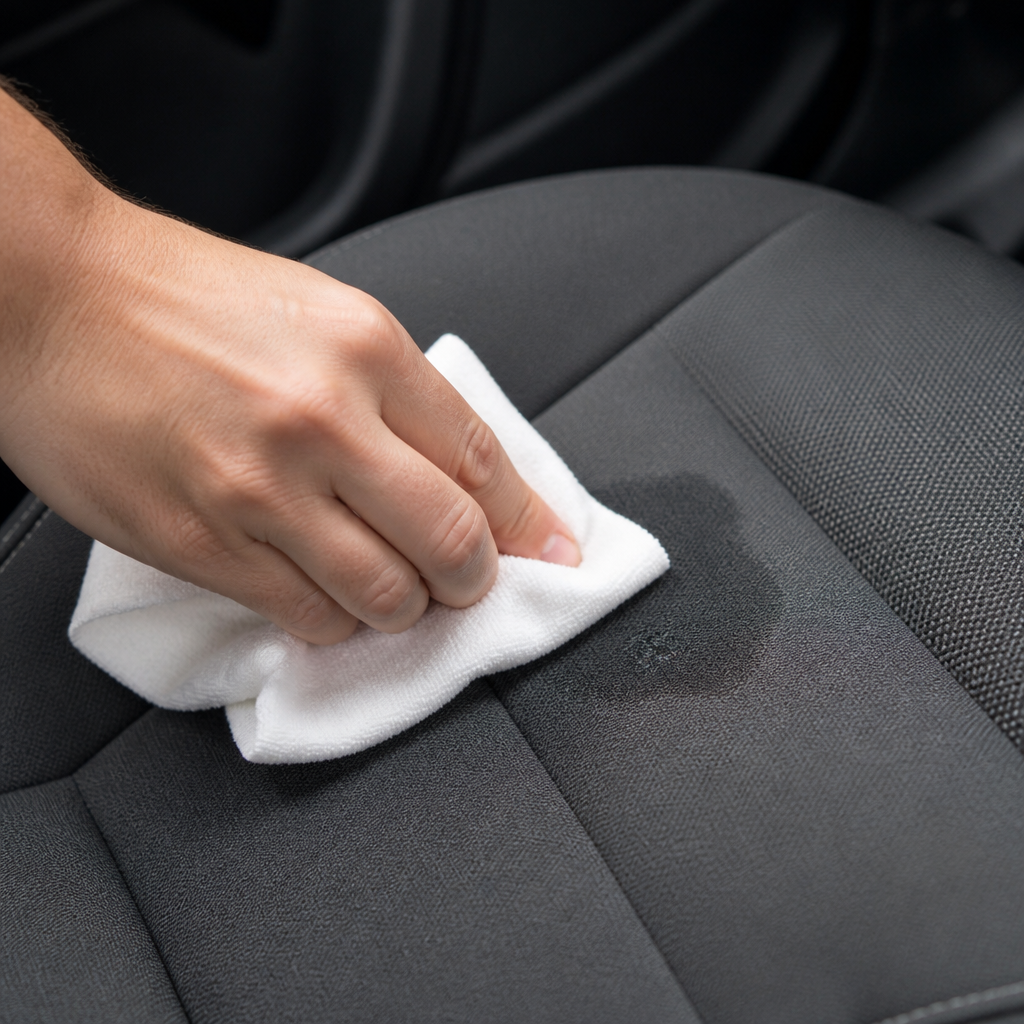
With cloth car seats, you'll find that many water-based cleaning solutions, specialized upholstery cleaners, or even steam cleaning methods are quite effective. As cleaning pros often recommend, vacuuming your cloth seats _before_ applying any liquid cleaner is a crucial first step. When a spill happens, it's natural to want to rub it, but blotting the stain immediately with a clean cloth works much better. Rubbing can spread the stain and push it deeper into the fibers. Consumer Reports suggests a simple homemade mix of warm water, a bit of liquid dish soap, and a splash of white vinegar can handle most everyday stains. _Always test any cleaning solution on a small, hidden spot of the seat first._
How to Remove Stains from Leather Car Seats
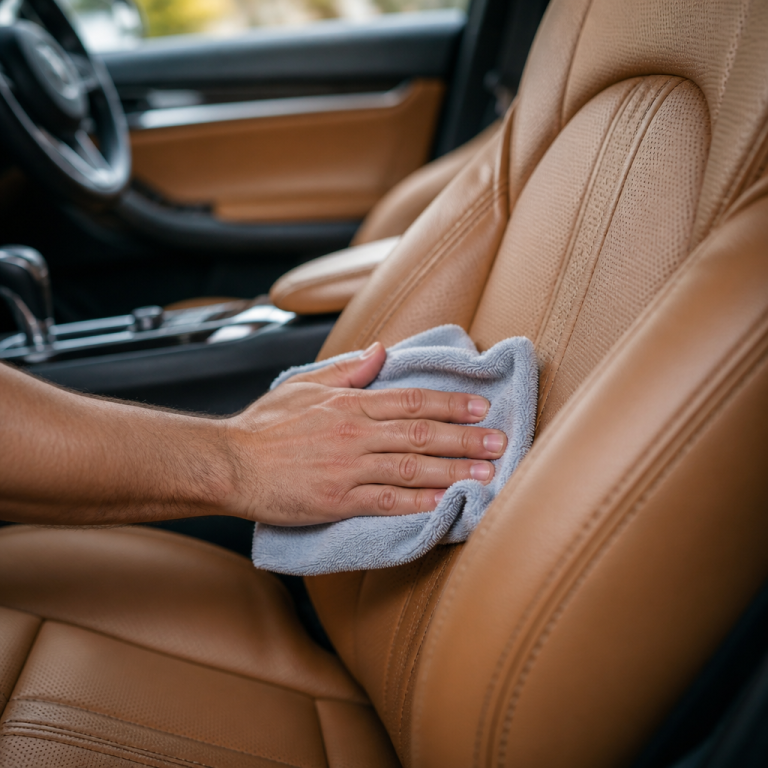
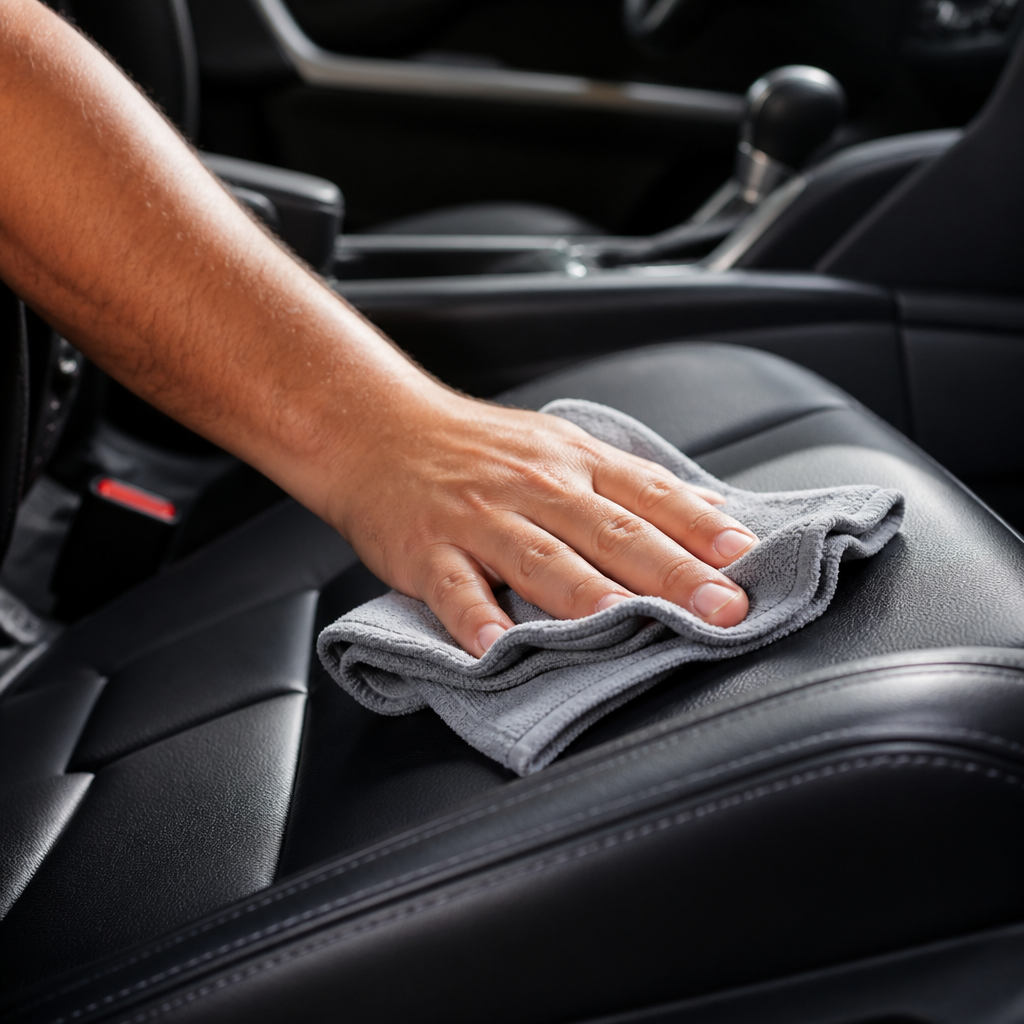
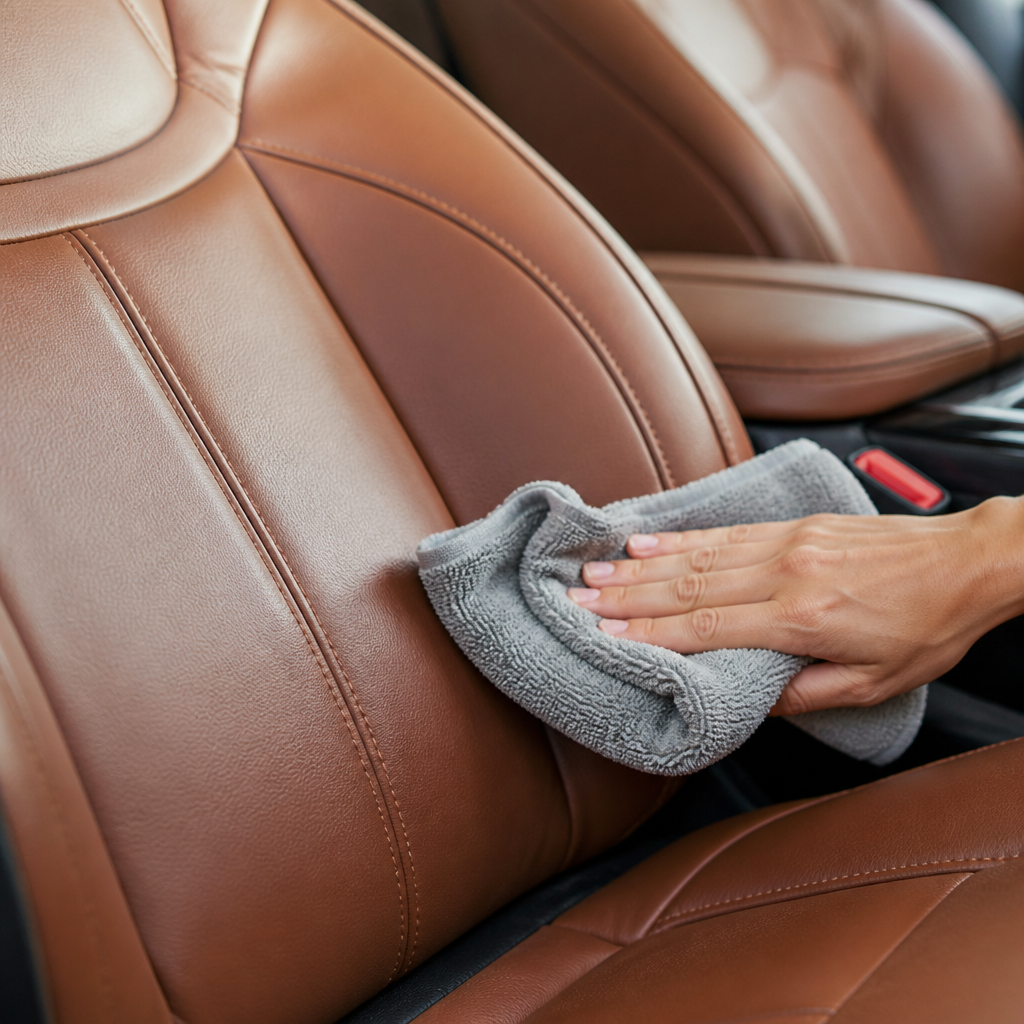
Removing stains from leather car seats requires a different approach. You absolutely need to use specialized pH-balanced leather cleaners and conditioners to clean without stripping away the leather's natural oils. These oils keep it soft and prevent cracking. It's really important to remember: never use household cleaners, bleach, or products with ammonia on your leather car seats. A two-step process works well: first, clean with a dedicated leather cleaner, and then follow up with a leather conditioner. When cleaning, use as little water as possible and dry the area immediately with a clean microfiber towel to prevent moisture from seeping into the stitching.
How Do You Remove Common Food and Drink Stains from Car Seats?
Let's be honest, who hasn't spilled food or a drink in their car? It's practically a car owner's rite of passage! Knowing how to quickly and effectively deal with these common mishaps can save your car seats from lasting damage.
How to Remove Coffee Stains from Car Seats
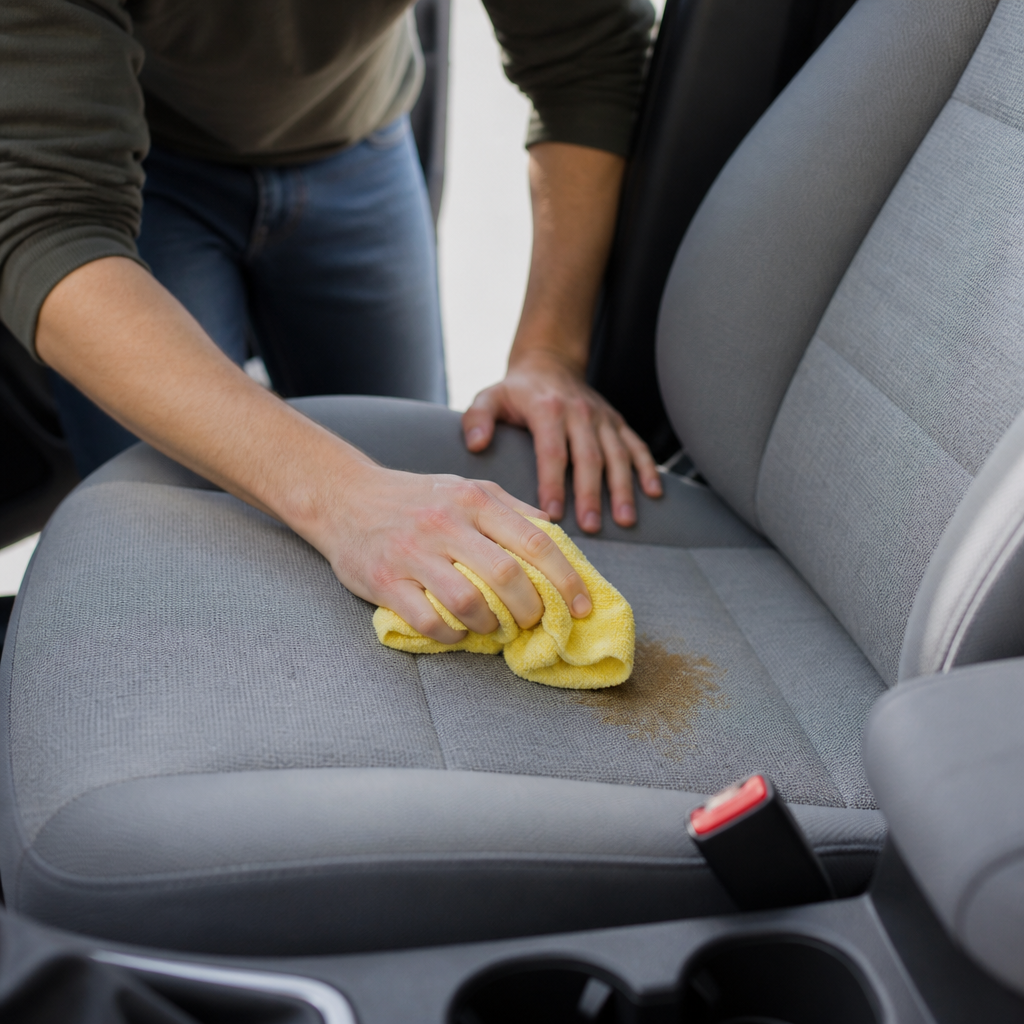
Coffee stains are tannin-based, meaning they can cling to fabric fibers. If the coffee had milk, you might also need enzymatic cleaners to handle the milk components. The American Cleaning Institute points out that coffee stains become much harder to remove after 24-48 hours. That's why acting fast is key! For fresh spills, immediately blot with a clean, dry cloth. On cloth seats, a mixture of white vinegar, dish soap, and cool water can be effective. For leather, stick strictly to your pH-balanced leather cleaner. _A common mistake is using hot water on coffee, as it can cause protein-based elements (like milk) to set into the fabric._
How to Remove Milk Stains from Car Seats
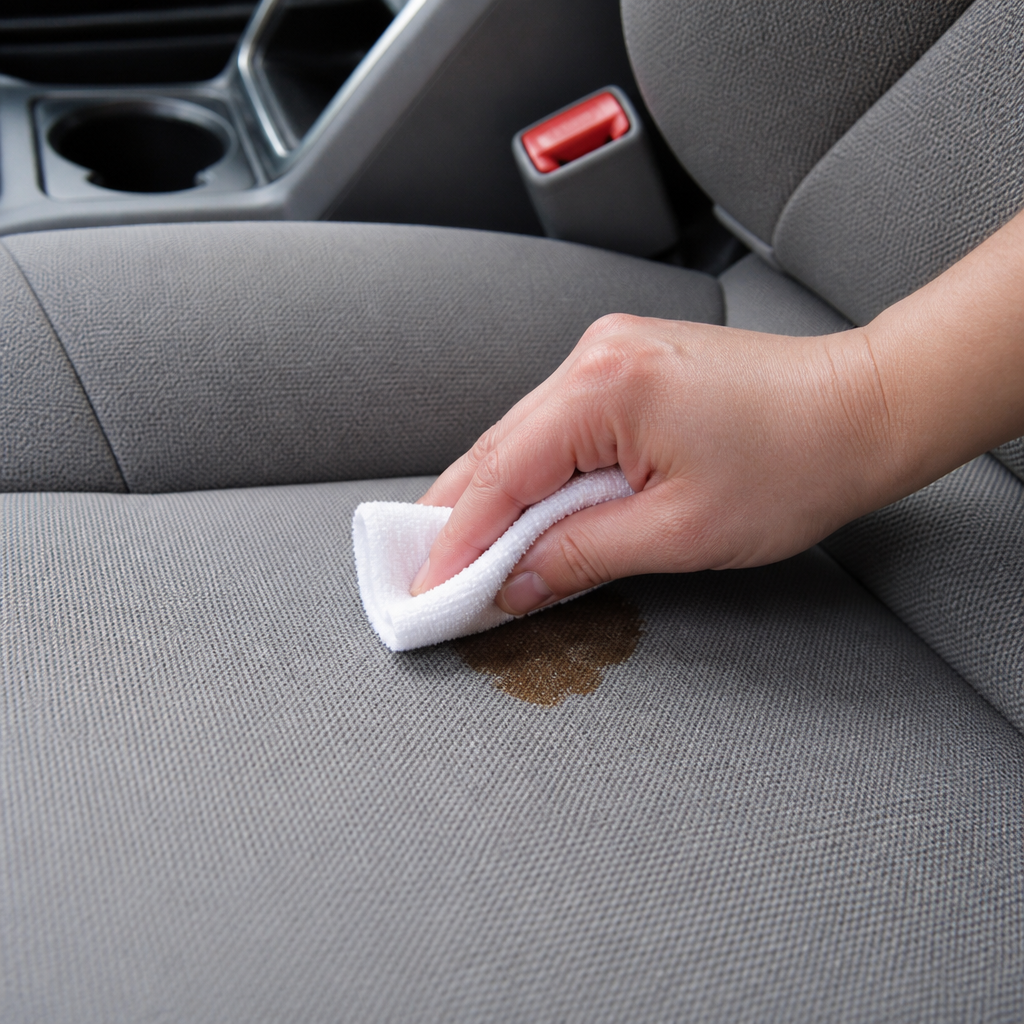
Milk stains are notoriously challenging because they contain both proteins and fats, which can cause permanent discoloration and a persistent, sour odor if not treated promptly. If you wait, milk proteins can "coagulate" (thicken and clump) and permanently bond with fabric fibers, making them much harder to remove. For cloth seats, blot up excess milk, then apply cold water (never hot!). Next, use an enzymatic cleaner to break down the protein and fat molecules. For leather, simply wipe the spill immediately with a damp cloth, then use a dedicated leather cleaner. After cleaning the visible stain, spray the area with an enzymatic odor eliminator to neutralize any odor-causing bacteria.
How to Remove Grease Stains from Car Seats
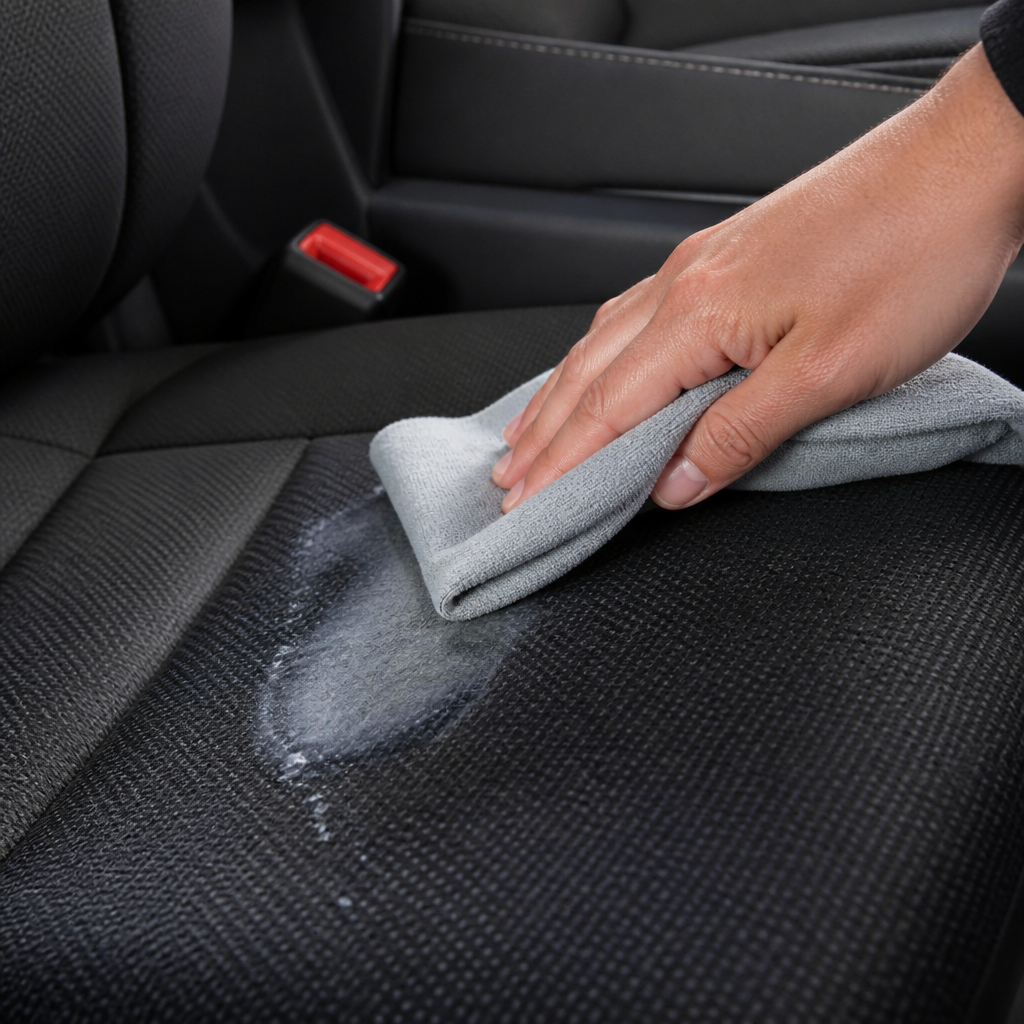
Grease stains are oil-based and repel water, requiring solvent-based or degreasing agents to dissolve the oily compounds. Immediate action is crucial with grease, as it soaks into fabric quickly.
Here is a step-by-step method for cloth seats:
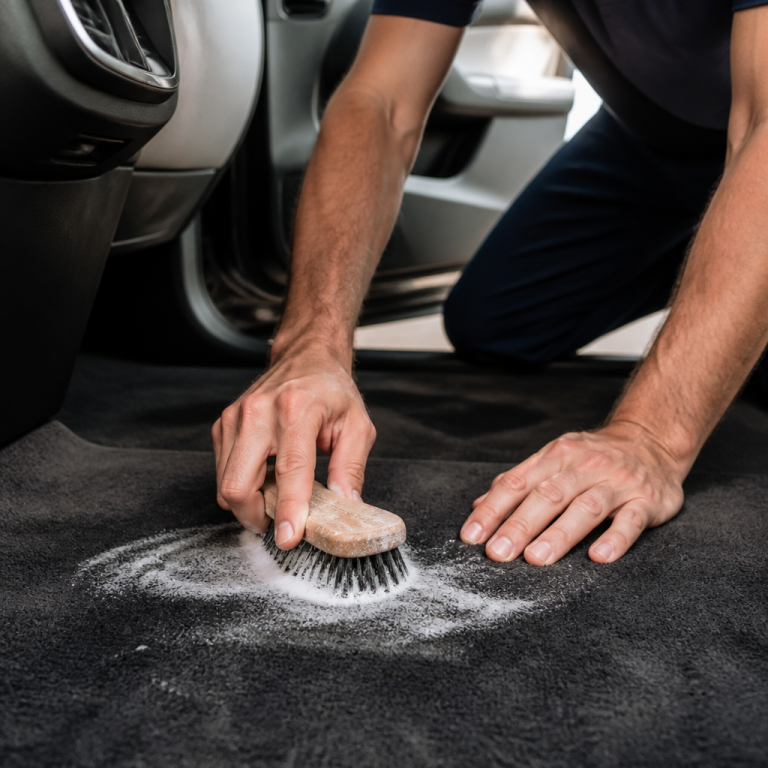
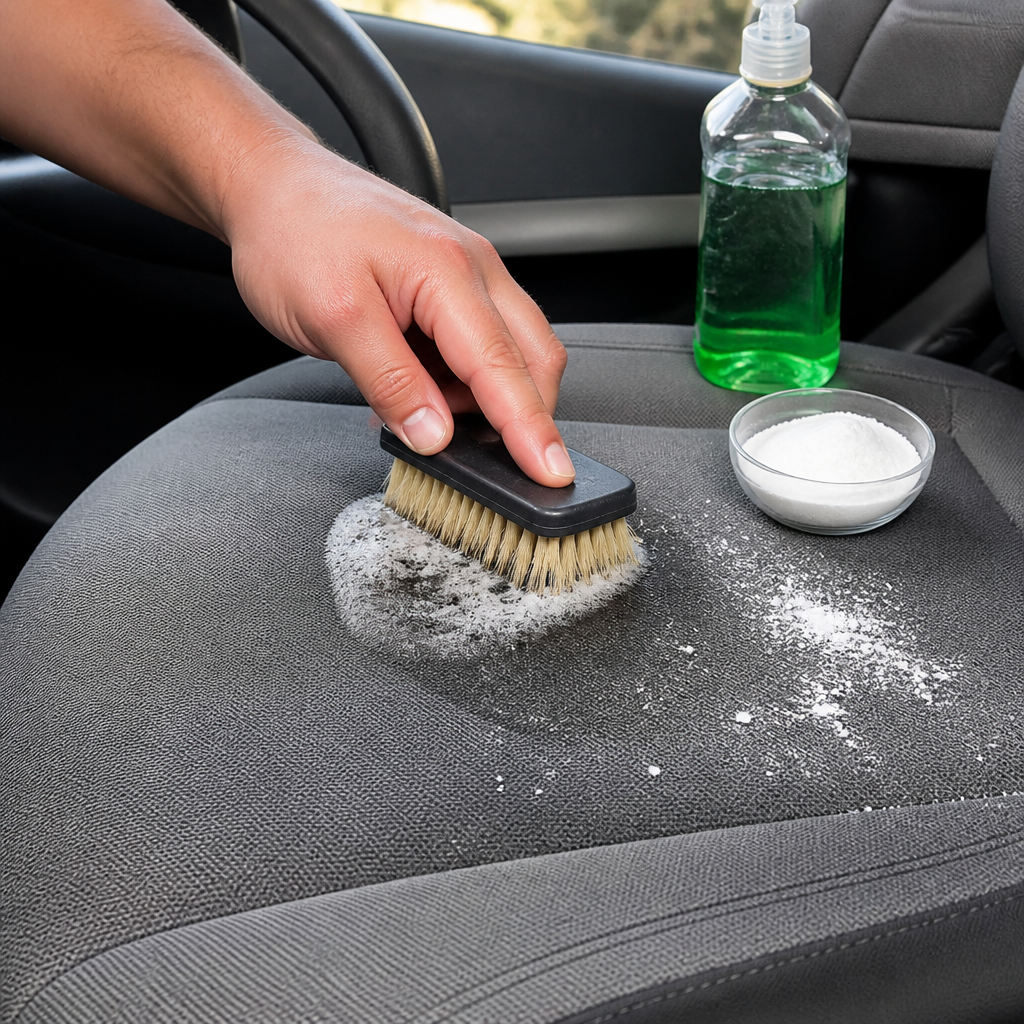
- Absorb the Oil: Sprinkle an absorbent powder like cornstarch or baking soda on the fresh grease stain. Let it sit for 15-30 minutes to absorb the oil, then vacuum it up.
- Apply a Degreaser: Apply a small amount of liquid dish soap designed to cut grease directly to the stain. Gently work it in with a soft brush.
- Blot and Rinse: Blot the area with a cloth dampened with warm water.
- Extract: Use a wet/dry vacuum or clean towels to extract as much moisture and residue as possible.
For leather, use isopropyl alcohol on a cloth or a specific leather degreaser. _Never use harsh degreasers or industrial solvents directly on leather car seats without extreme caution and thorough testing._
How to Remove Body and Water-Based Stains from Car Seats
Beyond food and drinks, stains can originate from other sources, like our own bodies or even just water. These types of stains have unique characteristics and require specific cleaning strategies.
How to Remove Sweat Stains from Car Seats
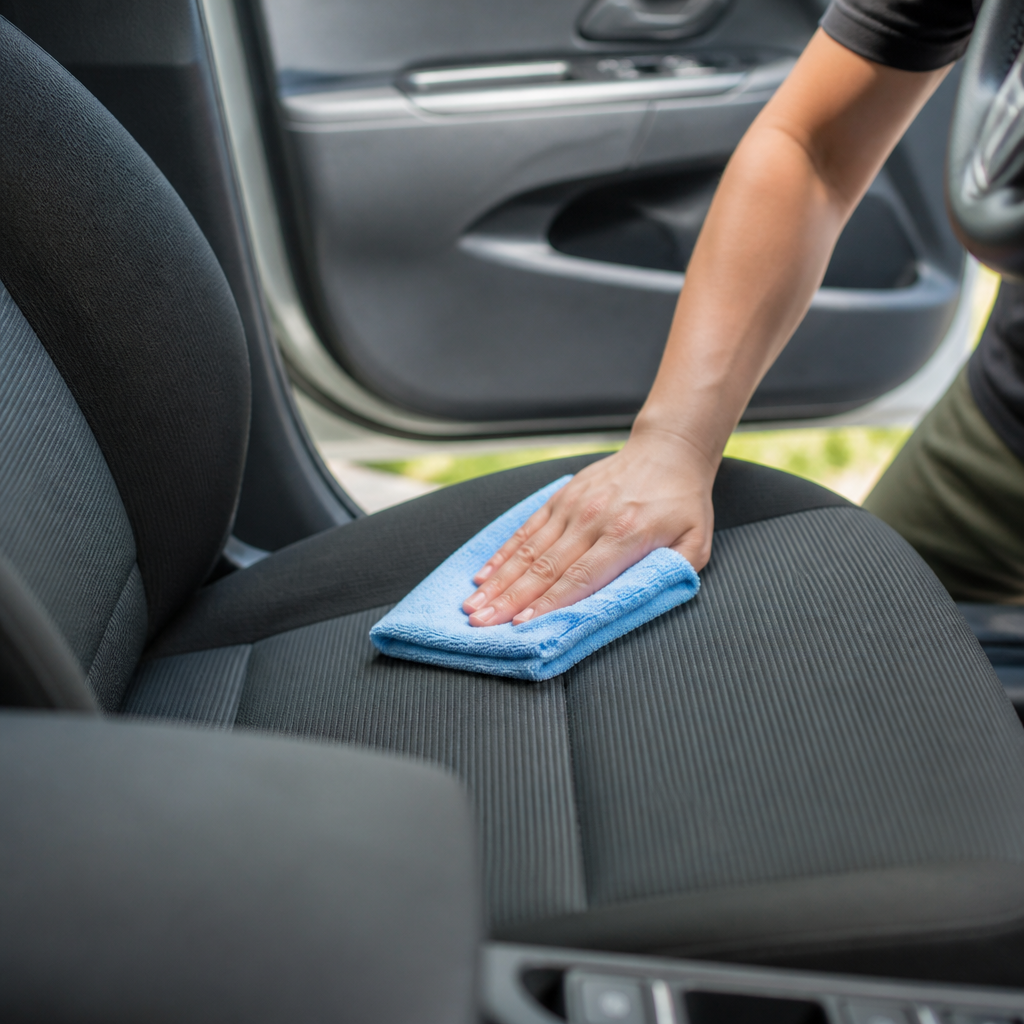
Sweat stains appear as yellowish or darkened discolorations caused by perspiration, which is composed of proteins and salts. Sweat stains are often cumulative, building up gradually, and we often don't notice them until the discoloration is significant. For cloth seats, a simple mixture of equal parts white vinegar and water helps dissolve the salt deposits. Follow up with an enzymatic cleaner to break down the proteins. For leather, stick to your pH-balanced leather cleaner. After the visible stain is gone, apply an enzymatic odor eliminator and allow for thorough drying with good ventilation to eliminate any lingering odors.
How to Remove Blood Stains from Car Seats
Blood stains are among the most challenging because they are protein-based and can strongly bond with fabric.
Cleaning science experts universally agree on one critical rule: never use hot water on blood stains!
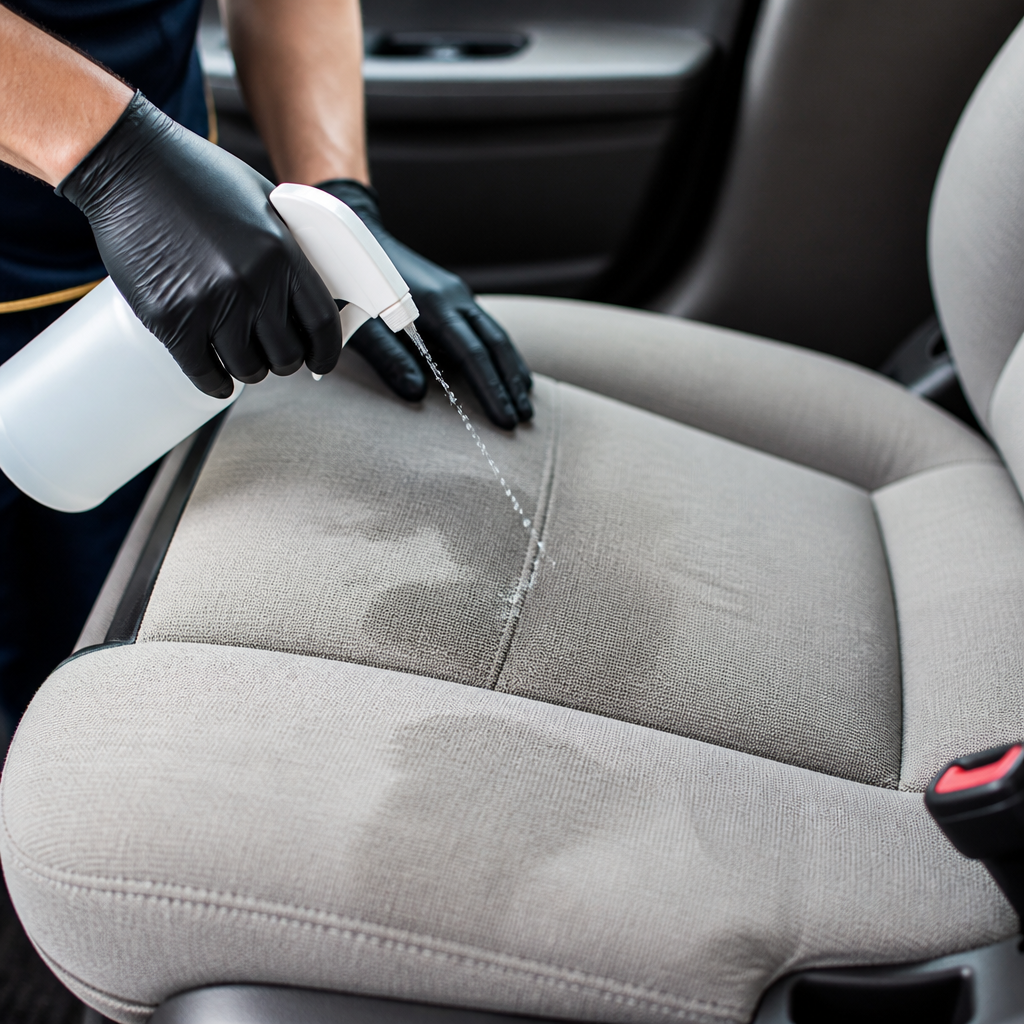
Heat will "coagulate" (clump and cook) the proteins, permanently setting the stain into fabric or leather, making it nearly impossible to remove. For fresh blood, act immediately. Blot it with a clean cloth soaked in cold water. For cloth seats, after the cold water, apply hydrogen peroxide or an enzymatic cleaner. For leather, gently wipe with a cold, damp cloth, then use a dedicated leather cleaner. _Always wear gloves when cleaning blood stains due to potential exposure to bloodborne pathogens and disinfect the area afterward._
How to Remove Water Stains from Car Seats
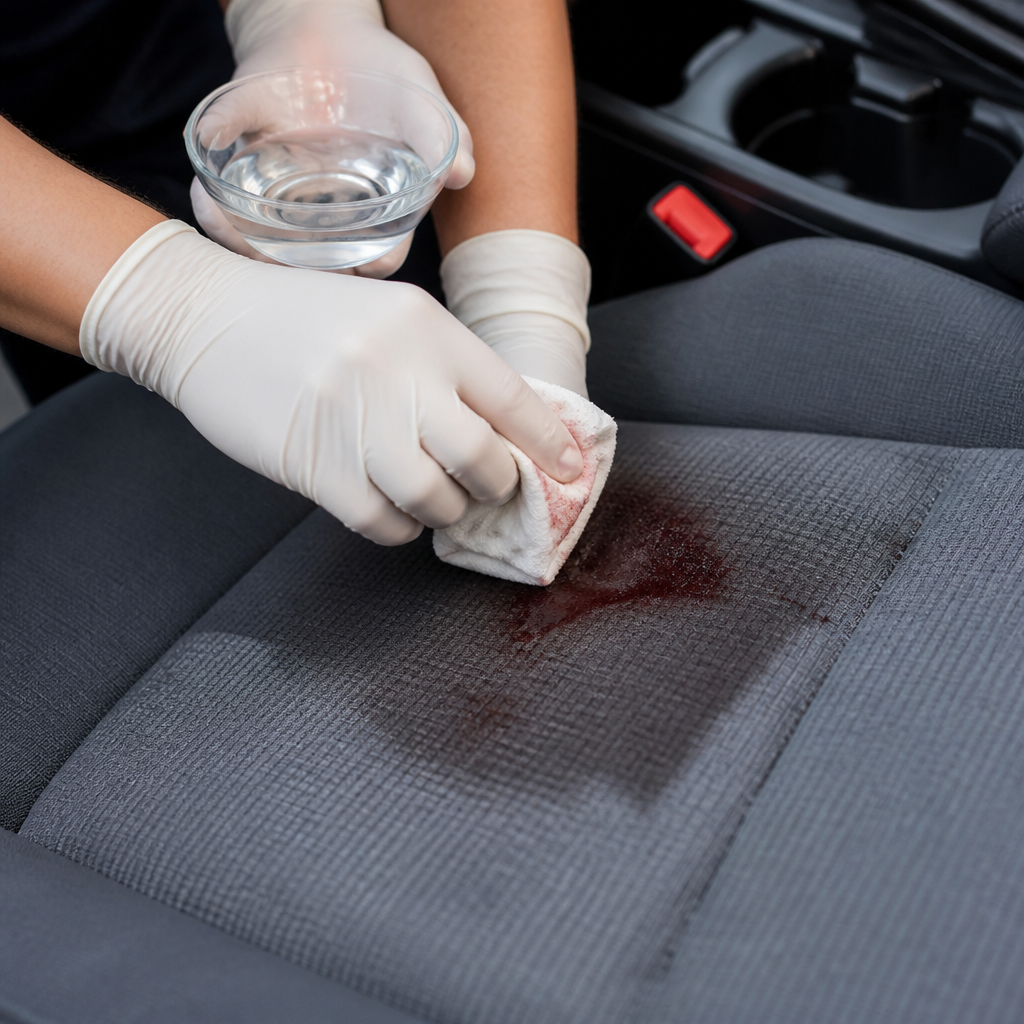
Water stains are those annoying mineral deposit rings that appear after water evaporates. For cloth seats, lightly mist the entire affected section of the seat with distilled water, then blot it evenly to dilute the mineral concentration and allow the area to dry uniformly. For water stains on leather, wipe the entire panel with a slightly damp cloth to blend the stain, then immediately dry it and apply a leather conditioner. Using distilled water for cleaning is beneficial because it eliminates mineral content, helping to prevent water stains from forming in the first place.
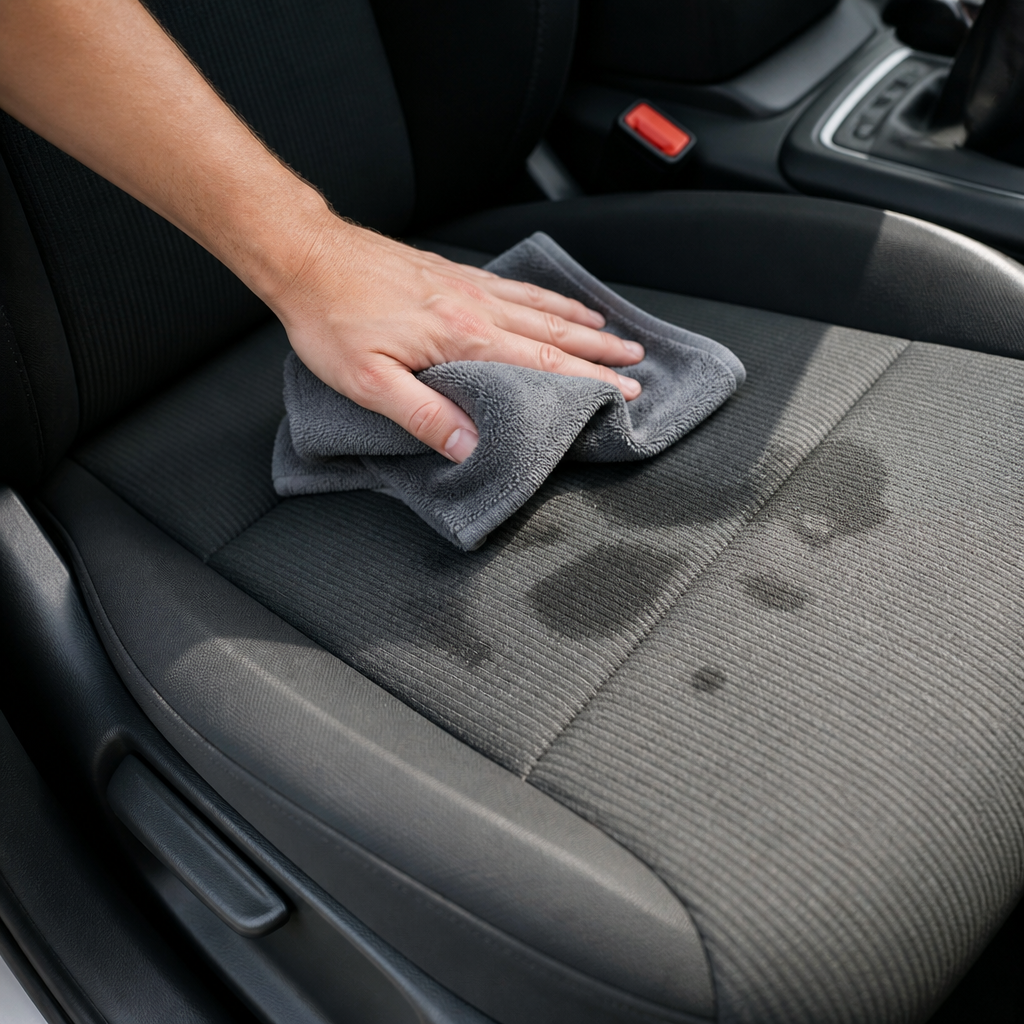
How to Remove Old and Set-In Stains from Car Seats
Let's face it, sometimes spills go unnoticed. Old and set-in stains present a bigger challenge because they've had time to chemically bond with the seat material. These types of stains often require patience and a multi-step approach.
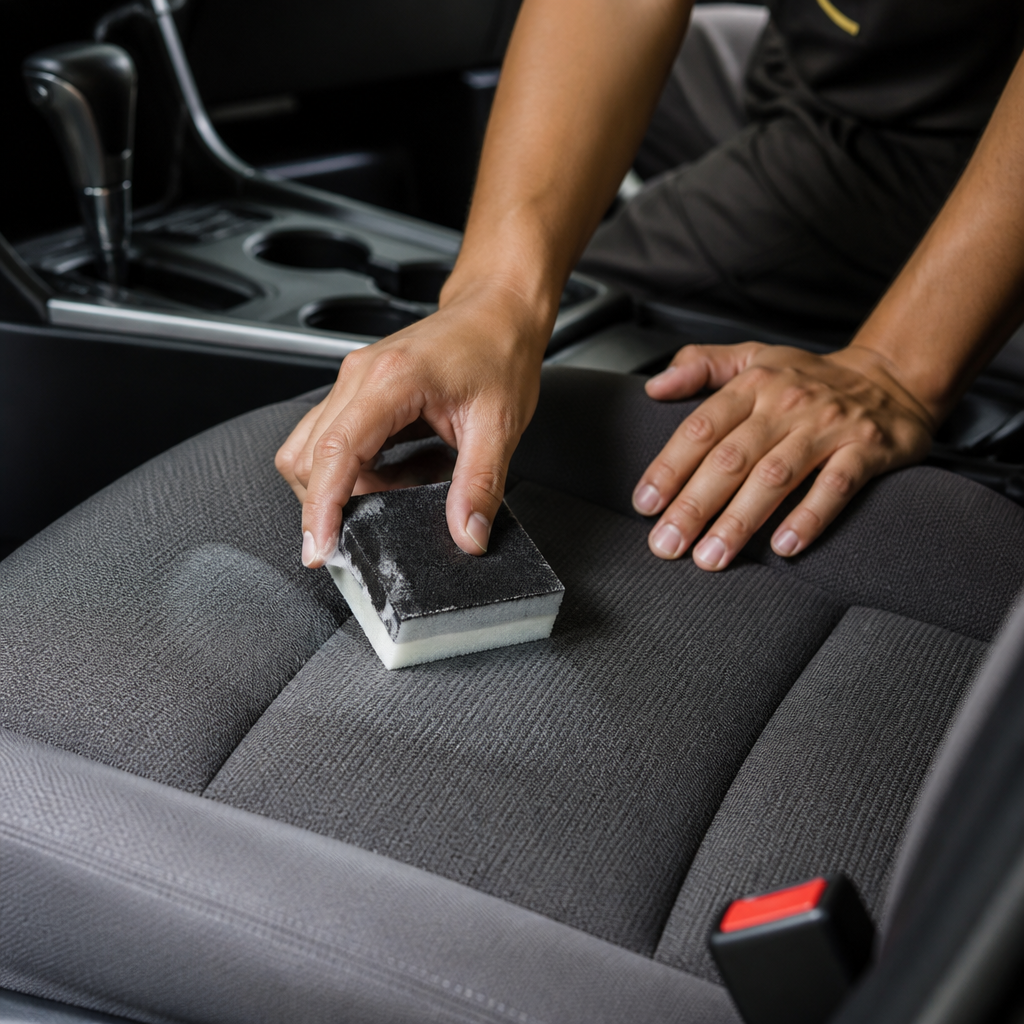
How to Remove Old Stains from Car Seats
Old stains are discolorations that have chemically bonded with the fabric or leather fibers, often after about 30 days. Before tackling an old stain, it's helpful to try and identify its type – is it protein, tannin (like coffee), oil, or dye? For old stains on cloth seats, apply the appropriate cleaner and let it sit for 15-30 minutes to give it time to work. Then, use a soft brush to gently agitate the cleaner and extract it with a wet/dry vacuum. Oxygen-based cleaners can be particularly effective on old organic stains. _Complete removal isn't always possible without risking damage to the seat material, but you can almost always make a significant improvement._
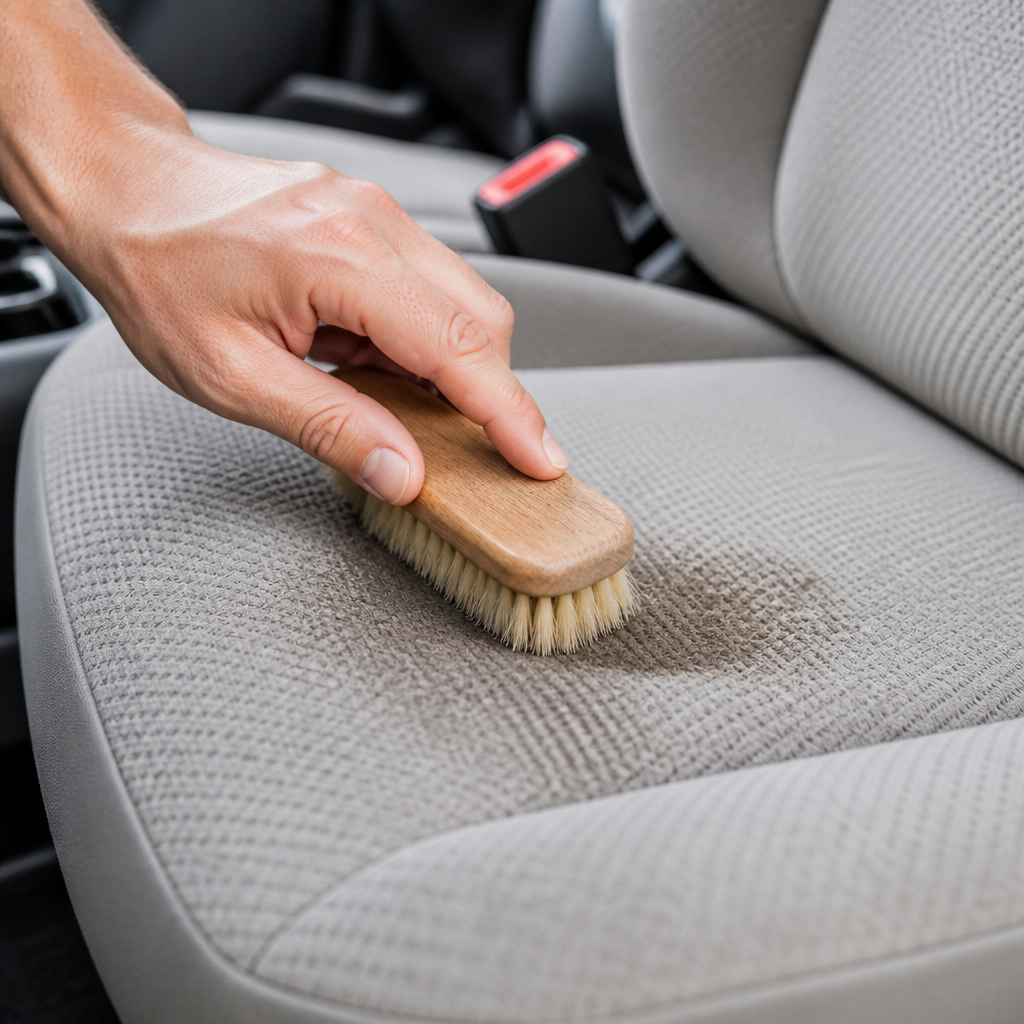
How to Remove Old Oil Stains from Car Seats
Old oil stains are particularly tough because they are oxidized, have hardened, and have deeply bonded with the fibers. For pre-treatment, apply a commercial degreaser or a solvent-based product to the stain and let it sit for 10-15 minutes to soften the oil. Use a soft-bristled brush to work the solvent into the stain, then blot with clean cloths. After the solvent treatment, apply concentrated dish soap, scrub gently, and use a wet/dry vacuum or steam cleaner to extract any remaining residue. Aged petroleum oils can form "polymer-like structures" that bond with textile fibers, often requiring both chemical dissolution and physical extraction to remove them.
—
Removing stains from your car seats can make a huge difference in how your vehicle looks and feels. By understanding your seat material and the type of stain, you'll be well-equipped to choose the most effective cleaning method. Always remember to act quickly, test any solution in a hidden area first, and don't hesitate to seek professional help for those really stubborn stains.
FAQ
Q1. What is the most important first step when dealing with a fresh car seat stain?
A1. The most important first step is to blot the stain immediately with a clean, dry cloth to absorb as much liquid or residue as possible. This helps prevent the stain from spreading and setting deeper into the material.
Q2. Can I use the same cleaning products on both cloth and leather car seats?
A2. No, it is generally not recommended. Cloth seats often respond well to water-based solutions, dish soap, or vinegar mixtures, while leather requires pH-balanced leather cleaners and conditioners to avoid damage to its protective coating and natural oils.
Q3. Why should I avoid hot water for certain stains like coffee, milk, or blood?
A3. Hot water can cause proteins in stains like milk and blood to coagulate and bond more strongly with fabric fibers, making them much harder to remove. For coffee, especially with milk, hot water can also set protein components. Cold water is usually preferred for initial treatment of these types of stains.
Q4. How can I prevent water stains from forming after cleaning my car seats?
A4. To prevent water stains, consider using distilled or deionized water for cleaning, as it lacks the minerals found in hard water that cause rings. When cleaning, mist the entire affected section evenly and blot to ensure uniform drying, rather than letting small areas dry on their own.
Q5. When should I consider professional help for car seat stain removal?
A5. You might consider professional help for valuable vehicles, particularly stubborn or old stains that have set in, or if you are unsure about the stain type or the best cleaning method. Professionals have specialized equipment and commercial-grade chemicals that can often achieve better results.

Jake Morrison writes about DIY car care at CarCareNote. He’s been detailing cars in his Ohio driveway for over a decade and shares what actually works at home.