How often should you wax your car: 3 proven tips for shine
Keeping your car's exterior looking its best involves more than just washing it. It's about protecting the paint from the elements and maintaining its appearance. Car waxing forms a crucial, invisible shield for your vehicle's finish. It applies a protective coating to the paint that guards against UV rays, airborne contaminants, and road salt, all while enhancing its shine.
The question of "how often should you wax your car" doesn't have a single, simple answer. While three months is a common suggestion for consistent protection, this is just a starting point. The ideal frequency depends on several factors, including your climate, where you park your car, how often you drive, the type of wax you use, and your car's exposure to environmental hazards like salt, pollution, or tree sap.
For example, a car constantly exposed to harsh sun will likely need waxing more often than one kept in a garage. Professional detailers suggest that cars in severe climates or those parked outside might benefit from waxing every 6-8 weeks. Modern synthetic sealants can sometimes extend this interval to 4-6 months, offering longer-lasting protection. Understanding these factors upfront can prevent paint damage and save you money in the long run.
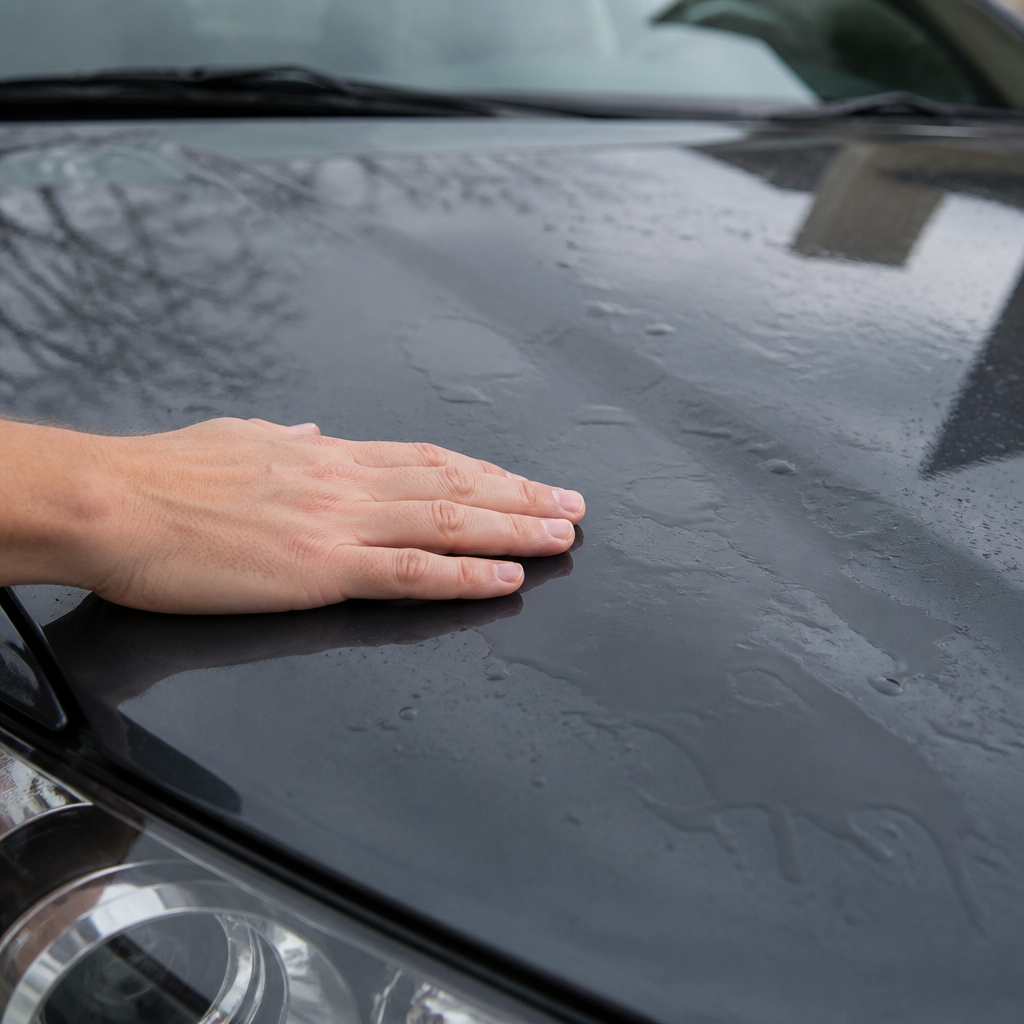
Beyond a set schedule, the water beading test offers a practical way to know when your car needs waxing. When water no longer forms tight beads on the paint and instead sheets off, it's a sign the wax protection has worn away. This subtle change, once noticed, becomes an easy indicator that it's time for a new wax application. By considering these variables and indicators, you can tailor a waxing schedule that suits your car's needs and your environment, ensuring its paint stays protected and looks its best.
When and How Often to Wax Your Car
Determining the best waxing schedule for your car involves more than just looking at a calendar. You need to recognize the subtle signs your car shows, understand how seasons affect its paint, and consider your preferred application method. Paying attention to these details helps ensure your vehicle gets the protection it needs, right when it needs it.
What are the signs your car needs waxing?
Recognizing when your car needs waxing is key to maintaining its paint and overall look. Several visual and tactile cues signal that the protective wax layer has worn down and needs reapplication. The most reliable sign is the loss of water beading. This water-repelling quality is a hallmark of healthy wax, and its absence leaves your paint vulnerable.
If water stops forming tight beads and instead spreads out or lies flat on the paint, it clearly indicates the wax protection has failed.
Beyond how water behaves, look for these common signs:
- Dull Finish: The paint looks faded or lacks the deep gloss it had after its last wax, which is often more noticeable on darker cars.
- Rough Texture: After washing, the paint feels rough or gritty to the touch, indicating that contaminants are bonding directly to the surface.
- Difficult Cleaning: Dirt, bird droppings, tree sap, or water spots don't rinse off easily, which confirms the lack of a protective, slick barrier.
- Visible Oxidation: On some vehicles, you might see a white or chalky residue, a sign the clear coat is beginning to break down without adequate protection.
For a subtle tactile test, try the "baggie test": put your hand in a clean plastic bag and feel the paint. If your hand catches or drags rather than gliding smoothly, it's a strong sign the wax protection is gone. Even if your car still looks decent, it's wise to inspect the paint if it's been more than 3-4 months since the last waxing.
How often should you wax your car in winter?
Winter presents unique challenges for your car's paint, making regular waxing even more important. In areas where road salt is used, it's generally recommended to wax cars more frequently—every 4-6 weeks—than the standard three-month interval for other seasons. This increased frequency is a direct response to the harsh conditions winter driving imposes on your vehicle.
Road salt is highly corrosive and can cause significant damage if it penetrates a compromised wax layer, leading to corrosion of the paint and underlying metal. A strong wax barrier is your first line of defense. To prepare, applying a fresh coat of synthetic sealant or wax in late fall is advised to establish maximum protection before the first snowfall.
When choosing a winter product, synthetic polymer sealants are often preferred over natural carnauba wax because they bond more strongly to the paint and resist degradation from salt. Beyond regular waxing, washing your vehicle after each major snow event and using a spray wax can help reinforce the protective barrier. It is also important to apply wax when both the air and paint surface temperatures are between 60-80°F (15-27°C) for proper bonding and curing. Applying wax in a garage is often ideal during winter to maintain these stable temperatures.
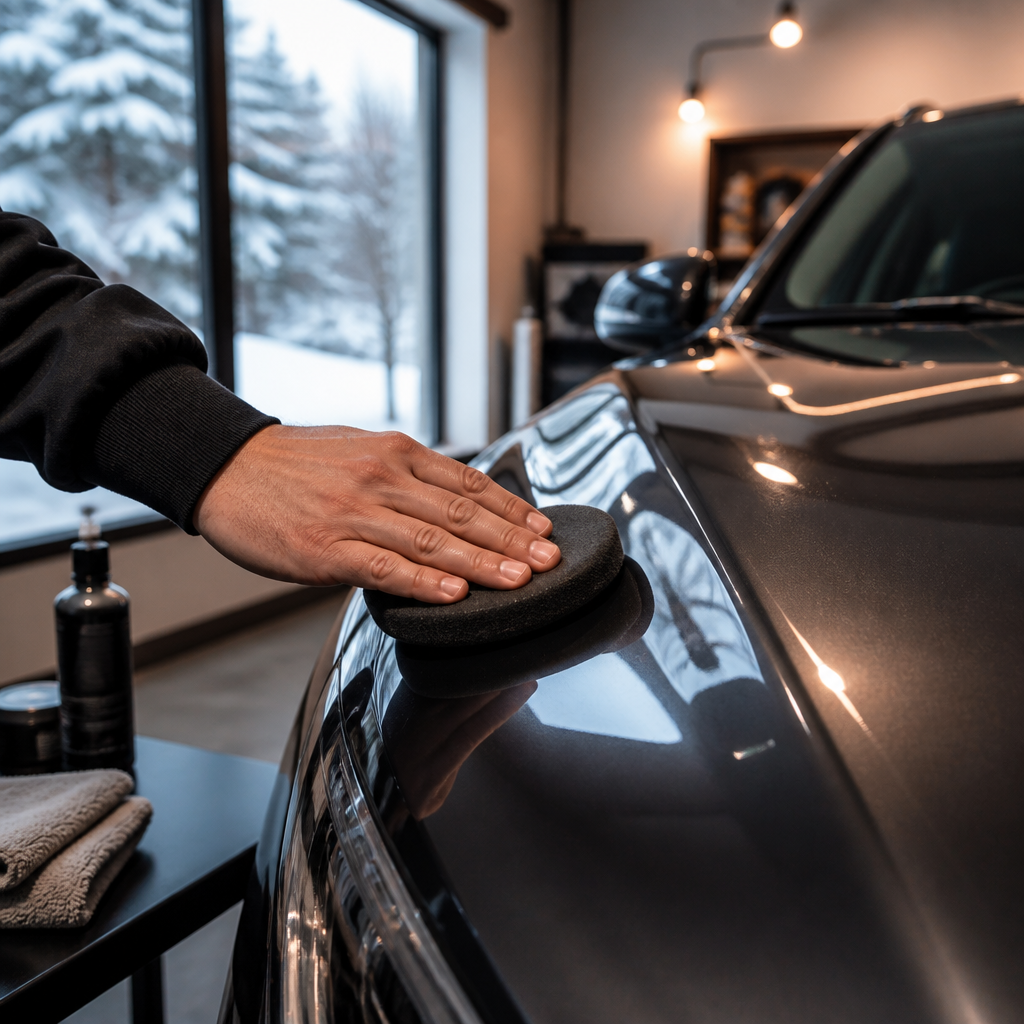
How often should you wax your car by hand?
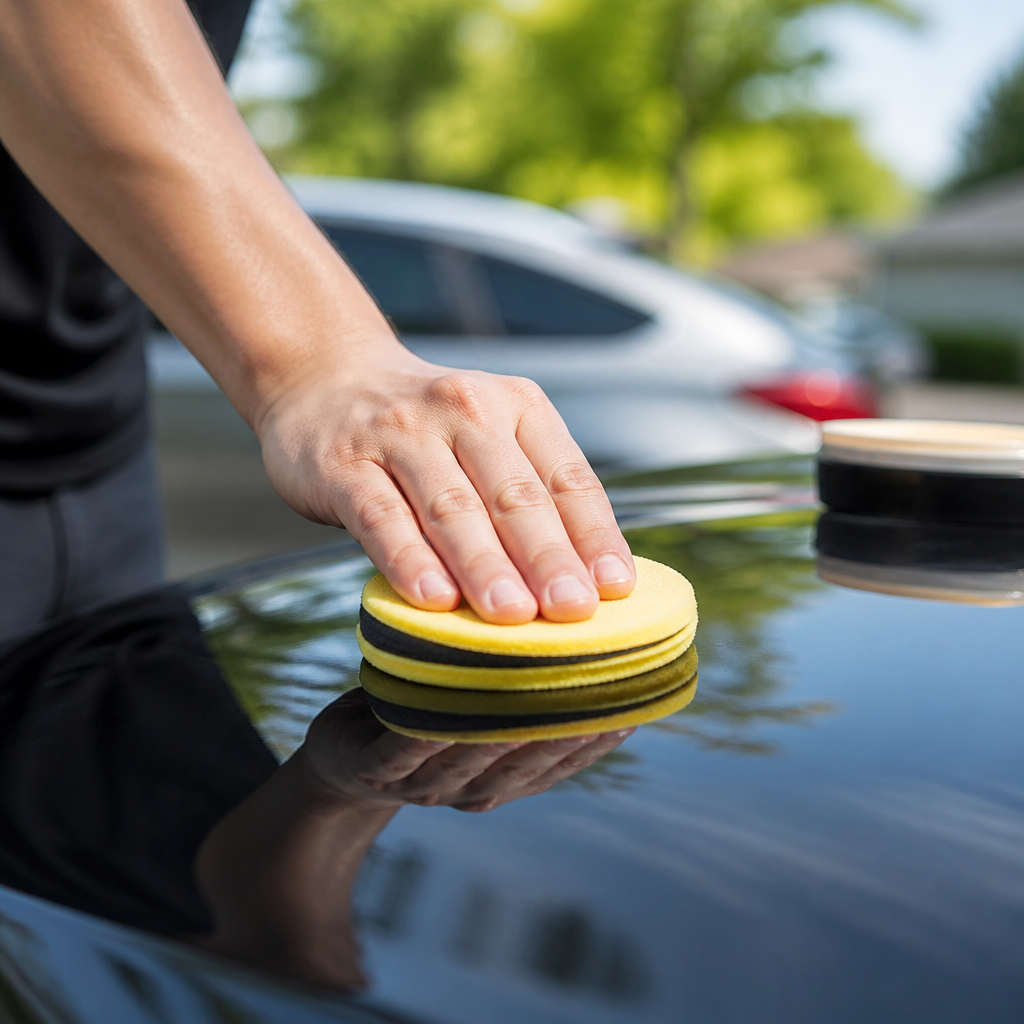
The method you use to apply car wax—by hand or with a machine polisher—mainly affects the ease and evenness of the application, not how often you need to wax. When waxing by hand, the general recommendation remains every three months as a good baseline. The longevity of the protection largely depends on the type of wax and the environmental conditions your car faces, _not on how it was applied_.
A hand-applied wax generally lasts as long as the same product applied by machine. The key difference lies in the application process; proper hand application involves applying thin, even coats to maximize the wax's longevity. One noticeable difference is the time commitment, as hand waxing takes longer than using a dual-action (DA) polisher. For those who enjoy the hands-on process, hand waxing remains a viable and effective option. To enhance protection, consider applying two thin coats, allowing adequate cure time between applications.
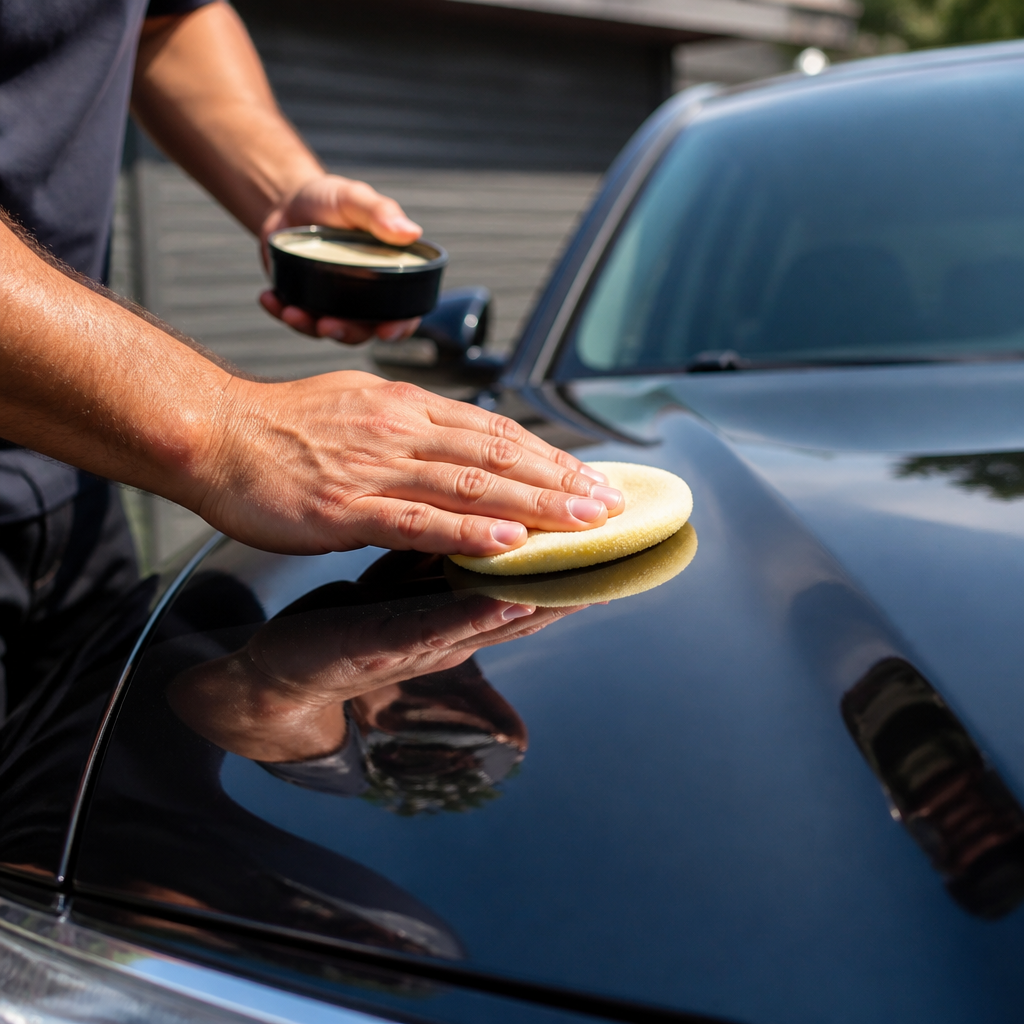
Benefits and Results of Regular Car Waxing
Regular car waxing is more than just a cosmetic treatment; it's a vital part of vehicle maintenance offering many benefits, from protecting the paint to preserving the car's value. Understanding these advantages highlights why a consistent waxing schedule is a worthwhile investment of time and effort.
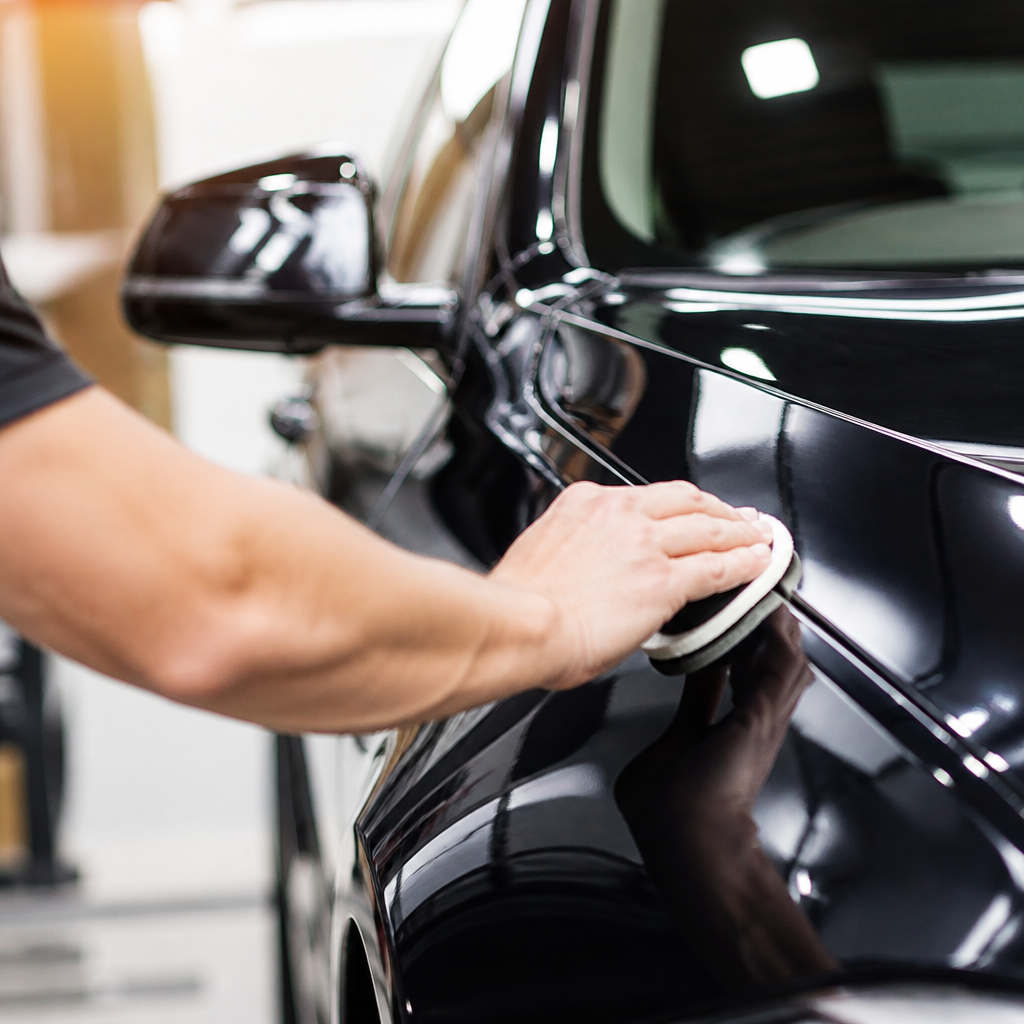
What are the benefits of waxing your car regularly?
Regularly waxing your car provides a sacrificial barrier that offers comprehensive protection for your vehicle's clear coat and paint. This barrier shields against environmental threats like harmful UV radiation, acid rain, bird droppings, tree sap, and road salt, all of which can degrade your paint over time. One of the most significant benefits is preventing UV damage, which causes paint to fade and oxidize.
Beyond protection, regular waxing contributes to your car's financial value by preserving the paint's condition. It also makes cleaning much easier, as the slick, water-repelling surface prevents dirt and grime from bonding tightly. While wax doesn't prevent deep scratches, _it does offer minor resistance against light swirl marks and can reduce the visibility of existing minor imperfections_. From a cost-saving perspective, regular waxing is a preventive measure that helps you avoid expensive paint correction or a full repaint down the road.
What is the best car wax for long lasting protection?
Understanding the different categories of car waxes is key to finding the best long-lasting protection. Products generally fall into three categories: natural carnauba wax, synthetic polymer sealants, and ceramic coatings, each offering different levels of durability and shine.
Natural carnauba wax provides a deep, warm shine but typically lasts only 4-8 weeks. For significantly longer protection, synthetic polymer sealants are an excellent choice. These engineered products bond strongly to the paint and can provide 4-6 months of protection from a single application. Hybrid formulations combine carnauba and synthetic polymers, offering a balance of shine and durability, usually lasting 2-3 months.
At the top tier are ceramic coatings, which create a hard, durable layer that can last for years. Consumer-grade ceramic coatings can provide 1-2 years of protection, while professional applications can last 3-5 years.
| Protection Type | Typical Durability | Key Feature |
|---|---|---|
| Natural Carnauba Wax | 4-8 weeks | Deep, warm shine |
| Hybrid Wax/Sealant | 2-3 months | Balanced shine and durability |
| Synthetic Polymer Sealant | 4-6 months | Long-lasting, strong chemical bond |
| Ceramic Coating | 1-5+ years | Extreme durability and hardness |
Choosing the "best" wax ultimately depends on your priorities regarding shine, durability, budget, and how much time you want to spend on application.
How to Wax Your Car the Right Way
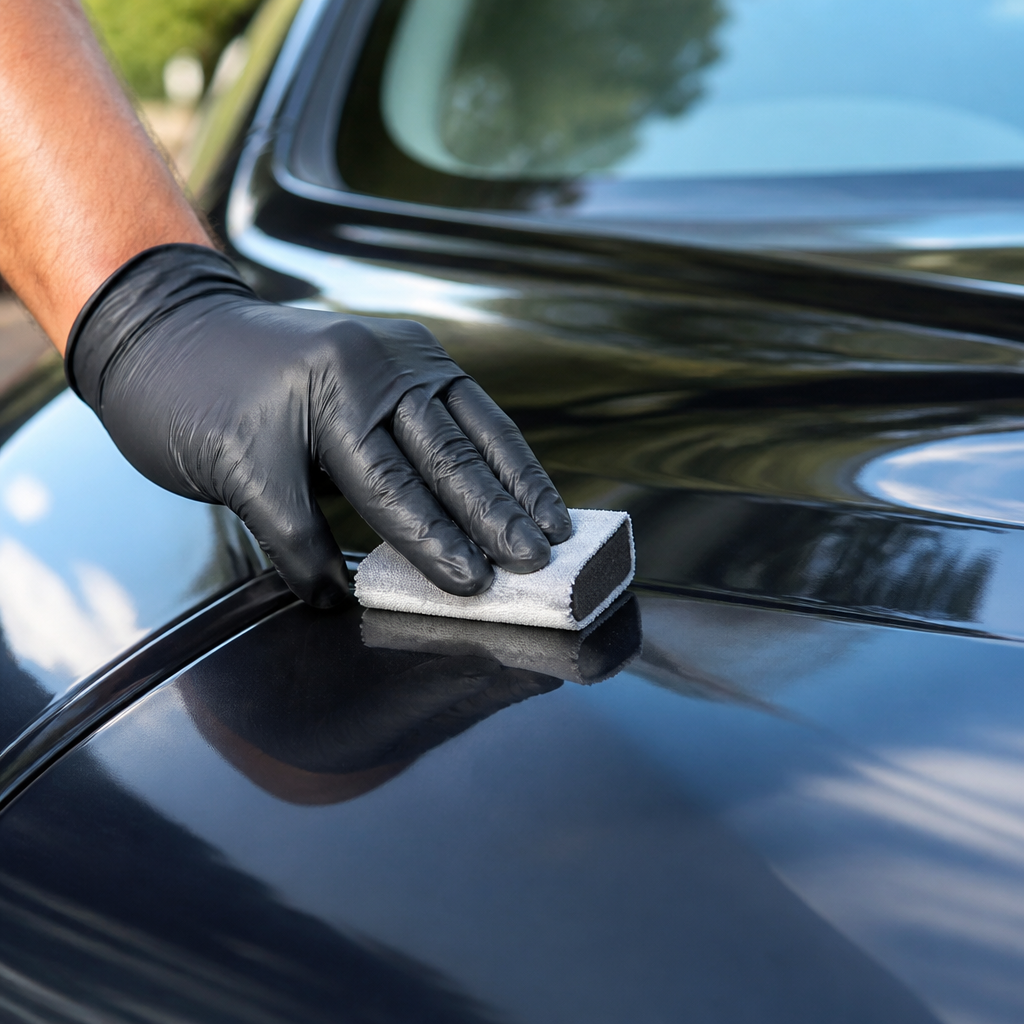
Unlock a brilliant shine and lasting protection by learning how to wax your car the right way. Proper car waxing is a meticulous, multi-step process that involves thorough surface preparation, correct application techniques, and appropriate buffing to maximize both protective qualities and aesthetic appeal.
How to wax your car properly
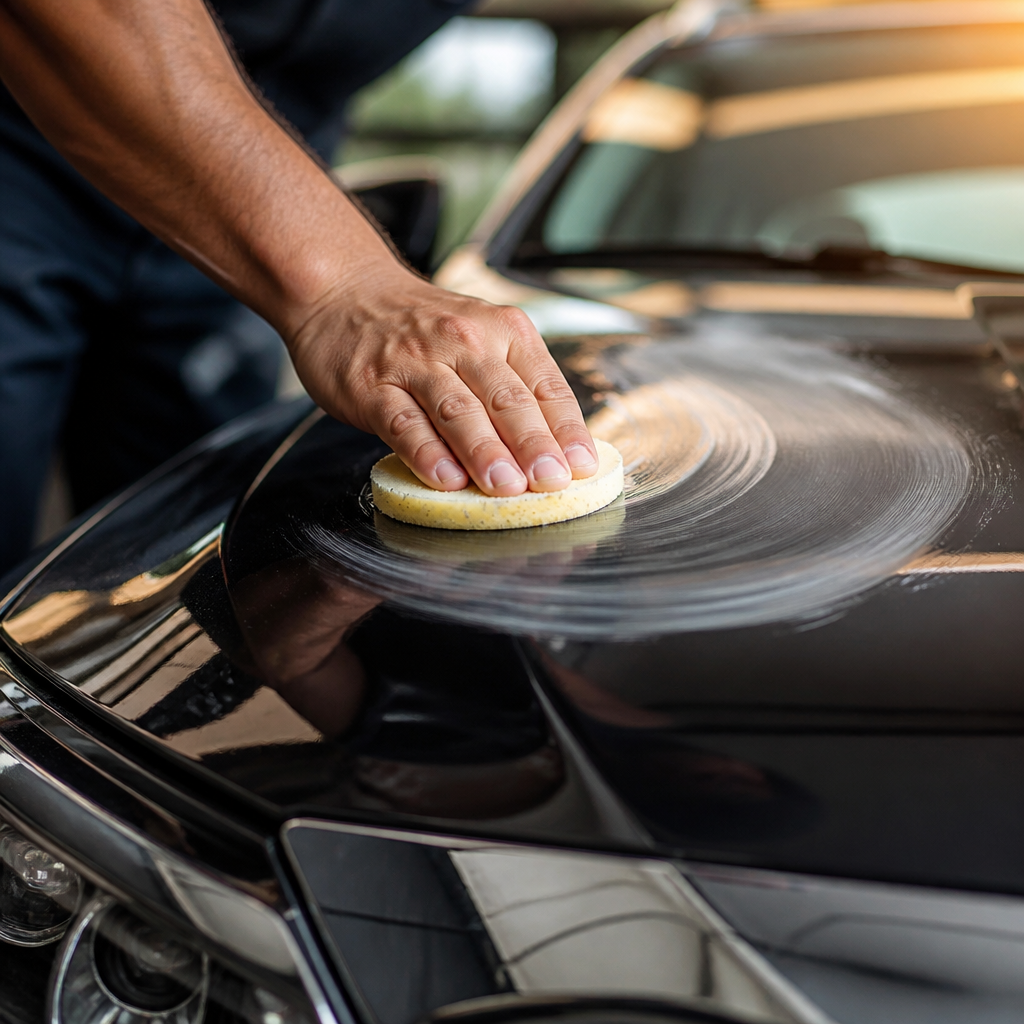
The foundation of a successful wax application lies in meticulous pre-wax preparation. Follow these steps to achieve a professional-grade finish that offers maximum protection.
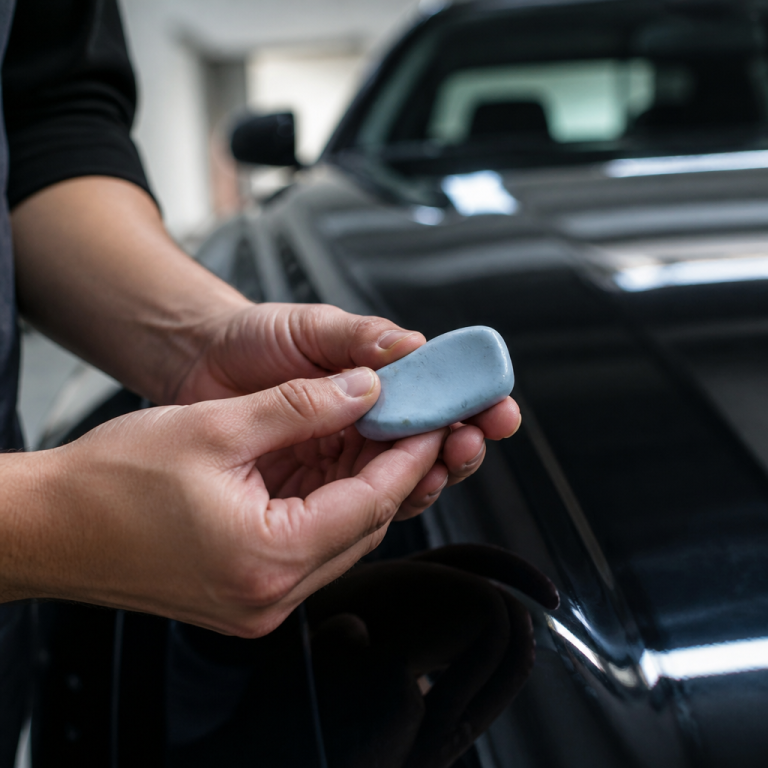
- Clean and Decontaminate: Before any wax touches your car, thoroughly wash and dry it. Use a clay bar or an iron remover to eliminate bonded contaminants like industrial fallout and tree sap that washing alone can't remove.
- Work in the Shade: Always apply wax to a cool paint surface, ideally below 85°F (29°C). Applying wax to a hot surface or in direct sunlight can cause it to dry too quickly, making removal difficult and reducing its effectiveness.
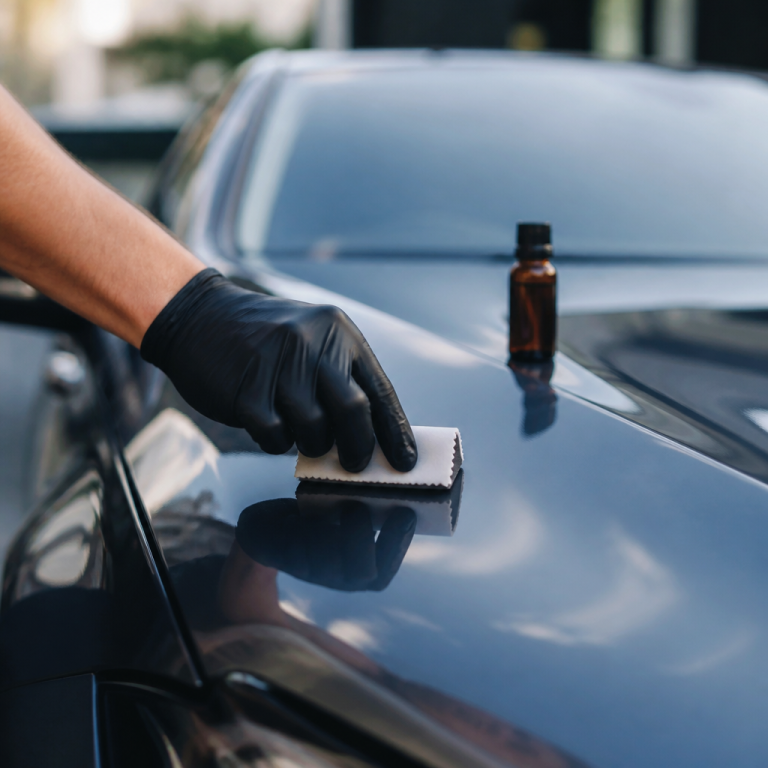
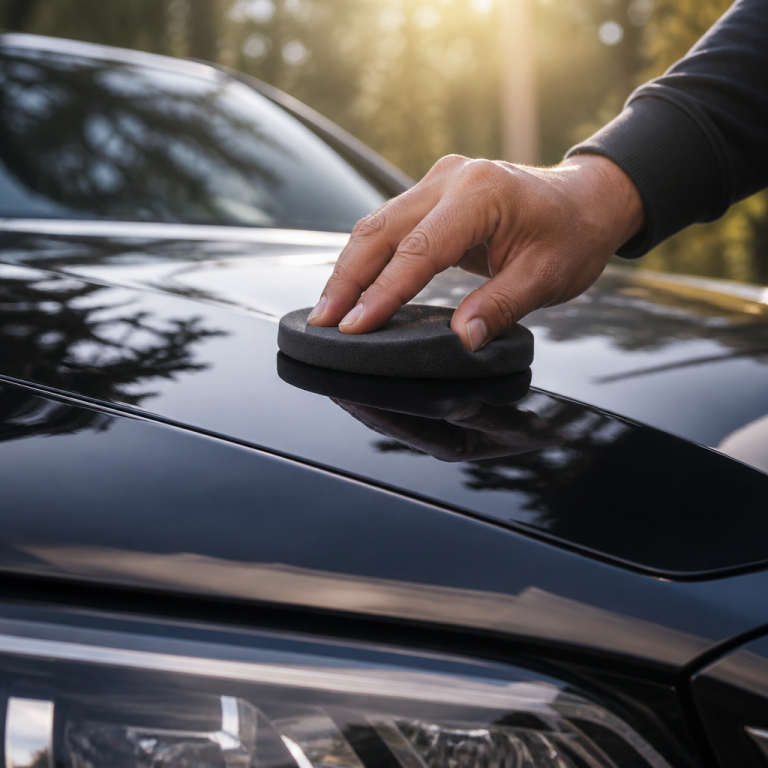
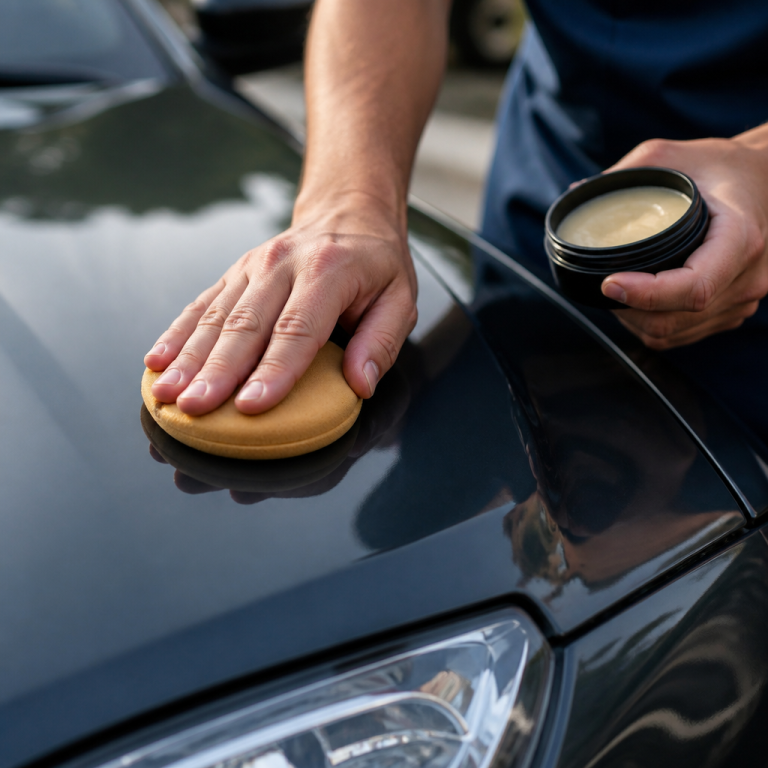
- Apply a Thin, Even Coat: Use a foam or microfiber applicator pad to apply the wax in a thin, even coat. Use overlapping circular or cross-hatch motions to ensure complete coverage.
A common mistake is applying too much wax. A thin layer bonds better and lasts longer than a thick coat, so remember that "less is more."
- Allow Proper Curing Time: Let the wax cure until it hazes, which typically takes 5-15 minutes depending on the product and conditions. Buffing too early prevents proper bonding, while waiting too long makes removal difficult. Always refer to the product's instructions for precise curing times.
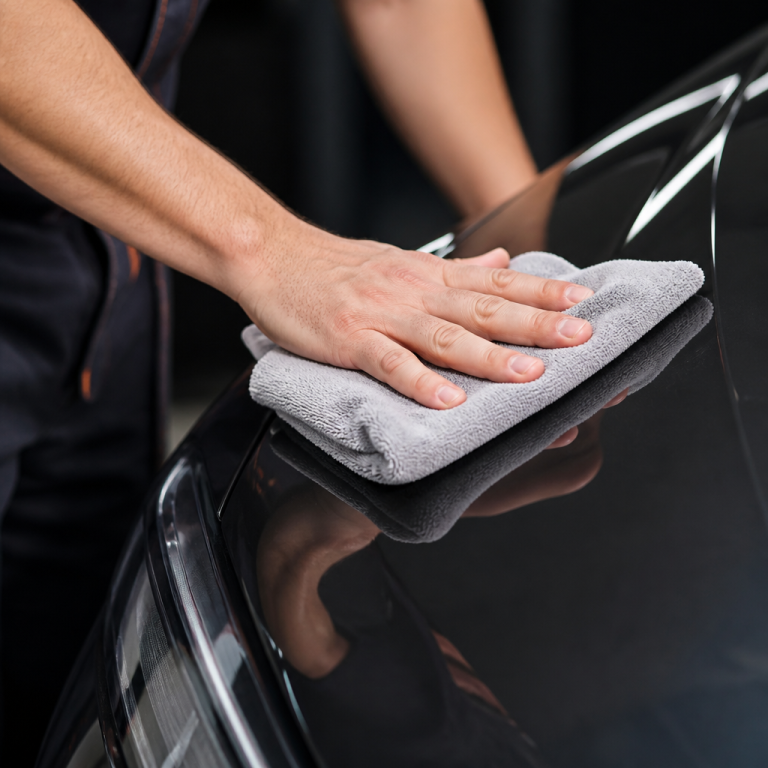
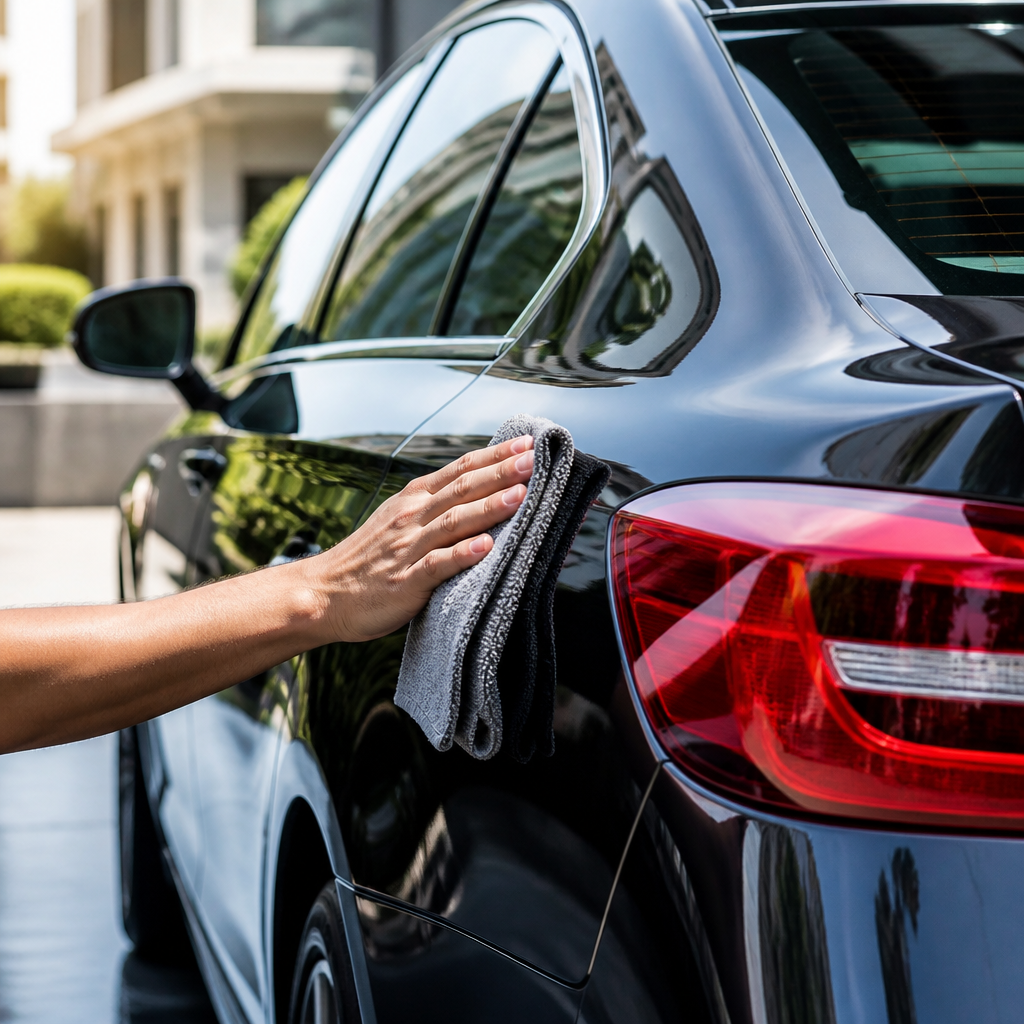
- Buff Gently: Use a clean, soft microfiber towel to buff off the hazy residue. Apply light pressure and use straight-line motions to avoid creating swirl marks, working one panel at a time to prevent the wax from over-curing.
Be mindful of surrounding materials. Avoid getting wax on black plastic trim and rubber seals. _If contact occurs, remove it immediately with a trim cleaner to prevent unsightly white residue staining._ After buffing, allow the wax to fully cure for 12-24 hours before washing the vehicle or exposing it to rain.

Jake Morrison writes about DIY car care at CarCareNote. He’s been detailing cars in his Ohio driveway for over a decade and shares what actually works at home.