how to remove tree sap from car, 7 Safe Tips That Work
Finding your car covered in sticky, stubborn tree sap is a frustrating discovery for any vehicle owner. This natural goo, if left untreated, can harden and damage your car’s protective clear coat and even the paint itself. The sugars and acids in sap can begin to etch into the clear coat in as little as 24 to 48 hours, making quick action essential to preserve your car’s finish.
The key to successful sap removal is selecting the right cleaner—one that breaks down the sticky substance without harming your car’s finish. Discover the best products and techniques to safely dissolve sap and protect your paint. Generally, acting within 12 hours is best; if sap is left longer, especially in the sun, it “cures” by hardening and forming a much stronger bond with your paint. Understanding the sap type, its location on your car, and the proper tools are critical for removing it without causing further damage.
Removing Tree Sap by Sap Type
Not all tree sap is created equal. Different trees produce saps with unique chemical compositions, which means the removal approach can vary. Understanding whether you’re dealing with resinous pine sap or sugary maple sap will guide you to the most effective and safest cleaning solution. The sap’s makeup affects how strongly it bonds to the surface and what kind of solvent is needed to break it down.
| Feature | Pine Sap | Maple Sap |
|---|---|---|
| Composition | Resin-heavy (terpenes, rosin acids) | Water and sugar-based |
| Adhesion | Very strong, glue-like bond | Weaker bond, easily soluble |
| Removal Method | Requires petroleum-based solvents or mineral spirits | Often removable with warm water and soap |
| Difficulty | High, especially when hardened | Low to moderate |
How to Remove Pine Tree Sap from Car
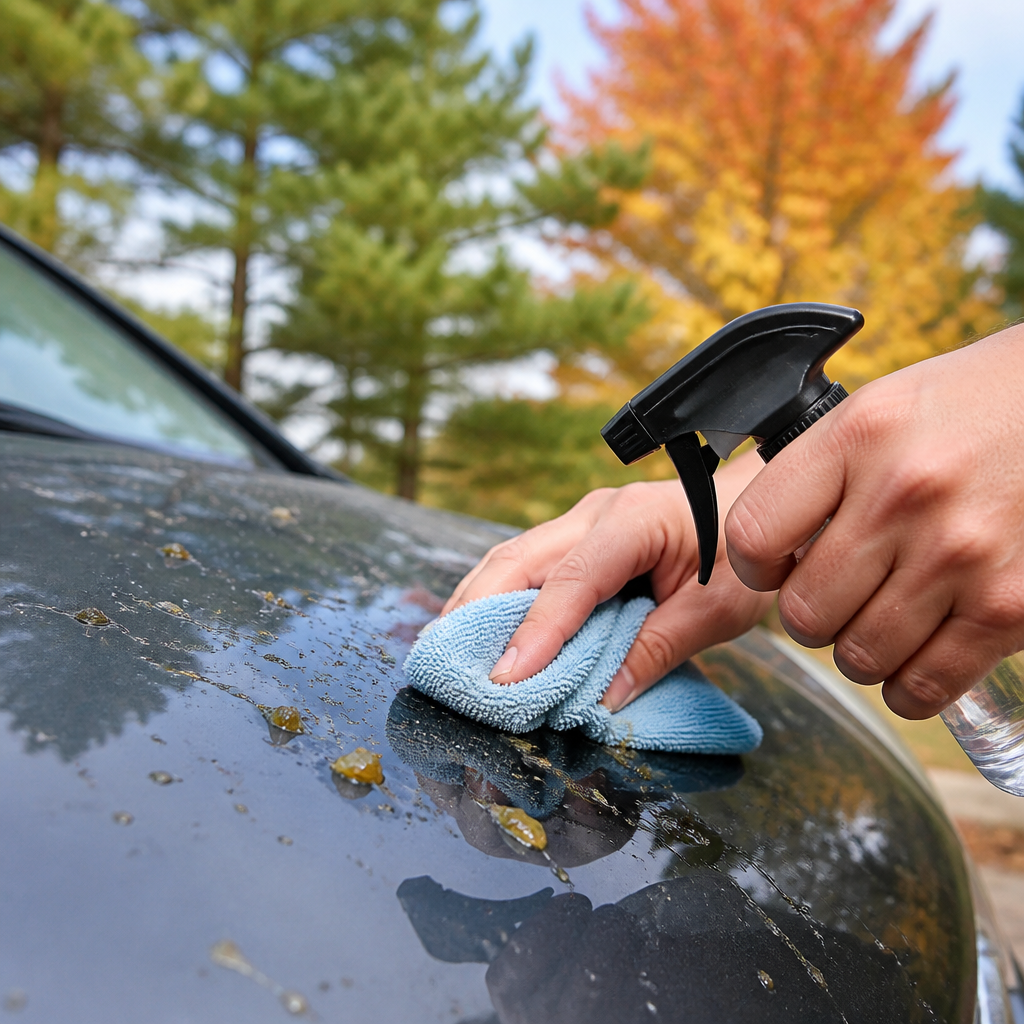
Pine tree sap is one of the most challenging types to remove from a car. It is incredibly thick and sticky due to a high concentration of compounds like terpenes and rosin acids, which act as the tree’s natural adhesive defense. These components create a much stronger bond with your car’s surface compared to other saps, presenting a significant cleaning challenge.
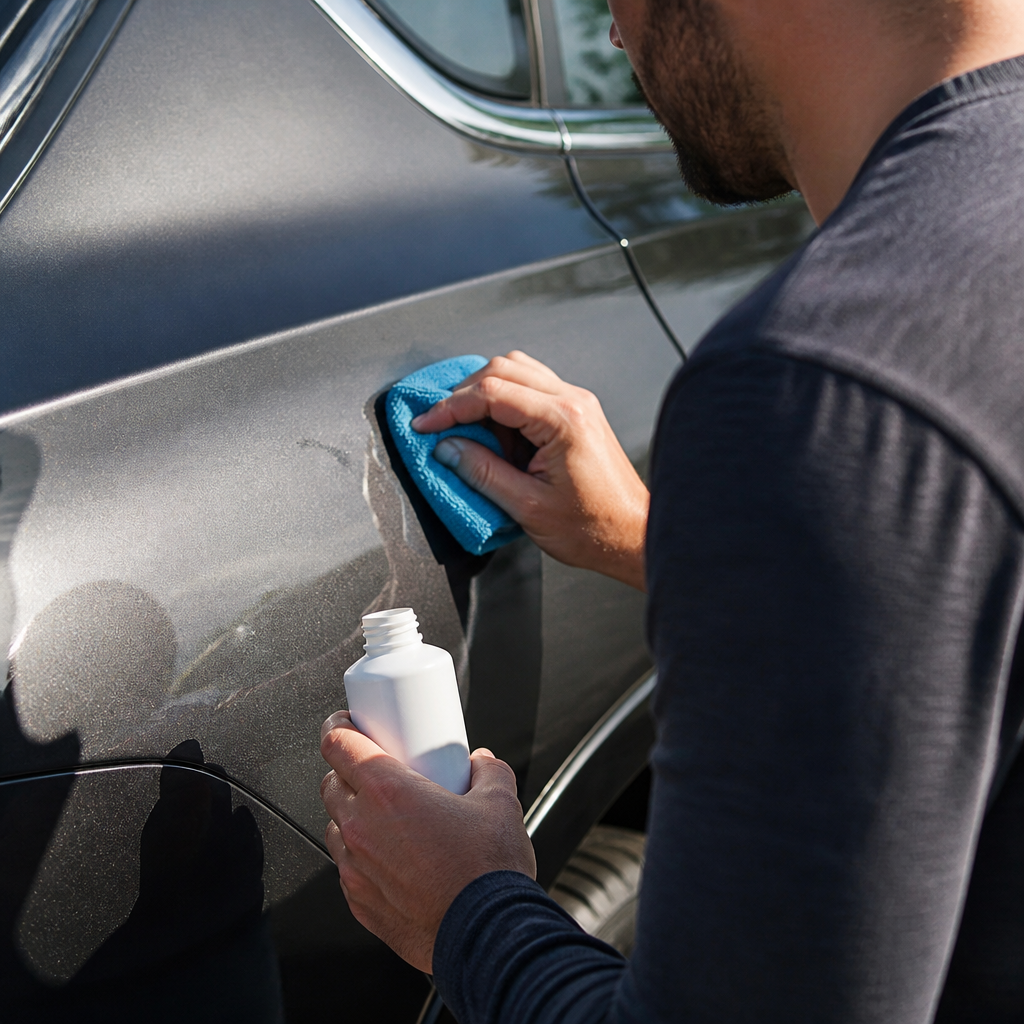
The longer pine sap sits, the harder it gets through a chemical process called oxidative polymerization. Exposure to air and heat causes the sap’s molecules to link together, transforming the soft goo into a tough, stubborn spot that can embed itself in your car’s clear coat. For stubborn pine sap, petroleum-based cleaners or mineral spirits are highly effective. The best technique is to apply the cleaner to a microfiber cloth, place it over the sap for 2-3 minutes, and then gently wipe. _Always use clean sections of your microfiber cloth to avoid rubbing grit back into thepaint._ This “soak time” is key because it gives the cleaner a chance to break down the tough, sticky compounds.
How to Remove Maple Tree Sap from Car
Maple tree sap is much different from pine sap and is generally easier to remove. It is composed mostly of water and sugar, with very little of the sticky resin found in pine sap. This composition means the bonds it forms with your car’s paint are weaker and easier to dissolve, often with milder cleaners.
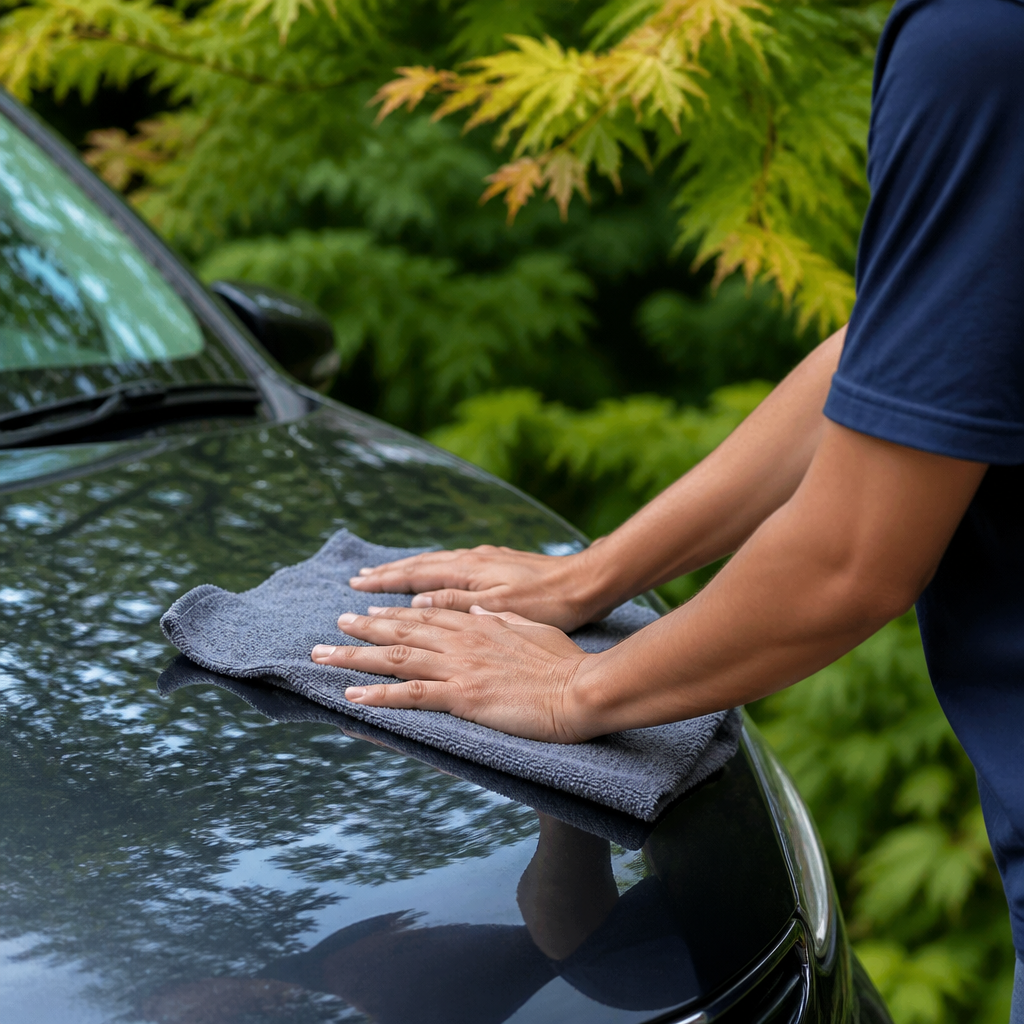
While fresh maple sap can often be wiped away with warm water and car wash soap, dried maple sap crystallizes into a hard, sugary coating. The best way to remove this is to reintroduce moisture. Place a microfiber cloth soaked in warm water directly over the sap spot and let it sit for 5-10 minutes. This soaking time allows the water to rehydrate the crystallized sugars, making the sap soft and much easier to gently wipe away. For more stubborn spots, isopropyl rubbing alcohol or a specialized sap remover will effectively break down any remaining sugary residue.
Removing Tree Sap by Car Surface
Where tree sap lands on your vehicle also dictates the best removal method. Surfaces like painted metal and glass have different properties and tolerances for cleaning agents and tools. Choosing the right technique is essential for removing sap effectively without causing damage to a specific part of your car.
How to Remove Tree Sap from Car Hood
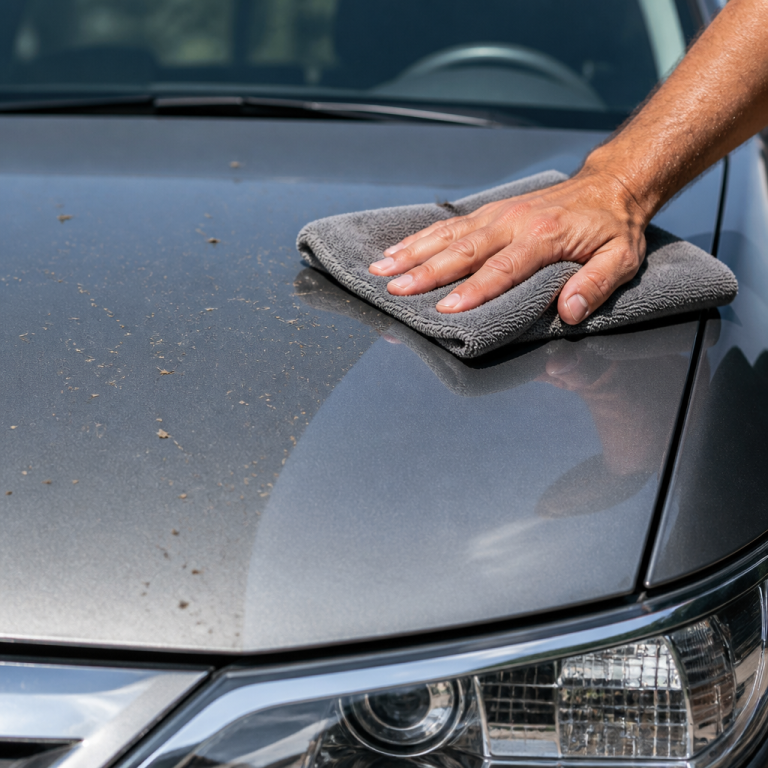
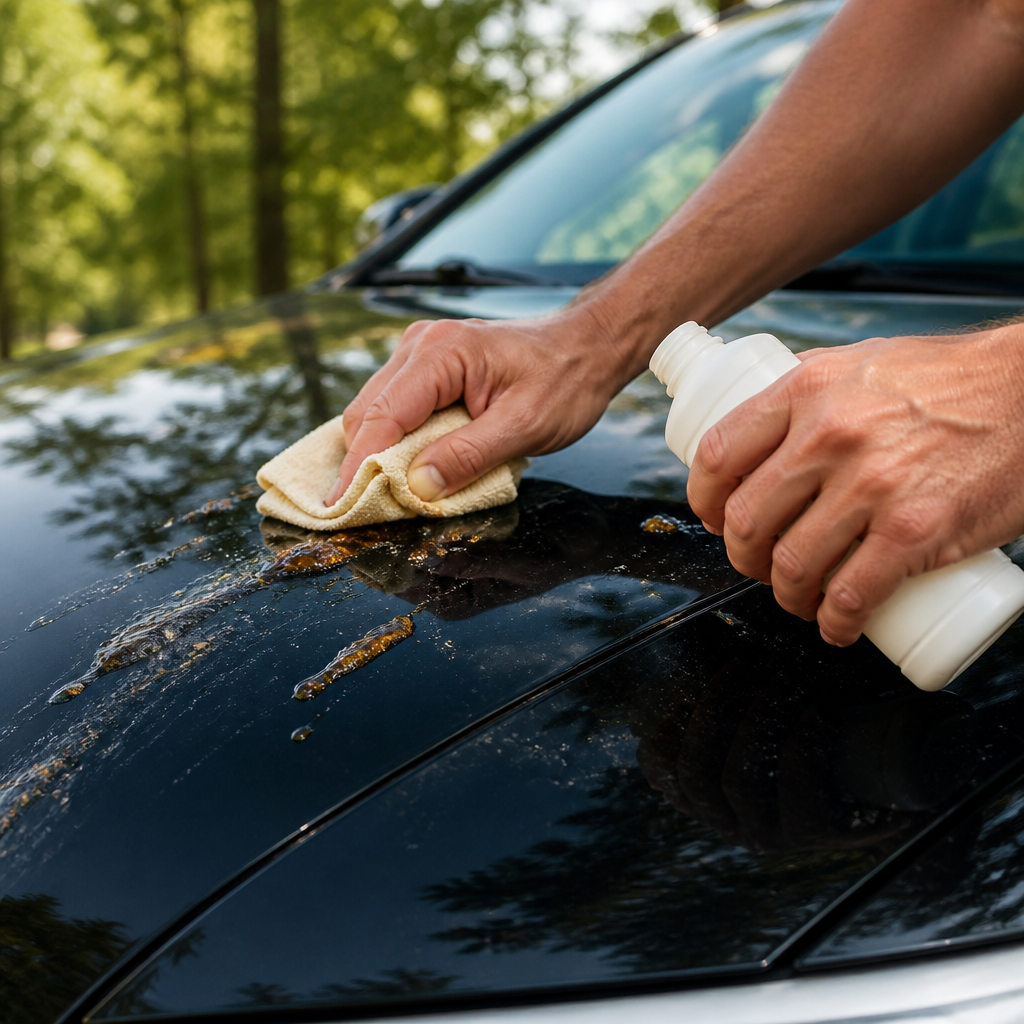
The car hood is a common target for sap due to its flat surface area. The heat from the engine can accelerate the hardening process, baking the sap onto the clear coat and making it significantly harder to remove. This combination of exposure and heat means you must work carefully to prevent permanent marks.
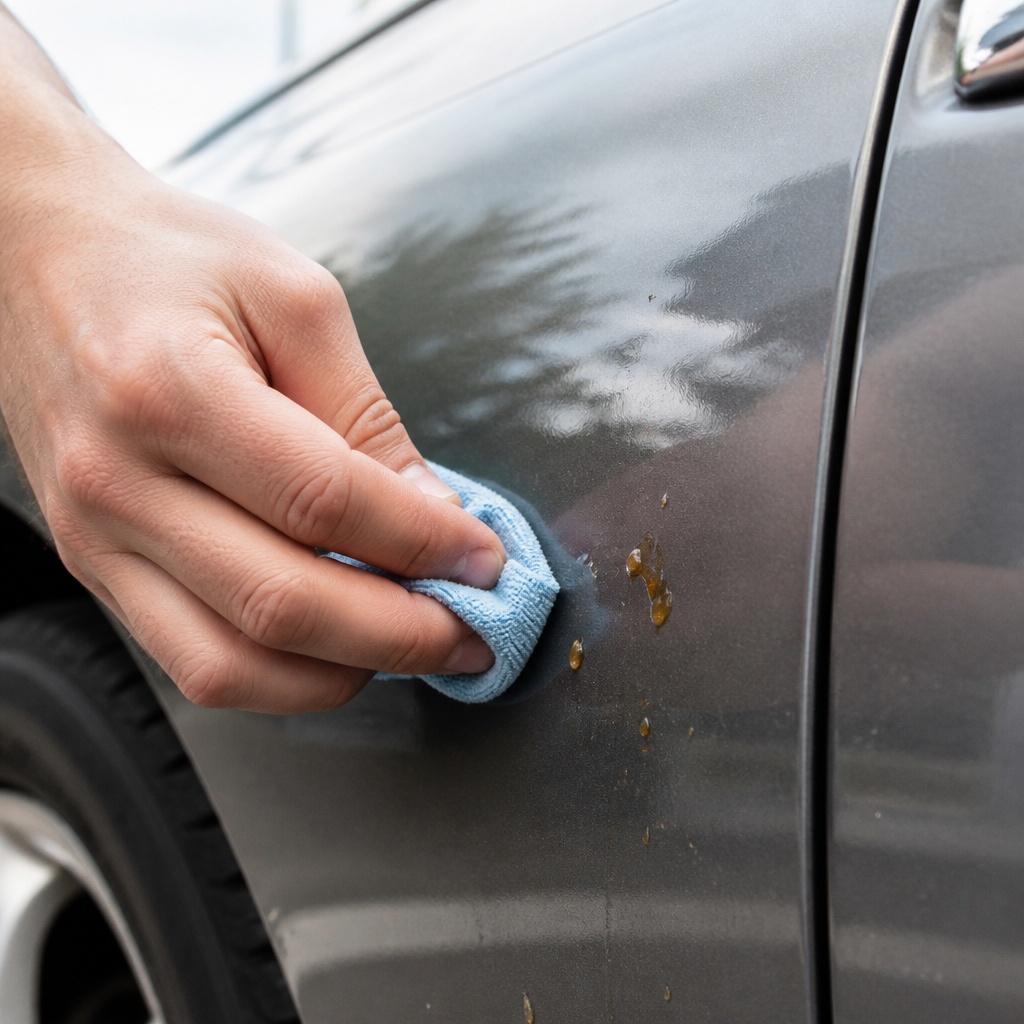
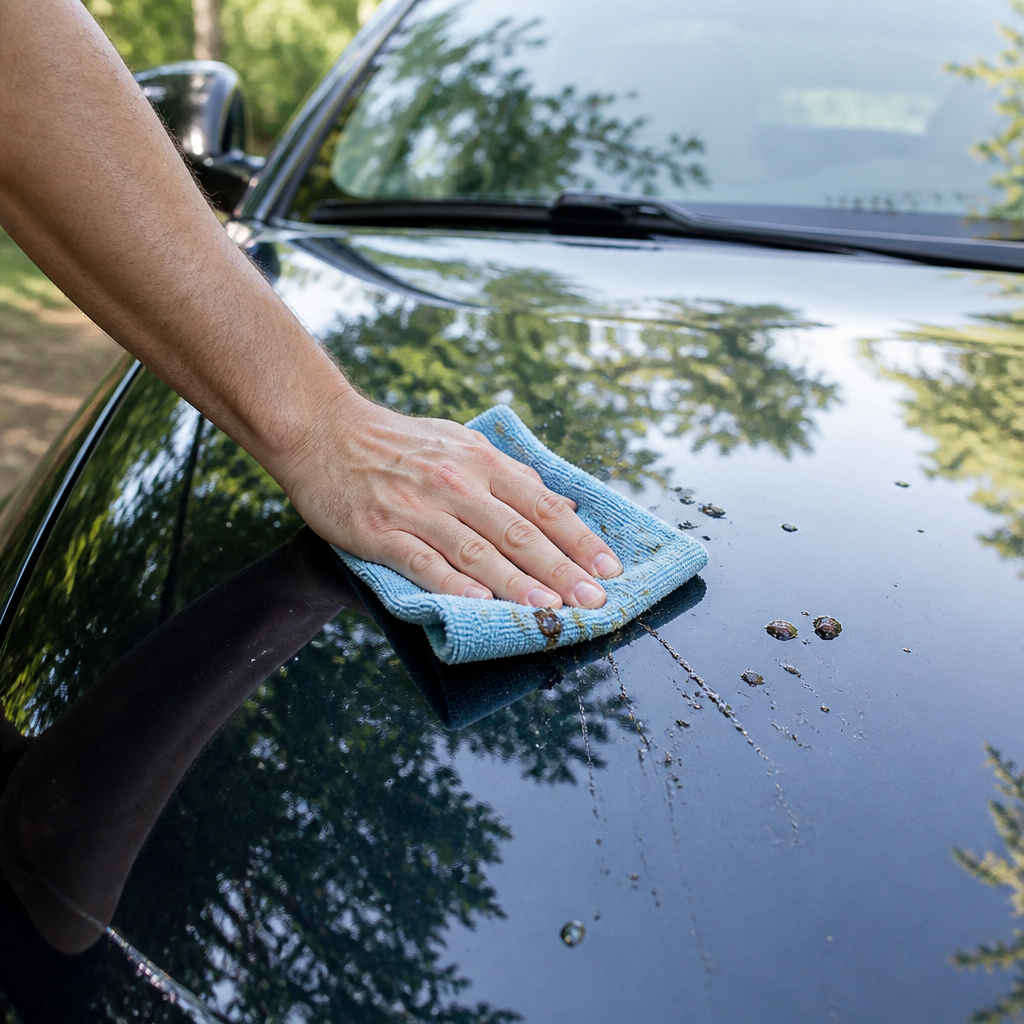
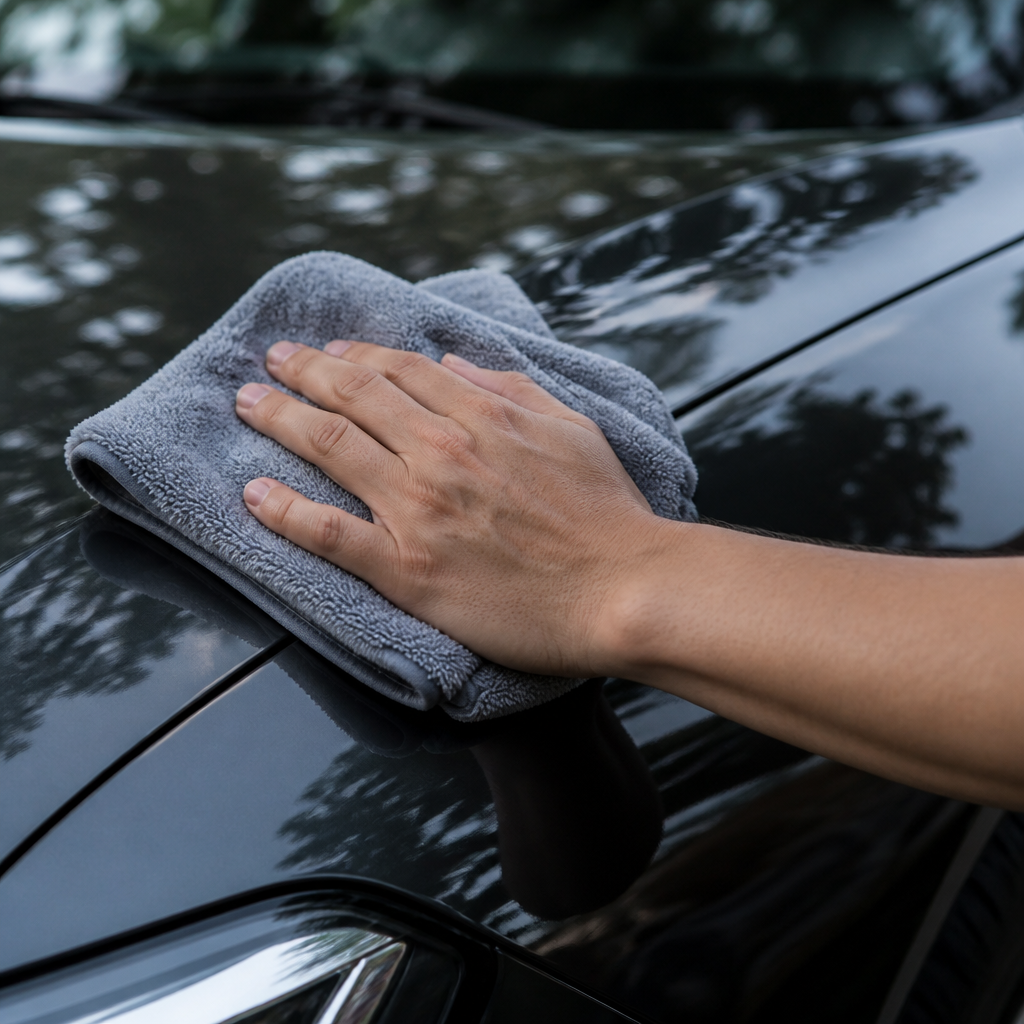
Always work in the shade on a cool surface, as a hot hood can cause cleaners to evaporate too quickly and be less effective. The ideal method is to apply a specialized sap remover or isopropyl alcohol to a clean microfiber cloth. Place the moistened cloth over the sap for 3-5 minutes to allow the cleaner to dissolve the sap’s bonds. After it has softened, gently rub the area in small circles with light pressure to lift the residue. For hoods with many sap spots, work in small sections to prevent the cleaner from drying out prematurely.
How to Remove Tree Sap from Car Window
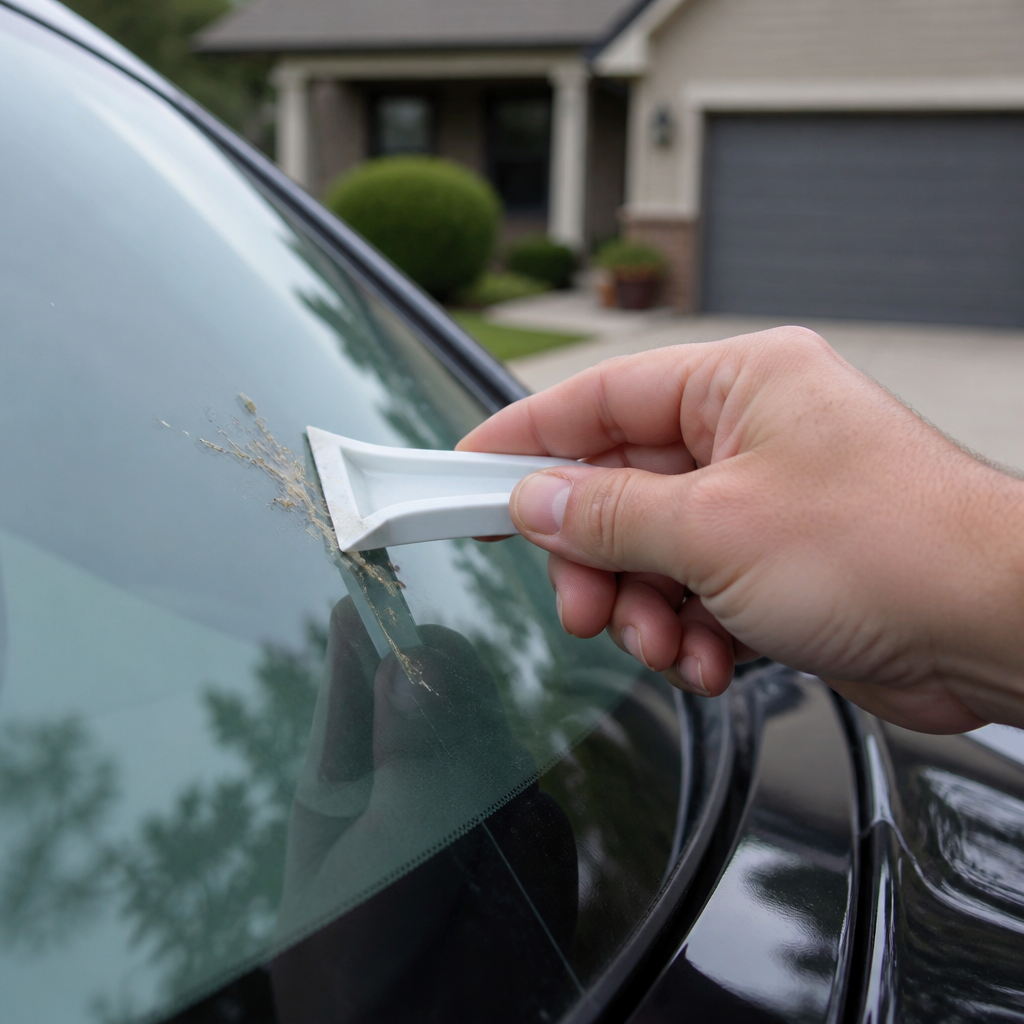
Removing tree sap from glass is different from paint. Glass is much more durable than a car’s clear coat, so it can tolerate more aggressive cleaning methods, though care is still required to avoid streaks and damage to surrounding trim.
Start by spraying a glass cleaner or isopropyl rubbing alcohol directly onto the sap and letting it sit for a few minutes to soften. Once softened, you can carefully use a plastic razor blade or the edge of a credit card to lift the sap. When using a blade, keep the angle low and use consistent, gentle pressure to lift the sap rather than scraping it. For extremely tough spots, 0000-grade steel wool used with a glass cleaner as a lubricant can remove sap without scratching the glass. _Be aware that some petroleum-based cleaners can dry out or discolor rubber seals and plastic trim around windows._
Removing Tree Sap by Method and Condition
The right removal strategy depends heavily on the product you choose and the condition of the sap. Whether you’re using a common household item or a specialized automotive product, the technique must be adapted for fresh or hardened sap to ensure a clean result without damaging your vehicle’s finish.
How to Remove Tree Sap from Car with WD-40
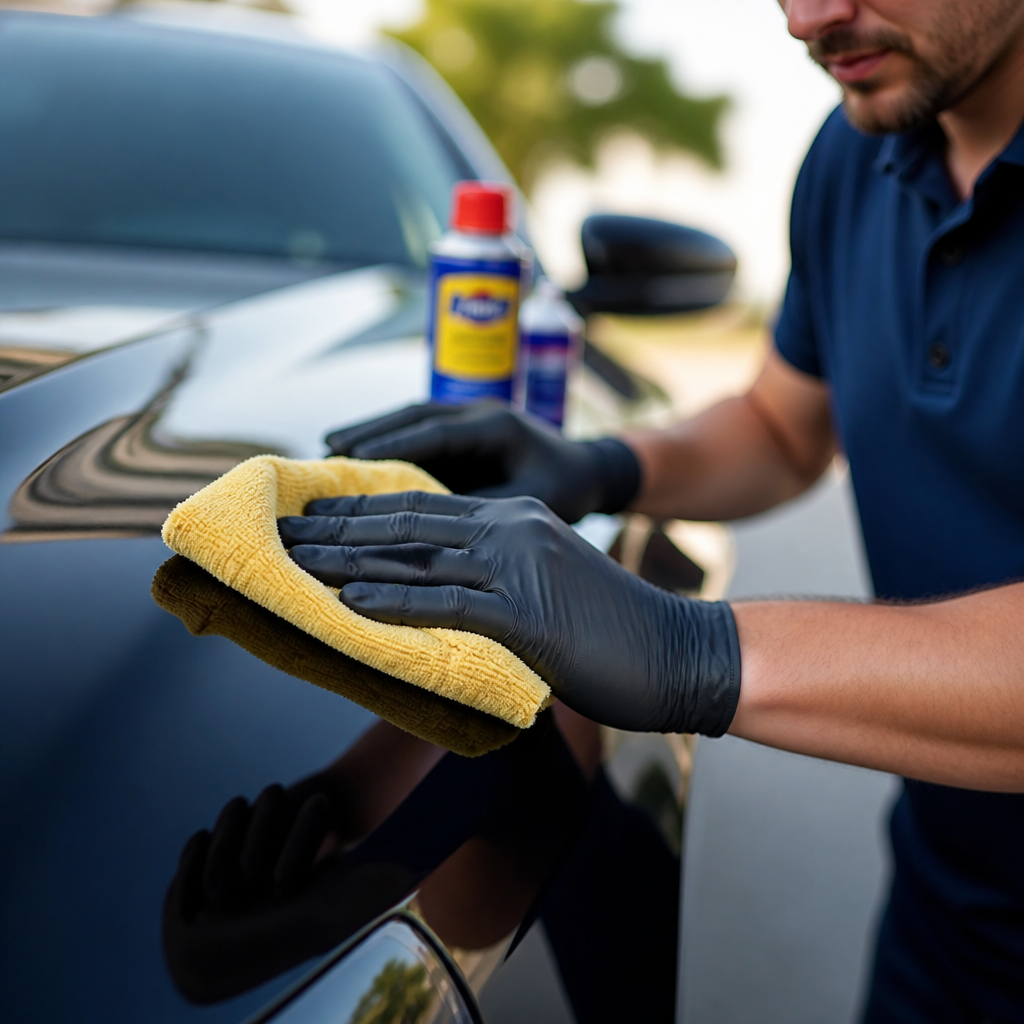
WD-40 is a common household product containing petroleum distillates that can effectively dissolve the sticky resins in tree sap. This makes it a convenient option that many car owners consider for quick sap removal.
However, its use on automotive paint requires caution. The solvents in WD-40 are strong enough to strip away protective wax and sealant layers, leaving your paint vulnerable. It also leaves behind an oily residue that can attract dirt and dust. If you use WD-40, spray a small amount onto a microfiber cloth (not directly on the paint), dab the sap, let it sit for a minute, and gently wipe it away. _Be aware that WD-40 is not formulated for automotive paint and can strip away protective wax or sealant layers._ After using WD-40, the treated area must be thoroughly washed with car soap to remove any oily residue.
How to Remove Hardened Tree Sap from Car
Hardened tree sap, which has cured for 48 hours or more, bonds intensely with your car’s surface and will not simply wipe off. Removing it requires a more robust, multi-step approach that combines chemical softeners with gentle mechanical removal to break its solid, glass-like connection to your paint.
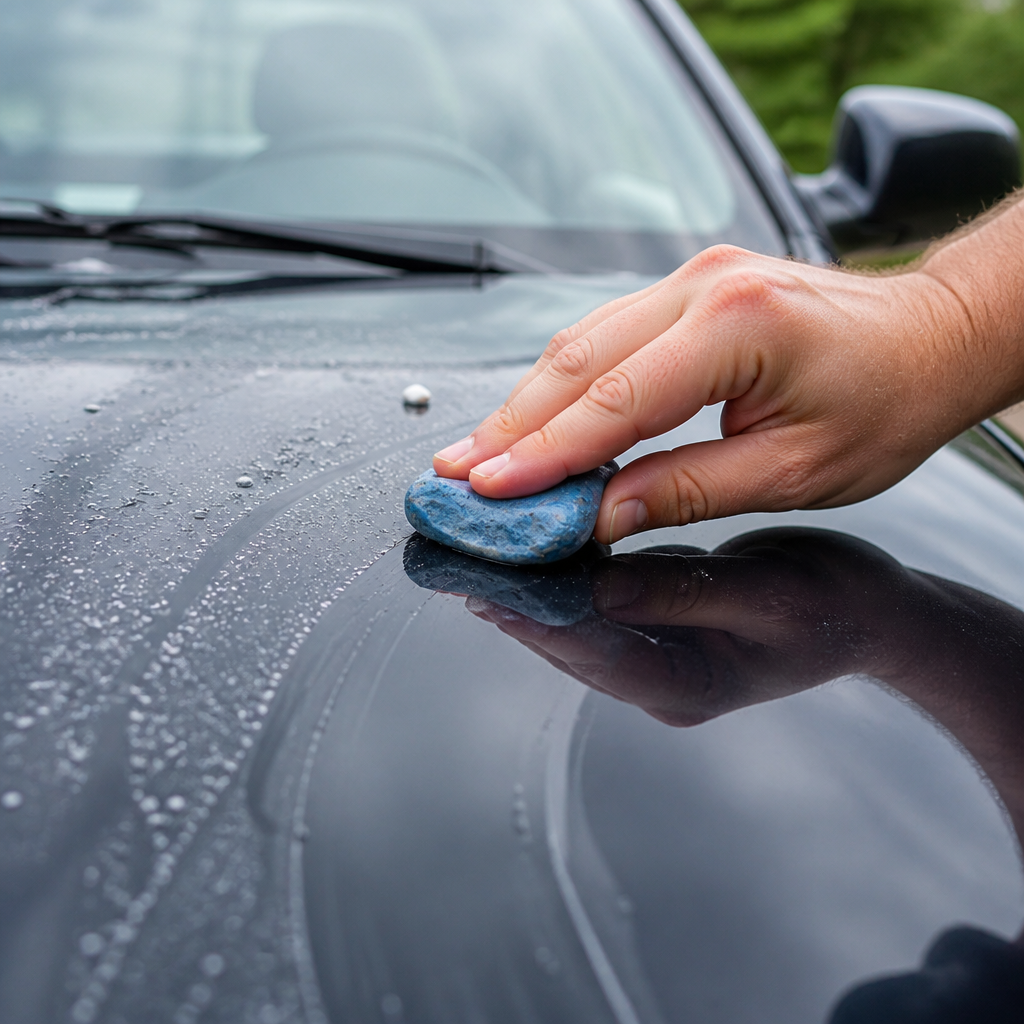
The process involves two key steps: chemical softening and mechanical removal. First, apply a dedicated sap remover or mineral spirits and cover the spot with a cloth soaked in the same solution for 10-15 minutes. This extended soaking time is crucial for breaking down the cured resin. A clay bar treatment is often the best and safest method for lifting softened, hardened resin from the clear coat without causing scratches. Using a medium-grade clay bar with plenty of lubricant, gently rub the area to pull the contaminants away from the surface. For sap that has left an etch mark, a polishing compound may be needed to restore the finish.
How to Remove Tree Sap from Car Without Damaging Paint
The primary goal of sap removal is to protect your car’s paint from damage. Incorrect methods can easily lead to scratches, swirl marks, or chemical damage to the thin clear coat. Safe removal depends on using the right products and a gentle touch.
The safest products are pH-neutral and specifically formulated for automotive finishes, such as specialized tree sap removers, isopropyl rubbing alcohol (70-90%), or high-quality bug and tar removers. Professional detailer Larry Kosilla emphasizes a golden rule for paint-safe sap removal:
“Never scrub or use force.”
Safe sap removal relies on letting the right chemicals do the work, followed by gentle wiping motions. To protect your paint, absolutely avoid using these materials:
- Paper towels: Their fibers can be abrasive and cause fine scratches.
- Harsh household cleaners: Products containing ammonia or bleach can strip wax and damage the clear coat.
- Acetone or nail polish remover: These strong solvents can dissolve your car’s paint.
- Metal scrapers or razor blades: These will undoubtedly scratch and gouge your paint.
Always work on a cool surface in the shade and use plush microfiber towels. After removal, inspect the area and apply a fresh coat of wax or sealant to restore protection.
—
Removing tree sap from your car can be a straightforward task with the right knowledge and tools. By understanding the type of sap, its location, and its condition, you can choose the most effective and safest cleaning method. Prioritizing gentle techniques, using appropriate cleaners, and re-protecting the cleaned area with wax or sealant are the cornerstones of maintaining your vehicle’s pristine finish.
FAQ
Q1: Why is it important to remove tree sap from my car quickly?
A1: Prompt removal is crucial because tree sap contains sugars and acids that can start etching (permanently marking) your car’s clear coat within just 24-48 hours. Ideally, you want to remove it within the first 12 hours. Waiting longer, especially if the sun hits it, causes the sap to “cure” and bond much more strongly to the paint, increasing the risk of permanent damage.
Q2: What is the main difference between removing pine sap versus maple sap?
A2: Pine sap is thick and resinous, forming strong, glue-like bonds that often require petroleum-based solvents to remove. Maple sap is primarily water and sugar, creating weaker bonds that can often be dissolved with just warm water and car wash soap. When dried, maple sap crystallizes and can be softened by rehydrating it with a damp cloth.
Q3: Can I use WD-40 to remove tree sap from my car’s paint?
A3: While WD-40 can dissolve sap, it is not ideal for car paint as it can strip protective wax layers and leave an oily residue that attracts dirt. If you must use it, apply it to a cloth first and immediately wash the area with car soap afterward. Re-applying wax to the treated area is essential to restore protection.
Q4: What should I do if the tree sap on my car has hardened?
A4: Hardened sap requires a two-step process. First, soften it by applying a dedicated sap remover and letting it soak for 10-15 minutes, covered with a damp cloth. Second, use a clay bar with a good lubricant to gently lift the softened resin from the paint. For any remaining etch marks, a polishing compound may be necessary.
Q5: What are the key precautions to take to avoid damaging my car’s paint during sap removal?
A5: To avoid paint damage, always use gentle wiping motions and never scrub forcefully. Use pH-neutral products designed for cars and avoid abrasive materials like paper towels or harsh chemicals like acetone or bleach. Work on a cool surface in the shade and use clean, plush microfiber towels. Always apply wax or sealant after removal to restore paint protection.

Jake Morrison writes about DIY car care at CarCareNote. He’s been detailing cars in his Ohio driveway for over a decade and shares what actually works at home.