How to Remove Tar from Car: 7 Safe, Easy Steps That Work
In the summer of 2021, I vividly recall noticing tiny, sticky black dots marring the paint of my brand-new Honda Civic. I'd just driven on a freshly paved highway near Springfield, Illinois, and my car's pristine finish was now peppered with what looked like miniature oil spills. More than just an eyesore, this petroleum-based residue threatened lasting damage if left untreated. Tar, a common contaminant from roads, roofing, or even certain tree saps, clings stubbornly to vehicles. Discover how to effectively and safely remove it to maintain your car's appearance and preserve its protective layers.
Tar's chemical composition makes it progressively harder to remove the longer it sits on paint. Exposure to UV light and heat, especially in warmer months, causes tar to bond more strongly with your car's clear coat. This makes it difficult to lift without potentially damaging the finish. In my experience, catching tar early makes a significant difference in the effort required for removal.
The science behind removing tar relies on dissolution. Think of oil and water – they don't mix. But add a substance that "likes" both, and they can combine. Petroleum-based solvents, found in automotive tar removers, break down tar's long hydrocarbon chains. This process uses molecular attraction to separate the tar from the paint, allowing it to be wiped away gently, preventing physical damage.
However, not all solvents are created equal. Using the wrong product can cause more harm than good. Larry Kosilla, founder of AMMO NYC detailing products and a detailing expert with over 15 years of experience, strongly advises using products specifically designed for automotive finishes. Household solvents can strip protective wax layers and damage clear coats. Personally, I've seen friends dull their paint with non-automotive products, a mistake I never want to repeat.
Professional detailers often use a comprehensive approach. After a chemical treatment to dissolve the bulk of the tar, they frequently recommend the "clay bar method." This involves spraying a lubricant, then gently rubbing a detailing clay bar over remaining tar spots in straight, overlapping lines. The clay bar lifts embedded contaminants, including stubborn tar residues, from the paint. Afterwards, the area is wiped clean, and a fresh layer of wax or sealant is applied for protection.
Safety is also paramount. Many tar removers contain volatile organic compounds (VOCs), chemicals that easily vaporize and can be harmful if inhaled or in prolonged skin contact. OSHA warns about these compounds, emphasizing the need for adequate ventilation and protective gloves. Always work in a well-ventilated area and wear appropriate personal protective equipment. I always make sure to wear nitrile gloves and work outside, even for small spots.
The prevalence of tar on vehicles is a widespread issue, making dedicated tar removers a significant segment of the automotive care market. This trend reflects a growing demand for specialized solutions, driven by increased road construction and subsequent exposure to environmental contaminants. Investing in the right products and understanding correct techniques helps car owners maintain their vehicle's pristine condition and protect its long-term value. From what I've seen, a good quality tar remover is an essential tool in any car enthusiast's detailing kit.
Types of Tar on Cars
| Type of Tar | Common Appearance | Source | Recommended Remover |
|---|---|---|---|
| Road Tar | Small black dots or streaks | Asphalt-based binder from pavement | Dedicated automotive tar remover |
| Coal Tar | Thick, dark liquid spots | Industrial coatings, specialty sealants | Heavy-duty citrus degreasers (d-limonene) |
| Pine Tar | Sticky amber or brown droplets | Resin from pine trees | Isopropyl alcohol or oil-based products |
How to Remove Road Tar from Car
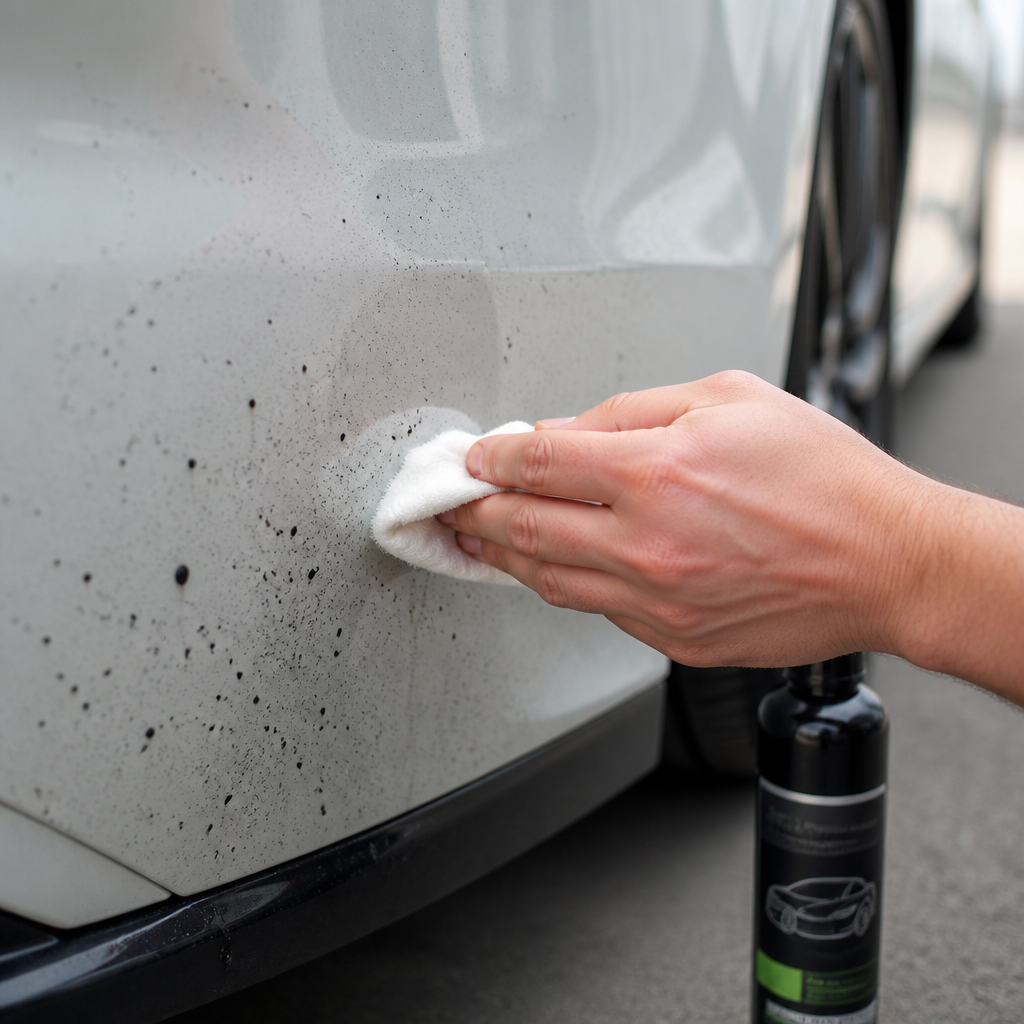
Road tar, the most common type encountered by drivers, often appears as small black dots or streaks. It's primarily asphalt-based binder from pavement, which can spray onto vehicles, especially during summer when road temperatures can exceed 140°F (60°C). These high temperatures soften the asphalt, making it more adhesive. The sticky residue is a mix of bitumen, aggregate dust, and petroleum distillates, usually concentrating on lower body panels, wheel wells, and rocker panels due to tire spray patterns.
Prompt removal of road tar is recommended. Research indicates that tar removed shortly after contact is significantly easier to clean, requiring less product and time than tar left to set. _The longer road tar remains, the more it can bond with the clear coat_, leading to a more challenging removal process. I once waited a week to remove tar after a summer road trip, and it took twice as long to get off.
The American Automobile Association (AAA) outlines a recommended sequence for effective road tar removal:
- First, wash your car to remove loose dirt and grime, which prevents scratches during the tar removal process.
- Next, apply a dedicated automotive tar remover to affected areas and let it sit for about 3-5 minutes, allowing solvents to break down the tar.
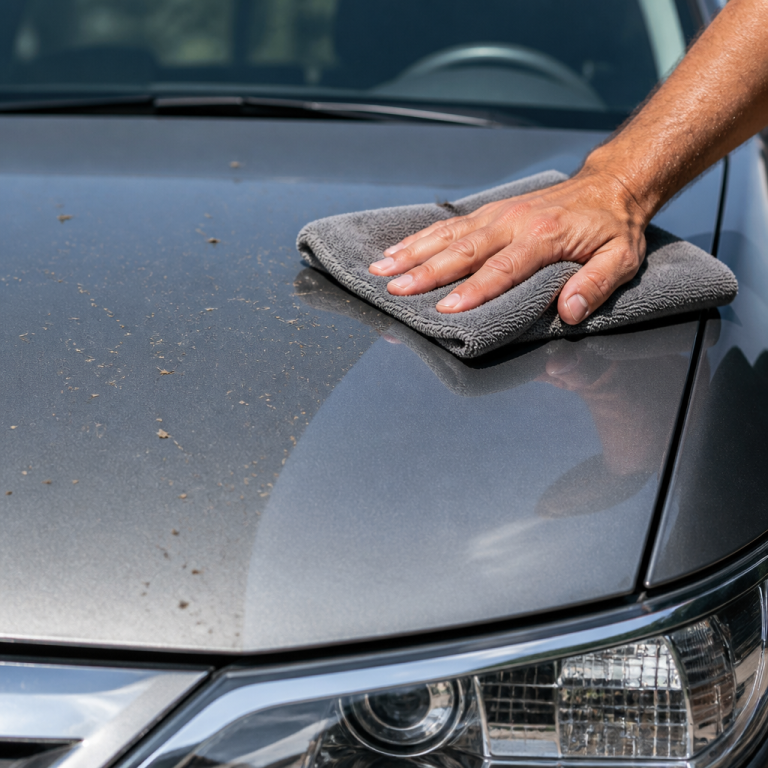
- Gently wipe the dissolved tar away with a clean microfiber cloth.
- After tar removal, wash the car again with soap to eliminate any residue and apply a fresh layer of wax or sealant for protection.
Consumer Reports testing suggests dedicated automotive tar removers generally outperform multi-purpose products like WD-40 and household cleaners. These specialized products effectively remove road tar without damaging car paint. Using an automotive-specific product ensures both efficacy and safety for your vehicle's delicate surfaces. In my opinion, investing a little more in a good automotive-specific product is always worth it to protect your car's finish.
Mike Phillips, Director of Training at Autogeek and a former Meguiar's master detailer, offers crucial advice:
"Road tar removal should never involve scraping or abrasive rubbing—the solvent does the work. Patience is critical; reapply the product rather than scrubbing harder if tar doesn't lift immediately."
Beyond personal vehicle care, environmental considerations exist. The EPA classifies used tar remover rags as hazardous waste due to their petroleum content. For commercial operations, the EPA recommends disposal through certified waste management facilities. While this mainly applies commercially, it underscores the chemical nature of these products and the need for responsible handling. Following these guidelines helps you effectively remove road tar and keep your vehicle looking its best while minimizing risks. When I'm done, I always dispose of my rags properly by bagging them and taking them to a local hazardous waste collection event, just to be safe.
How to Remove Coal Tar from Car
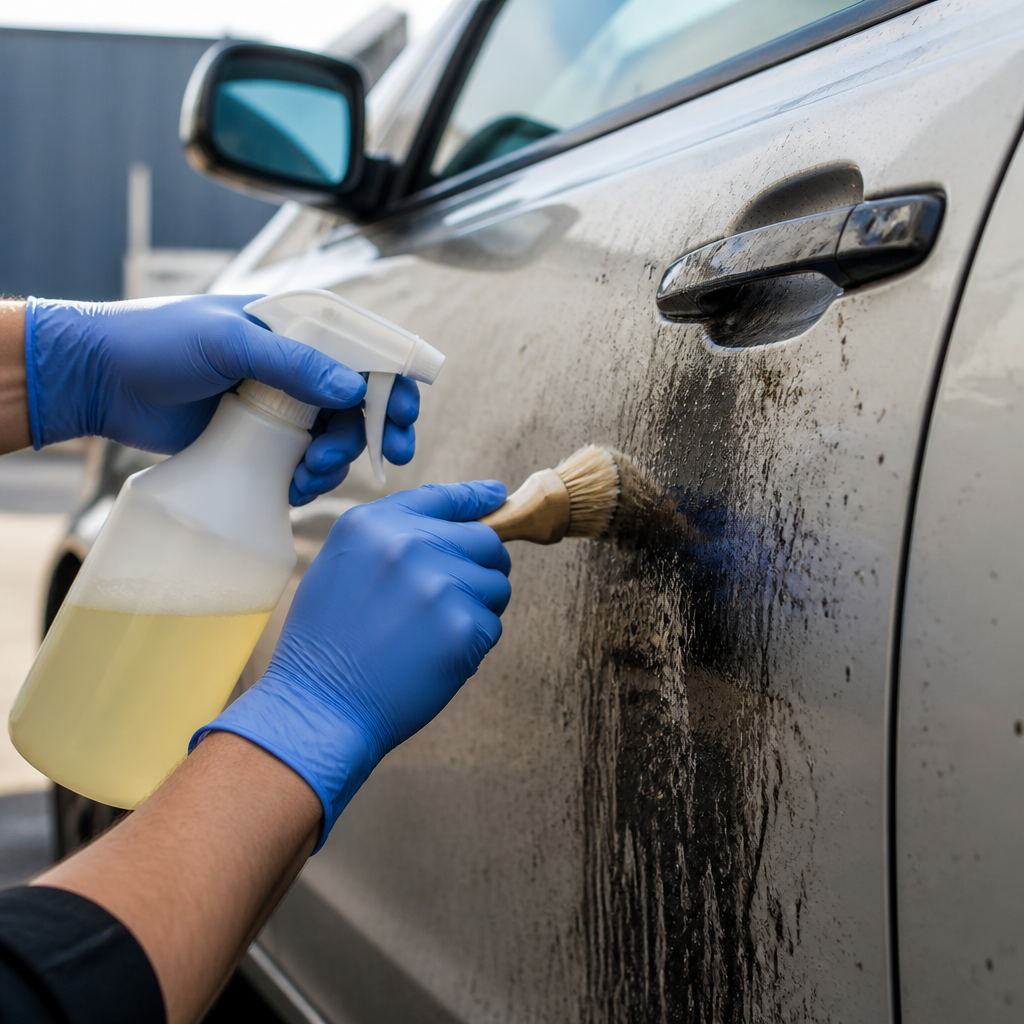
Coal tar, while less common than road tar for most drivers, presents unique challenges due to its chemical composition. It's a thick, dark liquid byproduct from coal processing, sometimes used in specialty sealants and industrial coatings. Vehicles parked near surfaces sealed with coal tar or in industrial areas might pick up this substance. Understanding coal tar is crucial for its safe and effective removal.
A key difference between coal tar and road tar lies in their chemical makeup. Coal tar contains polycyclic aromatic hydrocarbons (PAHs) at concentrations 100-1000 times higher than asphalt-based road tar. These higher concentrations make coal tar more toxic and necessitate a different removal approach. The U.S. Geological Survey has found that coal tar sealant particles contain carcinogenic compounds. Consequently, the CDC strongly recommends wearing nitrile gloves and avoiding direct skin contact during removal to protect against potential health risks.
Due to its unique molecular structure, including stable benzene rings, coal tar doesn't dissolve as readily in standard petroleum-based removers designed for road tar. It typically requires stronger aromatic solvents or citrus-based degreasers to break down its chemical bonds. This chemical difference is vital when choosing a removal product. I've only encountered coal tar once, when I parked near an old industrial lot, and regular tar remover barely touched it.
Professional detailing guides often recommend heavy-duty citrus degreasers, particularly those based on d-limonene, for tackling coal tar. The recommended method involves applying the degreaser with a soft brush, allowing it to dwell for several minutes to penetrate and break down the tar. After sufficient dwell time, the area should be thoroughly rinsed, and a clay bar treatment can then be applied to remove any lingering residue for a smooth finish. This multi-step process helps ensure complete removal while minimizing damage risk.
It's worth noting that the likelihood of encountering coal tar on your vehicle has been decreasing. As of 2023, coal tar sealants are banned in 12 U.S. states, the District of Columbia, and over 100 municipalities. These bans stem from growing environmental and health concerns, significantly reducing overall exposure. Nevertheless, if you suspect your vehicle has contacted coal tar, follow the specialized removal and safety precautions outlined to protect both your vehicle and health. My advice would be to always err on the side of caution and use proper PPE if you suspect coal tar.
How to Remove Pine Tar from Car
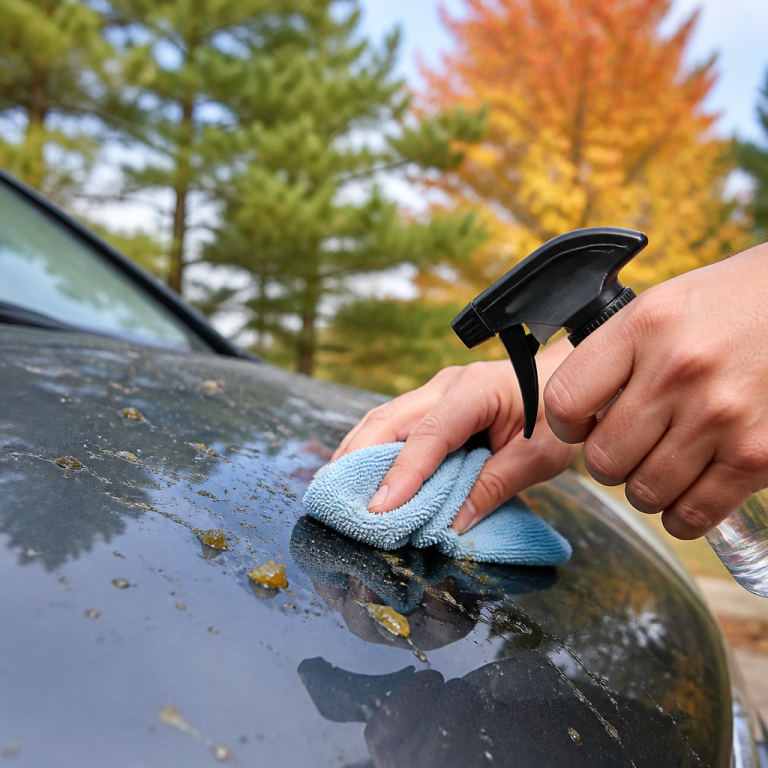
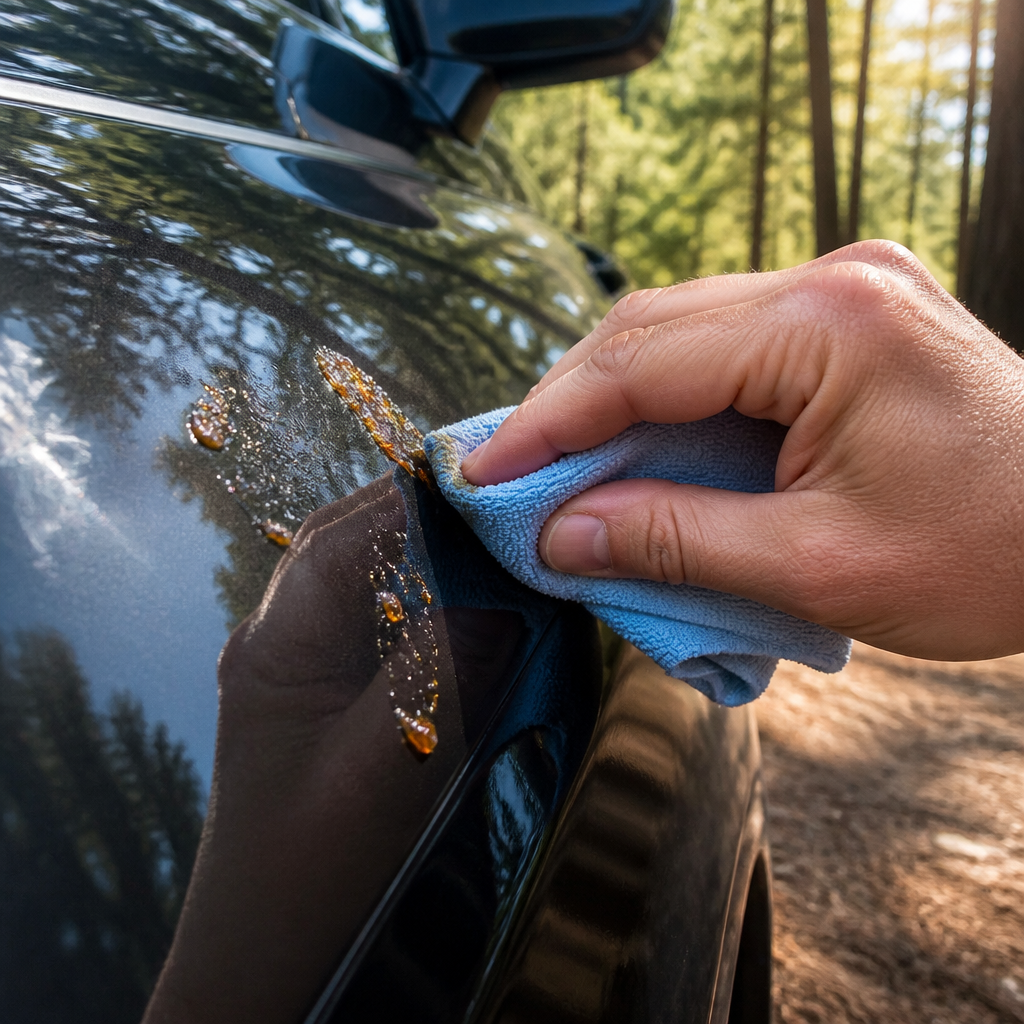
Pine tar, a natural resin produced by pine trees, presents a different challenge compared to petroleum-based tars. It typically appears as sticky amber or brown droplets on vehicles parked under or near pine trees, especially during warm weather when sap flow increases. While often called "tar," its chemical composition is distinct, requiring different removal strategies.
Unlike road or coal tar, pine tar is primarily composed of terpenes, rosin acids, and other natural resins. Because of this, it generally responds better to alcohol-based or oil-based solvents rather than the petroleum-based solvents effective against asphalt-derived tars. Understanding this chemical difference is key to choosing the right product for removal. When I was camping in the Smoky Mountains last spring, my car got covered in pine sap, and I quickly learned that regular tar remover didn't work at all; rubbing alcohol was the way to go.
The University of Georgia Cooperative Extension recommends a straightforward technique: using rubbing alcohol (isopropyl alcohol 70% or higher) or even hand sanitizer. Saturate a microfiber cloth with the alcohol or sanitizer, then press it onto the sap spot for about 30 seconds to soften the resin. After softening, gently rub the area in circular motions until the pine tar lifts away. This method is often effective for fresh sap.
For more stubborn pine tar, or as an alternative gentle approach, many automotive care resources suggest using common household items like peanut butter or mayonnaise. The oils in these products can help break down the resin gently. This method may require a longer application time, typically 15-20 minutes, to allow the oils to work. Afterwards, the area should be thoroughly washed with car soap to remove any oily residue. While potentially slower, this can be a very paint-safe option. I'd recommend the alcohol method first, as it's quicker and less messy in my experience.
Todd Cooperider, a chemical engineer and founder of Esoteric Auto Detail, offers an expert perspective on pine tar's impact on paint. He notes, "Tree sap and pine tar are actually easier on your paint than road tar because they sit on top of the clear coat rather than bonding chemically. The challenge is they harden quickly, so addressing them within a few days prevents the need for aggressive solvents." This insight underscores the importance of timely removal to avoid needing stronger chemicals or more intensive methods.
Prevention is often the best strategy for pine tar. Parking under pine trees during peak sap season, typically late spring through summer, significantly increases exposure. Using a car cover or choosing alternative parking locations during these periods can substantially reduce contamination and save removal effort. By understanding pine tar's unique properties and employing appropriate techniques, you can keep your car free from this sticky natural residue. My car cover has saved me from countless pine sap headaches, especially during springtime camping trips.
How to Remove Bug and Tar from Car
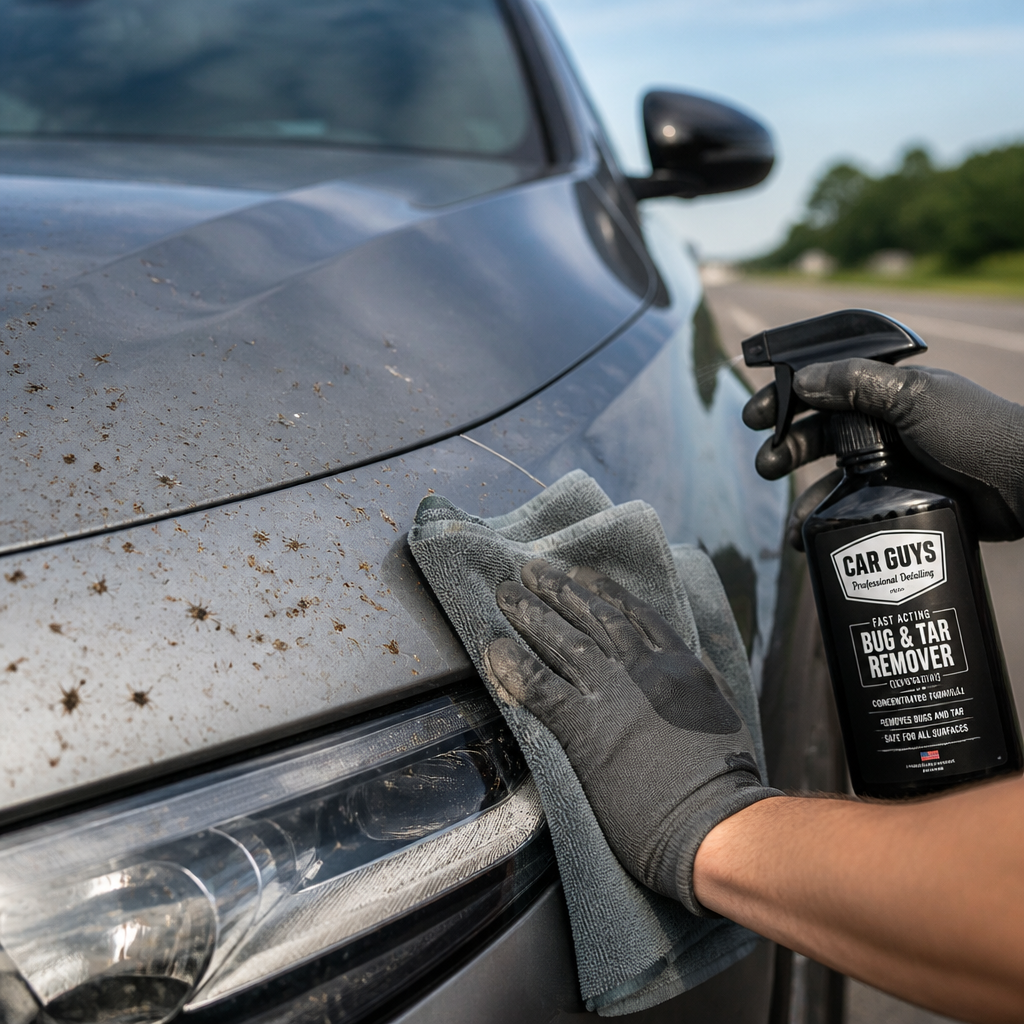
The combination of insect remains and tar on a car's surface is a common challenge, especially for those who frequently drive on highways during warmer months. To address this, dual-purpose automotive cleaning products known as bug and tar removers have been developed. These specialized formulations are designed to dissolve both insect protein residues and petroleum-based tar, using a combination of surfactants, solvents, and sometimes alkaline agents to tackle their different chemical compositions.
Understanding the distinct nature of these contaminants highlights the need for specialized solutions. Insect remains contain acidic enzymes that, if not removed promptly, can etch into a vehicle's clear coat within 24-48 hours. Tar, on the other hand, creates a physical bond with the paint surface. Combination products are engineered to address both the chemical etching potential of bug splatter and the physical adhesion of tar. This dual action makes them highly effective for comprehensive cleaning. I've seen the stubborn rings left by bugs if they're not cleaned quickly after a long summer drive; they can be a real pain to remove.
According to principles of automotive chemistry, effective bug and tar removers typically contain a blend of specific ingredients. Petroleum distillates break down tar, while alkaline cleaners facilitate the breakdown of insect proteins. Surfactants are crucial for lifting both types of residues from the paint surface, ensuring they can be safely wiped away without causing damage. This synergistic blend allows for efficient removal of both contaminants.
The International Detailing Association recommends a specific application method for bug and tar removers to maximize effectiveness and safety. It's best to spray the product onto cool surfaces and out of direct sunlight, as extreme heat can cause the product to evaporate too quickly or react too aggressively. Allow the product to dwell for 3-5 minutes, giving the chemicals time to work. Then, use a soft sponge or microfiber towel for gentle agitation, which helps to loosen the residues. Finally, rinse the area thoroughly with water to remove all product and contaminants.
Comparison tests by various automotive magazines have consistently shown that specialized bug and tar removers are significantly more effective at removing combined insect and tar residues than conventional car wash soaps or general-purpose cleaners. This data supports using dedicated products for these specific contaminations. From my experience, a good bug and tar remover handles both much better than just trying to scrub them off with regular car wash soap.
For vehicles frequently driven on highways, particularly during summer when bug activity and road construction are high, professional detailers often recommend using bug and tar remover weekly. This regular maintenance helps prevent residue buildup and minimizes the risk of paint damage from acidic insect remains. Proactive cleaning can save significant effort and potential repair costs later.
While dedicated bug and tar removers typically have a higher upfront cost than standard car wash soap, their use can lead to significant long-term savings. By preventing etching and staining from bugs and tar, these products can reduce the need for expensive paint correction services, which often range from hundreds of dollars. Therefore, investing in a quality bug and tar remover can be a cost-effective strategy for maintaining your car's finish. I view it as an investment in keeping my car's paint looking new, rather than just an expense.
How Can You Remove Tar from Specific Areas of Your Car?
How to Remove Tar Spots from Car
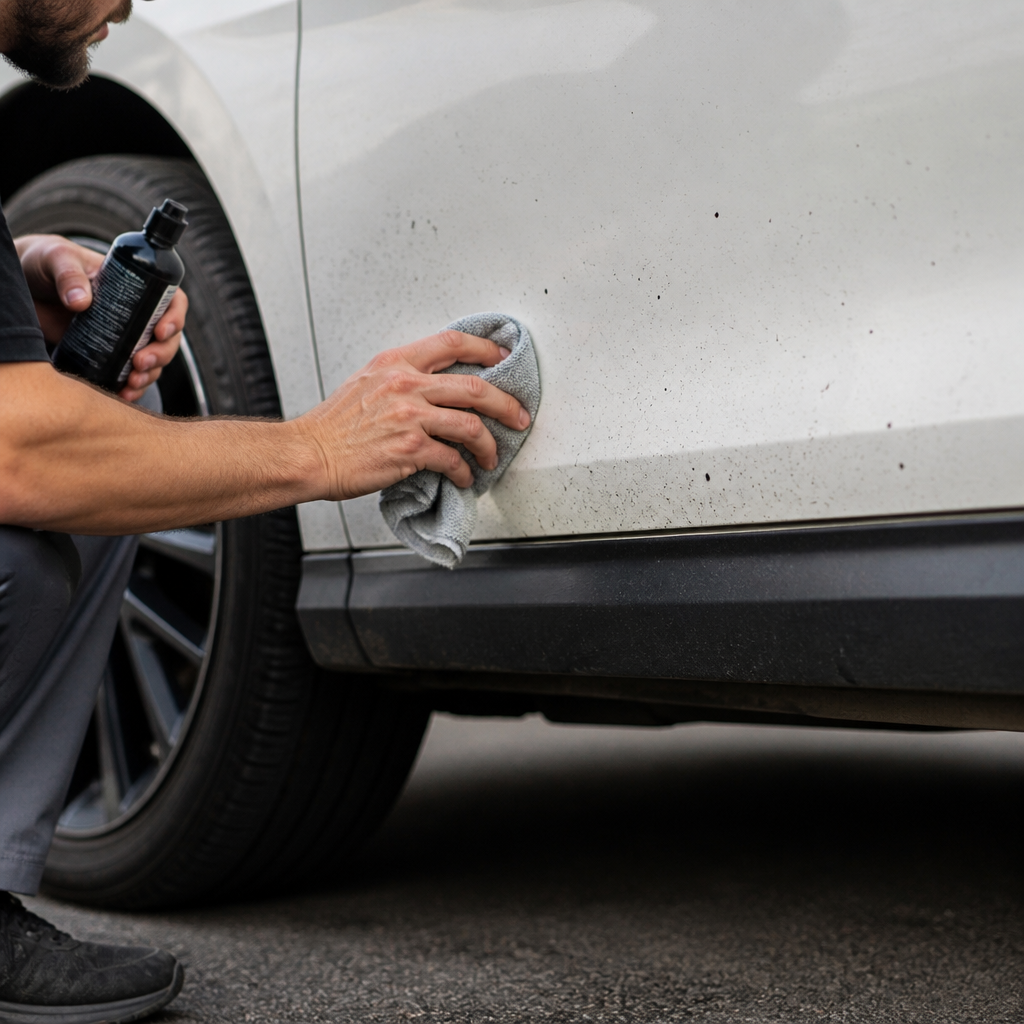
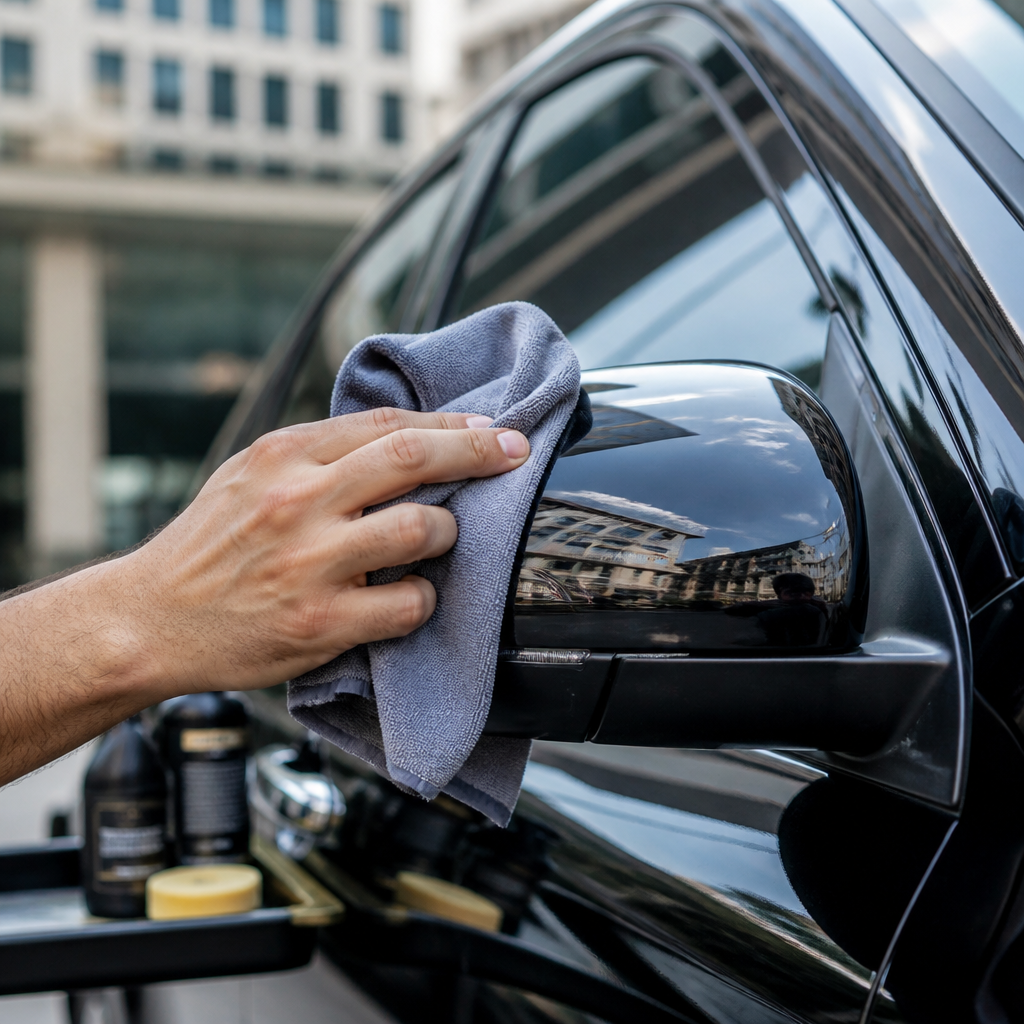
Tar spots are small, concentrated deposits of asphalt or petroleum-based substances appearing as distinct black or dark brown dots on various vehicle surfaces, including paint, glass, and trim. These spots typically range from 1mm to 5mm in diameter. They're common, especially on vehicles that frequently travel on newly paved roads or during warmer weather. Effectively treating these isolated spots is crucial for maintaining a clean and protected vehicle finish.
Tar spots tend to concentrate most heavily on the lower third of vehicle panels. This is primarily due to tire spray patterns, which kick up road contaminants onto these areas during typical driving, particularly on highways. The constant bombardment of small tar particles can quickly lead to an accumulation of these unsightly spots, making the lower body a prime target for regular inspection and cleaning. I always pay close attention to the lower doors and behind the wheel wells; those are hot spots for tar.
For isolated tar spots, detailing professionals often recommend a "targeted application method." Instead of spraying tar remover over a large area, apply the product only to the affected spots using a cotton swab or a small applicator pad. This approach minimizes product waste and reduces exposure of unaffected paint areas to the chemical remover. This precision ensures only contaminated areas are treated, preserving surrounding wax or sealant.
After chemical treatment, detailing clay bars can be an excellent tool for removing any remaining stubborn tar spots. These clay bars are often available in various grades, such as fine or medium, and common weights, typically ranging from 50-80 grams. When using a clay bar, proper lubrication is absolutely crucial to prevent marring the paint. The clay works by gently lifting embedded residues from the paint surface, leaving it smooth. Always ensure the surface is well-lubricated before gliding the clay over it. In my opinion, using a clay bar is often the best way to get that perfectly smooth finish after tar removal.
Yvan Lacroix, a master detailer and founder of Car Cleaning Guru, offers a valuable tip for particularly stubborn tar spots that resist spray removers. He advises, "For stubborn tar spots that don't respond to spray removers, I use a plastic razor blade at a 30-degree angle with plenty of lubricant. Metal blades risk scratching, but plastic blades safely shave off hardened tar without clear coat damage." This technique provides a mechanical advantage for tough spots while prioritizing paint safety.
Professional detailers have observed that treating tar spots immediately after noticing them is significantly more time-efficient than addressing spots left for weeks. Hardened and bonded tar requires considerably more effort and time per panel for effective removal. This reinforces that proactive and timely cleaning can save a great deal of time and effort, preventing minor spots from becoming major detailing challenges. Regular inspection and prompt action are key to keeping your car free of tar spots. From my personal experience, a quick wipe down after a long drive saves me hours of work later on.
How to Remove Tar from Car Windshield
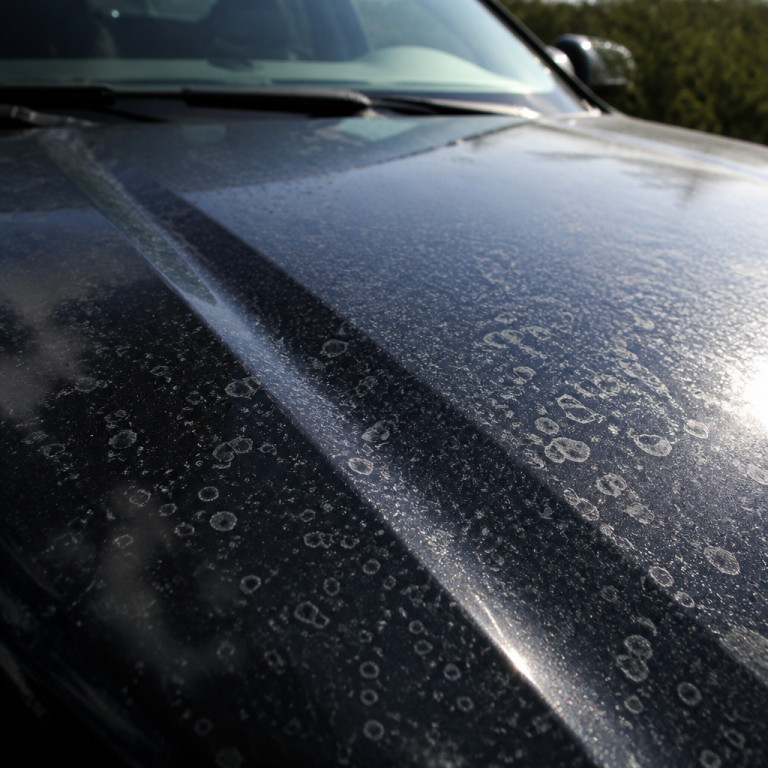
Tar on a car's windshield presents a unique challenge, not just for aesthetics but, more importantly, for safety. It typically appears as dark spots or streaks that can significantly obstruct visibility, especially when sunlight hits the glass at certain angles. Unlike general grime, these tar deposits resist removal by standard glass cleaners, necessitating specialized solvents safe for both the glass and the delicate components of the windshield wiper system.
The National Highway Traffic Safety Administration (NHTSA) strongly emphasizes that any method used for windshield tar removal must not compromise the integrity of the glass or leave behind residues that could smear under wiper action. Clear visibility is paramount for road safety, and impaired visibility can contribute to various crashes. Therefore, choosing the right product and technique is not just about cleanliness, but about ensuring safe driving conditions. I've been in situations where tar spots on my windshield caught the sun just right, making it nearly impossible to see, which is incredibly dangerous.
Automotive glass specialists generally recommend isopropyl alcohol (with a 91% concentration) or dedicated glass tar removers for windshields. These products are preferred over petroleum-based removers because they evaporate completely without leaving oily films. Oily residues can cause wiper chatter, reduce visibility, and create distracting glare, especially at night or in direct sunlight. Always opt for products specifically labeled as safe for automotive glass.
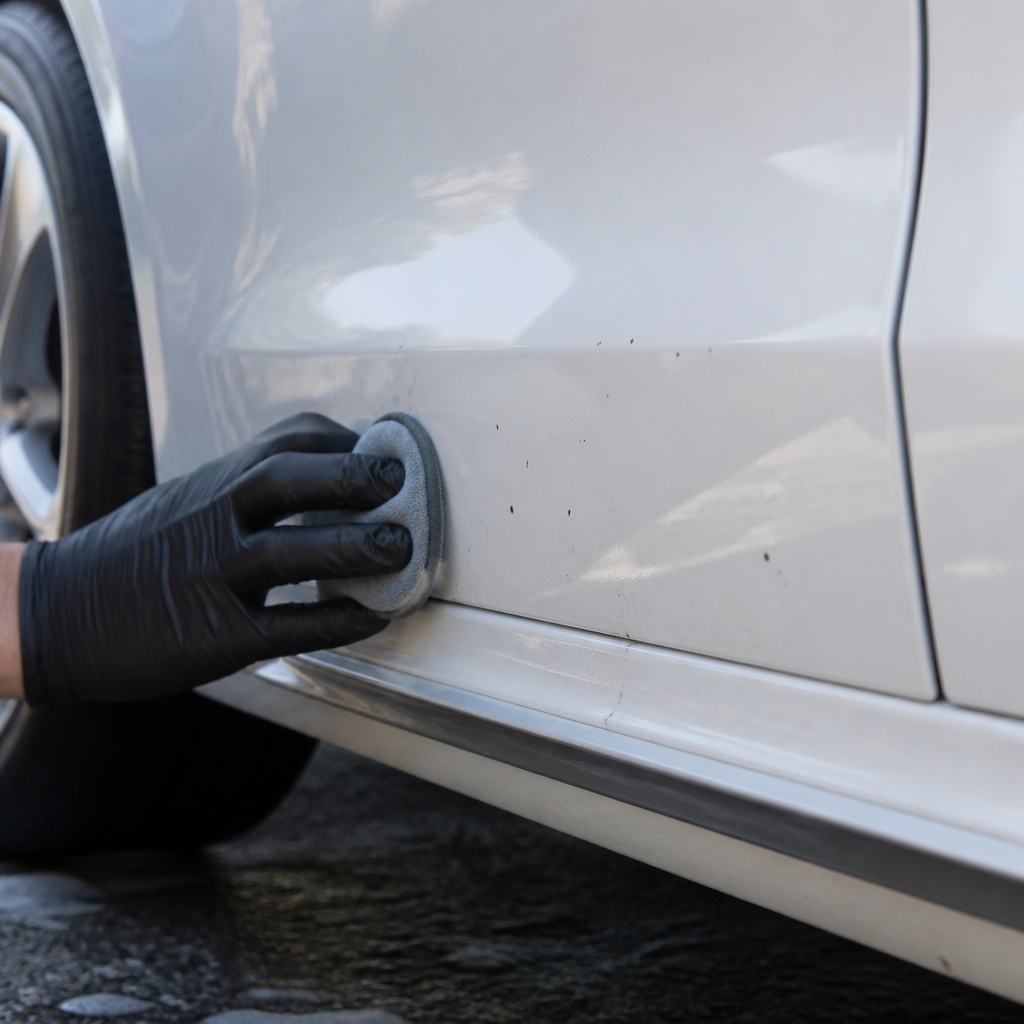
When applying tar remover to the windshield, it's advisable to apply the product to a microfiber cloth first, rather than spraying it directly onto the glass. This technique helps prevent overspray onto wiper blades, rubber seals, and surrounding paintwork. Once the cloth is saturated, gently rub the tar spot until it dissolves. After removal, clean the entire windshield with a high-quality glass cleaner to eliminate any remaining residue and ensure a streak-free finish.
It's also important to consider windshield wiper protection. Contact with tar removers can potentially degrade the rubber components of wiper blades. Therefore, it's advisable to cover or remove wiper blades during tar removal, or meticulously avoid their contact with the product during application. This small step can help extend the life of your wiper blades and maintain their effectiveness. I always lift my wiper blades off the windshield and cover them with a towel when I'm cleaning the glass to be extra careful.
Chris Fix, an automotive DIY expert, offers crucial safety advice for drivers who discover tar on their windshield while on the road. He states, "Windshield tar is particularly problematic because drivers often discover it while driving when sunlight hits at certain angles. _Never attempt removal while driving—pull over safely._ For emergency situations, use glass cleaner and extra elbow grease until you can properly treat it." Prioritizing safety by pulling over is essential before attempting any cleaning.
As a preventive measure, applying a hydrophobic glass coating, such as Rain-X, can create a barrier on the windshield. This coating can help prevent tar from bonding directly to the glass surface, making future removal easier. Additionally, these coatings improve visibility during rain by causing water to bead up and roll off, adding a dual benefit. This proactive step can significantly reduce tar removal hassle and enhance driving safety. I've personally found that hydrophobic coatings make a huge difference, not just for tar but for overall visibility in bad weather.
How Do You Remove Tar from a Car Without Damaging the Paint?
How to Remove Tar from Car Without Damaging Paint
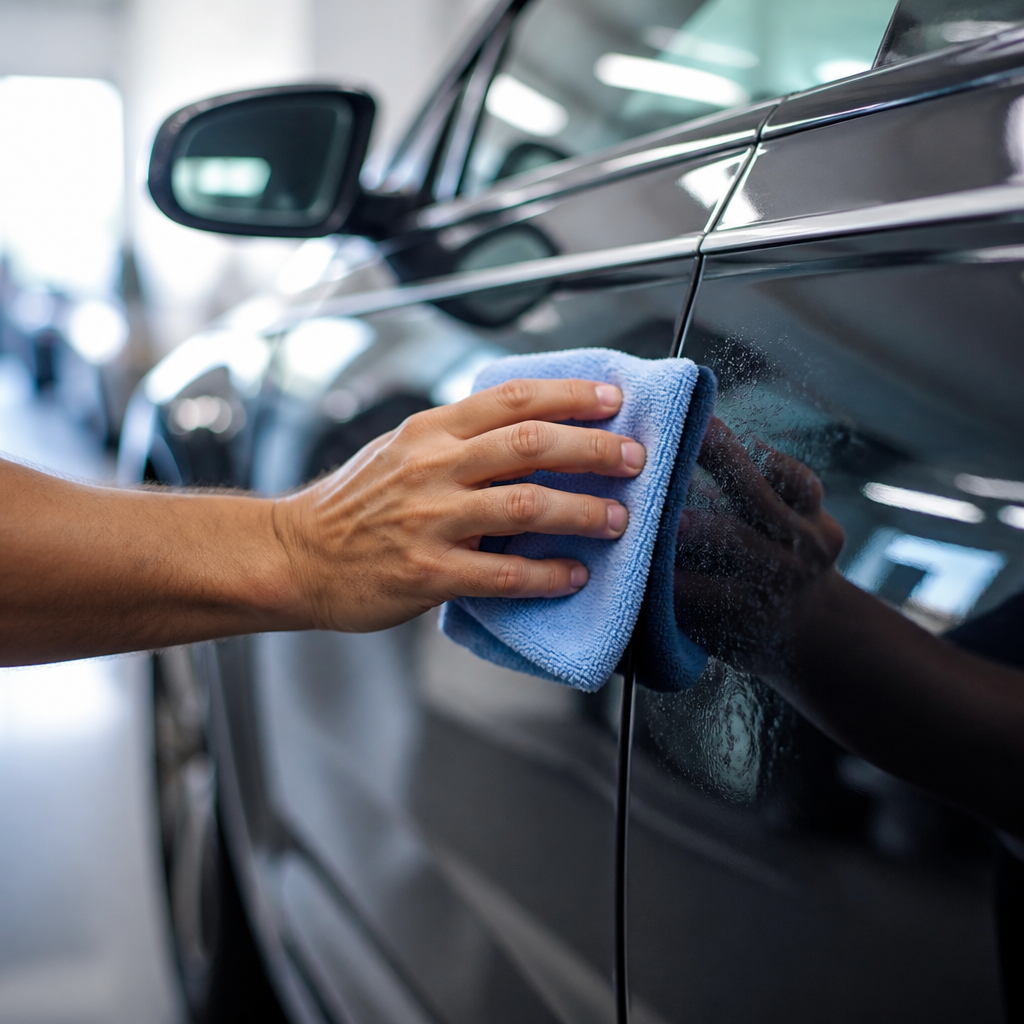
Removing tar from your car's paintwork without causing damage is a primary concern for any vehicle owner. Paint-safe tar removal involves using methods and products that effectively eliminate tar residues while preserving the vehicle's clear coat, base coat, and underlying paint layers. The goal is to avoid any scratching, dulling, or chemical damage that could compromise the finish. Achieving this requires a careful approach and the right materials.
To understand paint-safe removal, it helps to know the structure of modern automotive paint. It typically consists of four main layers: a primer, a base coat (which provides the color), a clear coat (which offers protection and gloss), and often an outermost layer of wax or sealant. The clear coat, usually 1.5-2.5 mils (0.0015-0.0025 inches) thick, is the protective barrier. Tar removal should only affect the outermost contamination without penetrating or harming this crucial clear coat.
Chemical safety is paramount when selecting a tar remover. The Society of Automotive Engineers (SAE) technical standards specify that automotive tar removers should ideally have a pH between 6.5-8.5, indicating a near-neutral formulation. Furthermore, they should not contain harsh chemicals like methylene chloride, acetone, or strong acids, which can etch or soften clear coat finishes. Always check product labels for these specifications to ensure paint compatibility. In my opinion, always reading the label and choosing a reputable brand is the most important first step.
Expert detailers consistently emphasize technique over brute force. Pan the Organizer, a professional detailer and automotive care consultant, advises:
"The biggest mistake people make is using too much force. A proper tar remover should do 90% of the work through chemical action. If you're scrubbing hard, you're either using the wrong product or not allowing enough dwell time—both scenarios risk paint damage."
Before applying any tar remover to a visible area, professional detailers recommend a crucial testing protocol: Always test the product on an inconspicuous area first. A small spot, such as inside the door jamb or on a lower rear panel, is ideal. After application, wait 24 hours to check for adverse reactions, including discoloration, hazing, or texture changes. This simple step can prevent widespread damage to your vehicle's finish. I always test new products, even if they claim to be paint-safe, because every car's paint is a little different.
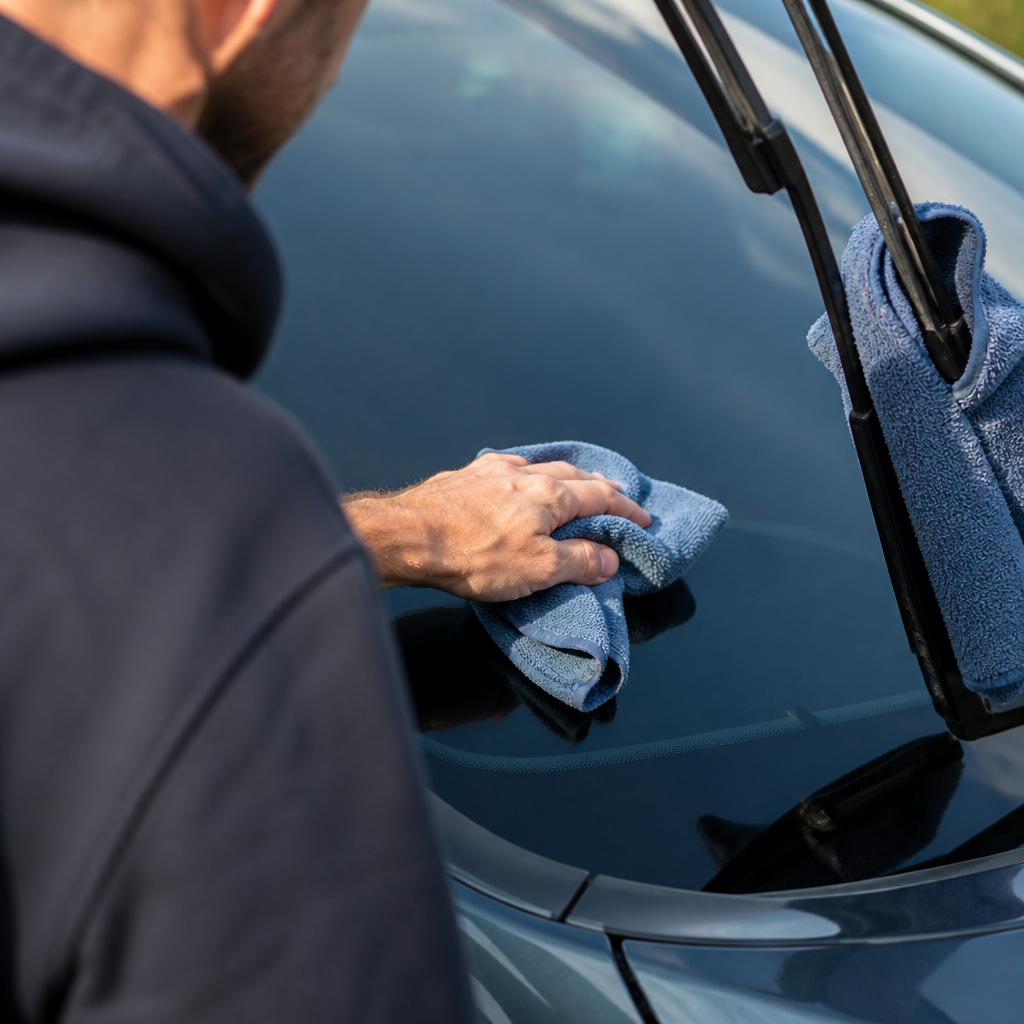
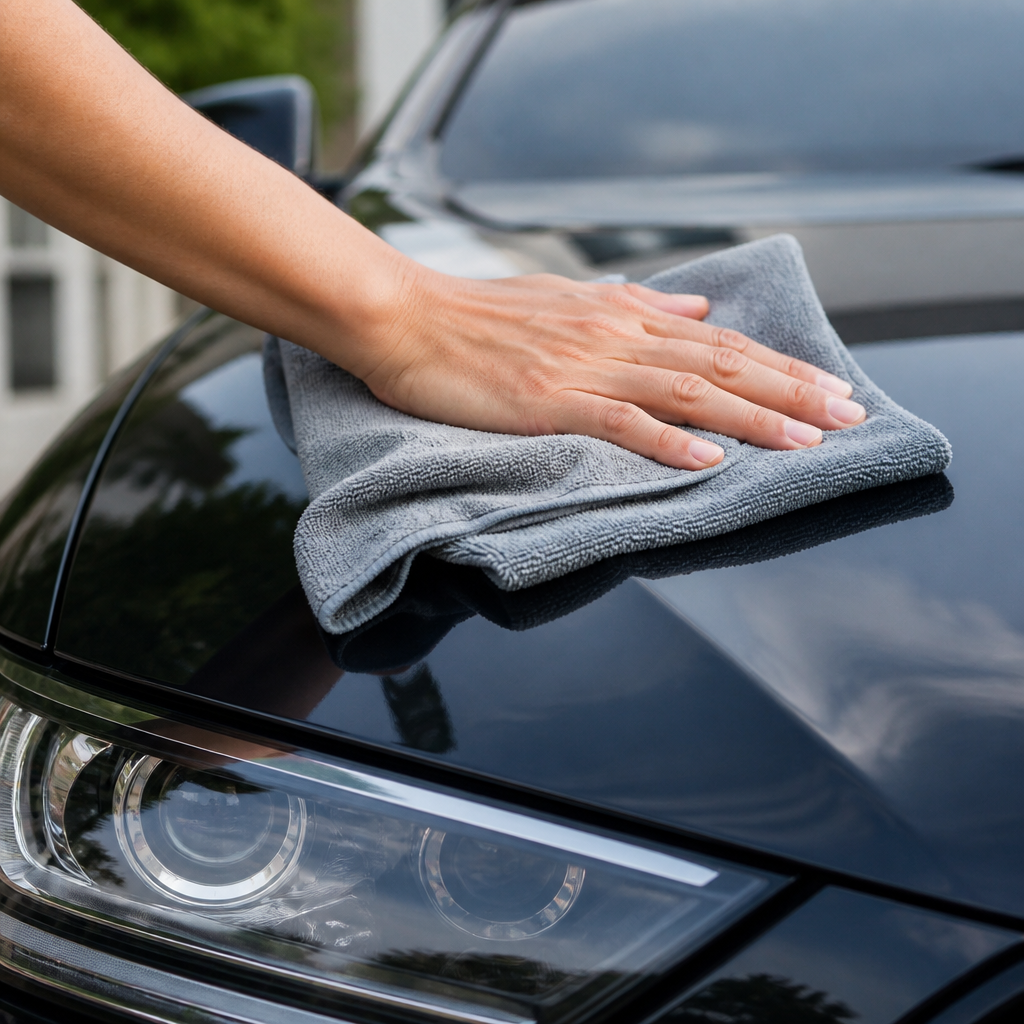
The choice of towel is also critical for paint safety. High-quality microfiber towels, typically those with a density of 300+ GSM (grams per square meter) and a split weave, are essential for minimizing scratch risk during tar removal. Their unique fiber structure lifts and traps particles, rather than dragging them across the paint surface, which can happen with cotton towels or paper products. Always use clean, soft microfiber towels for wiping.
After successfully removing tar, the affected area will likely have reduced wax or sealant protection. Automotive paint specialists recommend immediately applying a spray wax or sealant to restore this protective barrier. This step is crucial to prevent water spots or further contamination in the now-exposed clear coat, ensuring long-term paint health. I always follow up with a quick spray wax; it's a small step that makes a big difference in maintaining shine and protection.
Temperature also plays a role in the effectiveness and safety of tar removers. These products are generally most effective and safe when applied within a moderate temperature range, typically 60-80°F (15-27°C). _Be aware that extreme heat can cause solvents to evaporate too quickly or react too aggressively_, potentially leading to streaks or paint issues, while cold temperatures can reduce their effectiveness.
While chemical tar removers are widely accepted as safe and effective when used correctly, some detailing practitioners advocate for purely mechanical methods, such as clay bars with heavy lubrication. They argue that any solvent use, even mild ones, may strip protective wax layers. However, this mechanical-only approach typically requires significantly more time and skill to avoid potentially marring the paint surface, especially for extensive tar contamination. Ultimately, a balanced approach, often combining chemical dissolution with gentle mechanical refinement, is frequently recommended for optimal results without paint damage.
—
Effectively removing tar from your car is vital for maintaining its appearance and protecting its paintwork. By understanding the different types of tar—road tar, coal tar, pine tar, and bug-tar combinations—and employing appropriate, paint-safe removal techniques, you can keep your vehicle looking its best. Always prioritize safety by using proper ventilation and protective gear, and remember that timely action, the right products, and gentle application are key to successful tar removal without causing damage. Regular inspection and prompt treatment can save significant time and effort, ensuring your car's finish remains pristine for years to come.
FAQ
Q: Why is it important to remove tar from my car promptly?
A: Tar becomes harder to remove the longer it sits on your car's paint. UV exposure and heat can cause it to bond more strongly with the clear coat layer, making removal more challenging and potentially increasing the risk of damage if not addressed in a timely manner. In my experience, waiting even a few days can make the job twice as hard.
Q: Can I use household solvents like paint thinner to remove tar from my car?
A: It's generally not recommended to use household solvents like paint thinner. Experts advise using products specifically designed for automotive finishes. Household solvents can strip protective wax layers and potentially damage your car's clear coat, leading to dullness or etching. I've seen firsthand the damage these harsh chemicals can do to a car's finish.
Q: What is the "clay bar method" and when should I use it for tar removal?
A: The "clay bar method" is a detailing technique often used after chemical tar removal. You spray a lubricant on the surface and gently rub a detailing clay bar over any remaining tar spots in straight lines. This method helps lift embedded contaminants, including stubborn tar residues, from the paint surface, leaving it smooth. I find it perfect for getting that super smooth, "glass-like" feel on the paint after chemical removal.
Q: Are there any specific safety precautions I should take when removing tar?
A: Yes, safety is important. Many tar removers contain volatile organic compounds (VOCs), which are chemicals that easily vaporize. It's recommended to work in a well-ventilated area and wear protective gloves during application to avoid skin contact and inhalation of fumes. I always make sure to work outside or in a very open garage, and I never skip my gloves.
Q: How can I prevent tar from sticking to my car in the first place?
A: While complete prevention can be difficult, especially with road tar, you can reduce exposure. For pine tar, avoid parking under pine trees during peak sap season or use a car cover. For road tar, applying a quality wax or sealant to your paint can create a sacrificial barrier, making tar less likely to bond directly and easier to remove when it does occur. A good ceramic coating or a fresh layer of wax on my car always gives me peace of mind on freshly paved roads.

Jake Morrison writes about DIY car care at CarCareNote. He’s been detailing cars in his Ohio driveway for over a decade and shares what actually works at home.