How to Remove Bugs from Car: 7 Proven Tips That Work
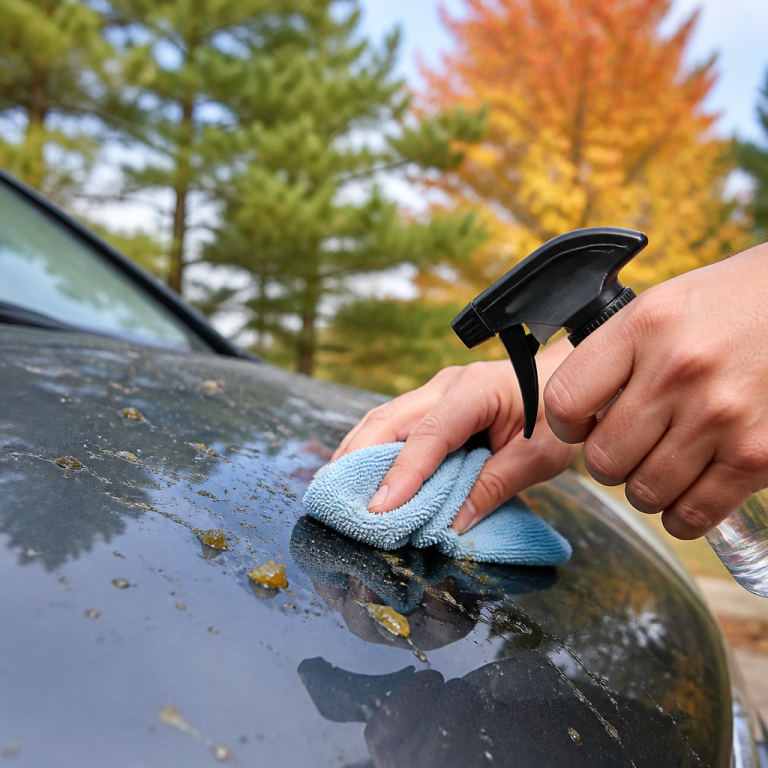
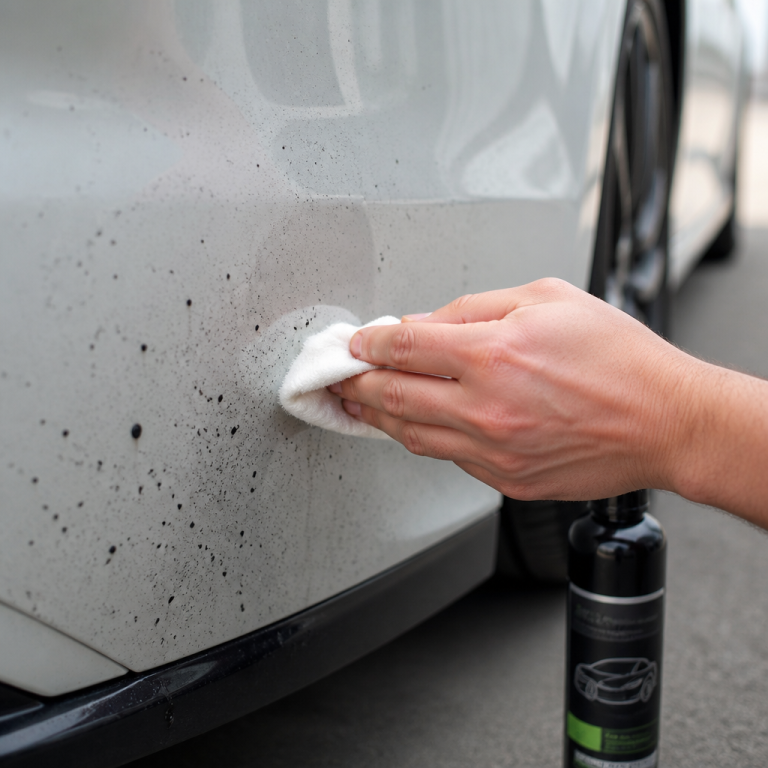
I remember one particularly long road trip last summer, driving my trusty old Toyota Corolla across the plains to visit family. By the time I pulled into the driveway, the front of my car, especially the bumper and windshield, looked like it had bravely charged through a swarm of insects. It wasn't just a messy sight; I knew from past experience that this bug splatter was more than just a nuisance. That sticky, crusty residue, though seemingly minor, can actually threaten your car's shiny finish. Removing these insect remains isn't just about making your car look good again; it's an essential process to protect the paint. Those tiny bug guts contain acidic proteins and enzymes that, if left on too long, can eat into your car's paint, sometimes permanently, in just a day or two. Understanding how quickly you need to act and using the right cleaning methods are super important for keeping your car looking great and protecting its paintwork.
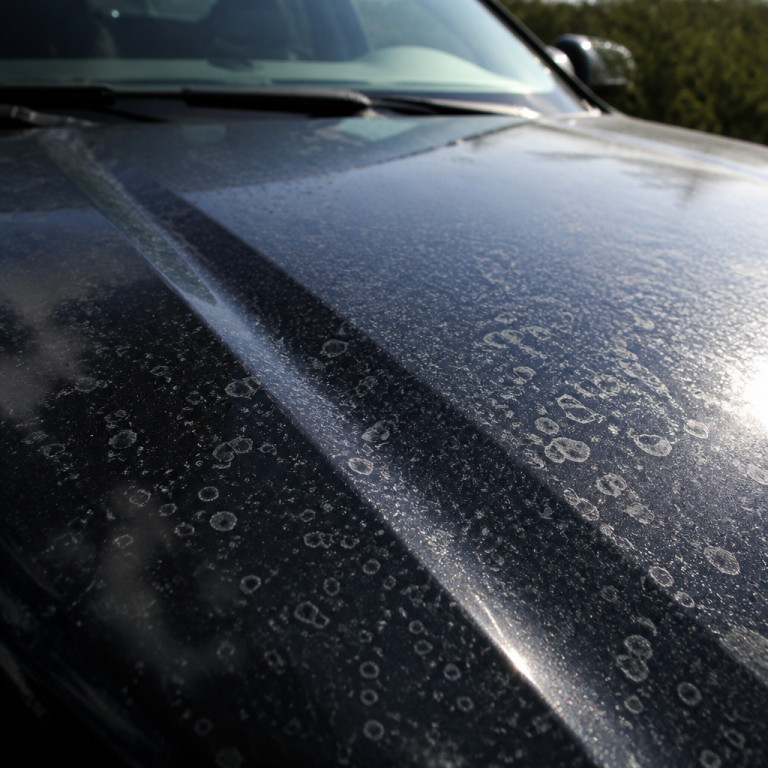
Bug splatter isn't just annoying; it's a bit like a tiny acid attack on your car. Its "pH level"—a measure of how acidic or basic something is—is usually between 4.0 and 6.0. This is acidic enough to potentially etch, or lightly burn, through your car's "clear coat" (the thin, clear protective layer on top of the colored paint) within 48 hours, especially when it's warm, like above 70°F (21°C). Environmental factors, like strong sunlight, can make this chemical reaction even worse. A study by the Society of Automotive Engineers (SAE) even found that insect proteins can chemically "bond" with car paint when they get hot and are exposed to UV rays, a process called protein denaturation. This bonding makes them much harder to remove if you don't tackle them within the first 24 hours.
Automotive detailing pros, the folks who make cars look showroom-ready, always stress how important it is to act quickly.
"The biggest mistake car owners make is waiting too long to remove bug splatter. The combination of acidic insect proteins and summer heat creates a chemical reaction that etches into the clear coat, causing permanent staining that cannot be buffed out."
This expert advice from popular automotive detailing expert Chris Fix highlights why you need to tackle bug residue fast. The parts of your car that get hit the most, especially during highway driving, are usually the front bumper, the hood, side mirrors, and the windshield, because they take the direct impact. To truly prevent paint damage, the International Detailing Association (IDA) suggests getting rid of bug residue within 24 hours of it appearing. Knowing this can help car owners approach the task with the right mindset and urgency to keep their vehicle's finish in top shape.
How to Remove Bugs from Different Car Surfaces
Effectively clearing bug residue means understanding the different surfaces on your car, as each material might react differently to cleaners and cleaning methods. Tailoring your approach for each area helps ensure you get everything clean without causing any damage.
How to Remove Bugs from Car Paint
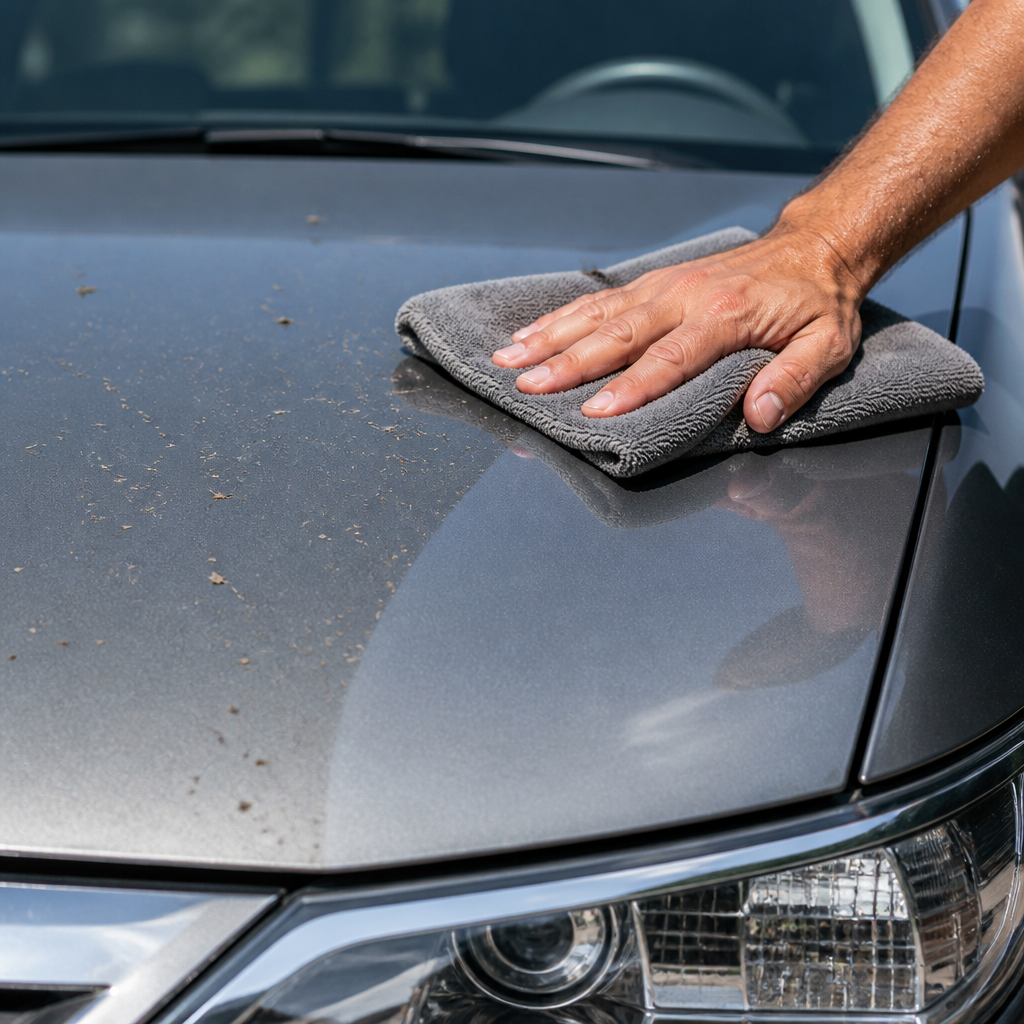
Cleaning insect remains from car paint involves using special cleaning products or techniques designed to break down and lift insect proteins from your car's painted surfaces without harming the clear coat or the paint underneath. Car paint typically has three layers: a "primer," a "base coat" for color, and a "clear coat" for protection and shine. Bug residue mainly affects this clear coat, which is quite thin—usually about 1.5-2.0 mils (0.0015-0.002 inches) thick. Because this protective layer is so delicate, picking the right cleaning products is crucial.
Scientific studies suggest that "alkaline cleaners" are good at breaking down insect proteins without harming your car's clear coat, while acidic cleaners might actually cause more etching. This shows why using products with the right pH level is important. When you're actually cleaning, I always use what's called the "two-bucket method"—one for soapy water and another for rinsing—along with soft microfiber towels. This method greatly reduces the chance of scratching compared to just using one bucket.
Many effective bug and tar removers contain "d-limonene," a citrus-based ingredient known for dissolving insect proteins. However, how you apply them is just as important as the product itself. According to professional detailer Larry Kosilla, you should "_never use abrasive materials like steel wool or harsh scrubbing pads on automotive paint._" He advises letting a dedicated cleaner dwell for 3-5 minutes before gently wiping. An effective process for clearing away bugs usually follows these steps:
- Rinse the surface with water to remove any loose dirt.
- Spray a specialized bug cleaner onto the affected area and let it sit for 3-5 minutes. This "dwell time" gives the product enough time to soak in and break down the bug proteins.
- Gently rub the residue with a clean microfiber towel using straight-line motions.
- Rinse the area thoroughly to remove all the product and the loosened bug bits.
- Follow up with a full wash using car soap and apply a wax or sealant for extra protection.
Using warm or hot water (but not boiling!) can also boost the cleaning power by up to 40% compared to cold water, as it helps soften those dried insect proteins.
How to Remove Bugs from Car Hood
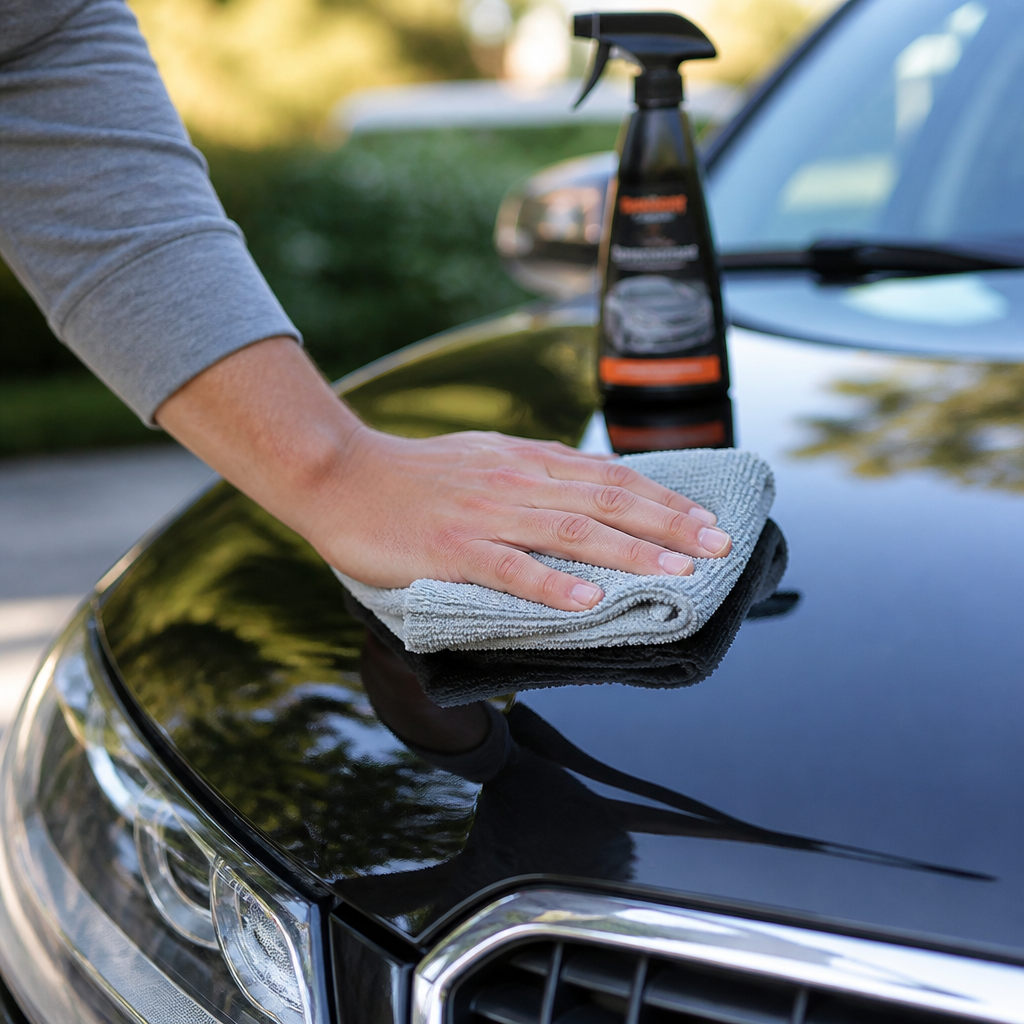
The car hood, being the main front-facing flat surface, gets a lot of bugs. Addressing bug accumulation on the hood deals with the heavy splatter from driving, which happens because of its position and how air flows over the car. The front edge of the hood, in particular, tends to collect far more bug impacts than the middle part due to air pressure at highway speeds.
Given how many bugs gather on the hood, it's often a good idea to be proactive. "Pre-soaking" the hood with a specialized cleaner for 5-10 minutes before a full wash can be very effective. This gives the cleaning agents plenty of time to soak in and soften the dried bug residue, meaning you won't have to scrub aggressively.
For actually removing the softened bug residue, certain tools can be helpful. "Bug sponges," which often have a fine mesh netting, are designed specifically for this task. When used with enough lubrication—like a bug remover spray or car wash soap—these sponges provide a gentle rubbing action that can lift dried insects without scratching the paint surface. The mesh design helps to capture the bug remains, stopping them from being dragged across the paint.
How to Remove Bugs from Car Windshield
Clearing insects from the windshield focuses on cleaning residue from the glass surfaces of your car. The main goal is to ensure your vision is perfectly clear without scratching or damaging the glass itself, or any special coatings the windshield might have. Modern windshields often come with features like water-repelling coatings or UV protection that can be easily damaged by harsh cleaners or incorrect techniques.
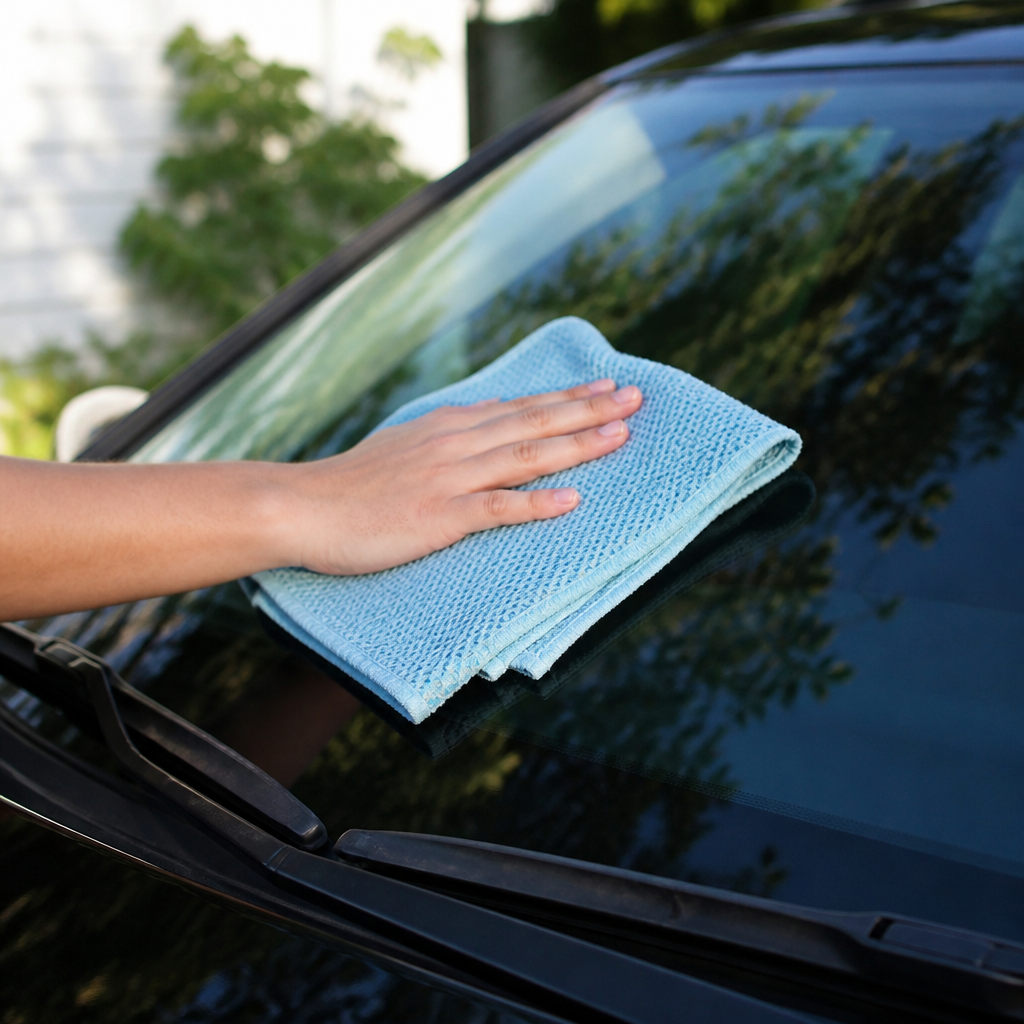
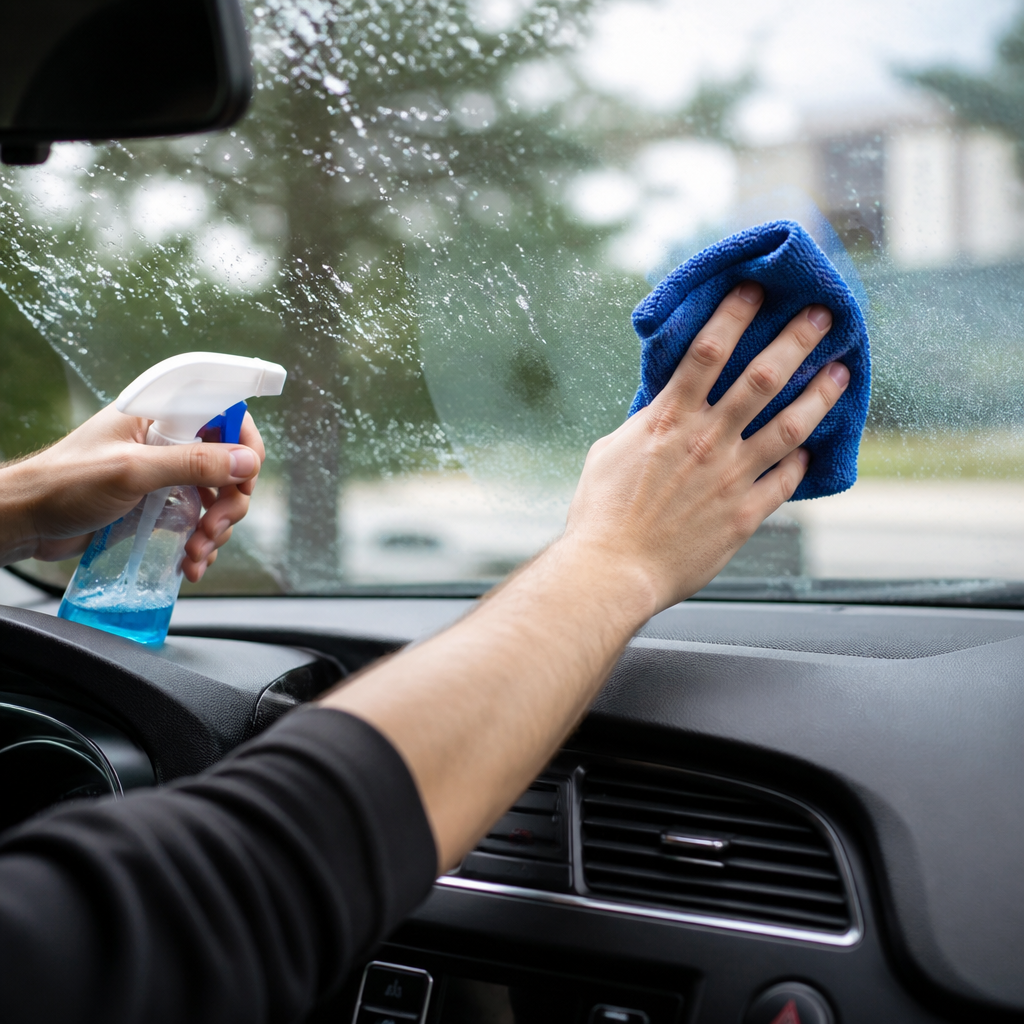
Car glass, while generally tougher than paint, still needs a gentle touch. It's usually rated at 5.5-6.0 on the Mohs hardness scale, meaning it's less likely to scratch than the clear coat, but it's not indestructible. For safe and effective cleaning, I always recommend glass-specific bug removers or a diluted white vinegar solution (half vinegar, half water). It’s important to avoid certain things, like using your windshield wipers to scrape off dried residue, as this can scratch the glass and damage the wiper blades.
When it comes to tools, "microfiber glass towels" with a "waffle-weave" pattern are especially effective for achieving a streak-free finish. Beyond just looking good, a clean windshield is incredibly important for safety. Research by the AAA Foundation for Traffic Safety shows that clean windshields can improve how well you see at night by up to 34%. Bug residue on the glass can cause glare and scatter light from oncoming headlights, making it much harder for a driver to see clearly.
Step-by-Step Methods for Removing Bugs from Your Car
When you're dealing with bug residue on your car, how you tackle it depends on whether the splatter is fresh or already dried, and how badly you want to avoid scratching the paint. Knowing the best methods for each situation can help you get a clean, damage-free finish.
How to Remove Dried Bugs from Car
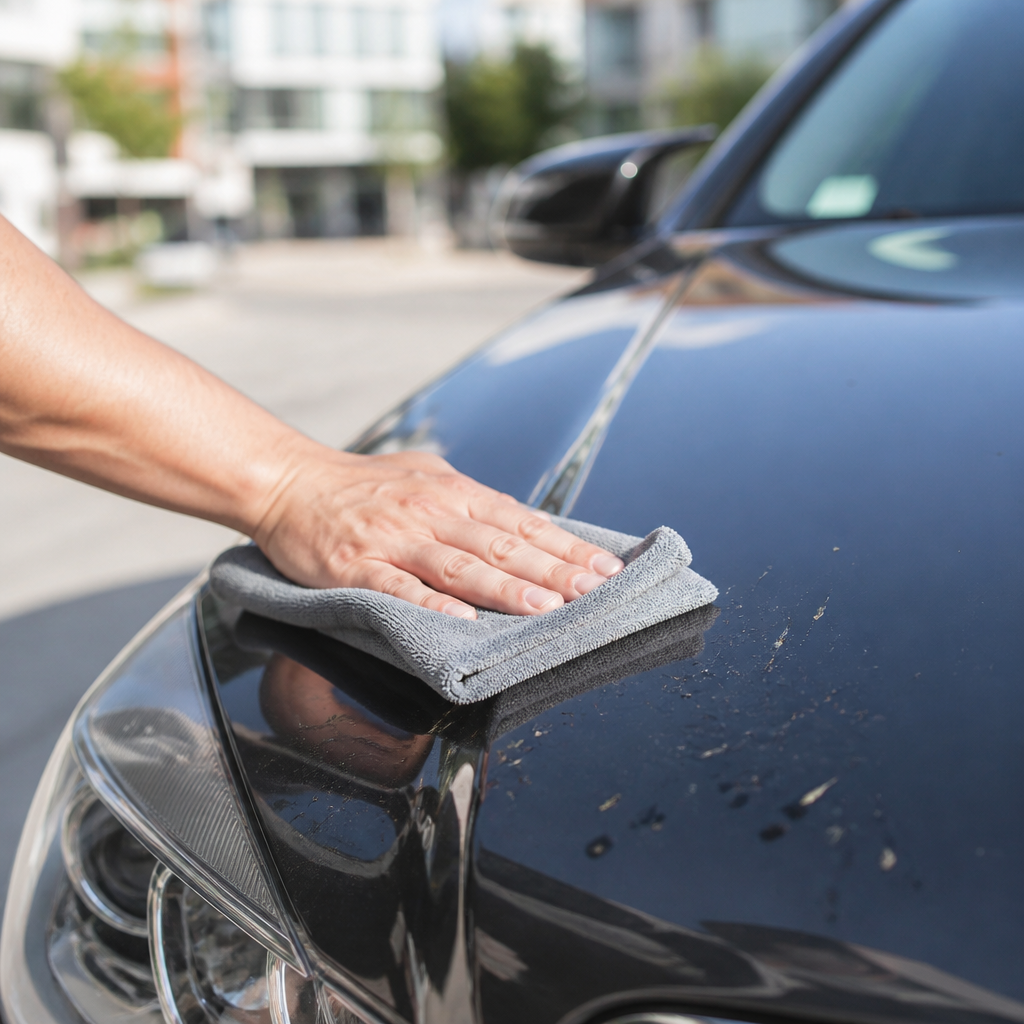
Tackling dried bugs means dealing with insect residue that has hardened and chemically bonded to your car surfaces. This kind of residue usually needs a more intense and patient approach. The tough part about dried bugs is how stubbornly they stick; dried bug residue becomes 5-7 times harder to remove after just 48 hours because the proteins inside them change and bond strongly as moisture evaporates.
Insect proteins change their structure when they dry, forming strong bonds with the car's clear coat. These bonds mean you really need to use "enzymatic" or "solvent-based" cleaners to break them down effectively. Just scrubbing dried bugs without proper preparation can easily scratch the paint, since the hardened insect shells can be quite abrasive.
For particularly stubborn dried bugs, professional detailer Pan The Organizer suggests the "wet towel method." He advises soaking a microfiber towel in hot water mixed with a quality bug remover, laying it over the affected area for 10-15 minutes to rehydrate the residue, and then gently wiping. This prevents the aggressive scrubbing that causes scratches. Another really effective alternative is using a "clay bar treatment," which uses a special lubricant and detailing clay to mechanically lift contaminants from the paint surface. As a very last resort, you can use "isopropyl alcohol" (70%), but know that it can strip protective coatings. _If you use this method, you should immediately follow it up by reapplying wax or sealant to bring back the protection to that area._ Patience and proper preparation are truly key to safely removing dried bug splatter.
Can You Remove Bugs from a Car Without Scratching?
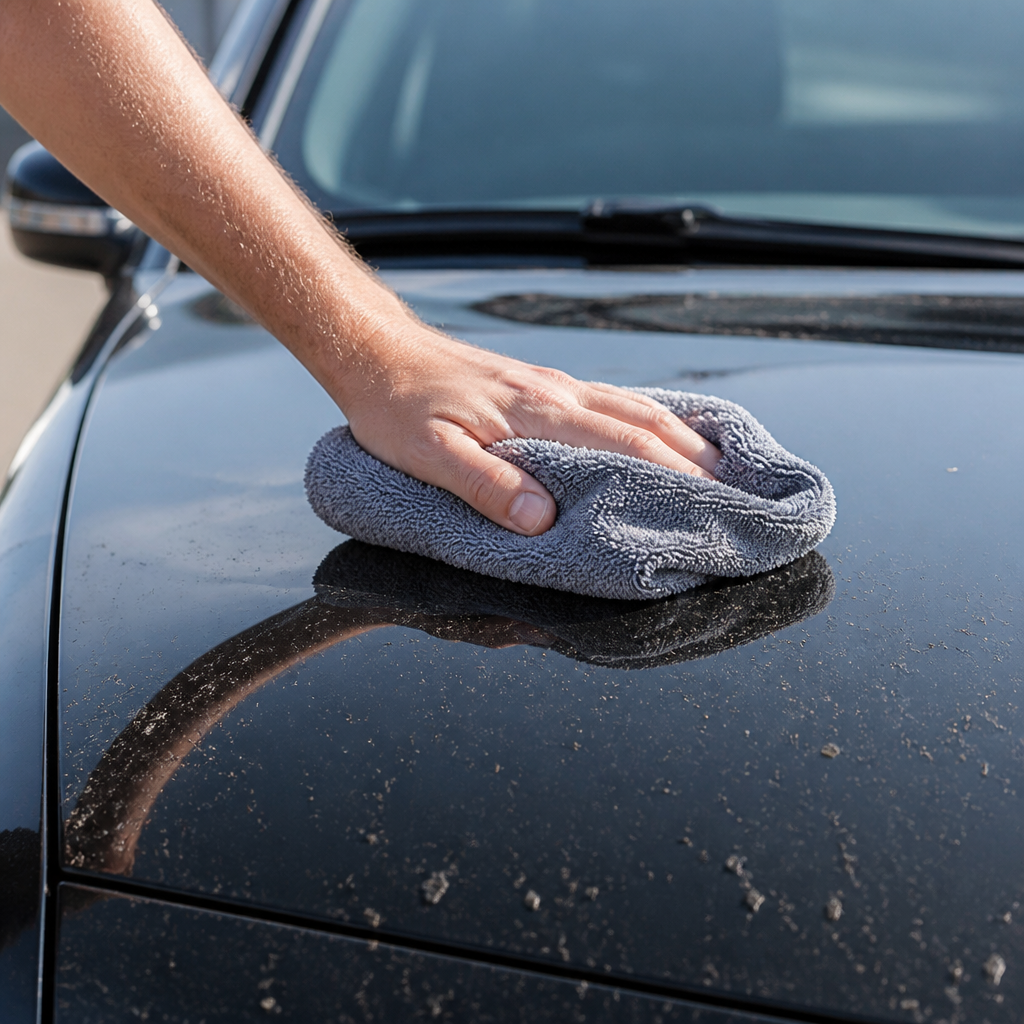
Cleaning your car of bugs without scratching it is a very important part of car care. This means using techniques and products specifically made to lift insect residue while keeping your car's clear coat perfect. Tiny scratches in the clear coat usually occur when hard particles are dragged across the surface. Dried bug shells contain "chitin," which has a hardness between 2.5-3.0 on the Mohs scale, putting them right at the edge of being able to scratch if you don't remove them carefully.
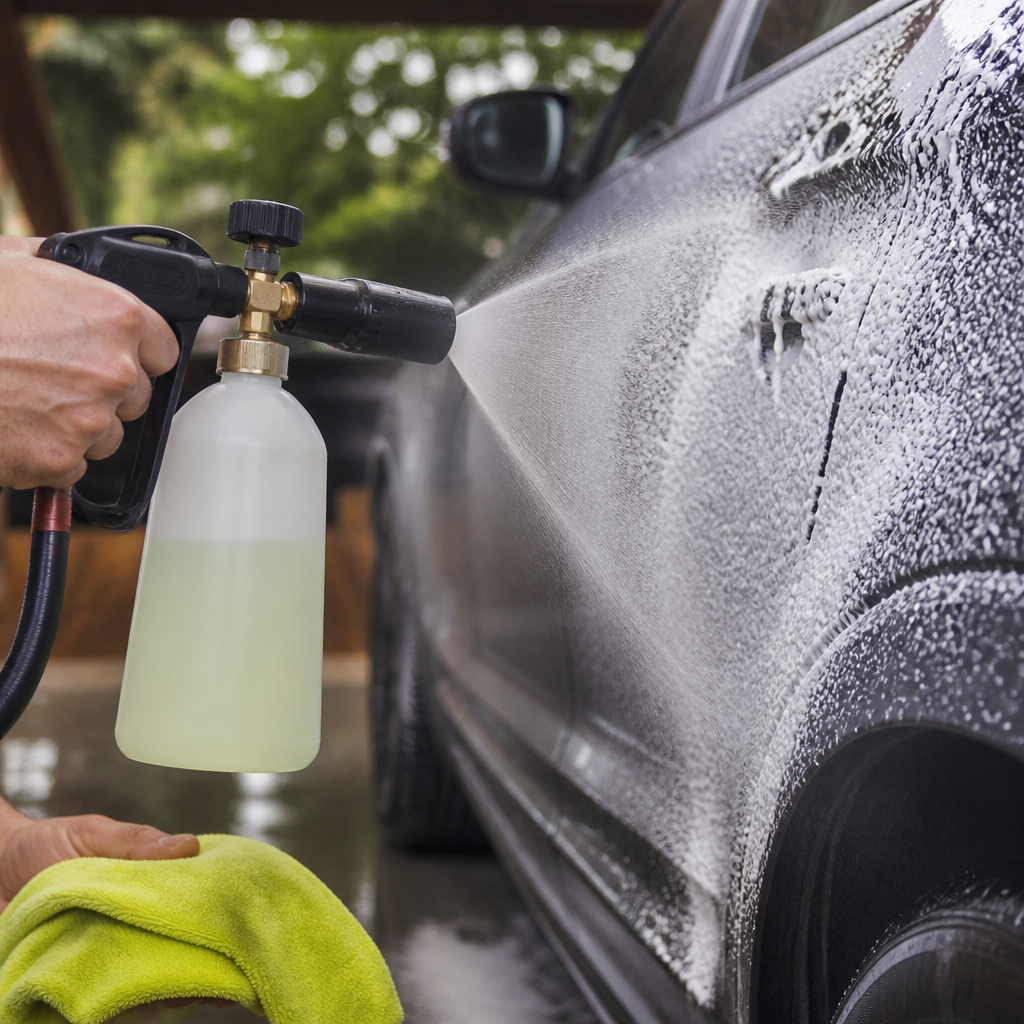
To minimize physical contact and reduce the risk of scratches, I highly recommend the "no-touch" method. This involves using foam cannons or pressure washers with a bug-removing foam. The thick foam sticks to the surface, soaking and softening the bug residue, allowing much of it to be rinsed away without any scrubbing. When you do need physical contact, microfiber towels with a "GSM" (grams per square meter) rating of 300-400 are ideal. Using proper lubrication during the cleaning task significantly reduces friction.
Temperature also plays a critical role. Always work on a cool surface, ideally in the shade. High surface temperatures make cleaning solutions evaporate quickly, which reduces lubrication and significantly increases the risk of scratching. Finally, "pH-neutral" cleaners are considered safe for all car surfaces and reduce the risk of chemical etching, ensuring that your cleaning process is gentle on your car's finish.
Best Products and Prevention Tips for Bug Removal
Keeping your car clean and bug-free means not only knowing how to remove them effectively but also choosing the right products and taking steps to prevent them in the first place. A smart approach can save you time and protect your car's finish in the long run.
What are the Best Products to Remove Bugs from a Car?
Specialized insect cleaners are formulas designed to dissolve insect proteins, break down acidic compounds, and lift residue from your car's surfaces without causing harm. The market for car cleaning products is large, meaning there are many options available. Choosing the right product depends on how bad the bug splatter is, the surface you're cleaning, and whether you prefer commercial, natural, or professional-grade solutions. Below is a comparison of some highly-rated options.
| Product | Best For | Key Feature |
|---|---|---|
| Meguiar's Gold Class Bug & Tar Remover | All-around use | Safe on all exterior surfaces |
| 50/50 White Vinegar & Water | Budget/Natural cleaning | Inexpensive and effective on fresh bugs |
| CarPro TarX | Stubborn, dried residue | Professional-strength formula |
| Simple Green (1:10) | Budget-friendly cleaning | Cost-effective multi-purpose cleaner |
| Griot's Garage Bug & Smudge Remover Wipes | On-the-go cleaning | Convenient, pre-moistened wipes for travel |
It's worth noting that products containing "petroleum distillates" are often among the most effective at dissolving bug residue. However, _these powerful cleaners can strip away existing wax and sealants_, meaning you'll need to reapply those protective coatings after using them. This is an important consideration for keeping your car protected long-term.
How to Prevent Bugs from Sticking to Car
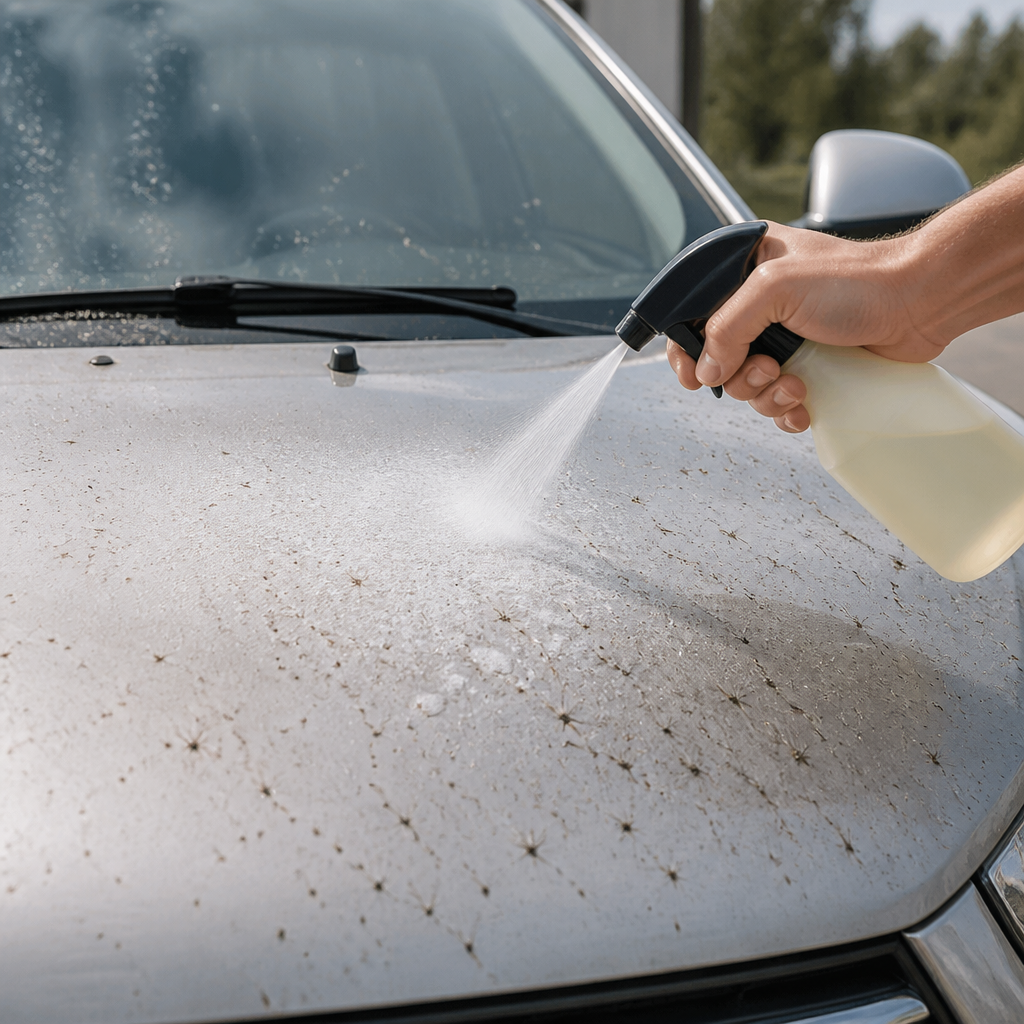
Preventing bug accumulation involves putting on protective coatings or using specific driving strategies that either make it harder for insects to stick to your car or make cleaning them off much easier later. Research shows that "hydrophobic" (water-repelling) surfaces can significantly reduce how well insect proteins stick.
One of the most effective product solutions is "ceramic coatings." These advanced coatings create a super tough, hydrophobic protective layer, which greatly reduces the ability of bug proteins to bond with the clear coat. For a more accessible solution, spray waxes and sealants applied to the front of the vehicle before trips create a "sacrificial barrier."
Professional detailer Scott HD advises that the best prevention is a properly maintained wax or ceramic coating on your paint. He recommends applying a spray sealant to the front bumper, hood, and mirrors before any long highway drive. Another strong alternative is applying "paint protection film (PPF)," or a "clear bra," to high-impact areas. Beyond products, adjusting your driving times to avoid dawn and dusk, when insects are most active, can also help reduce bug accumulation. A consistent maintenance schedule is important; reapplying spray wax or sealant every 2-4 weeks is recommended to keep your car's defenses strong.
—
Effectively removing bugs from your car is a crucial part of vehicle maintenance that goes beyond just making it look good. By understanding that bug splatter is acidic and can damage paint, car owners can take smart steps to protect their investment. Using the right products and methods for different surfaces, like paint, the hood, and the windshield, ensures a thorough cleaning without causing scratches or damage. What’s more, using preventative measures like protective coatings and smart driving habits can significantly reduce how much bugs stick and make future cleanups much simpler. Instantly improve your car's appearance and protection by tackling bug splatter the right way.
FAQ
Q1: Why is it important to remove bug splatter from my car quickly?
A1: Bug splatter contains acidic proteins and enzymes that can chemically bond with and etch through your car's clear coat (the protective top layer of paint) within 24-48 hours, especially in warm weather. Prompt removal helps prevent permanent paint damage and staining.
Q2: What is the best way to remove dried bugs from car paint without scratching it?
A2: For dried bugs, the "wet towel method" is highly recommended. Soak a microfiber towel in hot water mixed with a bug remover, lay it over the affected area for 10-15 minutes to rehydrate the residue, then gently wipe. This softens the bugs, reducing the need for aggressive scrubbing that can cause scratches.
Q3: Can I use household cleaners like white vinegar to remove bugs from my car?
A3: Yes, a 50/50 mixture of white vinegar and water can be an effective and affordable natural alternative for removing fresh bugs, particularly from windshields. However, it may require a slightly longer dwell time (time to soak) than commercial bug removers.
Q4: What products can help prevent bugs from sticking to my car in the first place?
A4: Applying protective coatings such as ceramic coatings, spray waxes, or sealants to the front of your vehicle can create a slick, water-repelling barrier that reduces bug adhesion and makes subsequent removal much easier. Paint protection film (PPF) also offers a physical barrier.
Q5: Are there any specific tools recommended for bug removal from car windshields?
A5: For windshields, it's recommended to use glass-specific bug removers or diluted white vinegar. Microfiber glass towels with a waffle-weave pattern are ideal for achieving streak-free results and effectively lifting bug residue without scratching the glass. Avoid using windshield wipers on dried bug residue, as this can cause damage.

Jake Morrison writes about DIY car care at CarCareNote. He’s been detailing cars in his Ohio driveway for over a decade and shares what actually works at home.