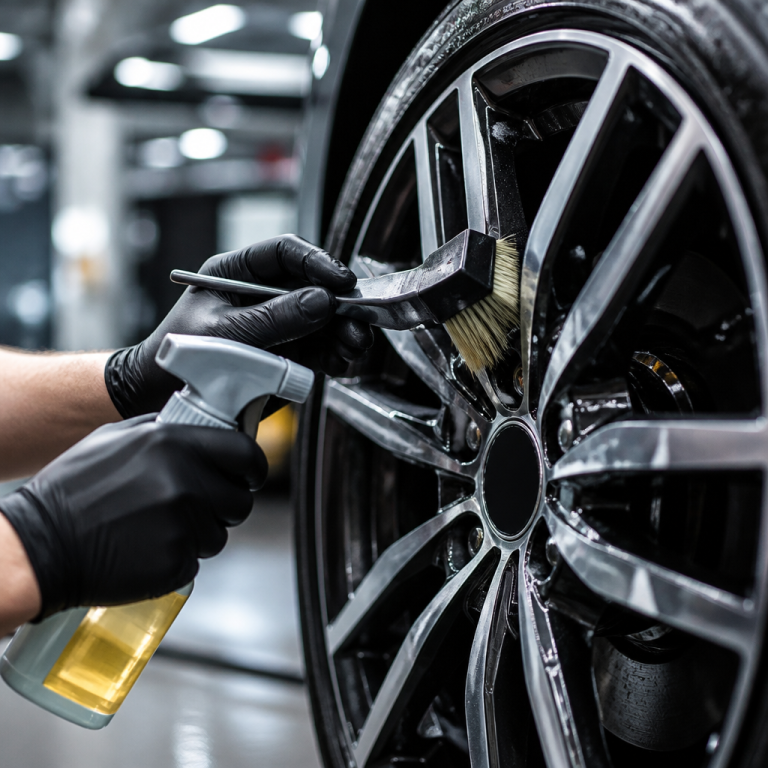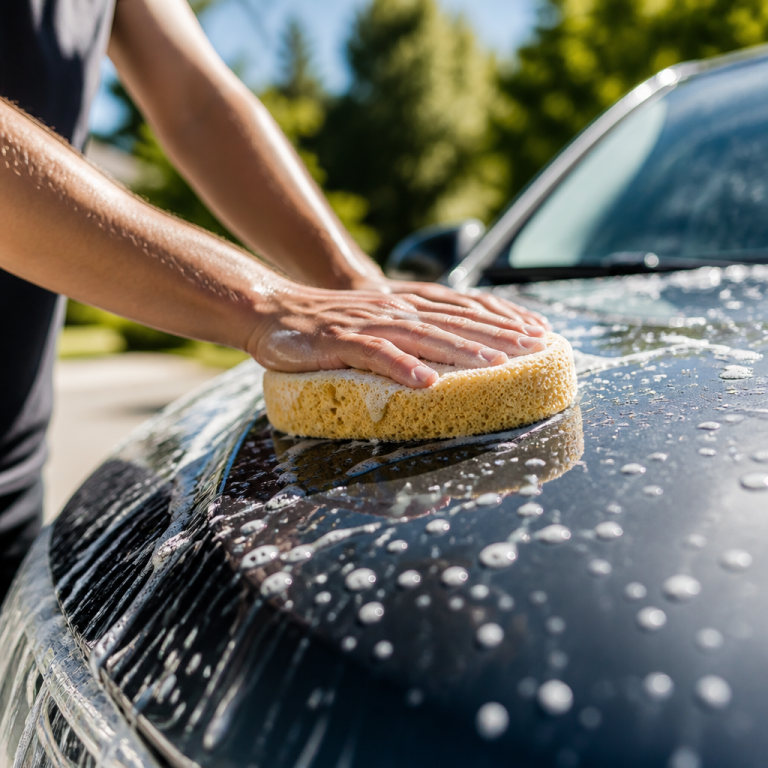
what is waterless car wash? 5 Safe, Easy Ways to Shine
A few years back, on a scorching August afternoon, I desperately needed to clean my dusty car. The problem? I didn’t have a hose, a driveway, or even access to a nearby car wash. That’s when a friend suggested a “waterless car wash,” and I was skeptical. How could you possibly clean a car without buckets of soapy water? To my surprise, it was a game-changer. Discover a smarter, more convenient way to keep your ride looking sharp without the hassle or massive water waste.
A waterless car wash is a modern way to clean vehicles that uses specialized spray-on formulas to lift dirt and grime off your car’s surface, eliminating the traditional rinsing step. These formulas contain lubricants, polymers, and surfactants that work together to trap dirt particles, prevent scratches, and leave behind a protective, glossy finish. This method is convenient and environmentally friendly, allowing you to clean your car almost anywhere. The global market for these products reflects a trend toward sustainability, growing from $8.2 billion in 2023 and projected to reach $12.4 billion by 2030.
One of the most compelling benefits is water conservation. Traditional car washes can use 80 to 140 gallons of water, while water-free methods can save 20 to 150 gallons per wash. This makes it an excellent option in drought-prone areas. Furthermore, by preventing chemical-laden wastewater from entering storm drains, it protects local ecosystems. Regulations are increasingly recognizing this as a water-efficient alternative, often permitting its use when other washing methods are restricted during droughts.
How Waterless Car Wash Works
what is in waterless car wash
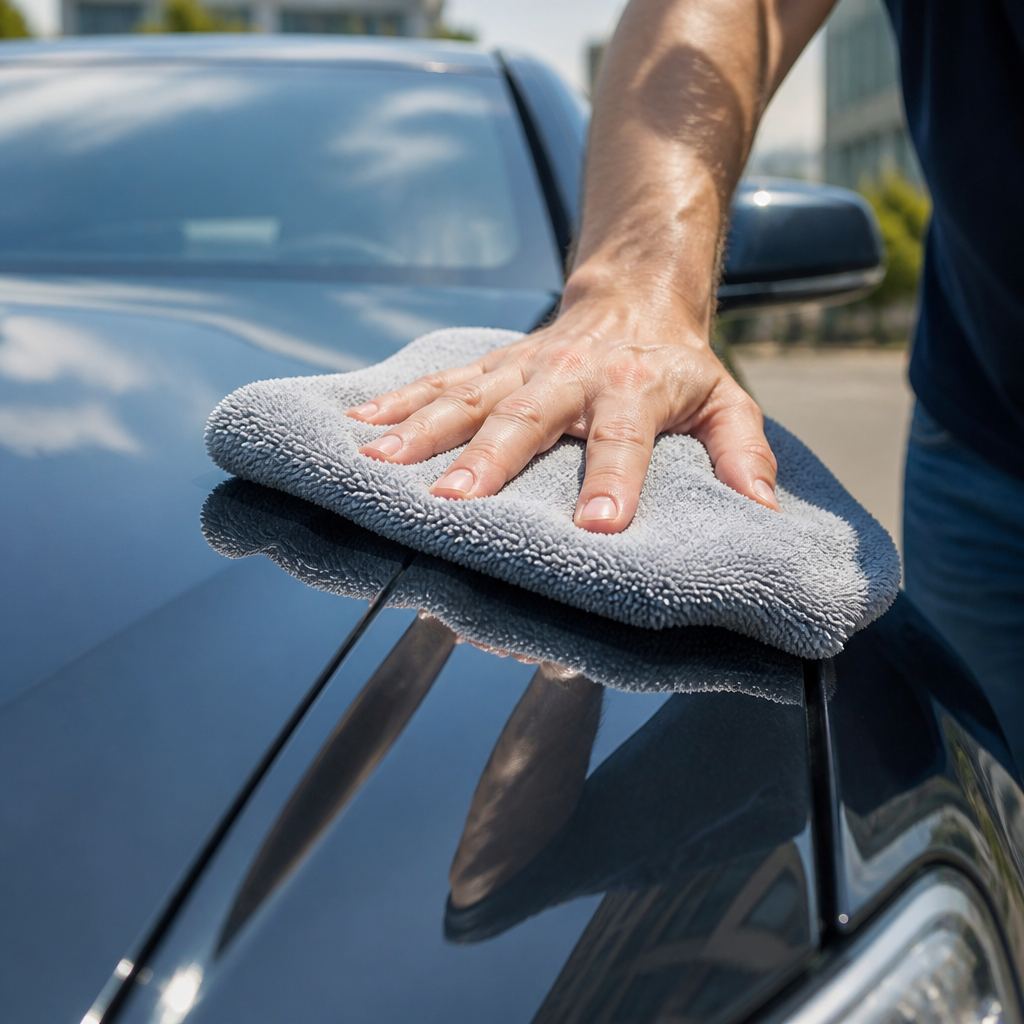
The formulas for water-free cleaning are advanced chemical blends designed to be effective without a water rinse. These formulas consist of three main types of ingredients that work in tandem to clean your vehicle’s paint safely.
First are lubricating agents, such as silicone-based polymers and carnauba wax derivatives. These are crucial for creating a slick barrier between dirt particles and your car’s paint. The lubricants reduce friction, allowing a microfiber towel to glide across the surface and remove dirt without causing swirl marks or scratches.
Second are surfactants, which reduce the surface tension of liquids. In these formulas, surfactants break the bond between dirt and the paint. They encapsulate dirt particles, lifting them away from the car’s finish. This encapsulation is critical because it prevents dirt from being redeposited or causing abrasive damage during wiping.
Finally, emulsifiers help suspend the encapsulated dirt within the liquid formula. This ensures that once lifted, the dirt stays in the solution and is safely absorbed into a microfiber towel, leaving a clean surface. The combination of lubricants, surfactants, and emulsifiers creates a powerful cleaner that can handle light to moderate dirt without needing a water rinse. Many solutions also include performance-boosting chemicals like polyethylene glycol (PEG) for a smooth finish and dimethicone for a glossy, protective layer.
what is waterless car wash how does it work
The effectiveness of a waterless car wash lies in its carefully engineered three-stage chemical mechanism that cleans while protecting the paint. The first stage begins when the product is sprayed onto the surface and surfactants start to break the bonds between dirt and paint.
Following the surfactants, lubricating polymers come into play in the second stage. These polymers create a protective, slippery layer between the loosened dirt and the car’s clear coat. This slick barrier significantly reduces friction, preventing abrasive particles from scratching the paint as a microfiber towel wipes them away.
In the third stage, emulsifiers suspend the encapsulated dirt particles within the liquid solution. This prevents the contaminants from settling back onto the paint. The suspended dirt is then safely absorbed into a clean microfiber towel. This three-stage process—breaking bonds, lubricating, and suspending—allows for the effective and safe removal of light to moderate dirt and grime from the car’s exterior.
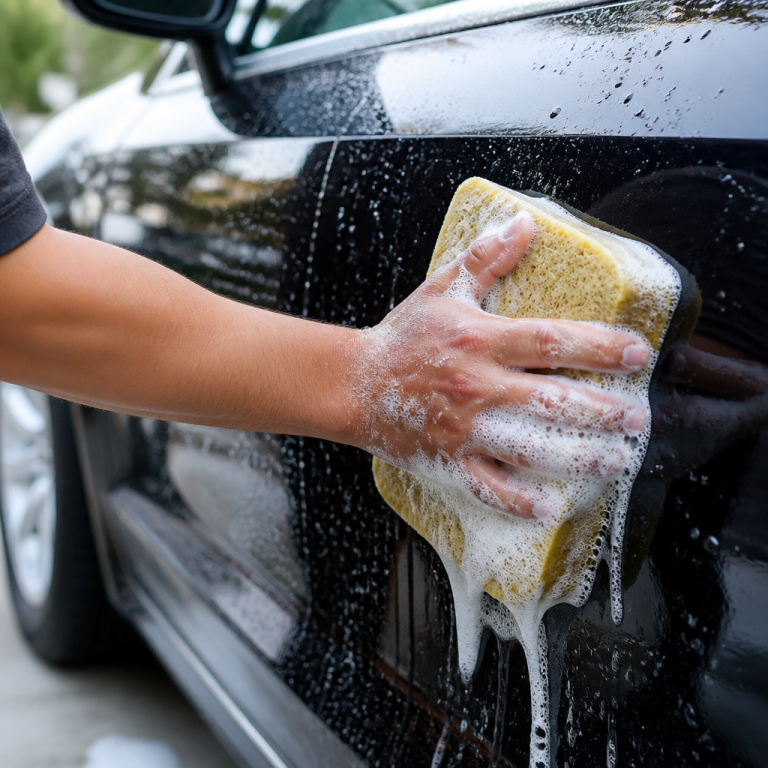
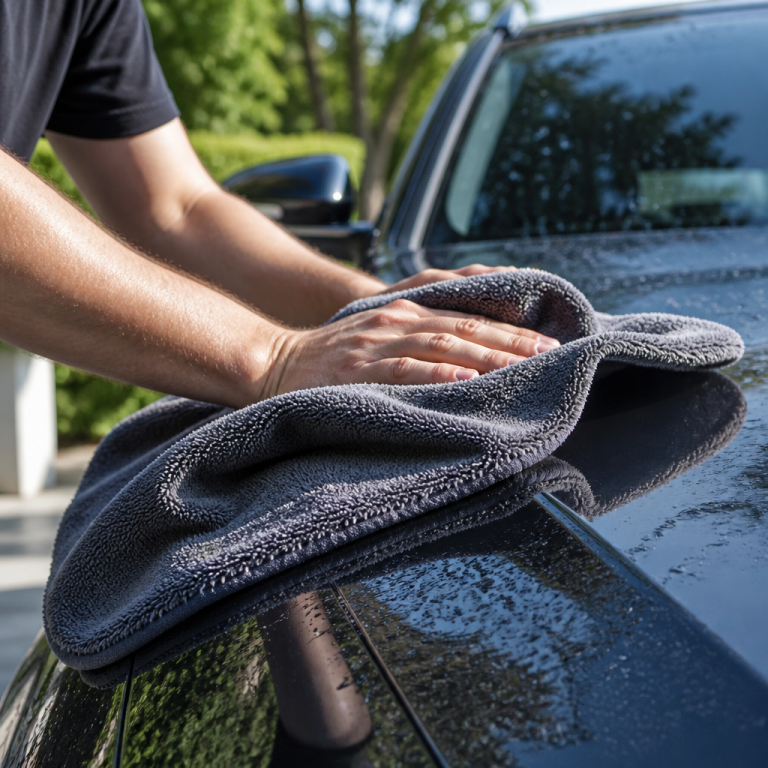
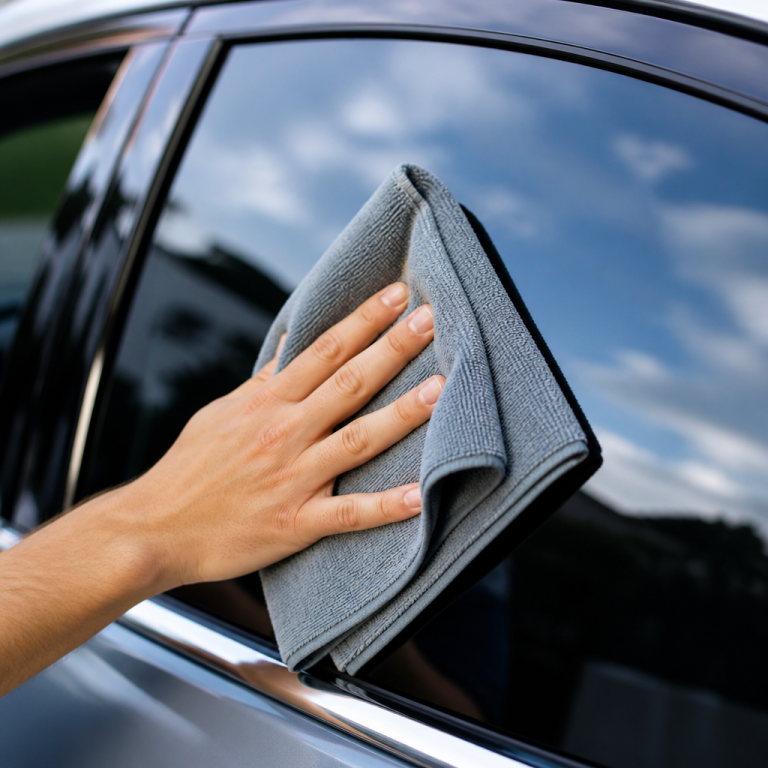
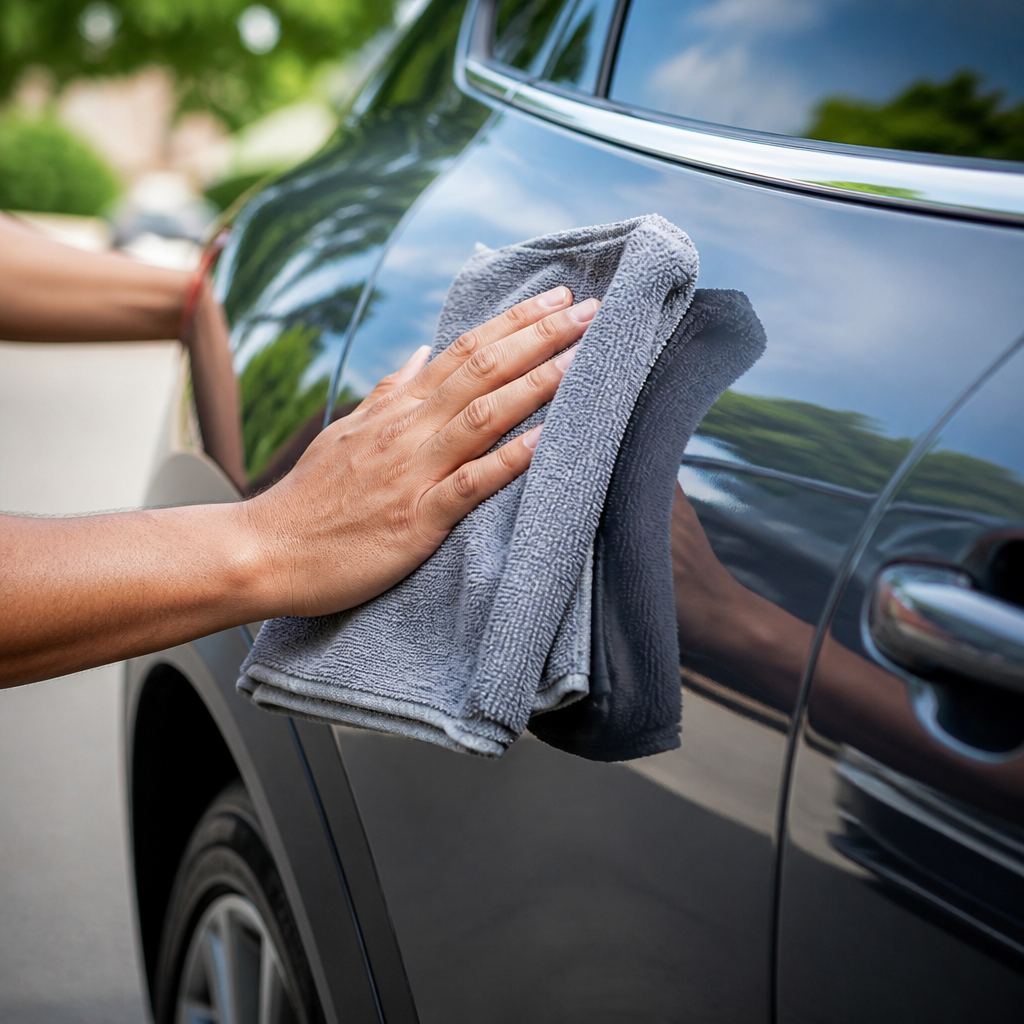
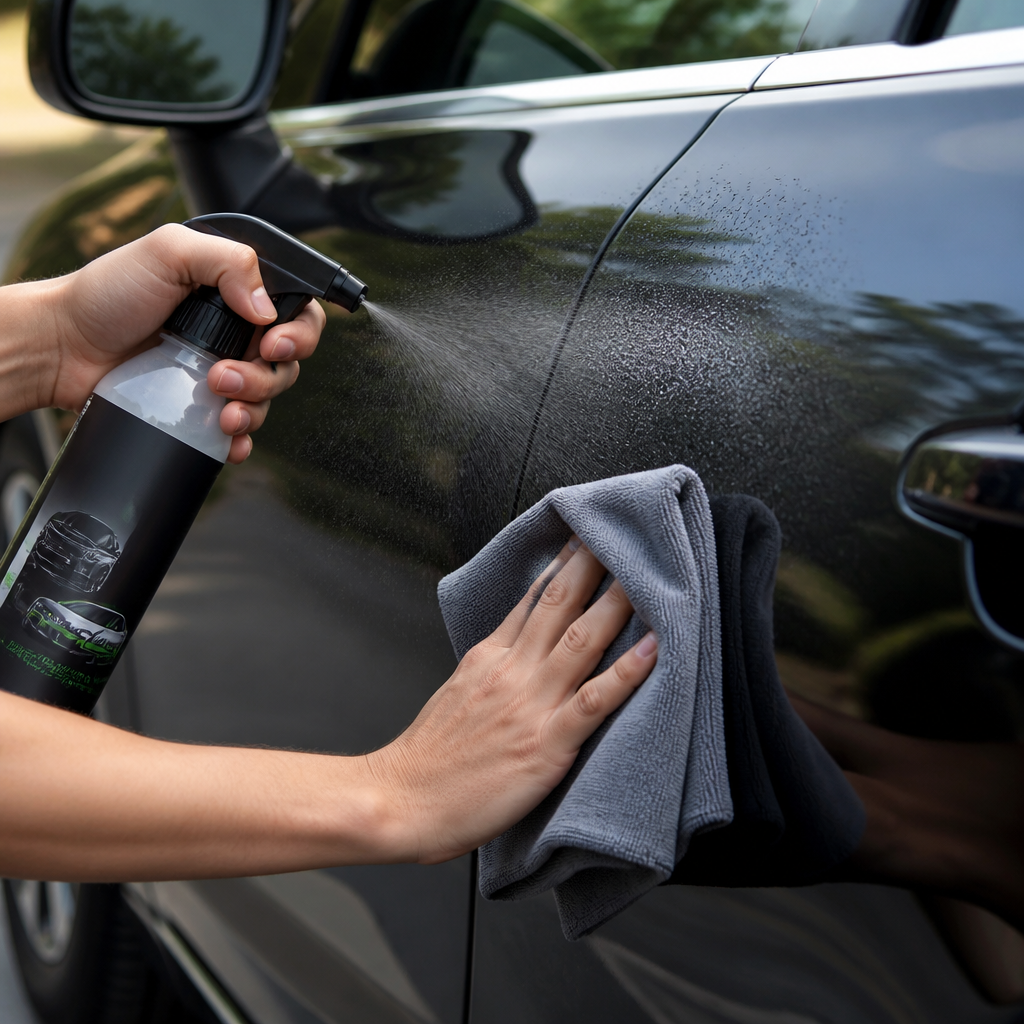
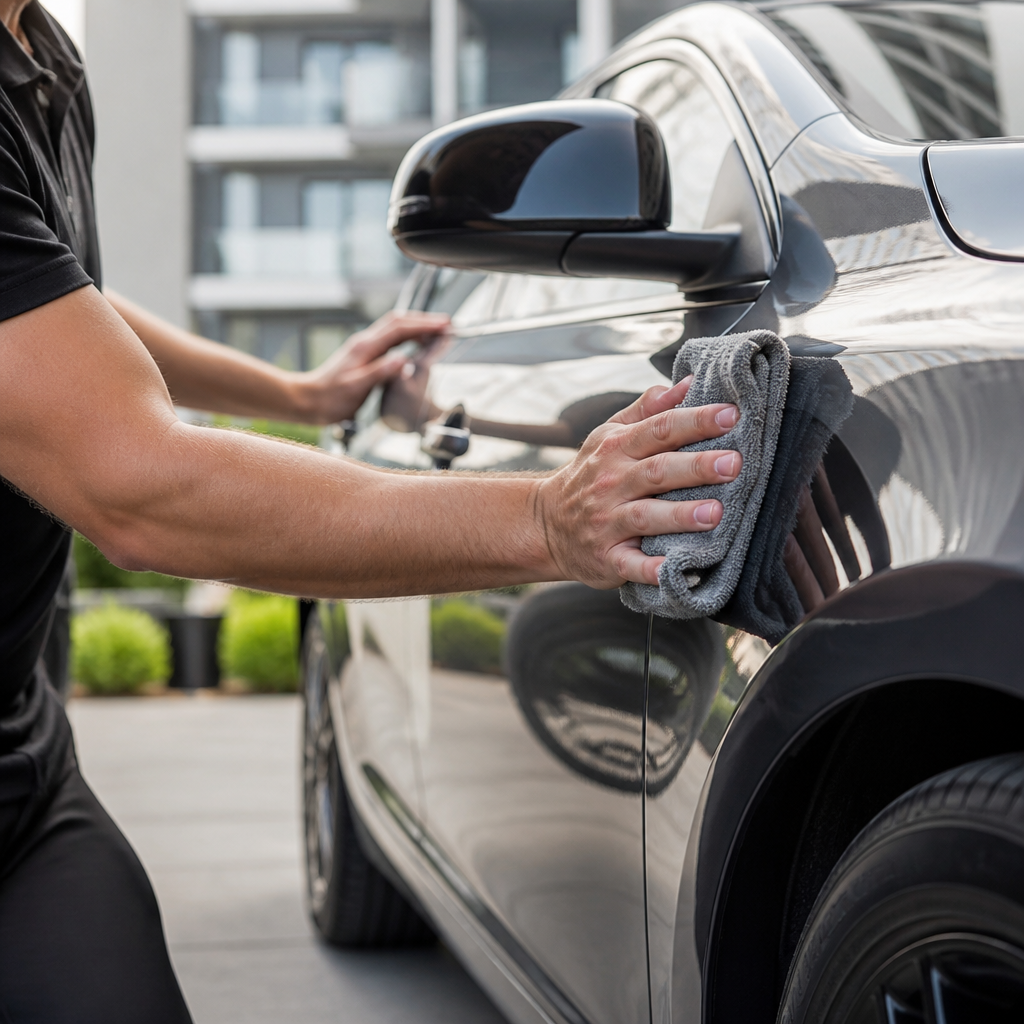
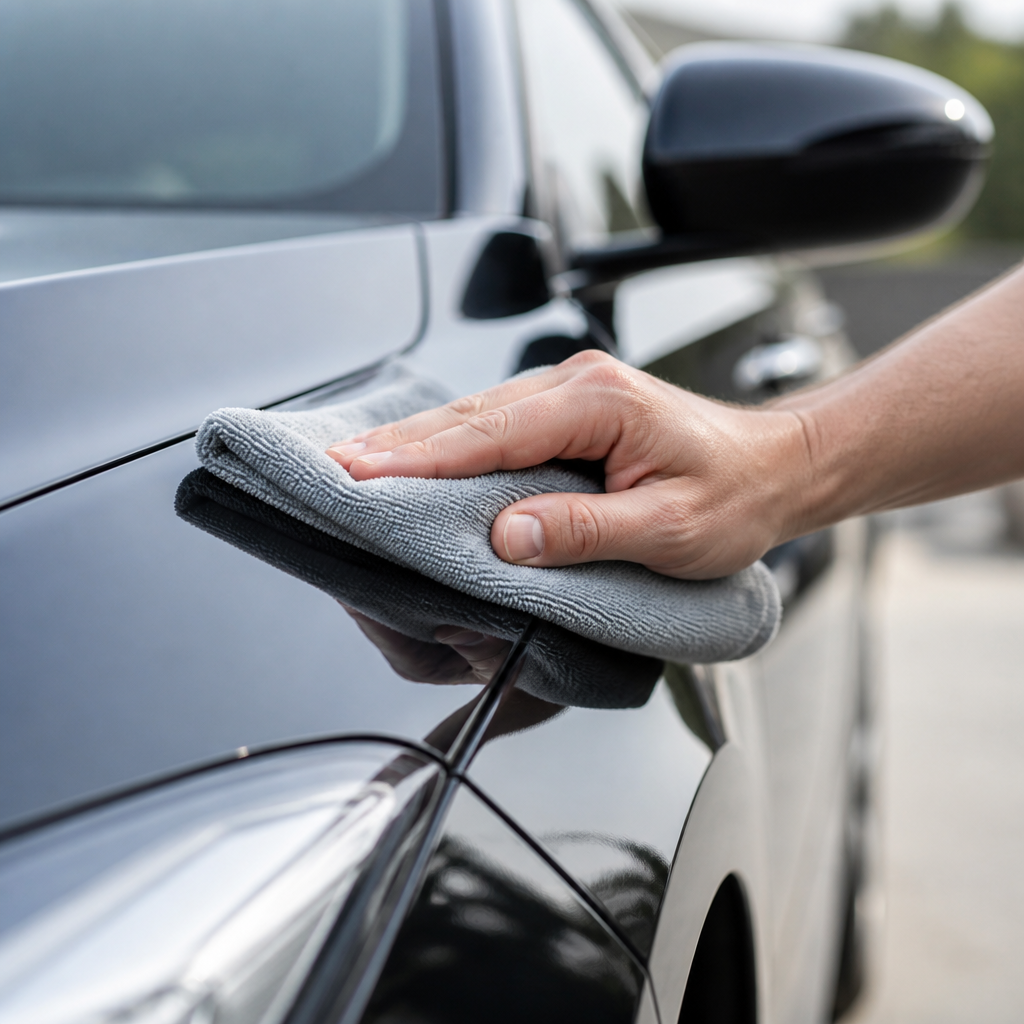
The application process is straightforward. Work on small, 2×2 foot sections at a time. Spray the product, let it dwell for 30-60 seconds, then gently wipe in one direction with a clean microfiber towel. It is vital to use a fresh side of the towel for each pass. Finally, use a second, dry microfiber towel to buff the area to a streak-free shine. Performance can be impacted by temperature; for best results, avoid applying in temperatures below 40°F (4°C) or above 95°F (35°C).
what is waterless car wash used for
Water-free cleaning solutions offer a versatile and convenient method for various applications. Their primary use is for light to moderate dirt removal, making them ideal for cars with a layer of dust, road grime, or fingerprints. It is an excellent solution for maintenance cleaning between more thorough, traditional washes.
These products are also exceptionally useful for spot cleaning. A bird dropping, bug splatter, or a small splash of mud can be quickly removed before it damages the paint. Perhaps the most significant advantage is its suitability for situations where water access is limited, such as in apartment garages or during water restrictions. Mobile detailing services frequently rely on these solutions to clean cars at client locations without needing a water supply or managing runoff.
However, there are important limitations. _Industry guidelines strongly advise against using these methods on heavily soiled vehicles_, such as those with caked-on mud or thick layers of dust. The lubrication may not be sufficient to handle a high volume of abrasive material, increasing the risk of scratching the paint. In such cases, a traditional wash is the safer option. Fleet management companies have also adopted this technology, using it for 60-70% of their routine cleaning needs to maintain a professional appearance efficiently and cost-effectively.
Waterless Car Wash Safety and Performance
what is waterless car wash safe for paint
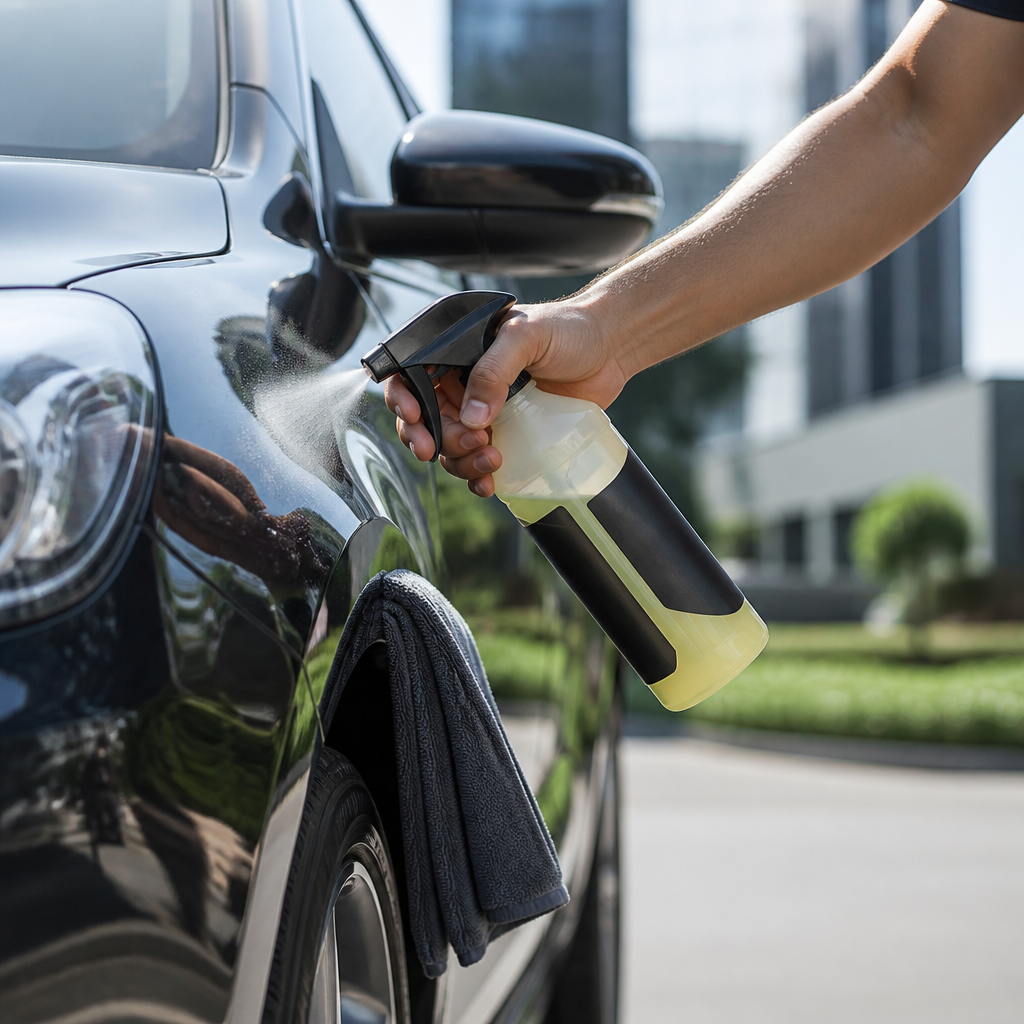
The safety of waterless car wash products for automotive paint is a frequent concern. When used correctly on vehicles with light to moderate dirt, this cleaning method is generally considered safe for paint, clear coats, and ceramic coatings. This is supported by tests from organizations like the International Detailing Association. A 2023 study in the Journal of Coatings Technology and Research used atomic force microscopy and found no statistically significant increase in micro-scratching after 50 wash cycles when using proper technique.
The main safety risk stems from improper application rather than the product itself. The risk of causing clear coat marring and swirl marks increases significantly if the product isn’t used as directed. Common mistakes include using too little product, which reduces lubrication, or using dirty, low-quality microfiber towels that can reintroduce grit. Applying too much pressure while wiping can also force abrasive particles into the paint. Following the recommended technique is essential to minimize these risks.
Despite scientific support, some professionals remain cautious. Mike Phillips, a Master Detailer, offers a different viewpoint.
“While laboratory conditions show minimal damage, real-world application introduces variables that increase risk. I’ve examined hundreds of vehicles with paint defects traced to waterless washing. _The margin for error is too small for average consumers—one mistake causes permanent damage that requires paint correction_.”
His perspective highlights that while the products are formulated for safety, the human element is a critical variable that can lead to unintended damage if care is not taken.
what is waterless car wash pros and cons
This innovative cleaning method offers a unique set of advantages and disadvantages. Understanding them is key to deciding if it fits your vehicle care routine.
- Pros of Waterless Car Wash
- Water Conservation: A significant environmental benefit, saving 20 to 150 gallons per wash compared to some traditional methods.
- Convenience: The ability to clean a vehicle almost anywhere, such as a garage or apartment parking lot, without needing a hose or water source.
- Time Efficiency: A wash can be completed in just 15-25 minutes for a sedan, much faster than a traditional hand wash.
- Reduced Environmental Runoff: Dirt and chemicals are contained in microfiber towels, preventing contaminated water from entering storm drains.
- Cost Savings: While the product has a per-use cost, it is often more economical than frequent trips to commercial car washes.
- Cons of Waterless Car Wash
- Not for Heavy Dirt: It is unsuitable for vehicles caked with thick mud, dust, or road salt.
- Higher Risk of Scratching: Improper technique, such as using dirty towels or too little product, can lead to paint marring.
- Higher Per-Use Cost: The product cost per application ($0.50-$2) is higher than that of a traditional home wash with soap and water ($0.10-$0.30).
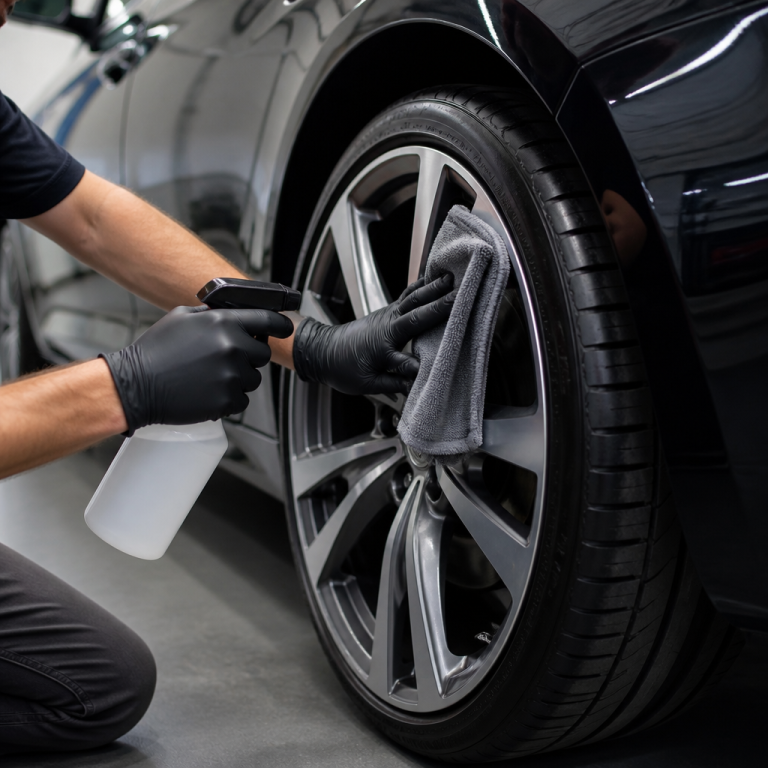
- Limited on Textured Surfaces: It can be less effective on intricate grilles or heavily soiled wheels.
- Requires More Supplies: The method demands a significant number of clean microfiber towels (at least 4-6 per vehicle).
A lifecycle assessment published in Environmental Science & Technology found that these products have a 23% lower overall environmental impact than traditional home washing. However, the study also noted they could have a 15% higher impact than commercial washes that use proper water reclamation systems.
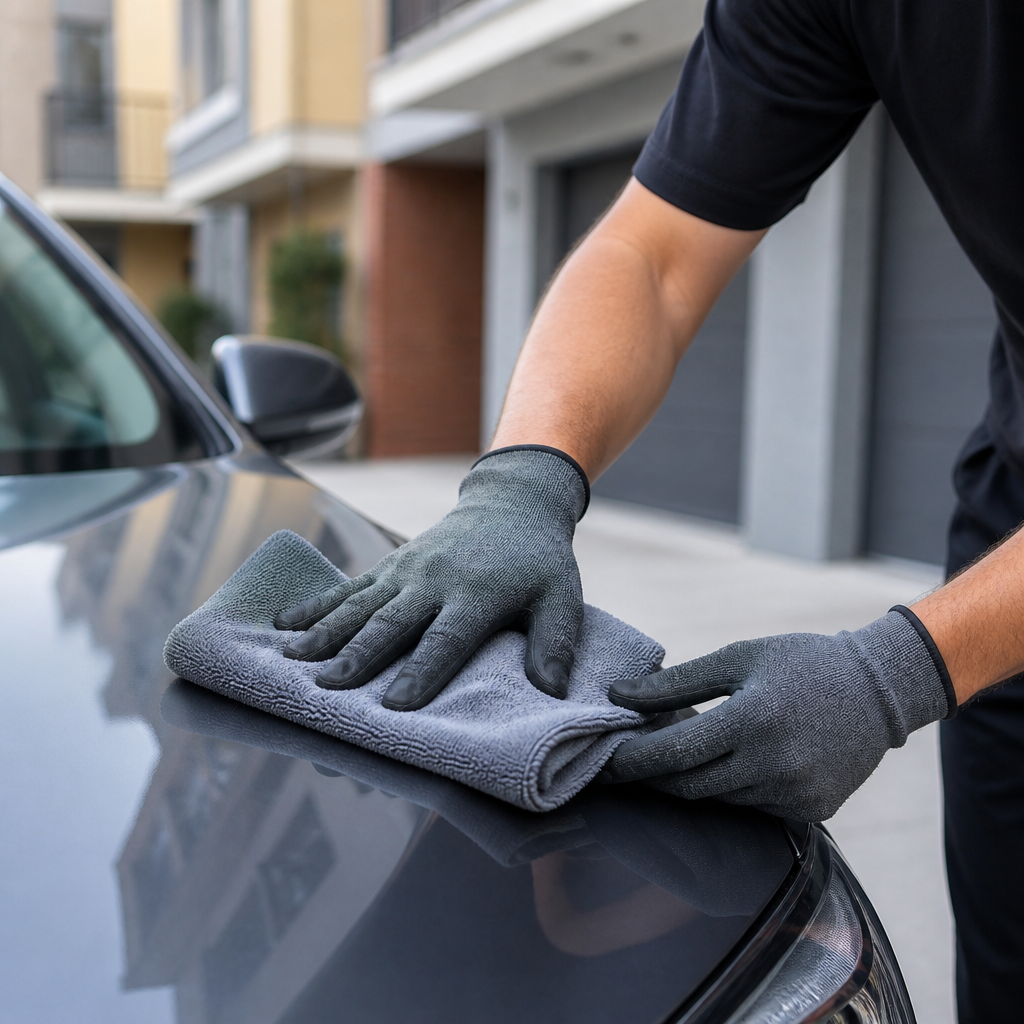
what is waterless car wash vs traditional car wash
Choosing between a waterless wash and a traditional one involves balancing convenience, environmental impact, effectiveness, and cost. Each method has distinct characteristics suited for different needs. The table below offers a direct comparison to help clarify which approach is best for you.
| Feature | Waterless Car Wash | Traditional Car Wash (Home) |
|---|---|---|
| Water Usage | 8-16 ounces of product | 80-140 gallons |
| Time Commitment | 15-25 minutes | 45-60 minutes |
| Best For | Light to moderate dust and grime | Heavy dirt, mud, and road salt |
| Cost per Wash | $0.50 – $2.00 | $0.10 – $0.30 (soap & water) |
| Environmental Runoff | Minimal to none | 80-140 gallons of potentially contaminated water |
| Paint Safety | Safe with proper technique; risk of user error | Safe with proper technique (e.g., two-bucket method) |
In terms of cleaning effectiveness, traditional washing is superior for heavy contamination, removing 97-99% of debris. Water-free methods are highly effective for their intended use, typically removing 92-95% of light contaminants. For deep cleaning, especially after off-roading, traditional methods hold the advantage. However, for routine maintenance and convenience, a waterless car wash provides an excellent modern alternative.
Choosing the Right Waterless Car Wash
what is the best waterless car wash
Selecting the “best” waterless car wash product depends on factors like dirt level, desired finish, and environmental preferences. Based on independent testing and professional reviews, several products consistently rank as leaders in the category.
Among the top-rated products are:
- Optimum No Rinse (ONR): Often considered a benchmark for its unique polymer technology and versatility.
- Meguiar’s Ultimate Waterless Wash & Wax: A popular choice that combines cleaning with a wax additive for extra shine and protection.
- Chemical Guys EcoSmart: Marketed as an eco-friendly option with a biodegradable formula.
- Aero Cosmetics Wet or Waterless Car Wash Wax: Originally developed for aircraft and known for its strong cleaning qualities.
Professional organizations use rigorous tests to evaluate these products. These evaluations typically focus on key performance indicators like lubricity, cleaning power, a streak-free finish, and protective polymer durability. High lubricity is crucial as it reduces the friction that can cause scratching. These standards help identify products that meet high performance and safety benchmarks.
Expert opinion adds real-world experience to laboratory data. Larry Kosilla, a professional detailer, provides a nuanced perspective:
“After testing 30+ waterless products over 15 years, Optimum No Rinse remains the gold standard due to its unique polymer technology that provides exceptional lubrication and can be diluted for multiple applications. However, ‘best’ depends on use case—Meguiar’s offers better wax protection for show cars, while Chemical Guys appeals to environmentally conscious users. Product selection should match soil level, climate, and desired finish.”
Kosilla’s advice underscores that the ideal choice is contextual. Ultimately, the “best” waterless car wash is the one that most effectively meets an individual’s specific cleaning needs, environmental conditions, and desired aesthetic outcome.
FAQ
Q1: What exactly is a waterless car wash and how does it differ from a traditional wash?
A1: A waterless car wash uses specialized spray-on chemical formulas containing lubricants (which create a slippery layer), polymers (protective shields), and surfactants (like tiny cleaning magnets) to lift dirt from vehicle surfaces without requiring water for rinsing. It differs from traditional washing by eliminating the need for a hose and buckets of water, saving 20-150 gallons of water per wash compared to the 80-140 gallons typically used in home traditional methods.
Q2: Is waterless car wash safe for my car’s paint, and what are the risks?
A2: When used correctly on lightly soiled vehicles, waterless car wash is generally safe for automotive paint, clear coats (the top protective layer), and ceramic coatings, as supported by testing from organizations like the International Detailing Association. The primary risk factors for paint damage, such as clear coat marring (tiny scratches that look hazy) or swirl marks, stem from improper technique, including using insufficient product, dirty microfiber towels, or applying excessive pressure during wiping.
Q3: What are the main advantages and disadvantages of using a waterless car wash?
A3: Advantages include significant water conservation (20-150 gallons saved per wash), convenience (no water source needed), time efficiency (15-25 minutes per wash), reduced environmental runoff, potential cost savings compared to commercial washes, and suitability for water-restricted areas. Disadvantages include unsuitability for heavily soiled vehicles, a higher risk of paint scratching with improper technique, potentially higher per-use product cost than soap and water, limited effectiveness on textured surfaces, and the requirement for multiple clean microfiber towels (4-6 per vehicle).
Q4: Can waterless car wash be used on heavily soiled vehicles, like after off-roading?
A4: No, industry guidelines recommend against using waterless methods on heavily soiled vehicles with caked mud, thick layers of dust, or those driven off-road. The lubrication in waterless formulas may be insufficient to safely encapsulate and remove excessive abrasive dirt, increasing the risk of causing paint scratching or marring. For such conditions, a traditional wash with ample water is generally recommended.
Q5: How do I choose the “best” waterless car wash product for my vehicle?
A5: The “best” waterless car wash depends on your specific needs. Top-rated products often include Optimum No Rinse (ONR), Meguiar’s Ultimate Waterless Wash & Wax, and Chemical Guys EcoSmart. When choosing, consider factors like the product’s lubricity (how slippery it makes the surface), cleaning power, streak-free finish, and protective polymer durability. Experts suggest matching the product to the vehicle’s soil level, your local climate, and the desired finish (e.g., more wax protection for show cars, or eco-friendly options for environmental concerns).

Jake Morrison writes about DIY car care at CarCareNote. He’s been detailing cars in his Ohio driveway for over a decade and shares what actually works at home.